
Collection: Best Flooring for Utah Homes
Find flooring that fits the way you live in Utah. Compare SPC, WPC, engineered hardwood and laminate for busy kitchens, comfortable bedrooms, finished basements and open living spaces. Explore wood looks, real wood, plank sizes and practical features to choose the right floor for your home.
-
Mountain collection - Black Mountain | 20mil Pure SPC™ Waterproof Flooring | 8mm w/ 1.5mm Bioguardian™ Pad | 9x60
Vendor:Republic Floors$4.39 / sq. ft. $164.30 per carton · 37.4 sq. ft. / carton8.0mm20mil9x60Sale -
Countryside Collection – Aspen | 20mil Pure SPC™ Waterproof Flooring | 8mm w/ 1.5mm Bioguardian™ Pad | 9x60
Vendor:Republic Floors$4.79 / sq. ft. $179.00 per carton · 37.4 sq. ft. / carton8.0mm20mil9x60Sale -
New World New York 20 mil 6.5mm 9x60 SPC Vinyl plank | Aperion / Caspar Flooring Direct
Vendor:Aperion$3.49 / sq. ft. $78.63 per carton · 22.5 sq. ft. / carton6.5mm20mil9x60Sale -
New World Maryland 20 mil 6.5mm 9x60 SPC Vinyl plank | Aperion / Caspar Flooring Direct
Vendor:Aperion$3.73 / sq. ft. $84.00 per carton · 22.5 sq. ft. / carton6.5mm20mil9x60

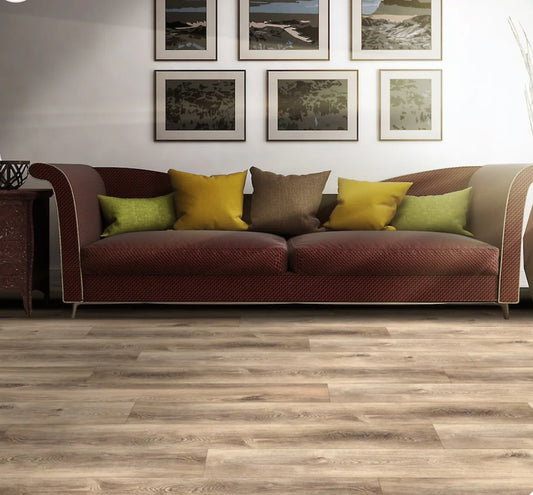
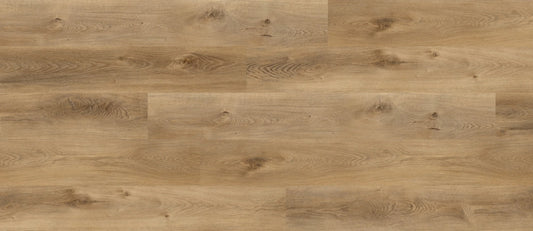


Best Flooring for Utah Homes
The best flooring for a Utah home depends on the rooms you are updating, the condition of the subfloor and how you want the space to feel. A kitchen floor needs to handle everyday spills and frequent cleaning. A bedroom may put greater emphasis on comfort. A living room may be the place where you want the character of real wood.
Utah includes mountain communities, urban neighborhoods and warmer southern locations. Those differences make the conditions inside your home more useful than a statewide label when comparing floors. Consider heating, cooling, indoor humidity, direct sunlight and whether the property remains occupied throughout the year.
Which Flooring Material Should You Choose?
SPC, WPC, engineered hardwood and laminate offer different combinations of construction, surface performance and design. Start by deciding whether waterproof plank materials, underfoot comfort, real wood or a durable wood-look surface matter most to your project.
Compare SPC flooring for Utah homes when you want a firm rigid-core floor with waterproof plank construction. It can be a practical starting point for kitchens and connected living spaces, provided the exact product is approved for the installation.
For living areas where comfort is a priority, explore WPC flooring for Utah homes. Its composite core typically provides a more forgiving feel than dense SPC. Compare the complete construction, including the attached backing and required subfloor preparation.
When Real Wood Is the Right Choice
Engineered hardwood places a genuine wood surface over a layered construction. It offers natural grain and variation that give bedrooms, dining rooms and living rooms their own character. Choose the species and finish first, then compare veneer thickness, overall thickness and installation options.
Our engineered hardwood flooring for Utah homes page helps you evaluate real wood for different rooms. Wood responds to changes in its surroundings, so maintaining the manufacturer's required indoor conditions is part of the selection process.
Engineered hardwood is not automatically waterproof. Plan carefully around entrances, sinks and other places where moisture may remain on the floor. A household that prioritizes easier cleanup throughout an open kitchen may prefer waterproof vinyl for that area.
Where Laminate Fits Into a Utah Home
Laminate can provide realistic wood styling with an abrasion-rated surface. It is useful to compare for living rooms, hallways and bedrooms where appearance and everyday surface wear are important. Its suitability for moisture-prone areas depends on the exact product's published water classification.
Explore laminate flooring for Utah homes to compare construction, plank dimensions and moisture performance. An AC rating describes abrasion resistance. It does not establish that a floor is waterproof, approve it for every room or replace installation instructions.
A thicker laminate profile may also affect door clearances and transitions. Check the finished height before selecting the product, particularly when the project joins existing tile or changes the height beside stairs.
Choosing Flooring for Kitchens and Entrances
A kitchen brings together spills, appliances, cabinets and regular foot traffic. Waterproof SPC and WPC are useful options to compare, but the flooring material does not waterproof the room. Water can still reach a subfloor through edges, openings and installation details.
Entrances deserve particular attention where shoes bring in grit or wet weather. Cleanable walk-off mats, prompt spill removal and regular hard-floor cleaning help protect the floor's appearance. Compare flooring for entryways if the front door or garage entrance is central to your project.
Check how cabinets and islands interact with the installation. Floating floors need the movement space required by their manufacturer. Appliances, transitions and fixed fixtures should be planned before the flooring is ordered.
Preparing Concrete and Finished Basements
A dry outdoor climate does not establish the moisture condition of a concrete slab. Concrete should be tested and prepared to the exact flooring requirements. Flatness, structural condition, cracks, vapor protection and any old adhesive residue all affect the installation.
For lower-level projects, SPC flooring for basements provides a useful comparison of rigid-core options. Confirm below-grade approval for the specific product. A basement with ongoing leaks or drainage problems needs those conditions addressed before new flooring is installed.
Attached backing can contribute to the installed feel, but it does not flatten an uneven slab. It also does not automatically replace a required vapor retarder. Additional underlayment should be used only when permitted.
Sunlight, Heating and Indoor Conditions
Large windows can make a floor's color look different throughout the day. Place samples flat on the floor beside cabinets, walls and furniture. Compare them in morning light and under the lighting you use in the evening.
Direct sunlight can also create concentrated heat at the floor surface. Review the product's exposure and temperature limits and consider window coverings where needed. A floor that works in a climate-controlled living room may not be approved for an enclosed porch.
Radiant heating requires a separate compatibility check. Verify the exact flooring, heating system, permitted surface temperature and startup procedure. The material name alone does not establish approval.
Planning a Floor That Connects Multiple Rooms
One continuous flooring style can make connected rooms feel cohesive. Before committing to a whole-home layout, check doorway transitions, expansion requirements, maximum installation dimensions and finished-floor heights.
Order enough flooring for the layout, cuts and reasonable future repairs. The amount of additional material depends on room shape, installation direction and board selection. Inspect several boards or larger samples when evaluating natural wood or a varied wood-look design.
The strongest choice is the floor that matches the actual room and household. Compare material, surface construction, backing, plank size and installation requirements together rather than selecting on one specification alone.
Frequently Asked Questions
What is the best flooring for Utah homes?
SPC, WPC, engineered hardwood and laminate can all suit Utah interiors. Choose according to the room, subfloor, moisture exposure, desired feel and required indoor conditions.
Is waterproof flooring necessary throughout the house?
It can simplify material selection across connected rooms, but it is not necessary for every space. Bedrooms and living rooms may also suit engineered hardwood or appropriately classified laminate.
Can flooring be installed over a concrete slab in Utah?
Many products allow concrete installation. The slab must meet the exact requirements for moisture, flatness, preparation and vapor protection before work begins.
Is engineered hardwood suitable for a Utah home?
It can be suitable when the product is approved for the room and the home's indoor conditions can be maintained within the manufacturer's requirements.
Which flooring feels more comfortable underfoot?
WPC generally feels more forgiving than dense SPC. Backing, subfloor construction and the complete flooring system also affect how a finished floor feels.
Can these floors be used in a seasonal mountain home?
Only if the exact product permits the conditions maintained there. Check temperature and humidity requirements before choosing flooring for a property left unheated or unoccupied.
Explore related flooring
Browse related flooring collections, brands and styles before making your final choice.