
Collection: WPC Flooring Over Hardwood
Explore WPC flooring over hardwood options approved for floating installation above secure existing wood floors. Compare waterproof plank styles, total thicknesses, attached pads, wear layers, locking systems, and dimensions.
-
Seaside Summit Sandstone whisper 30mil 10mm 9.5x84 WPC Vinyl Plank
Vendor:Lions FloorRegular price From $0.00 USDRegular priceUnit price $4.39/ft² -
United Weavers Heritage Grace- 22mil 10mm 9x60 Waterproof WPC Vinyl Plank flooring
Vendor:United WeaversRegular price From $0.00 USDRegular priceUnit price $4.49/ft² -
Seaside Summit Pebble Shimmer 30mil 10mm 9.5x84 WPC Vinyl Plank
Vendor:Lions FloorRegular price From $0.00 USDRegular priceUnit price $4.39/ft² -
United Weavers Heritage Cityscape- 22mil 10mm 9x60 Waterproof WPC Vinyl Plank flooring
Vendor:United WeaversRegular price From $0.00 USDRegular priceUnit price $4.49/ft² -
Wayne Parc Macland 22mil 10mm 9x60 WPC Vinyl Plank | MSI
Vendor:MSI EverlifeRegular price From $0.00 USDRegular priceUnit price $3.99/ft² -
Revival Midtown 30 mil 12mm 9X60 WPC | United Weavers / Caspar Flooring Direct
Vendor:United WeaversRegular price From $0.00 USDRegular priceUnit price $4.99/ft² -
Seaside Summit Sunshine Sparkle 30mil 10mm 9.5x84 WPC Vinyl Plank
Vendor:Lions FloorRegular price From $0.00 USDRegular priceUnit price $4.39/ft² -
Wayne Parc Elwood 22mil 10mm 9x60 WPC Vinyl Plank | MSI
Vendor:MSI EverlifeRegular price From $0.00 USDRegular priceUnit price $3.99/ft² -
Ocean Crest - Summit Drift | 20mil 8mm 9x60 WPC Vinyl Plank | Lions Floor
Vendor:Lions FloorRegular price From $0.00 USDRegular priceUnit price $4.98/ft²$4.39 USDSale price From $0.00 USDSale -
Seaside Summit Seashell radiance 30mil 10mm 9.5x84 WPC Vinyl Plank
Vendor:Lions FloorRegular price From $0.00 USDRegular priceUnit price $4.39/ft² -
United Weavers Heritage Artisan - 22mil 10mm 9x60 Waterproof WPC Vinyl Plank flooring
Vendor:United WeaversRegular price From $0.00 USDRegular priceUnit price $4.49/ft² -
Revival Haven 30 mil 12mm 9X60 WPC | United Weavers / Caspar Flooring Direct
Vendor:United WeaversRegular price From $0.00 USDRegular priceUnit price $4.99/ft² -
Revival Realm 30 mil 12mm 9X60 WPC | United Weavers / Caspar Flooring Direct
Vendor:United WeaversRegular price From $0.00 USDRegular priceUnit price $5.49/ft² -
Ocean Crest - Morning Tide | 20mil 8mm 9x60 WPC Vinyl Plank | Lions Floor
Vendor:Lions FloorRegular price From $0.00 USDRegular priceUnit price $4.98/ft² -
Seaside Summit Seaglass luster30mil 10mm 9.5x84 WPC Vinyl Plank
Vendor:Lions FloorRegular price From $0.00 USDRegular priceUnit price $4.39/ft² -
Seaside Summit Beach Blessing 30mil 10mm 9.5x84 WPC Vinyl Plank
Vendor:Lions FloorRegular price From $0.00 USDRegular priceUnit price $4.39/ft²


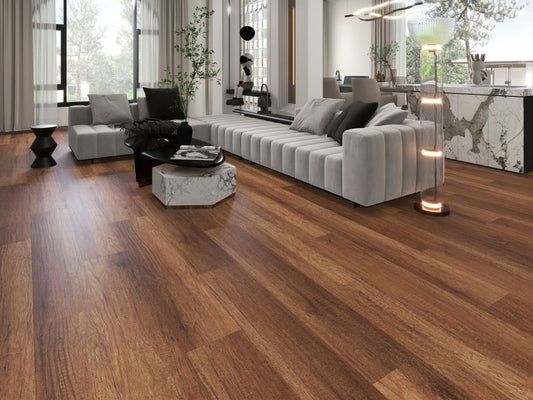
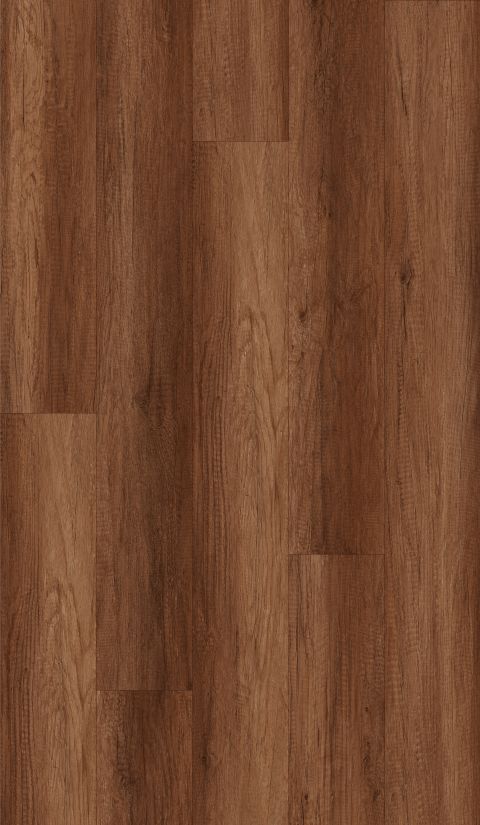

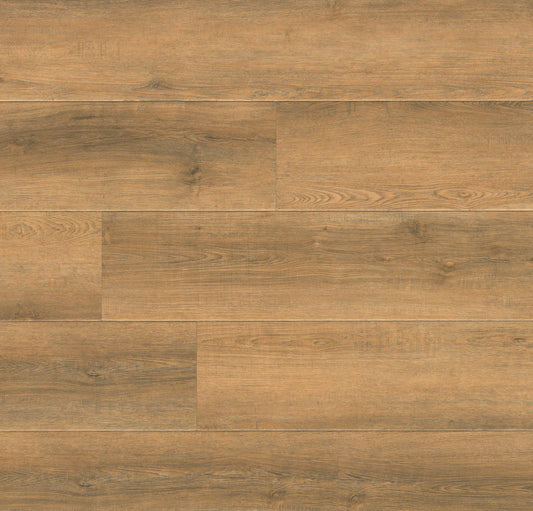
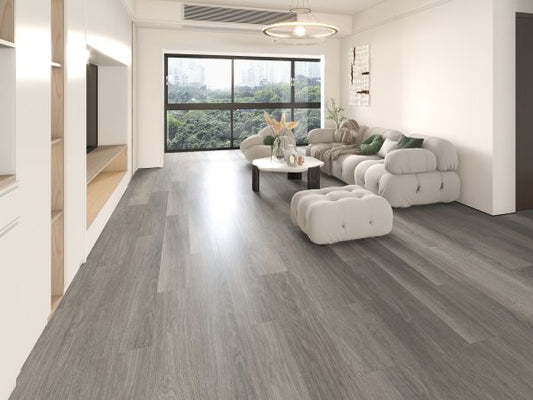
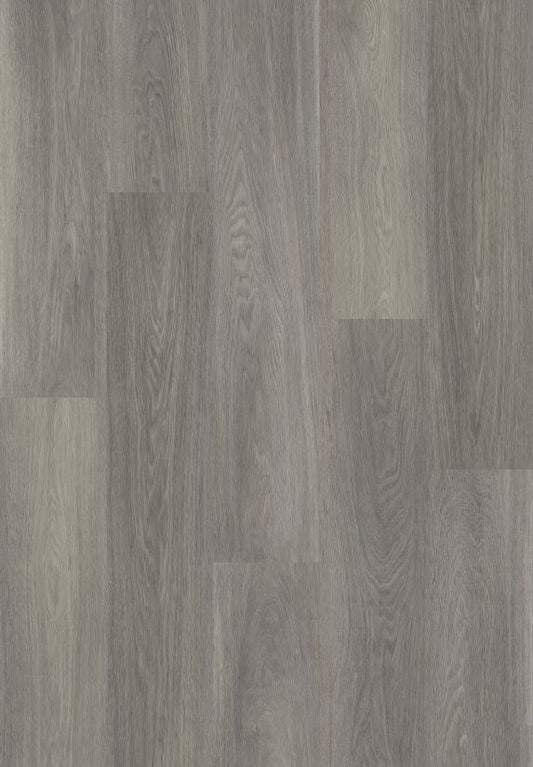
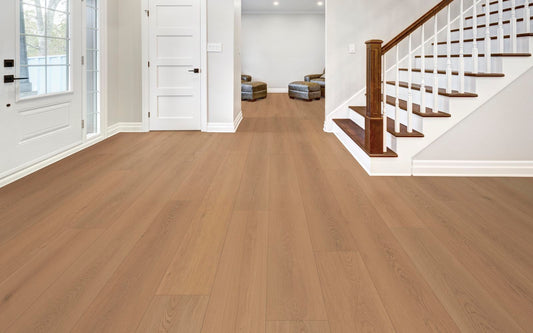
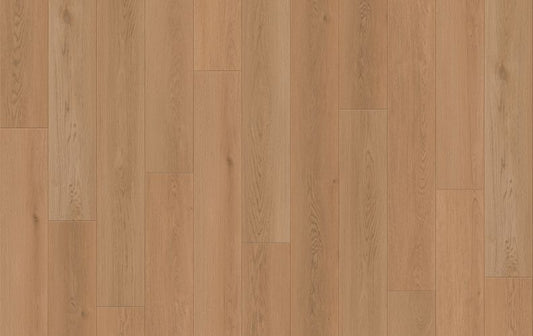
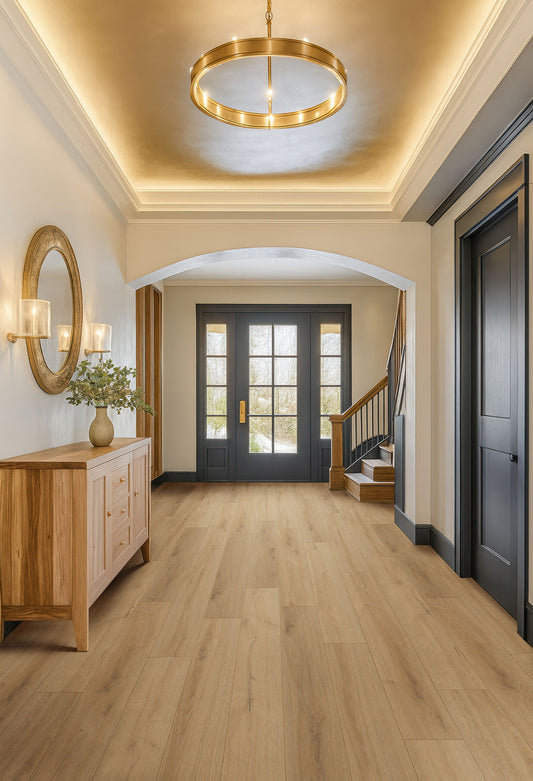
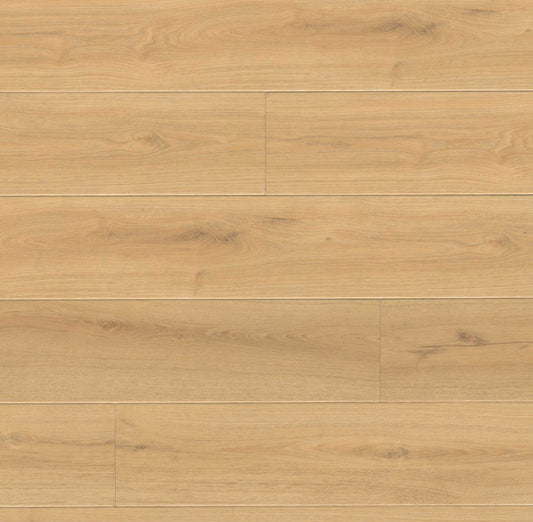
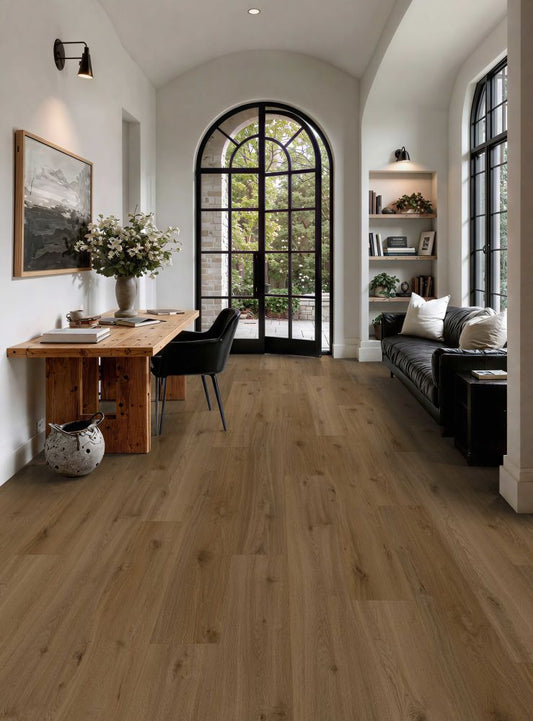
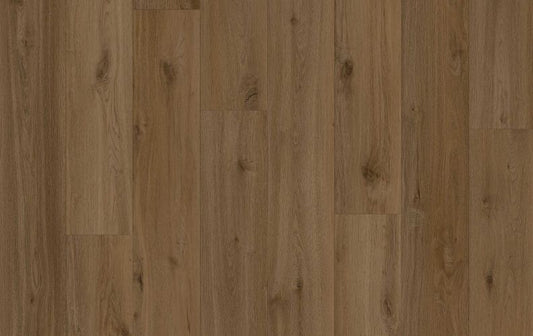

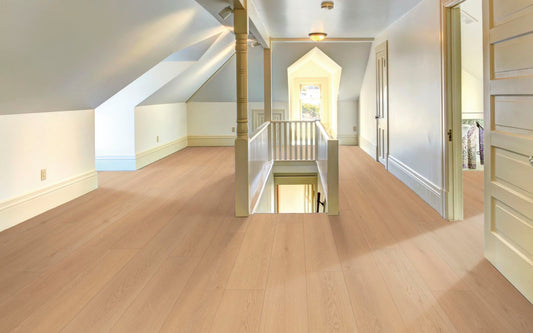
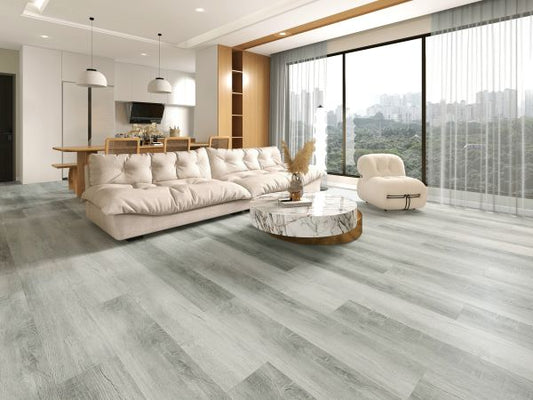
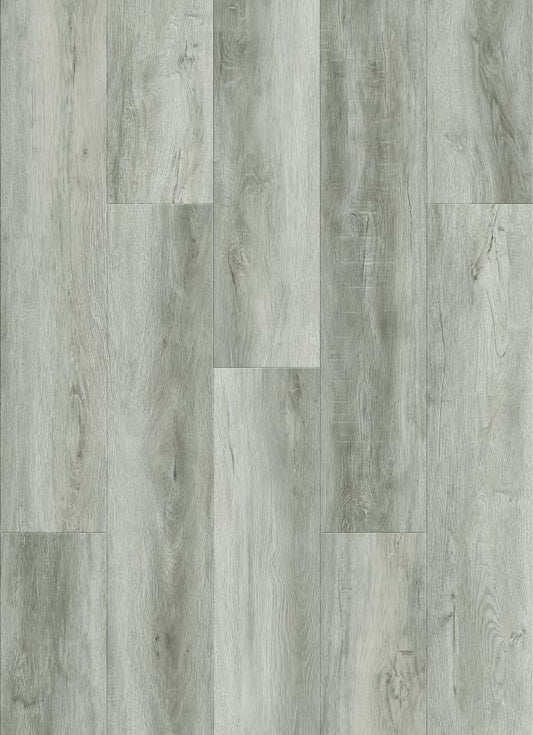
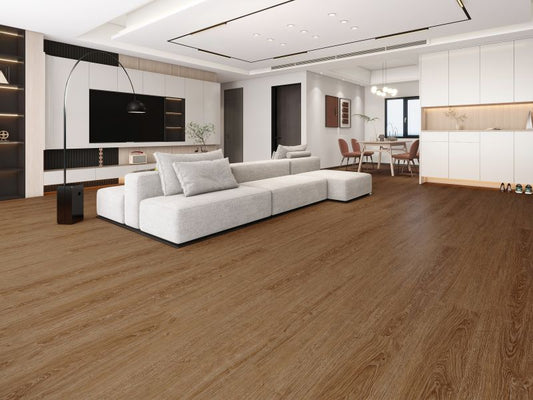
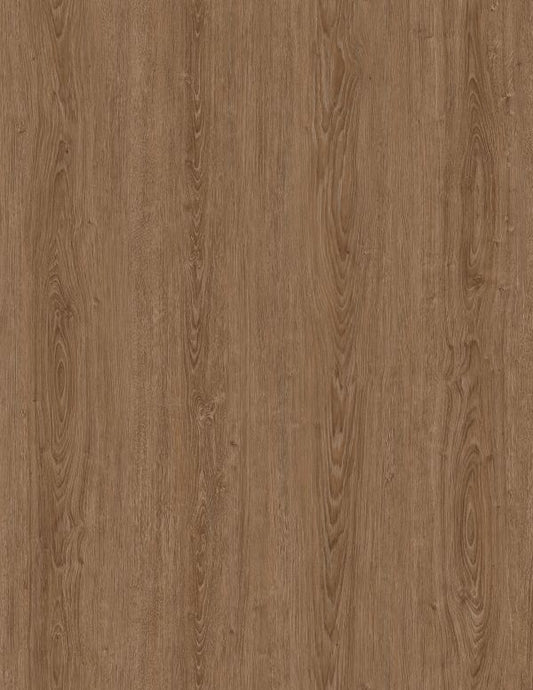
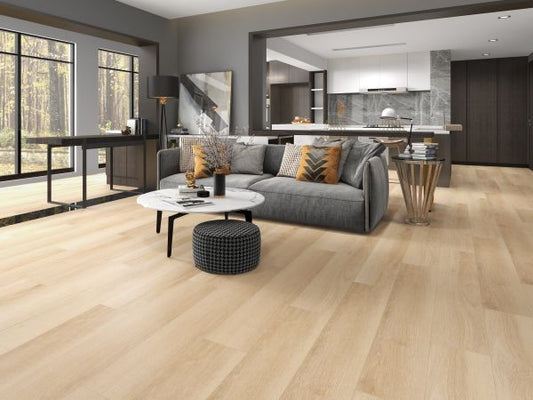
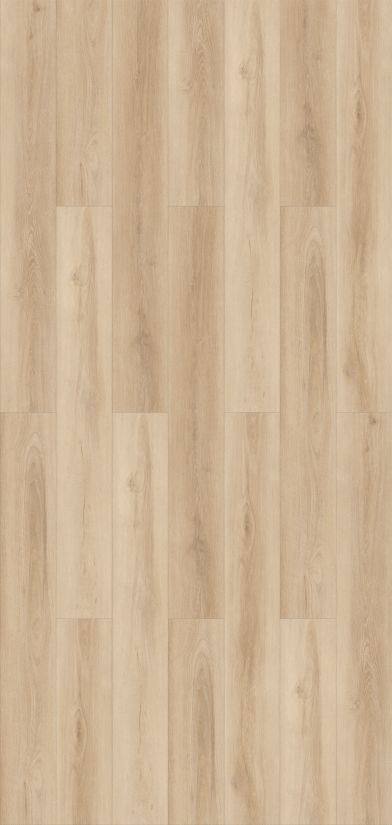

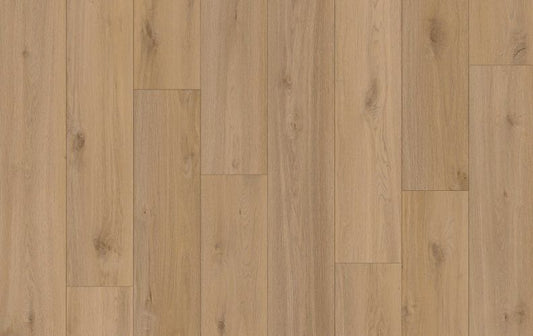

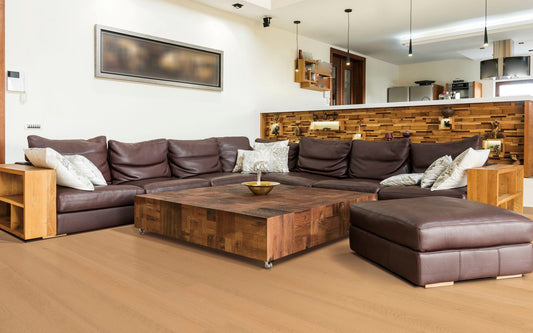

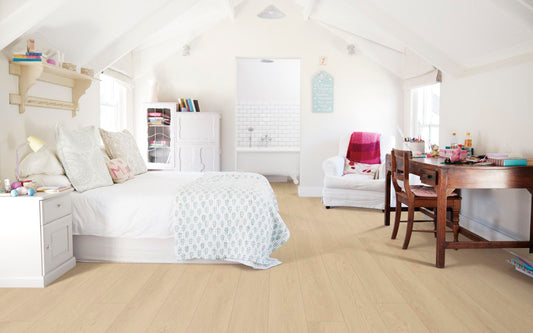
WPC Flooring Over Hardwood
WPC flooring over hardwood includes waterproof composite planks approved for floating installation above qualifying existing wood floors. Covering hardwood may provide a new color, waterproof plank surface, or different visual style without immediately removing the original floor.
The condition of the existing hardwood must be evaluated first. Loose, damp, severely uneven, or structurally damaged flooring should not simply be concealed.
When Can WPC Go Over Hardwood?
The existing wood floor may need to be:
- Securely attached
- Structurally stable
- Flat within manufacturer tolerance
- Clean
- Dry
- Free from active moisture
- Free from excessive movement
- Smooth enough to support locking joints
- Compatible with floating installation
- Approved by the WPC manufacturer
Hardwood installed over an unsuitable or moisture-damaged substrate may require removal.
Inspecting the Existing Floor
Before covering hardwood, check for:
- Loose or squeaking boards
- Cupping
- Crowning
- Buckling
- Rot
- Water staining
- Large height differences
- Protruding fasteners
- Damaged repairs
- Moisture below the floor
These conditions may signal a problem that WPC cannot correct.
Finished-Floor Height
Installing WPC over hardwood raises the finished surface. Evaluate:
- Interior and exterior doors
- Stair risers and nosings
- Floor vents
- Appliances
- Cabinets
- Baseboards
- Fireplace transitions
- Adjoining tile
- Carpet transitions
- Accessibility needs
The attached pad may be included in the stated product thickness.
Installation Direction
Some installations may benefit from running WPC perpendicular to the existing boards, while other projects may allow a different orientation. The manufacturer’s instructions and subfloor structure should guide this decision.
Plank direction also affects:
- Room proportions
- Natural-light reflection
- Hallway sightlines
- Material cuts
- Transition placement
- Joint layout
Protecting the Original Hardwood
Floating WPC may allow the existing wood floor to remain beneath it, but preservation is not guaranteed. Moisture barriers, attached pads, movement, or prolonged covering may affect the original surface.
Document its condition and consult a flooring professional if preserving valuable hardwood is a priority.
Frequently Asked Questions
Can WPC flooring be installed over real hardwood?
Selected floating WPC products may be installed over secure, flat, dry hardwood when approved by the manufacturer.
Should damaged hardwood be repaired first?
Yes. Loose boards, moisture damage, movement, and major height differences should be corrected before installation.
Will WPC ruin the hardwood underneath?
Not necessarily, but moisture, movement, added materials, and long-term covering can affect it. Preservation cannot be assumed.
Does the hardwood need to be sanded?
Only when surface irregularities prevent compliance with the new flooring’s flatness requirements.
Will installing WPC raise door and transition heights?
Yes. The existing hardwood remains in place, so the complete WPC thickness is added above it.
Is WPC over hardwood waterproof?
The WPC planks may be waterproof, but the hardwood underneath and surrounding room are not.
Explore related flooring
Browse related flooring collections, brands and styles before making your final choice.