
Collection: WPC Flooring for Three-Season Rooms
Explore WPC flooring for three-season rooms only where manufacturers provide written approval for the expected temperature, humidity, and sunlight conditions. Compare environmental limits, plank construction, locking systems, dimensions, colors, and textures.
-
Wayne Parc Reserve Mellshire 30mil 12mm 9x72 WPC Vinyl Plank | MSI
Vendor:MSI EverlifeRegular price From $0.00 USDRegular priceUnit price $5.29/ft² -
Wayne Parc Waldron 22mil 10mm 9x60 WPC Vinyl Plank | MSI
Vendor:MSI EverlifeRegular price From $0.00 USDRegular priceUnit price $4.59/ft² -
Wayne Parc Reserve Waldron 30mil 12mm 9x72 WPC Vinyl Plank | MSI Everlife
Vendor:MSI EverlifeRegular price From $0.00 USDRegular priceUnit price $5.29/ft² -
Wayne Parc Bluffview 22mil 10mm 9x60 WPC Vinyl Plank | MSI
Vendor:MSI EverlifeRegular price From $0.00 USDRegular priceUnit price $3.99/ft² -
Revival Eden 30 mil 12mm 9X60 WPC | United Weavers / Caspar Flooring Direct
Vendor:United WeaversRegular price From $0.00 USDRegular priceUnit price $4.99/ft² -
Canyon Coast - Alpine Ambiance | 20mil 10mm 9x72 WPC Vinyl Plank | Lions Floor
Vendor:Lions FloorRegular price From $0.00 USDRegular priceUnit price $5.14/ft² -
Seaside Summit Marine sheen 30mil 10mm 9.5x84 WPC Vinyl Plank
Vendor:Lions FloorRegular price From $0.00 USDRegular priceUnit price $4.39/ft² -
Wayne Parc Mellshire 22mil 10mm 9x60 WPC Vinyl Plank | MSI
Vendor:MSI EverlifeRegular price From $0.00 USDRegular priceUnit price $4.59/ft² -
Wayne Parc Andaz 22mil 10mm 9x60 WPC Vinyl Plank | MSI
Vendor:MSI EverlifeRegular price From $0.00 USDRegular priceUnit price $4.59/ft² -
United Weavers Heritage Regal - 22mil 10mm 9x60 Waterproof WPC Vinyl Plank flooring
Vendor:United WeaversRegular price From $0.00 USDRegular priceUnit price $4.49/ft² -
Provincial Supreme - Brandy | 30mil 15mm 8.8x72 WPC Vinyl Plank | SLCC
Vendor:SLCC FlooringRegular price From $0.00 USDRegular priceUnit price $5.99/ft² -
Ocean Crest - Shoreline Glow | 20mil 8mm 9x60 WPC Vinyl Plank | Lions Floor
Vendor:Lions FloorRegular price From $0.00 USDRegular priceUnit price $4.98/ft² -
Ocean Crest - Harbor Mist | 20mil 8mm 9x60 WPC Vinyl Plank | Lions Floor
Vendor:Lions FloorRegular price From $0.00 USDRegular priceUnit price $4.98/ft² -
Ocean Crest - Coral Drift | 20mil 8mm 9x60 WPC Vinyl Plank | Lions Floor
Vendor:Lions FloorRegular price From $0.00 USDRegular priceUnit price $4.98/ft² -
Ocean Crest - Tidal Whisper | 20mil 8mm 9x60 WPC Vinyl Plank | Lions Floor
Vendor:Lions FloorRegular price From $0.00 USDRegular priceUnit price $4.98/ft² -
Canyon Coast - Wilderness Whispers | 20mil 10mm 9x72 WPC Vinyl Plank | Lions Floor
Vendor:Lions FloorRegular price From $0.00 USDRegular priceUnit price $5.14/ft²
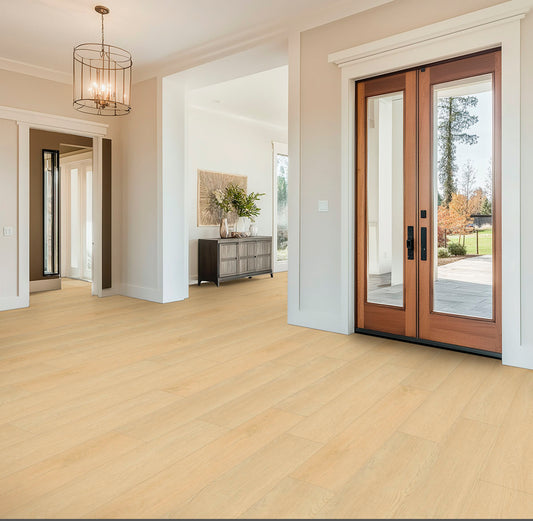
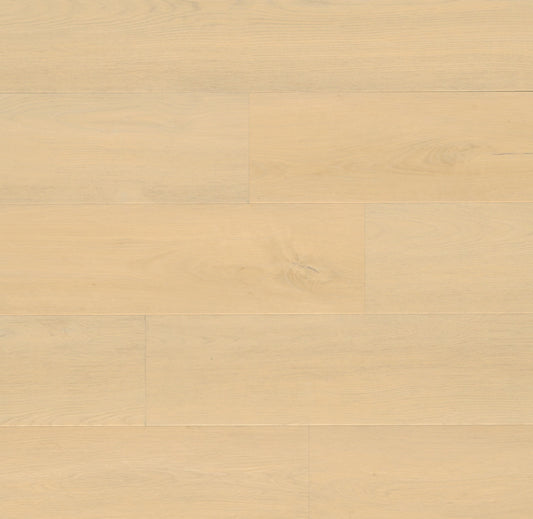
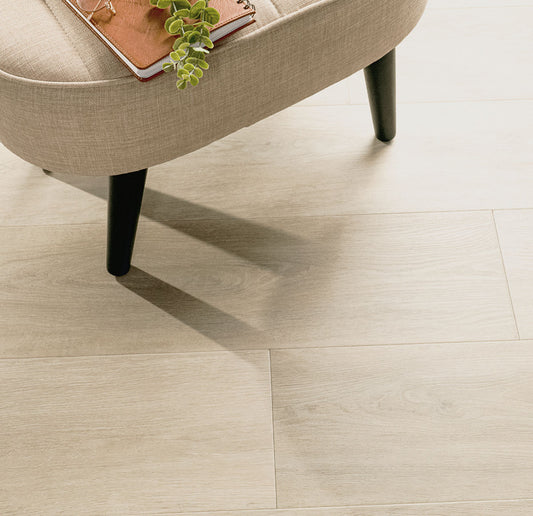
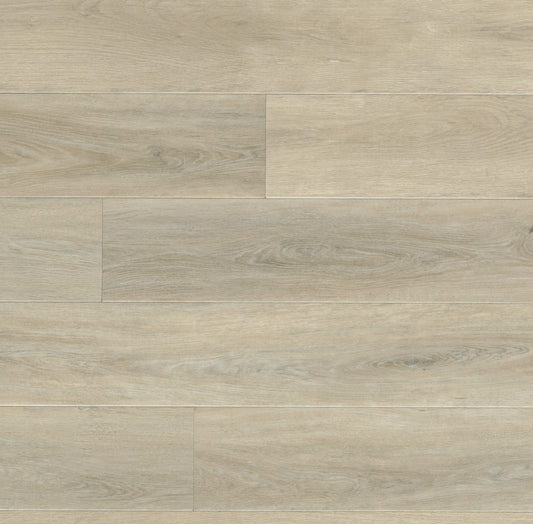
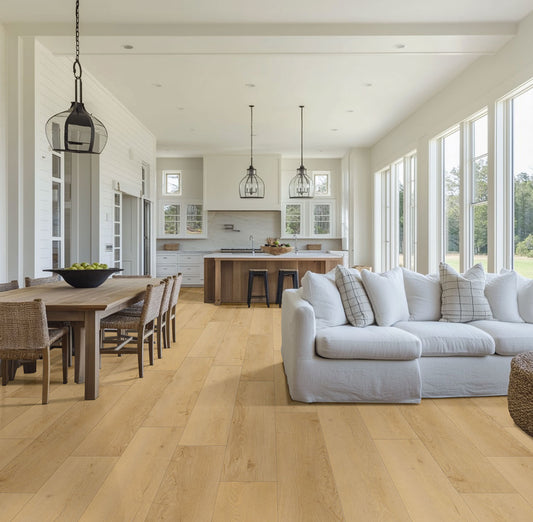
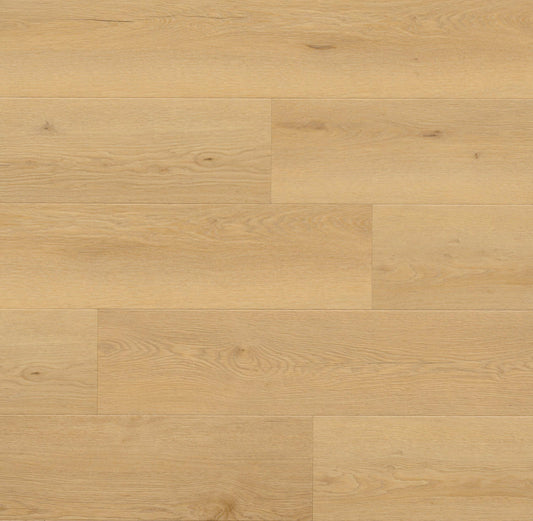
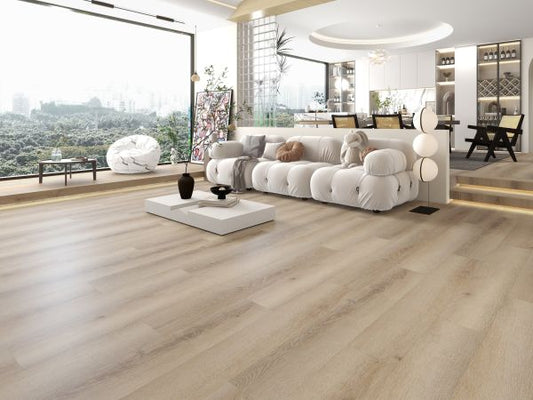
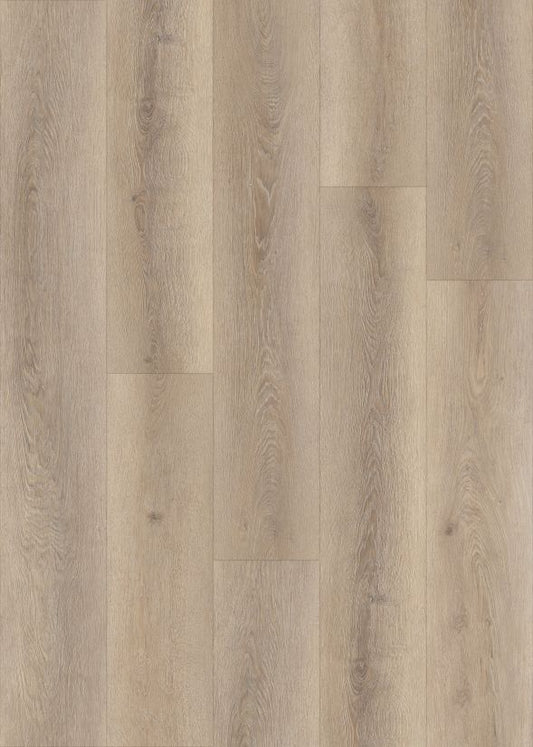
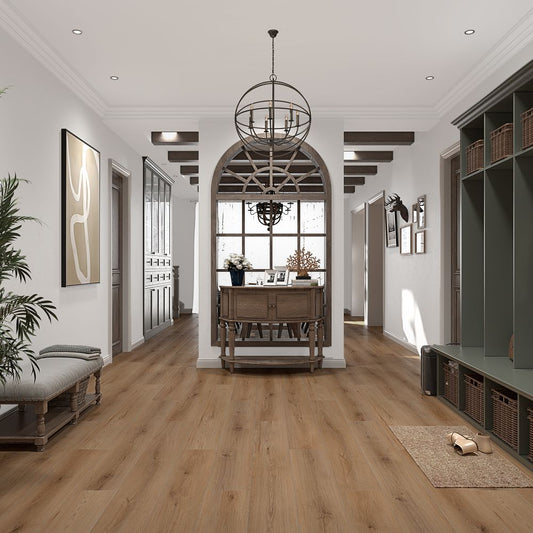
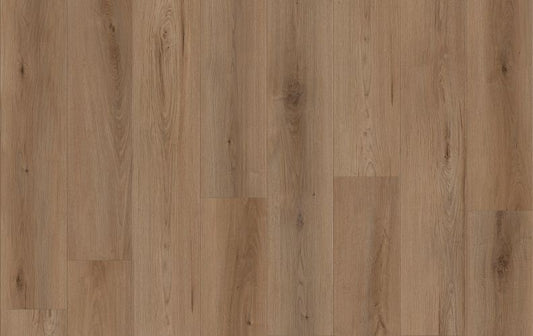

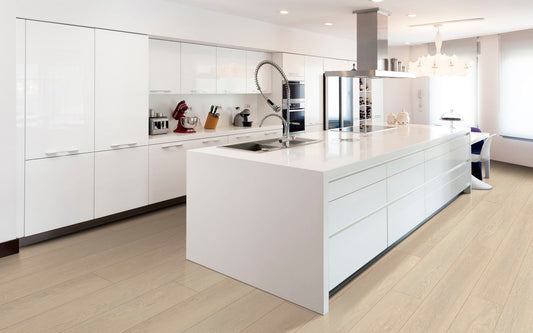

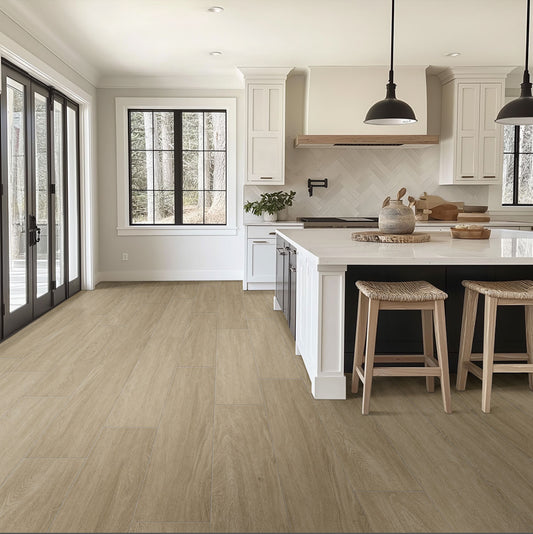
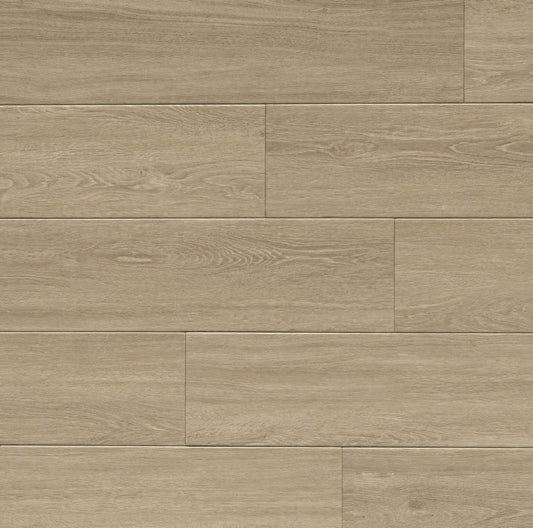
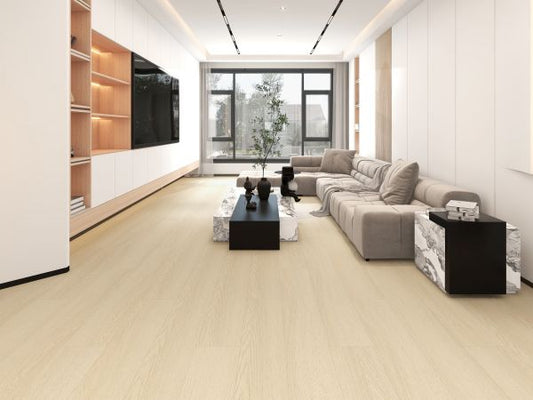


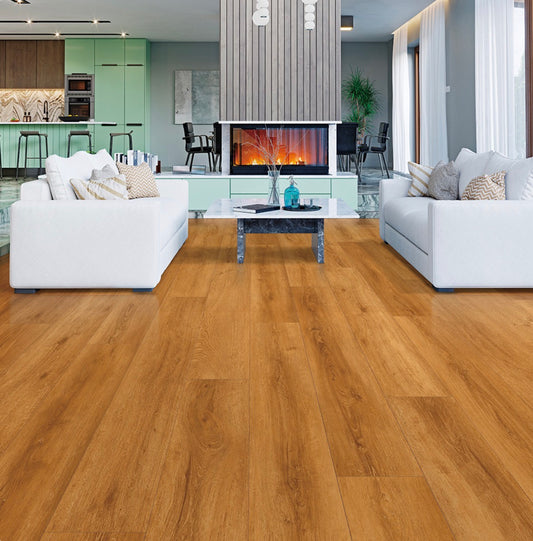
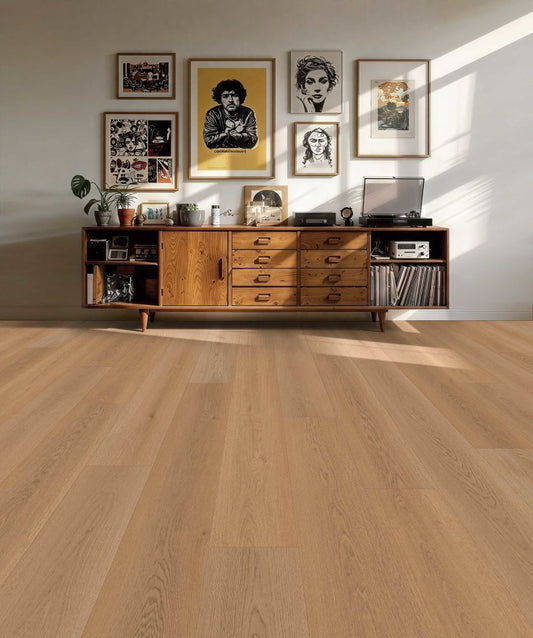
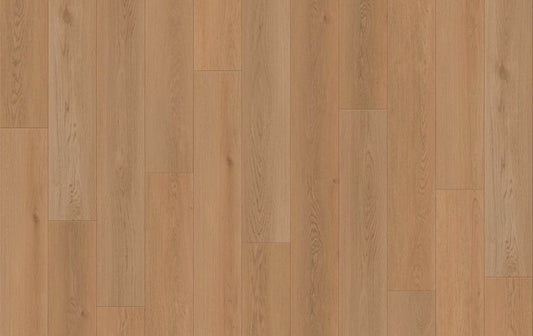
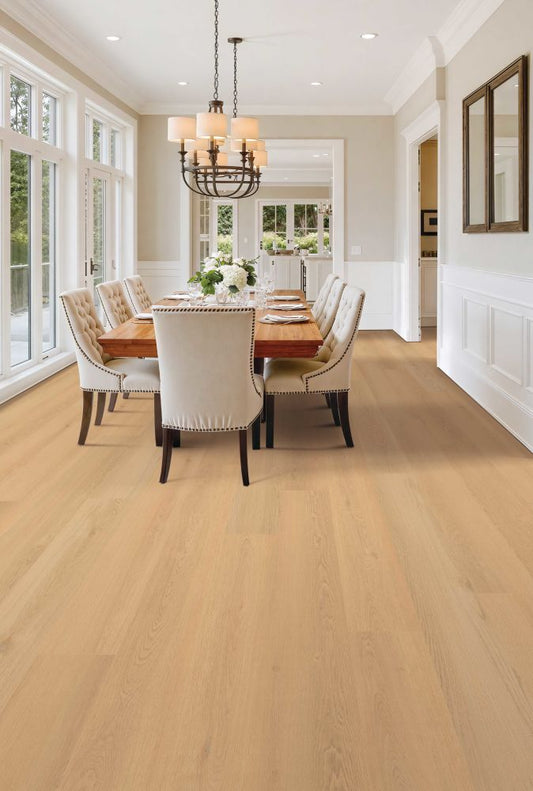

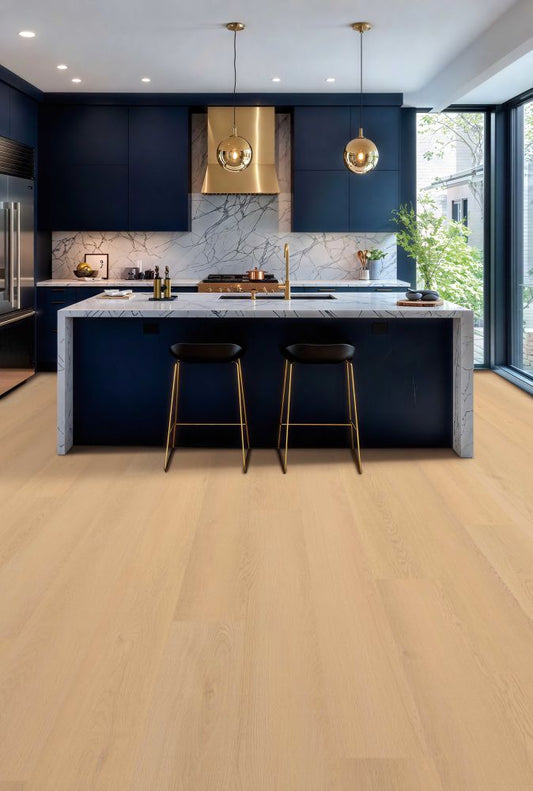
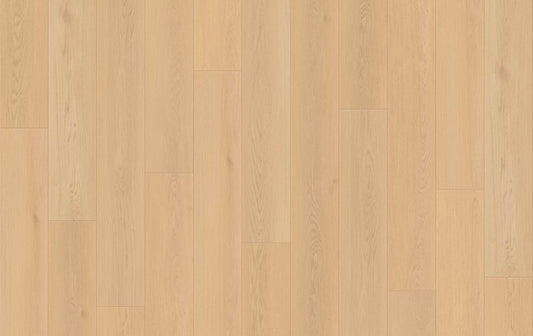
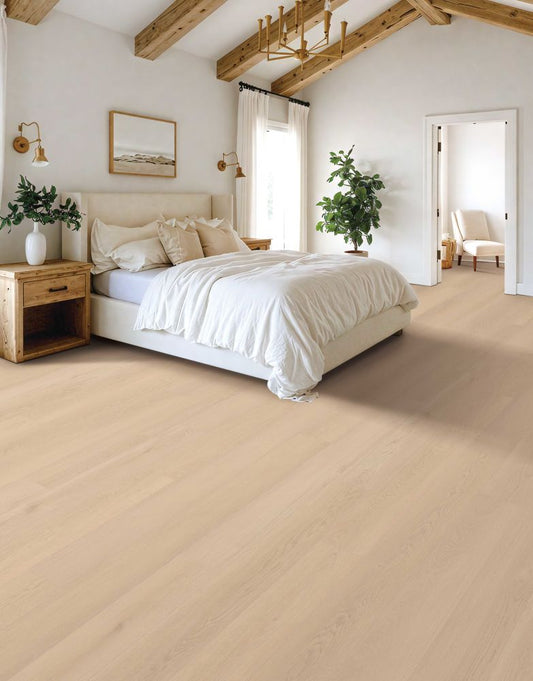
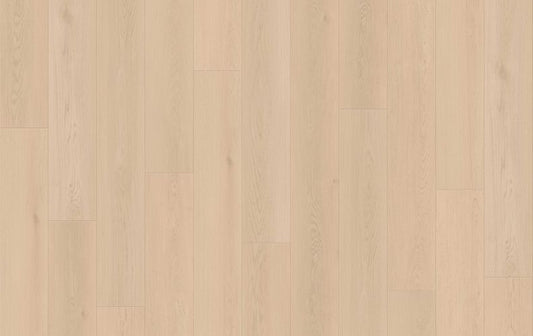
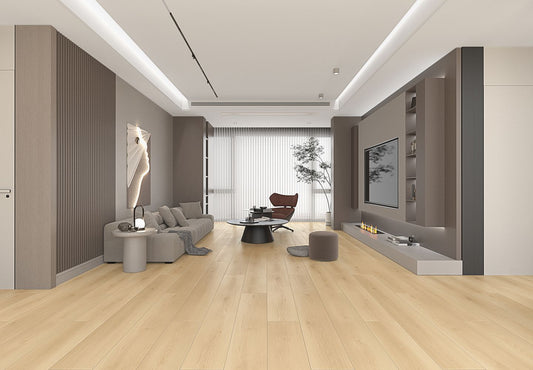
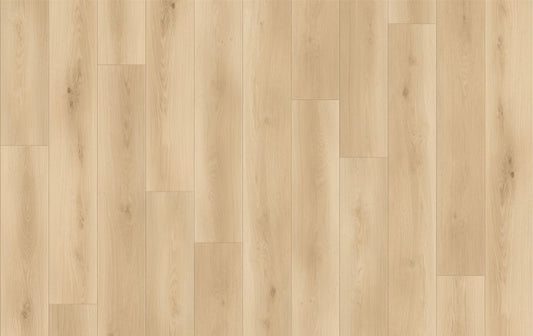
WPC Flooring for Three-Season Rooms
WPC flooring for three-season rooms is a specialized category requiring explicit manufacturer approval for the expected temperature, humidity, sunlight, moisture, and seasonal-use conditions. These rooms frequently operate outside the controlled environment maintained throughout the main home.
Standard indoor WPC should not be included simply because it is waterproof. Waterproof plank construction does not automatically provide resistance to freezing temperatures, extreme summer heat, open-air humidity, condensation, or prolonged seasonal shutdown.
Only products with written documentation supporting the actual three-season environment should qualify.
What Is a Three-Season Room?
A three-season room is typically an enclosed space used during spring, summer, and fall but not consistently heated or cooled through winter.
It may feature:
- Large windows
- Screened panels
- Exterior-grade doors
- Limited insulation
- Concrete slab
- Deck-style wood subfloor
- Seasonal furnishings
- No permanent HVAC
- Strong direct sunlight
- Wide temperature swings
- Higher humidity
- Periods without occupancy
Construction differs considerably between homes. Flooring approval must match actual conditions.
Three-Season Room Versus Four-Season Sunroom
A four-season room is generally integrated into the home’s permanent heating and cooling system. A three-season room may not remain within ordinary residential temperature ranges.
The distinction affects:
- Minimum winter temperature
- Maximum summer temperature
- Humidity
- Condensation
- Expansion and contraction
- Subfloor moisture
- Product storage
- Installation scheduling
- Seasonal closure
- Manufacturer approval
A product approved for a four-season room should not automatically be used in a three-season space.
Why Waterproof Is Not Enough
Waterproof WPC can resist water within the plank material, but three-season-room conditions involve more than surface spills.
Potential risks include:
- Freezing
- High heat
- Condensation
- Elevated humidity
- Rain intrusion
- Exterior-wall leaks
- Slab moisture
- Seasonal expansion
- Intense UV exposure
- Temperature cycling
Waterproof classification does not establish weather resistance or outdoor approval.
Temperature Requirements
Before purchasing, obtain the product’s:
- Minimum installation temperature
- Maximum installation temperature
- Minimum service temperature
- Maximum service temperature
- Acclimation procedure
- Seasonal shutdown requirements
- Radiant-heat limitations
- Storage conditions
- Temperature-change instructions
Do not install WPC that has been stored below or above the permitted range.
Freezing Conditions
Some three-season rooms reach freezing temperatures during winter. Unless a product carries explicit approval for those conditions, it should not be used.
Freezing may affect:
- Core dimensions
- Locking-system performance
- Impact resistance
- Expansion behavior
- Attached-pad behavior
- Installation joints
- Transition clearances
A waterproof plank is not automatically freeze-resistant.
Summer Heat
Closed three-season rooms can become extremely hot during direct sunlight. Floor-surface temperature may exceed the outdoor air temperature or thermostat reading.
Evaluate:
- Window direction
- Glass type
- Roof exposure
- Ventilation
- Window shades
- Dark floor colors
- Area rugs
- Furniture shadows
- Direct afternoon sun
- Maximum product temperature
Localized heat can create conditions outside the approved range.
Humidity and Condensation
Three-season rooms may experience condensation when warm, humid air contacts cool glass, slabs, or surfaces.
Moisture can collect:
- Along exterior walls
- Near windows
- At door thresholds
- Beneath furniture
- Along concrete
- Around metal framing
- Beneath area rugs
- Under floating flooring
Active moisture conditions should be corrected before installation.
Concrete Slabs
Many three-season rooms are built over concrete originally intended for a patio or porch. Before covering it, evaluate:
- Slab moisture
- Drainage
- Slope
- Cracks
- Flatness
- Exterior exposure
- Vapor protection
- Previous sealers
- Surface contamination
- Hydrostatic pressure
- Freeze-thaw damage
- Structural suitability
A slab designed to drain outdoors may not be suitable for floating WPC without substantial preparation.
Wood Subfloors
Three-season rooms built over decks or wood framing require inspection for:
- Structural support
- Exterior-grade construction
- Ventilation
- Moisture
- Rot
- Insect damage
- Panel movement
- Flatness
- Fastener security
- Rain intrusion
- Seasonal movement
WPC should not conceal a damaged or unsuitable wood structure.
Expansion Space
Seasonal temperature changes may increase movement concerns. Follow the exact requirements for:
- Perimeter expansion
- Door thresholds
- Wall edges
- Columns
- Floor vents
- Maximum continuous dimensions
- Transition profiles
- Fixed furniture
- Cabinets
- Exterior doors
Do not use additional sealant or reduce expansion space unless directed.
Installation Timing
The installation should occur under manufacturer-approved conditions. Avoid installing during periods when:
- Planks are excessively cold
- The room is overheated
- Humidity is outside limits
- Concrete remains wet
- Seasonal leaks are active
- The structure is incomplete
- Windows or doors are missing
- HVAC requirements are unmet
The room should be ready for flooring before cartons are opened.
Choosing an Appropriate Color
If approved products are available, possible visual directions include:
- Light natural oak
- Blonde
- Beige
- Greige
- Medium oak
- Driftwood
- Rustic brown
- Weathered gray
Lighter colors may absorb less visible solar heat than very dark floors, but color does not override the published temperature range.
Surface Texture
Matte and textured surfaces can create a practical casual appearance. Texture does not establish weather resistance or slip performance.
Three-season rooms may receive sand, pollen, moisture, and exterior debris. Regular approved cleaning remains important.
Attached Backing
Attached EVA or IXPE backing may provide resilient support. It does not:
- Prevent freezing damage
- Control room humidity
- Replace a vapor barrier
- Stop slab moisture
- Seal exterior walls
- Correct structural unevenness
- Provide outdoor approval
Furniture and Area Rugs
Area rugs and furniture can create uneven sunlight exposure. Over time, covered and uncovered flooring may age differently.
Use flooring-compatible rug pads and consider moving rugs periodically where appropriate.
Heavy fixed components should not pin a floating installation.
Routine Maintenance
Three-season-room care may include:
- Removing sand and grit
- Cleaning pollen
- Promptly drying condensation
- Inspecting window seals
- Maintaining exterior thresholds
- Using approved entrance mats
- Cleaning beneath furniture
- Monitoring seasonal leaks
- Following approved damp-cleaning methods
- Keeping the room within environmental limits
Alternative Flooring Considerations
If no WPC product carries approval for the room, another flooring system may be more suitable. Do not force an indoor floating floor into an unsupported environment because its appearance is preferred.
Material selection should follow:
- Environmental exposure
- Substrate
- Temperature range
- Moisture conditions
- Building construction
- Maintenance
- Manufacturer approval
Frequently Asked Questions
Can WPC flooring be installed in a three-season room?
Only products with explicit approval for the room’s temperature, humidity, sunlight, and seasonal conditions should be used.
Is waterproof WPC suitable for unheated rooms?
Not automatically. Waterproof construction does not establish approval for freezing or uncontrolled temperatures.
Can WPC survive winter in an unheated porch?
Only when the manufacturer expressly approves the expected minimum temperature.
Does direct sunlight affect WPC flooring?
Strong sunlight may create heat and UV exposure beyond product limits.
Can WPC go over a three-season-room concrete slab?
Only when both the product and prepared slab satisfy all structural, flatness, moisture, and environmental requirements.
Does attached pad protect WPC from a cold slab?
It may affect underfoot feel, but it does not override temperature or moisture limits.
Should the room be climate controlled during installation?
It must remain within the installation conditions specified by the manufacturer.
Can indoor WPC be used on a screened porch?
Not unless the exact product carries written approval for that environment.
Does a lighter color make WPC safe for hot rooms?
No. Color does not replace manufacturer temperature approval.
What should I do if product documentation is unclear?
Do not assume compatibility. Request written confirmation or select flooring explicitly approved for the space.
Explore related flooring
Browse related flooring collections, brands and styles before making your final choice.