
Collection: WPC Flooring for Laundry Rooms
Shop WPC flooring for laundry rooms with waterproof plank materials and manufacturer approval for eligible utility spaces. Compare appliance requirements, wear layers, surface textures, total thicknesses, attached pads, locking systems, and wood-look colors.
-
Seaside Summit Sandstone whisper 30mil 10mm 9.5x84 WPC Vinyl Plank
Vendor:Lions FloorRegular price From $0.00 USDRegular priceUnit price $4.39/ft² -
United Weavers Heritage Grace- 22mil 10mm 9x60 Waterproof WPC Vinyl Plank flooring
Vendor:United WeaversRegular price From $0.00 USDRegular priceUnit price $4.49/ft² -
Seaside Summit Pebble Shimmer 30mil 10mm 9.5x84 WPC Vinyl Plank
Vendor:Lions FloorRegular price From $0.00 USDRegular priceUnit price $4.39/ft² -
Wayne Parc Macland 22mil 10mm 9x60 WPC Vinyl Plank | MSI
Vendor:MSI EverlifeRegular price From $0.00 USDRegular priceUnit price $3.99/ft² -
United Weavers Heritage Cityscape- 22mil 10mm 9x60 Waterproof WPC Vinyl Plank flooring
Vendor:United WeaversRegular price From $0.00 USDRegular priceUnit price $4.49/ft² -
Revival Midtown 30 mil 12mm 9X60 WPC | United Weavers / Caspar Flooring Direct
Vendor:United WeaversRegular price From $0.00 USDRegular priceUnit price $4.99/ft² -
Seaside Summit Sunshine Sparkle 30mil 10mm 9.5x84 WPC Vinyl Plank
Vendor:Lions FloorRegular price From $0.00 USDRegular priceUnit price $4.39/ft² -
Wayne Parc Elwood 22mil 10mm 9x60 WPC Vinyl Plank | MSI
Vendor:MSI EverlifeRegular price From $0.00 USDRegular priceUnit price $3.99/ft² -
United Weavers Heritage Artisan - 22mil 10mm 9x60 Waterproof WPC Vinyl Plank flooring
Vendor:United WeaversRegular price From $0.00 USDRegular priceUnit price $4.49/ft² -
Revival Haven 30 mil 12mm 9X60 WPC | United Weavers / Caspar Flooring Direct
Vendor:United WeaversRegular price From $0.00 USDRegular priceUnit price $4.99/ft² -
Revival Realm 30 mil 12mm 9X60 WPC | United Weavers / Caspar Flooring Direct
Vendor:United WeaversRegular price From $0.00 USDRegular priceUnit price $5.49/ft² -
Seaside Summit Seaglass luster30mil 10mm 9.5x84 WPC Vinyl Plank
Vendor:Lions FloorRegular price From $0.00 USDRegular priceUnit price $4.39/ft² -
Seaside Summit Seashell radiance 30mil 10mm 9.5x84 WPC Vinyl Plank
Vendor:Lions FloorRegular price From $0.00 USDRegular priceUnit price $4.39/ft² -
Seaside Summit Beach Blessing 30mil 10mm 9.5x84 WPC Vinyl Plank
Vendor:Lions FloorRegular price From $0.00 USDRegular priceUnit price $4.39/ft² -
Wayne Parc Reserve Mellshire 30mil 12mm 9x72 WPC Vinyl Plank | MSI
Vendor:MSI EverlifeRegular price From $0.00 USDRegular priceUnit price $5.29/ft² -
Wayne Parc Waldron 22mil 10mm 9x60 WPC Vinyl Plank | MSI
Vendor:MSI EverlifeRegular price From $0.00 USDRegular priceUnit price $4.59/ft²


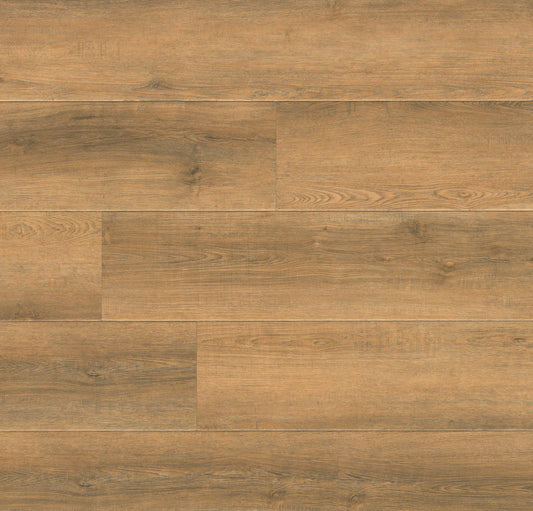
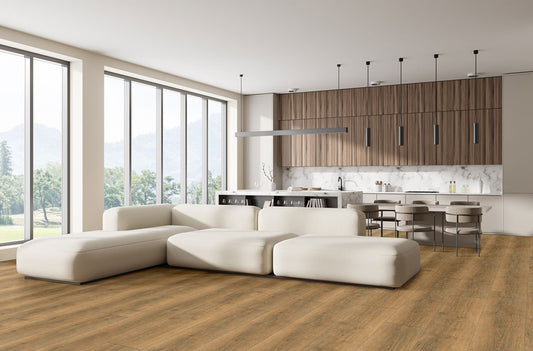
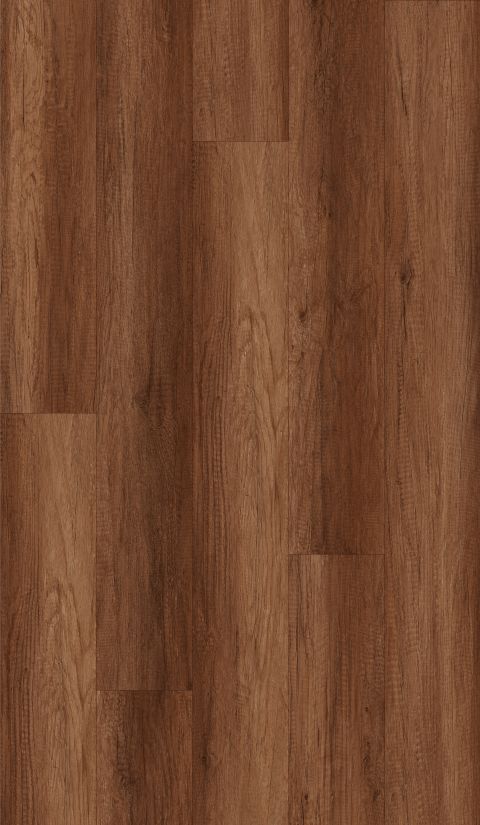
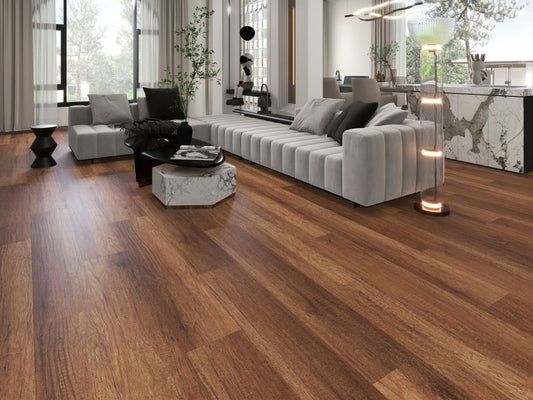
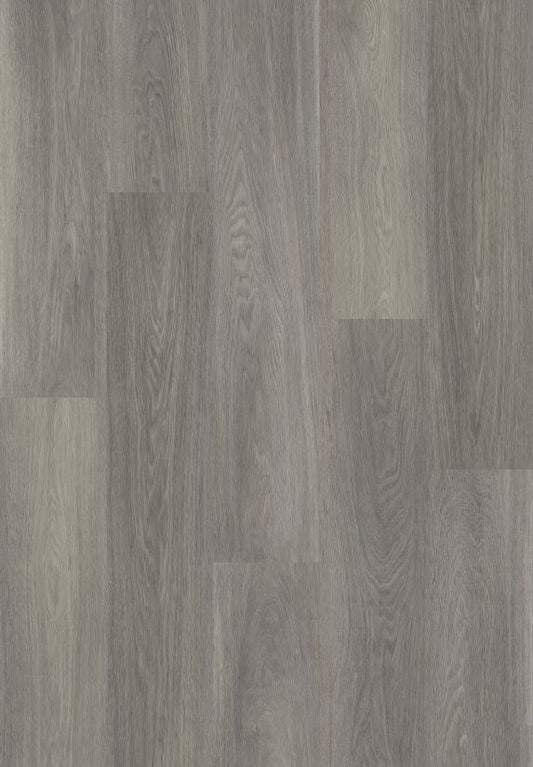
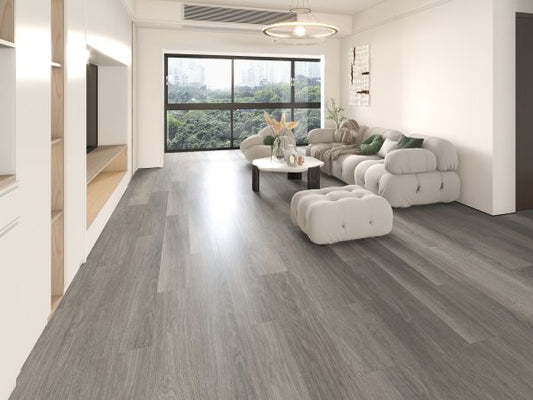

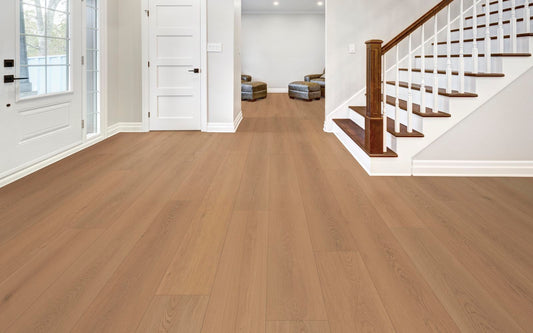
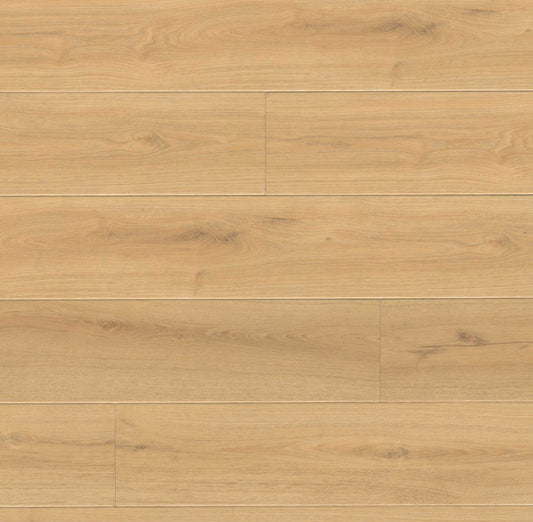
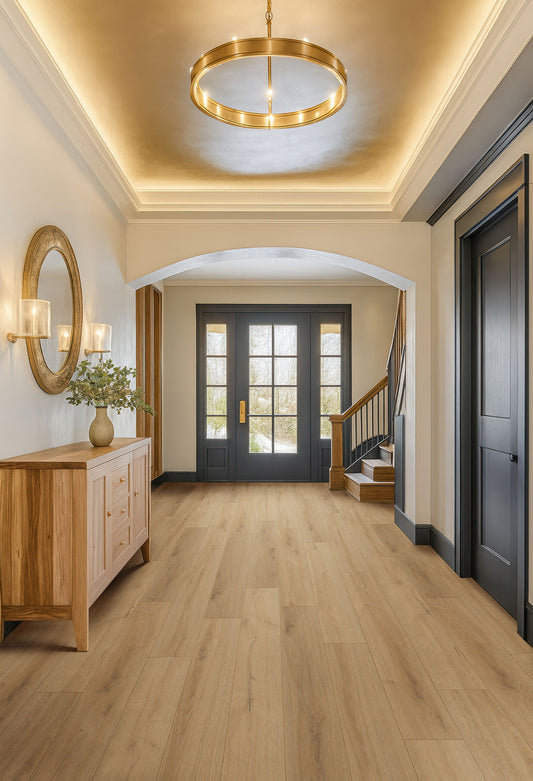
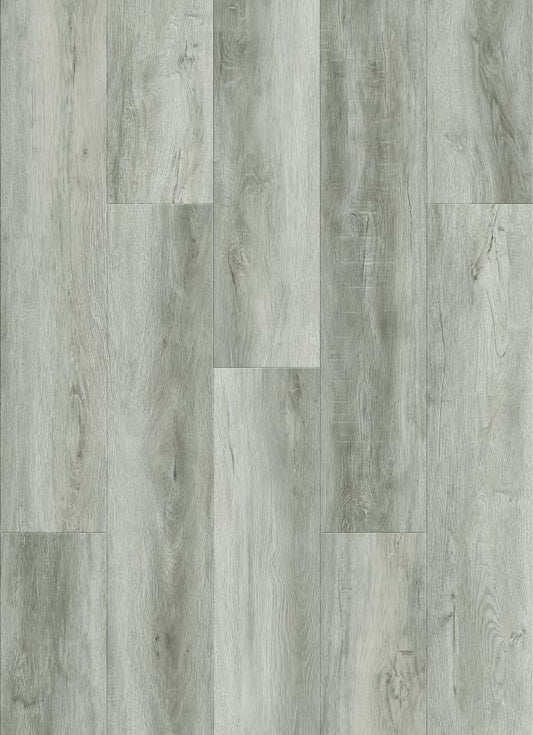
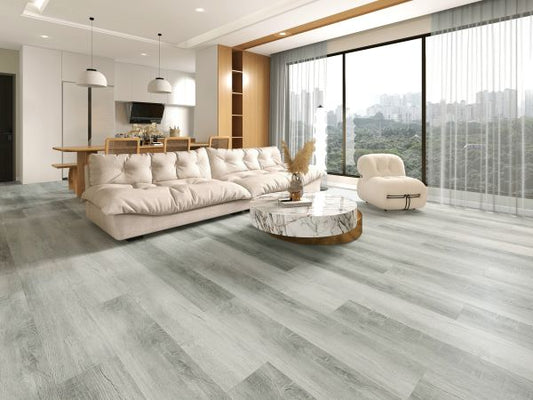
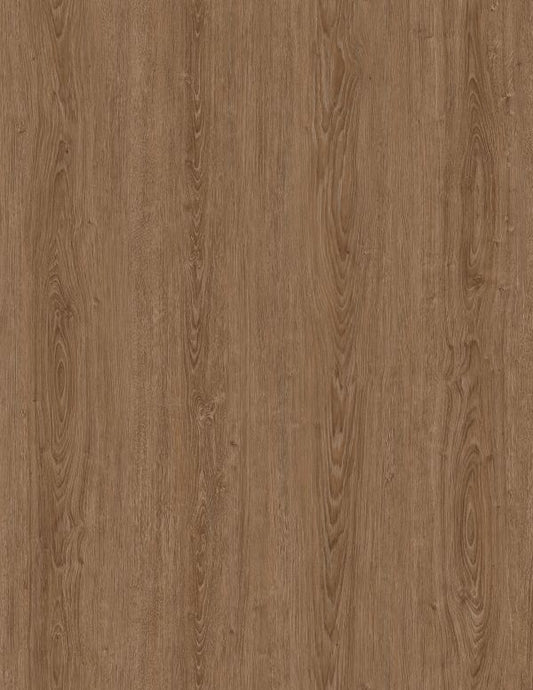




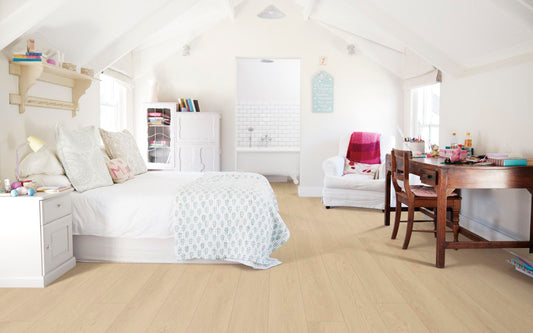
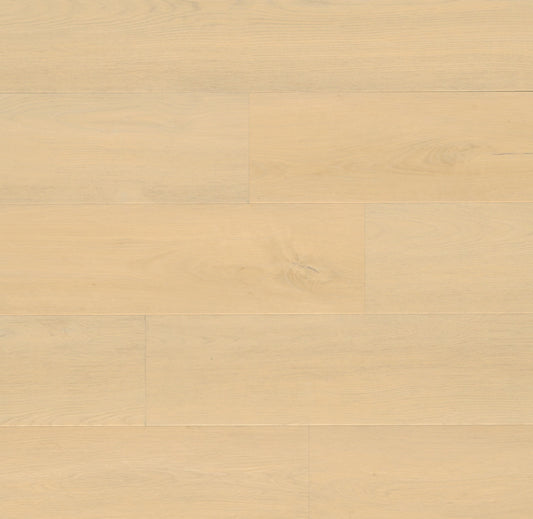
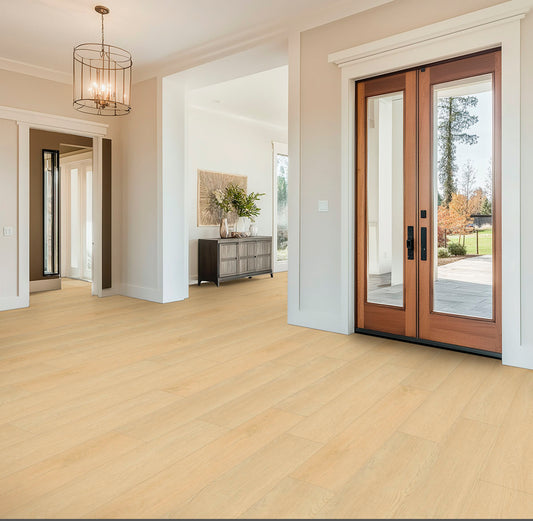
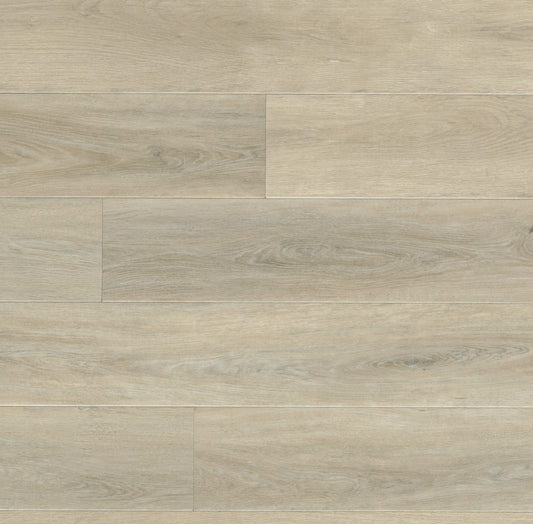
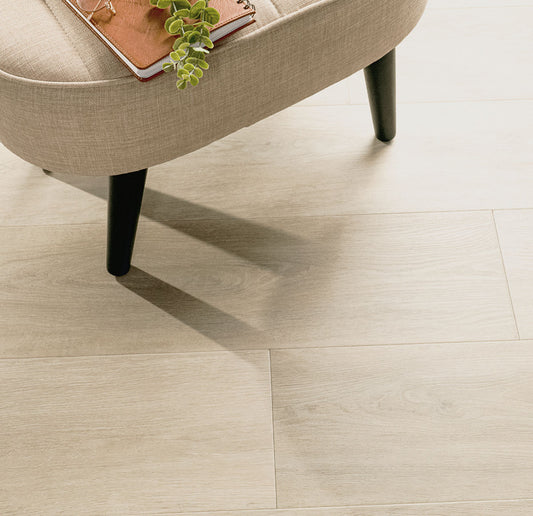
WPC Flooring for Laundry Rooms
WPC flooring for laundry rooms combines waterproof plank materials with comfortable composite construction and realistic wood visuals. It may be a practical choice for eligible residential utility spaces where the floor encounters damp clothing, small detergent spills, occasional drips, and regular household traffic.
Laundry rooms also present risks that extend beyond everyday surface moisture. Washing-machine leaks, damaged supply hoses, drain backups, overflowing utility sinks, appliance vibration, and concentrated equipment loads can affect the flooring, subfloor, walls, and surrounding rooms.
Only WPC products with manufacturer approval for the intended laundry-room installation should qualify.
Why Consider WPC for a Laundry Room?
Depending on the product, potential benefits may include:
- Waterproof plank construction
- Comfortable underfoot character
- Attached backing
- Realistic wood appearance
- Easy routine cleanup
- Durable wear layers
- Matte or textured finishes
- Click-lock installation
- Coordination with hallways or kitchens
- Wide-plank options
- Multiple neutral colors
- Approved installation over prepared concrete or plywood
The product must still meet the specific appliance, room, and substrate requirements.
Waterproof Flooring and Appliance Leaks
Waterproof WPC can resist ordinary water exposure within the plank material. It does not mean a washing-machine leak becomes harmless.
Water can travel:
- Around room perimeters
- Beneath appliances
- Through doorway transitions
- Along plumbing penetrations
- Beneath floating planks
- Into plywood
- Across concrete
- Behind baseboards
- Into adjacent rooms
- Beneath cabinets
A major leak may require flooring removal so the substrate and building assembly can be inspected and dried correctly.
Washing-Machine Weight and Vibration
Washing machines create concentrated loads and vibration, particularly during spin cycles. Before installation, verify:
- Appliance weight
- Loaded operating weight
- Foot design
- Machine stability
- Manufacturer rolling-load guidance
- Floating-floor restrictions
- Protective-mat compatibility
- Floor flatness
- Locking-system requirements
- Equipment-clearance needs
An unlevel washing machine can create unnecessary vibration and movement.
Moving Appliances Over WPC
Do not drag washing machines or dryers directly across finished WPC flooring. Appliance feet and sharp edges can scratch, gouge, or break the plank surface and joints.
Use:
- Approved appliance-moving equipment
- Hard protective panels
- Load-distributing devices
- Multiple people where appropriate
- Flooring-compatible mats
- Clean pathways
- Professional appliance installers
Ensure that equipment wheels, dollies, and protective materials are clean and free from grit.
Can Appliances Sit on Floating WPC?
Product requirements vary. Some manufacturers permit residential appliances over floating flooring, while others establish limitations around weight, movement, or fixed components.
Verify:
- Whether the washer and dryer may sit over the floor
- Whether the floor can move freely
- Whether cabinets should be installed first
- Whether appliance mats are permitted
- Whether additional expansion space is required
- Whether the equipment can be removed later
- Whether vibration affects installation coverage
Permanent cabinets should not pin a floating floor when prohibited.
Drain Pans and Leak Detection
Depending on the home and appliance setup, homeowners may consider:
- Washing-machine drain pan
- Leak sensor
- Automatic shutoff valve
- Braided supply hoses
- Accessible shutoff valves
- Routine hose inspection
- Proper drain connection
- Professional plumbing installation
These measures do not replace flooring requirements but may reduce the risk of severe water damage.
Laundry-Room Subfloor Preparation
The subfloor should be:
- Flat within published tolerance
- Structurally sound
- Clean
- Dry as required
- Free from active leaks
- Properly patched
- Securely fastened
- Moisture tested where applicable
- Compatible with the WPC product
- Able to support the appliances
An uneven floor can contribute to appliance instability and locking-joint movement.
WPC Over Concrete Laundry Floors
Selected products may be installed over prepared concrete. The slab may require:
- Moisture testing
- Crack evaluation
- Flatness correction
- Surface cleaning
- Approved patching
- Vapor protection
- Removal of contaminants
- Repair of active water intrusion
Waterproof planks do not eliminate concrete moisture requirements.
WPC Over Plywood Laundry Floors
Plywood should be:
- Dry
- Structurally supported
- Securely fastened
- Free from swollen edges
- Free from water damage
- Flat
- Clean
- Properly repaired
Previous washing-machine leaks may have affected plywood beneath existing flooring. Damage should be corrected rather than concealed.
Choosing a Wear Layer
Laundry rooms may experience regular traffic, appliance servicing, laundry baskets, rolling carts, and dropped household items.
Compare:
- Wear-layer thickness
- Surface coating
- Scratch-resistance claims
- Texture
- Finish sheen
- Residential classification
- Commercial approval where relevant
- Cleaning requirements
No wear layer makes the floor immune to appliance damage.
Choosing a Practical Color
Suitable visual directions may include:
- Natural oak
- Medium beige
- Greige
- Medium brown
- Textured white oak
- Varied wood grain
- Soft gray
Medium-tone, varied flooring may conceal ordinary lint, dust, and small debris better than very dark or extremely light uniform floors.
Surface Texture
A moderate texture can create a natural appearance and may help conceal minor marks. Deep embossing may require more detailed vacuuming around laundry lint.
Use a hard-floor vacuum and approved microfiber cleaning tools.
Attached Backing
Attached EVA or IXPE backing may contribute to:
- Resilient support
- Underfoot comfort
- Reduced contact sound
- Separation from the substrate
- Consistent factory-applied coverage
It does not contain leaks, replace a drain pan, correct unevenness, or substitute for required concrete vapor protection.
Finished-Floor Height
Laundry-room flooring height can affect:
- Appliance clearance
- Utility-sink height
- Cabinet clearance
- Exterior or hallway doors
- Floor drains
- Transition strips
- Baseboards
- Appliance removal
- Access panels
- Dryer vents
Ensure appliances can be removed after installation without damaging the floor or cabinets.
Cleaning Detergent and Other Spills
Laundry products may leave residue or discolor some flooring surfaces.
Clean promptly after spills involving:
- Laundry detergent
- Bleach
- Fabric softener
- Stain remover
- Cleaning chemicals
- Dryer products
- Pet-cleaning products
- Utility-sink waste
Follow manufacturer care instructions. Do not mix cleaning chemicals.
Frequently Asked Questions
Is WPC flooring suitable for laundry rooms?
Selected products may be suitable when the manufacturer approves the space and all appliance, substrate, and installation requirements are followed.
Can a washer and dryer sit on floating WPC?
Requirements vary. Verify product guidance concerning equipment weight, vibration, fixed objects, and protective mats.
Will waterproof WPC survive a washing-machine leak?
The planks may resist water, but moisture can reach the subfloor, walls, transitions, and adjacent rooms.
Should a drain pan be used beneath a washing machine?
A suitable drain pan may help manage leaks where appropriate, but plumbing and flooring requirements should be reviewed.
Can appliances be dragged across WPC flooring?
No. Use approved moving equipment and hard surface protection.
Does attached backing reduce washing-machine vibration?
It may influence contact sound, but it is not designed to correct an unstable or improperly leveled appliance.
Can laundry-room WPC be installed over concrete?
Selected products can when the slab meets all flatness, moisture, and vapor requirements.
Does the laundry room need additional underlayment?
Many WPC products include attached backing and may prohibit extra cushioning.
Can bleach damage WPC flooring?
Harsh chemicals may damage or discolor finishes. Clean spills promptly using the approved procedure.
Is WPC flooring waterproof beneath the appliances?
The plank material may be waterproof, but the installation and surrounding room are not a sealed containment system.
Explore related flooring
Browse related flooring collections, brands and styles before making your final choice.