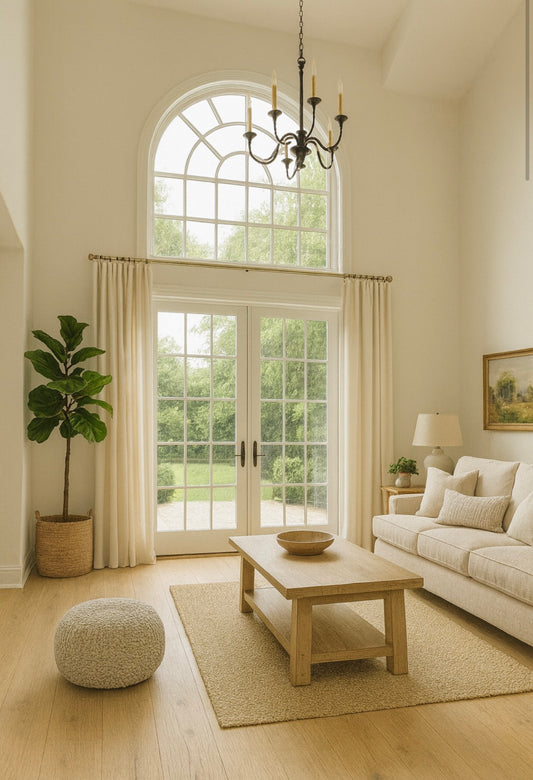
Wire-Brushed Engineered Hardwood Flooring
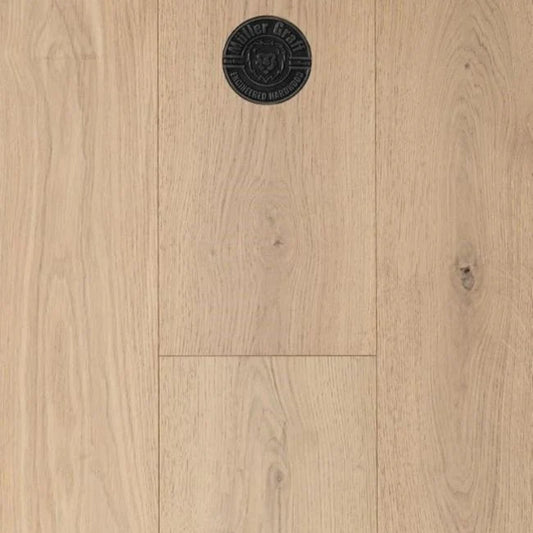
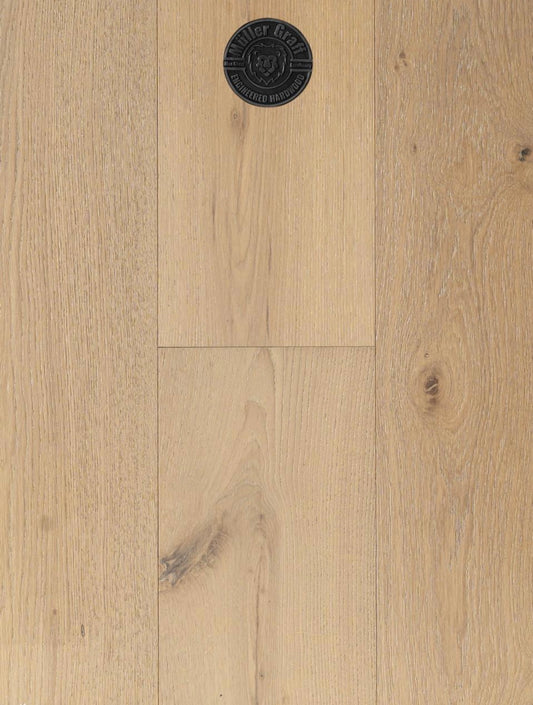
Wire-brushed engineered hardwood flooring uses controlled surface brushing to remove portions of the softer wood grain and emphasize the harder grain structure.
The result is a textured genuine wood surface with visible depth, natural variation, and a less uniform appearance than conventional smooth hardwood.
Only products officially described as wire brushed should qualify. Hand-scraped, distressed, band-sawn, and embossed surfaces should not be treated as identical textures.
How Wire Brushing Changes the Surface
During manufacturing, specialized brushes pass across the hardwood veneer. The process highlights the grain rather than printing or embossing an artificial pattern.
Depending on the species and brushing intensity, the surface may display:
- Raised grain
- Open pores
- Natural ridges
- Tonal depth
- Enhanced knots
- Rustic character
- Subtle shadowing
- Greater tactile variation
- Finish accumulation within the grain
- Board-to-board differences
Wire brushing should enhance genuine wood rather than reproduce a perfectly uniform pattern.
Benefits of Wire-Brushed Hardwood
Wire-brushed engineered hardwood may provide:
- Visible natural grain
- Tactile wood texture
- Contemporary or rustic styling
- Reduced emphasis on minor surface marks
- Strong compatibility with matte finishes
- Natural oak appearance
- Character-rich wide planks
- Distinctive tonal variation
- Less reflective surfaces
- Premium residential appeal
The texture does not make hardwood scratch-proof, waterproof, or maintenance-free.
Wire-Brushed Versus Smooth Hardwood
Smooth hardwood has a flatter, more uniform surface and may create a refined or formal appearance.
Wire-brushed flooring generally offers:
- More noticeable grain
- Greater tactile texture
- More natural shadowing
- Less uniform reflection
- Stronger rustic or organic character
Smooth flooring may be easier to wipe because it contains fewer textured recesses. Wire-brushed flooring may require more attention when removing fine debris.
Wire-Brushed Versus Hand-Scraped
Hand-scraped flooring uses broader undulations or scraping marks designed to create an aged or worked appearance.
Wire-brushed flooring primarily follows and exposes the natural grain structure.
A floor may be:
- Wire brushed
- Hand scraped
- Both wire brushed and hand scraped
- Lightly distressed
- Band sawn
- Manufacturer-specific in texture
Review the official product description rather than assigning a texture based only on photography.
Oak and European Oak
Oak is particularly common for wire-brushed engineered hardwood because its open and recognizable grain responds visibly to brushing.
Available styles may include:
- Natural white oak
- European oak
- Blonde oak
- Warm beige
- Soft greige
- Honey brown
- Smoked oak
- Medium brown
- Dark oak
- Rustic character oak
Species, grade, stain, reactive treatments, and finish all affect the final appearance.
Matte and Low-Gloss Finishes
Wire-brushed surfaces are often paired with matte or low-gloss finishes. Reduced reflection can highlight grain and create a more natural appearance.
Finish systems may include:
- UV-cured urethane
- Aluminum-oxide-enhanced urethane
- UV-cured oil
- Hardwax oil
- Manufacturer-specific protective coatings
Finish type affects care, recoating, stain resistance, and repair options. Follow the manufacturer’s maintenance instructions.
Cleaning Wire-Brushed Hardwood
Routine care may include:
- Vacuuming loose grit
- Using a hardwood-floor attachment
- Cleaning with approved products
- Using clean microfiber pads
- Removing spills promptly
- Cleaning along the grain
- Avoiding excessive water
- Avoiding steam mops
- Protecting furniture feet
- Maintaining indoor humidity
Unapproved wax, oil, soap, or polish can accumulate within textured grain and change the appearance.
Homes With Pets
A textured, low-gloss surface may make small marks less visually prominent than a smooth, highly reflective finish. However, genuine hardwood can still scratch and dent.
Helpful precautions include:
- Trimming pet nails
- Using entry mats
- Removing grit regularly
- Cleaning accidents promptly
- Protecting feeding areas
- Avoiding rubber-backed mats unless approved
- Maintaining the factory finish
- Following warranty requirements
No genuine hardwood should be promoted as pet-proof.
Refinishing Considerations
Wire brushing removes a controlled amount of soft grain during manufacturing. Aggressive sanding may reduce or eliminate the original texture.
Professional refinishing depends on:
- Veneer thickness
- Existing texture depth
- Bevel construction
- Remaining wood above the tongue
- Finish chemistry
- Damage depth
- Installation method
- Manufacturer guidance
Restoring the original wire-brushed appearance may require specialized professional equipment and finishing experience.
Frequently Asked Questions
What is wire-brushed engineered hardwood?
It is genuine engineered wood flooring whose surface has been brushed to emphasize the natural grain.
Is wire-brushed hardwood rough?
Texture varies. Some products are subtly brushed, while others have deeper and more noticeable grain.
Does wire-brushed hardwood hide scratches?
It may make minor marks less visually prominent, but it does not prevent scratching.
Is wire-brushed flooring difficult to clean?
It may hold more fine debris than a completely smooth surface, but regular vacuuming and approved cleaning are generally effective.
Is wire-brushed flooring real wood?
Yes. Qualifying products have genuine hardwood veneers supported by engineered cores.
Can it be refinished?
Selected products may be refinished, depending on veneer thickness and manufacturer guidance.
Does refinishing remove the texture?
Conventional sanding may reduce or eliminate wire-brushed texture.
Is wire-brushed hardwood waterproof?
No. Genuine hardwood requires moisture control and prompt spill cleanup.
Is it suitable for modern homes?
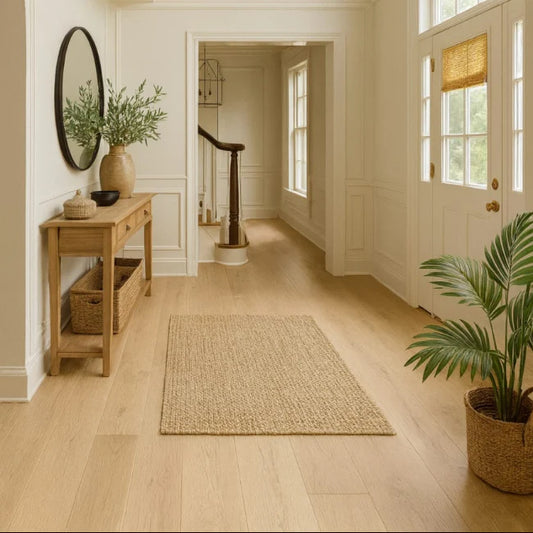
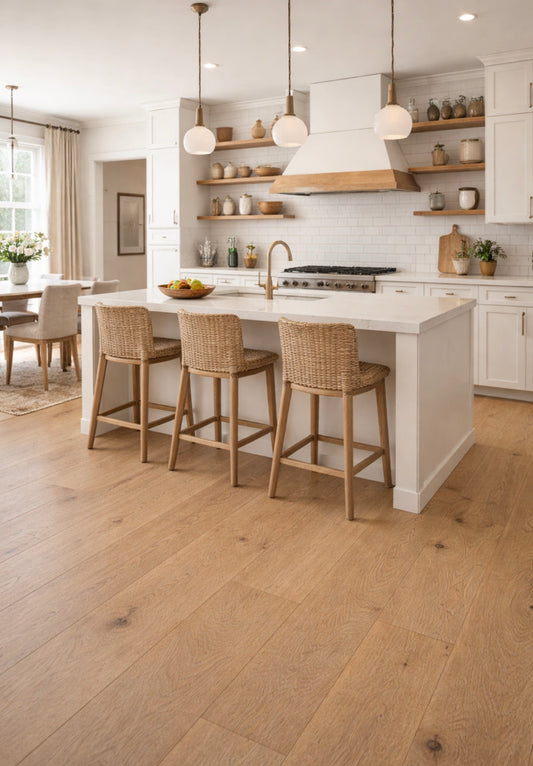
Yes. Wire-brushed oak is widely used in modern, transitional, rustic, and organic interiors.
Should a sample be ordered first?
Yes. A physical sample helps evaluate texture, gloss, color, and natural variation under the room’s lighting.