
Collection: Scratch-Resistant Laminate Flooring
Shop scratch-resistant laminate flooring with durable wear surfaces and realistic hardwood-inspired designs for active households. Compare verified scratch protection, AC ratings, thicknesses, textures, plank sizes, moisture ratings, and colors.
-
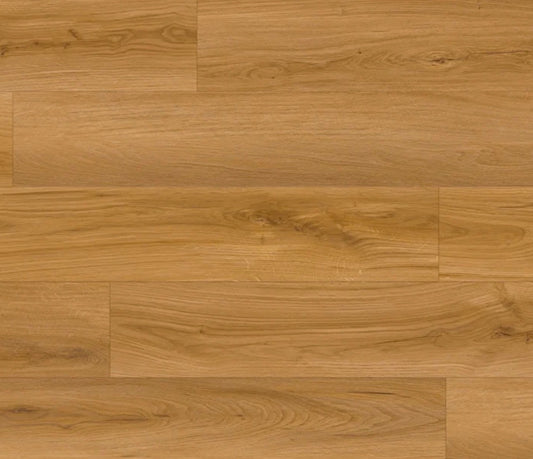
Comfort Heights - River Walk | AC4 12mm 9x60 Laminate | Lions Floor
Vendor:Lions FloorRegular price From $0.00 USDRegular priceUnit price $3.99/ft² -
Comfort Heights - Maple Garden | AC4 12mm 9x60 Laminate | Lions Floor
Vendor:Lions FloorRegular price From $0.00 USDRegular priceUnit price $3.99/ft² -
Comfort Heights - Baywood Place |AC4 12mm 9x60 Laminate | Lions Floor
Vendor:Lions FloorRegular price From $0.00 USDRegular priceUnit price $4.19/ft² -
Comfort Heights - Village Park | AC4 12mm 9x60 Laminate | Lions Floor
Vendor:Lions FloorRegular price From $0.00 USDRegular priceUnit price $3.99/ft² -
Haven Heights Parkside Lane AC3 10mm 9.25x60 Laminate
Vendor:Lions FloorRegular price From $0.00 USDRegular priceUnit price $3.39/ft² -
Comfort Heights - County Aura | AC4 12mm 9x60 Laminate | Lions Floor
Vendor:Lions FloorRegular price From $0.00 USDRegular priceUnit price $3.89/ft² -
Bear Woods - Crystal Yellow | 12mm AC5 Waterproof Laminate Flooring | 9” x 72” Extra Long Planks
Vendor:Republic FloorsRegular price From $0.00 USDRegular priceUnit price $4.09/ft² -
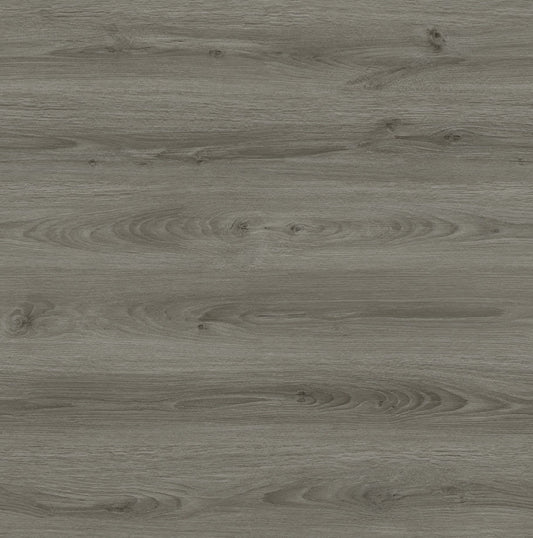
Malta Islands - Ash Grey | AC4 12.3mm 7.75x48 Waterproof Laminate | Republic Floor
Vendor:Republic FloorsRegular price From $0.00 USDRegular priceUnit price $3.95/ft² -
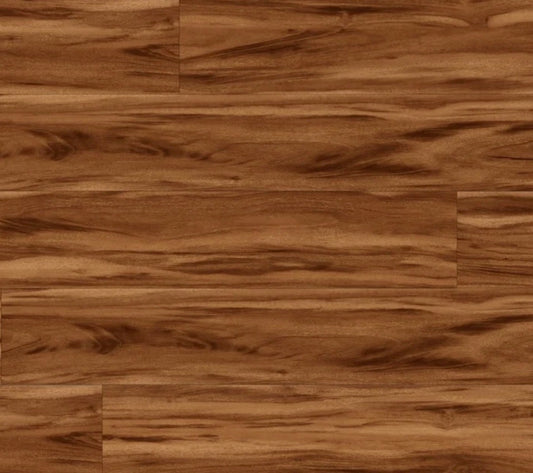
Platinum - Brazilian Tigerwood | AC4 12.3mm 5.5x48 Laminate | Republic Floors
Vendor:Republic FloorsRegular price From $0.00 USDRegular priceUnit price $3.29/ft² -
Comfort Heights - Cedar View | AC4 12mm 9x60 Laminate | Lions Floor
Vendor:Lions FloorRegular price From $0.00 USDRegular priceUnit price $3.89/ft² -
Comfort Heights - Pine Ridge | AC4 12mm 9x60 Laminate | Lions Floor
Vendor:Lions FloorRegular price From $0.00 USDRegular priceUnit price $3.89/ft² -
Comfort Heights - City Pointe | AC4 12mm 9x60 Laminate | Lions Floor
Vendor:Lions FloorRegular price From $0.00 USDRegular priceUnit price $3.89/ft² -
Comfort Heights - Camden Ridge | AC4 12mm 9x60 Laminate | Lions Floor
Vendor:Lions FloorRegular price From $0.00 USDRegular priceUnit price $3.89/ft² -
Black Forest Collection - Shadow Oak | AC4 12mm 7.7x51 | Waterproof Laminate - Muller Graff
Vendor:Muller GraffRegular price From $0.00 USDRegular priceUnit price $3.39/ft² -
Bear Woods - Bianco Romano | 12mm AC5 Waterproof Laminate Flooring | 9” x 72” Extra Long Planks
Vendor:Republic FloorsRegular price From $0.00 USDRegular priceUnit price $4.09/ft² -
Haven Heights Harbor Court AC3 10mm 9.25x60 Laminate (Pad Attached)
Vendor:Lions FloorRegular price From $0.00 USDRegular priceUnit price $3.40/ft²

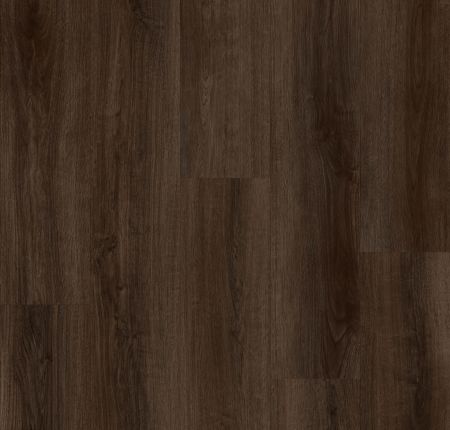
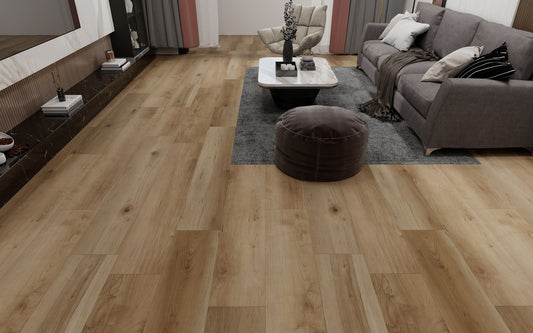
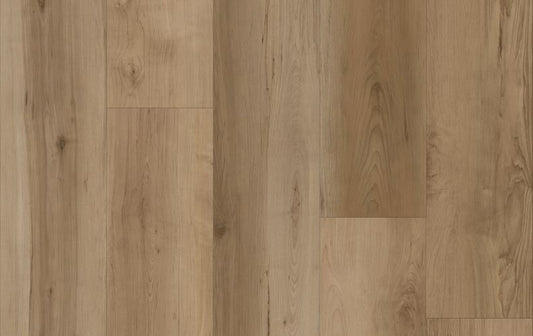
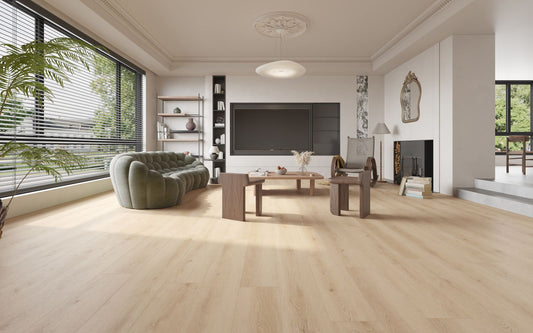
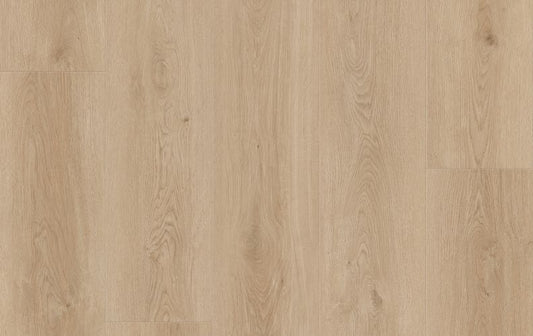
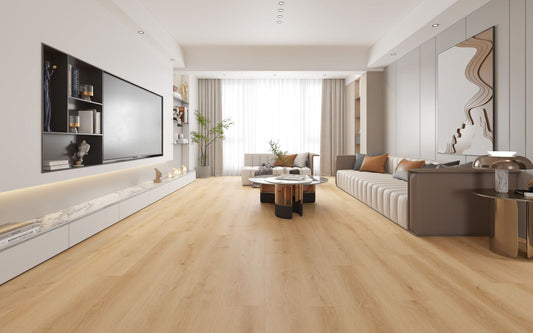
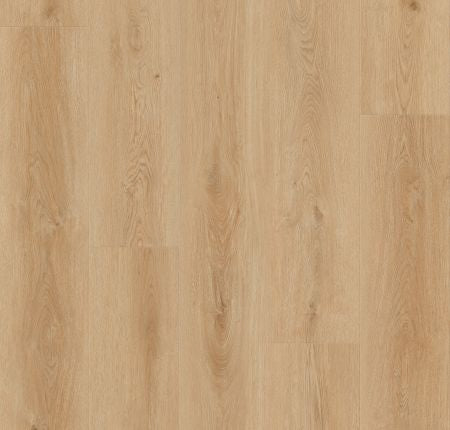
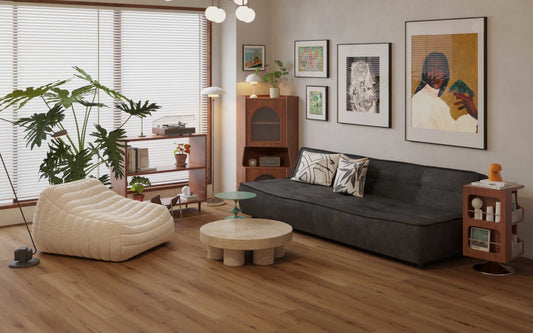
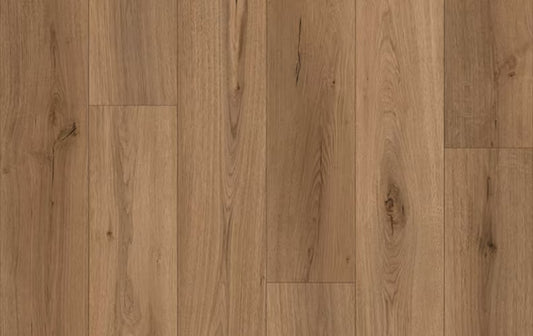
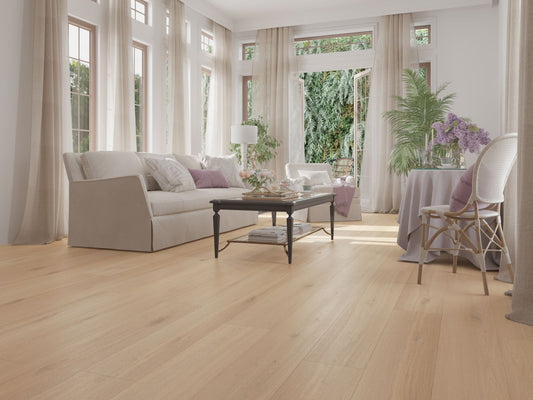
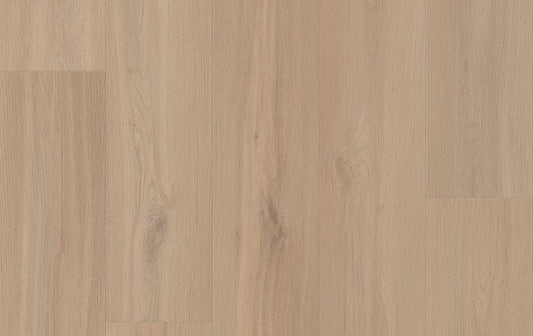
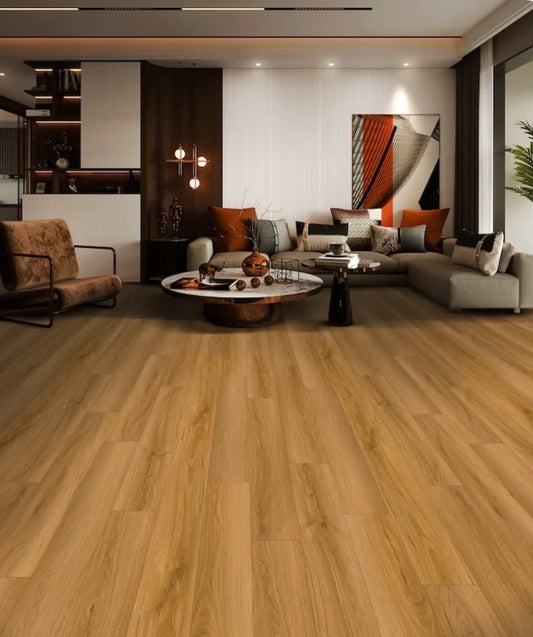


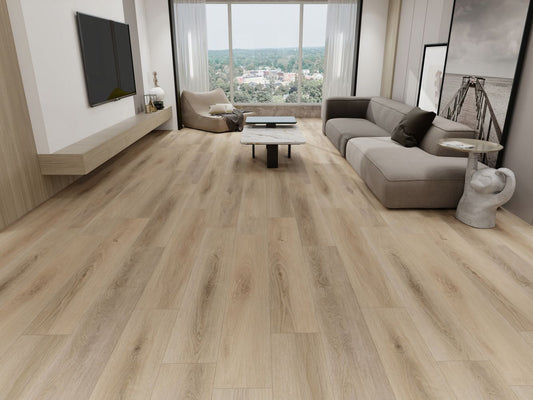
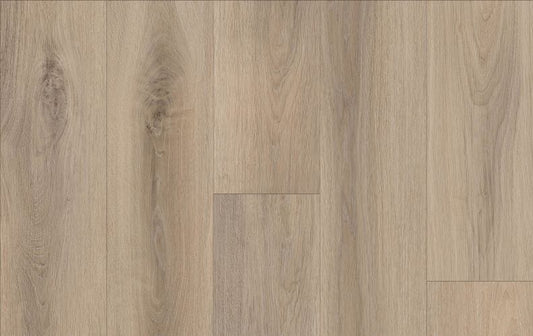
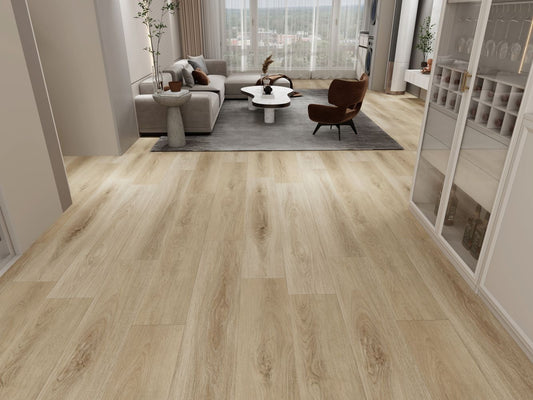
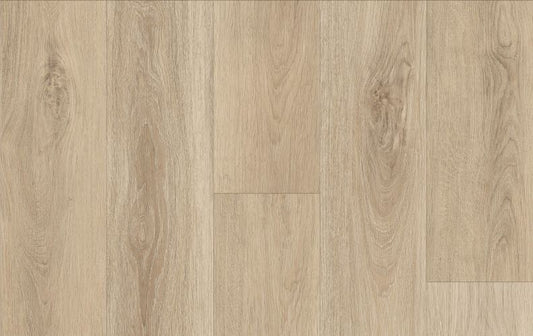
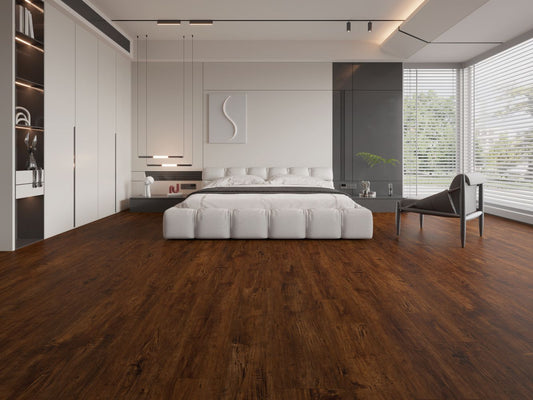
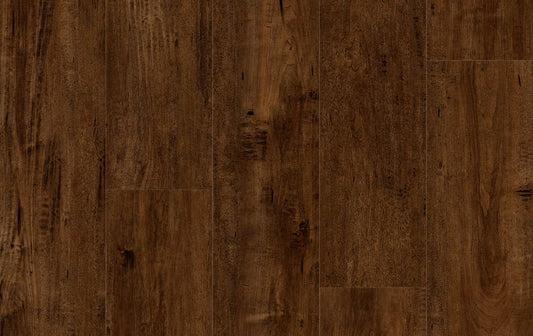
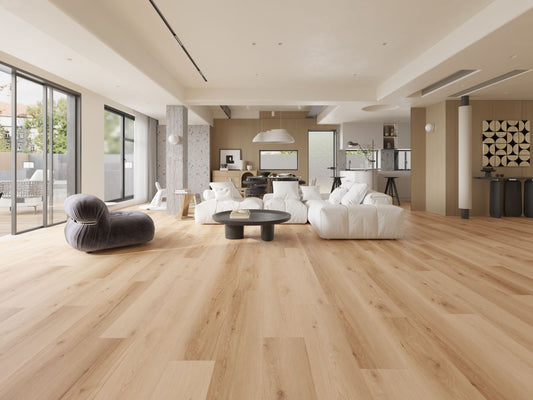
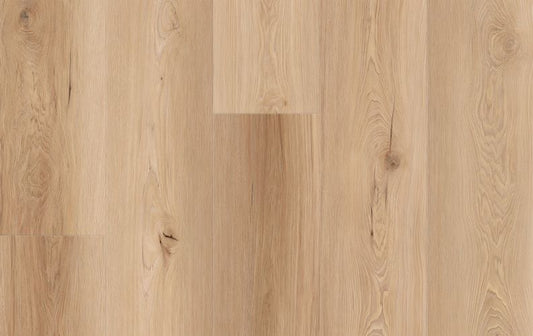

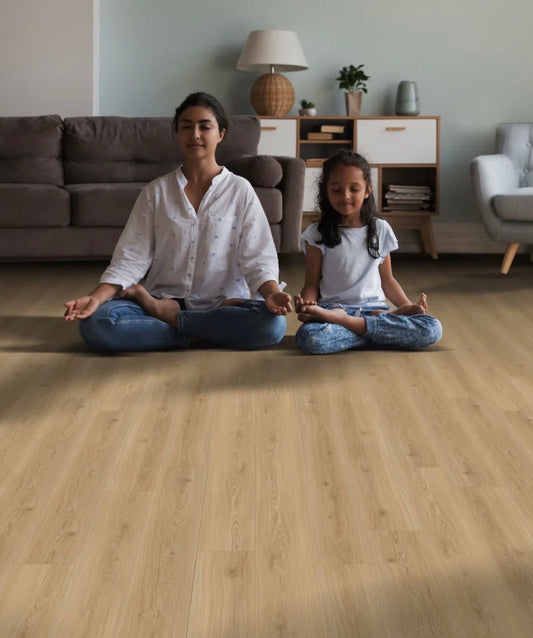
Scratch-Resistant Laminate Flooring
Scratch-resistant laminate flooring is designed for active households that want durable wood-look surfaces with stronger protection against ordinary marks caused by foot traffic, pets, furniture, and everyday activity.
No flooring is completely scratchproof. This collection should include only laminate products with an explicit manufacturer claim relating to scratch resistance or enhanced surface protection. An AC rating alone should not automatically be treated as a manufacturer-verified scratch-resistance claim.
Why Modern Laminate Resists Wear Better
Many homeowners still associate laminate with older floors that quickly became dull, chipped at the edges, or developed visible surface marks.
Premium modern laminate may now use:
- Advanced resin-saturated wear surfaces
- Aluminum-oxide-enhanced systems
- High AC abrasion classifications
- Dense protective overlays
- Matte finishes
- Realistic surface texture
- Protected bevels
- Improved manufacturing precision
- Manufacturer-specific scratch technology
- Larger and more varied wood visuals
These improvements make current laminate substantially different from many products sold during the 1990s and early 2000s.
Scratch Resistant Does Not Mean Scratchproof
A scratch-resistant surface is designed to reduce the likelihood or visibility of ordinary scratching. Sharp metal, broken furniture glides, embedded stones, dragged appliances, construction debris, and deliberate cutting can still damage it.
Protection should include:
- Entry mats
- Regular vacuuming
- Clean furniture protectors
- Suitable chair mats
- Trimmed pet nails
- Lifting rather than dragging furniture
- Protective pathways during construction
- Prompt removal of grit
Durability depends on both product construction and maintenance.
Scratch Resistance Versus Abrasion Resistance
Scratching and abrasion are related but different.
A scratch may be created by one sharp object moving across the surface. Abrasion develops through repeated rubbing or traffic over time.
The AC rating provides useful standardized information about surface-wear performance, but it does not necessarily prove every separate marketing claim about scratch resistance.
A qualifying product should ideally provide:
- Verified AC rating
- Manufacturer scratch-resistance statement
- Documented surface technology
- Appropriate intended-use classification
AC Ratings
Scratch-resistant laminate may carry:
- AC3 for general residential use
- AC4 for demanding residential and selected commercial use
- AC5 for heavy residential and approved commercial environments
A higher AC rating can indicate stronger standardized surface performance, but buyers should still compare the complete flooring system.
Modern Laminate Versus Vinyl for Scratches
Laminate and vinyl respond differently to surface contact.
Premium laminate often has a hard wear surface that can perform strongly against fine abrasion and pet-claw traffic. Vinyl has a resilient wear layer that may respond differently to sharp objects, dragging, and indentation.
Compare:
- Published scratch claims
- AC rating or vinyl wear layer
- Surface coating
- Denting
- Texture
- Finish sheen
- Pets
- Rolling furniture
- Moisture
- Cleaning requirements
Neither category is immune to damage.
Pets and Laminate Flooring
Scratch-resistant laminate can be a practical option for homes with dogs or cats when the product also meets the household’s moisture requirements.
Consider:
- Verified scratch resistance
- AC4 or AC5 performance
- Matte finish
- Visible grain
- EIR texture
- Mid-tone color variation
- Waterproof or water-resistant classification
- Secure locking joints
Pet urine, water bowls, and wet paws create moisture concerns separate from scratching. Both performance areas should be evaluated.
Texture and Scratch Visibility
Surface texture can affect how visible minor marks appear.
EIR, wood-grain embossing, and textured matte finishes may visually integrate small marks better than extremely smooth, glossy surfaces.
Texture does not make a floor impossible to scratch. It can reduce uniform reflection and provide a more forgiving appearance.
Color Selection
Some colors reveal debris and surface marks more readily than others.
Very dark, uniform floors can highlight pale dust and light-colored scratches. Extremely pale floors can show dark debris.
Practical options may include:
- Natural oak
- Warm beige
- Greige
- Honey
- Medium brown
- Mixed-tone wood visuals
- Character-grade patterns
A varied design may disguise ordinary household activity more effectively than a perfectly uniform color.
Bevels and Plank Edges
Modern laminate may use protected or pressed bevels to define individual boards.
Compare:
- Edge protection
- Bevel color
- Moisture treatment
- Chipping resistance
- Joint construction
- Cleaning requirements
Scratching on the surface and damage at the edges are different concerns.
Thickness and Core Construction
Scratch resistance is primarily related to the surface rather than the total plank thickness.
A scratch-resistant product may be:
- 8mm
- 10mm
- 12mm
- 12.3mm
- Another manufacturer-specific profile
Core density, thickness, and locking construction influence joint strength and underfoot feel, while the wear surface handles direct contact.
High-Traffic Homes
Scratch-resistant laminate may suit:
- Busy living rooms
- Hallways
- Dining rooms
- Home offices
- Playrooms
- Rental properties
- Pet households
- Open-concept interiors
- Selected commercial areas
Room approval and moisture requirements must still be confirmed.
Furniture and Rolling Loads
Use appropriate protectors beneath:
- Sofas
- Dining chairs
- Desks
- Beds
- Cabinets
- Office chairs
- Rolling carts
- Heavy movable furniture
Furniture pads should remain clean. Grit trapped beneath a protector can create scratching.
Rolling office chairs may require an approved hard-floor chair mat.
Installation and Subfloor Preparation
Most laminate uses floating click-lock installation. A durable surface cannot compensate for a moving floor caused by poor preparation.
The substrate should be:
- Flat
- Dry
- Clean
- Structurally sound
- Properly patched
- Compatible with the underlayment
- Protected from concrete vapor where required
Cleaning and Maintenance
Routine care may include:
- Vacuuming loose debris
- Using a soft flooring attachment
- Cleaning with laminate-approved products
- Removing grit promptly
- Wiping spills
- Avoiding abrasive pads
- Avoiding wax and polish
- Protecting furniture feet
- Using entrance mats
- Following the moisture classification
Frequently Asked Questions
Is laminate flooring scratchproof?
No. Scratch-resistant flooring can reduce ordinary damage, but no floor is completely scratchproof.
Is modern laminate more scratch resistant than old laminate?
Premium modern products may use considerably more advanced wear surfaces and abrasion technology.
Does AC5 mean scratchproof?
No. AC5 indicates high standardized wear performance, not immunity from every sharp object.
Is laminate suitable for dogs?
Selected scratch-resistant and moisture-protected laminate can work well in dog households.
Does EIR hide scratches?
Texture and grain variation may make minor marks less obvious, but EIR does not prevent every scratch.
Are dark laminate floors practical for pets?
They can be, although dark uniform colors may reveal dust, hair, and pale scratches more easily.
Can damaged laminate be refinished?
Laminate is generally not sanded like hardwood. Individual planks may need replacement if heavily damaged.
What should buyers compare?
Compare the manufacturer’s scratch claim, AC rating, surface technology, texture, color, moisture classification, core, and intended use.
Explore related flooring
Browse related flooring collections, brands and styles before making your final choice.