
Collection: Laminate Flooring Over Concrete
Shop laminate flooring over concrete with approved floating construction and realistic wood visuals. Compare vapor requirements, plank thicknesses, abrasion classes, water ratings, textures, dimensions, and locking systems.
-
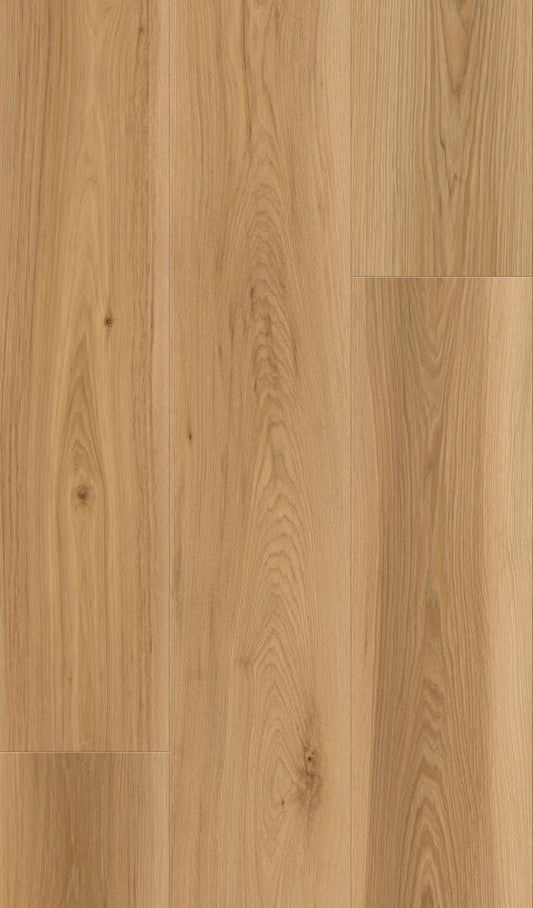
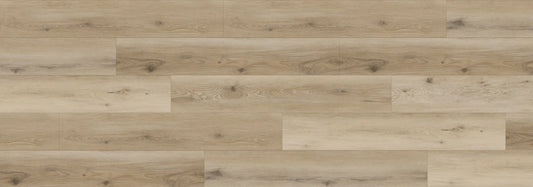
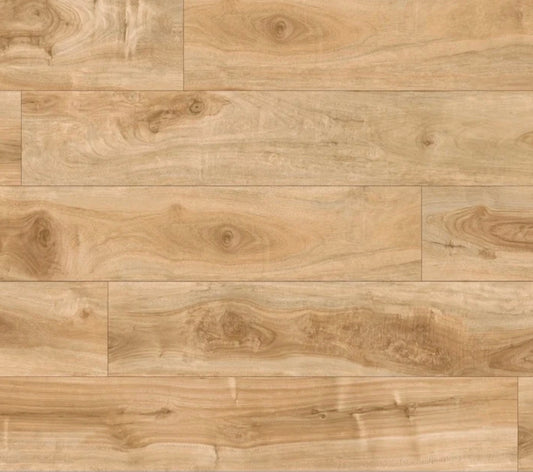
Oak Plains - Tree Of Heaven | AC4 10mm 9x60 Waterproof Laminate | Republic Floor
Vendor:Republic FloorsRegular price From $0.00 USDRegular priceUnit price $3.79/ft² -
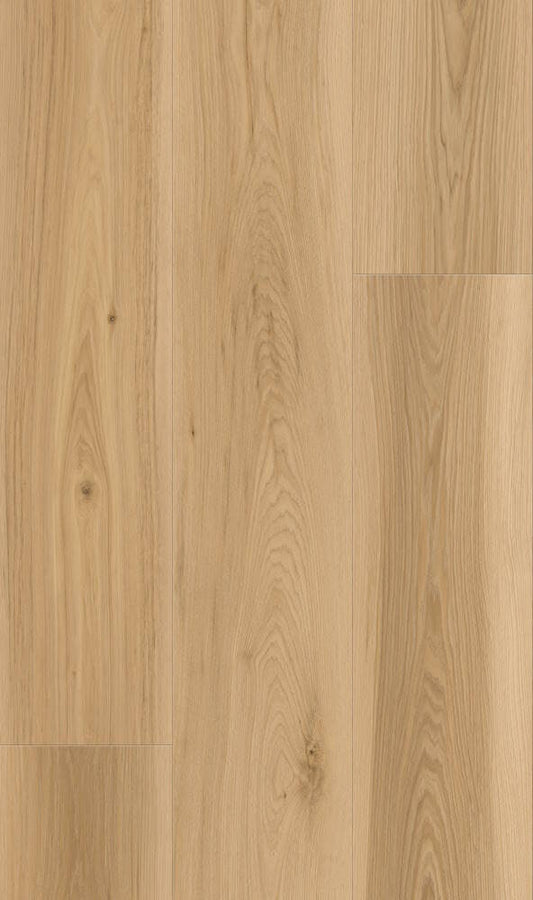
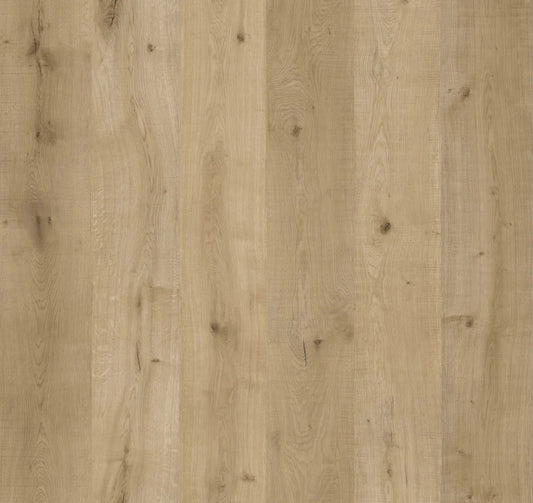
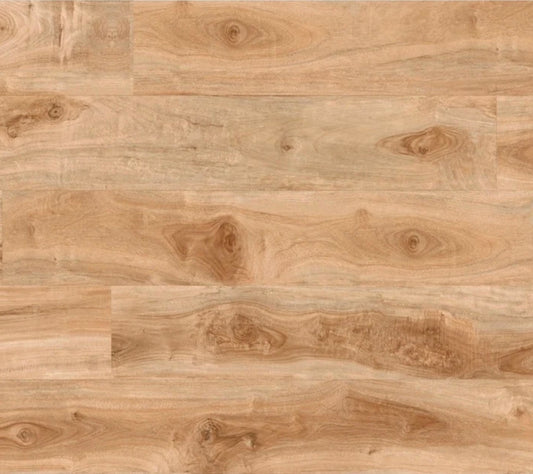
Atlus - Aura | AC5 10mm 9.4x72” Laminate | SLCC
Vendor:SLCC FlooringRegular price From $0.00 USDRegular priceUnit price $3.49/ft² -
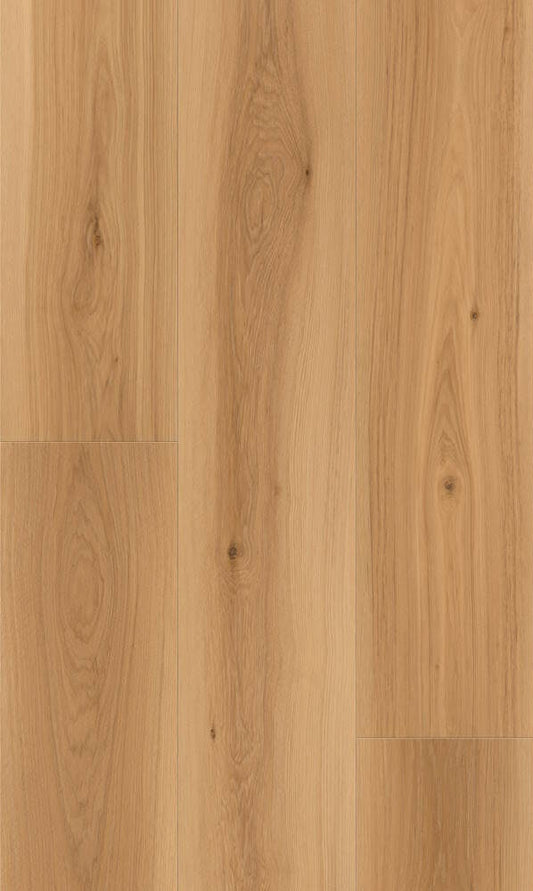
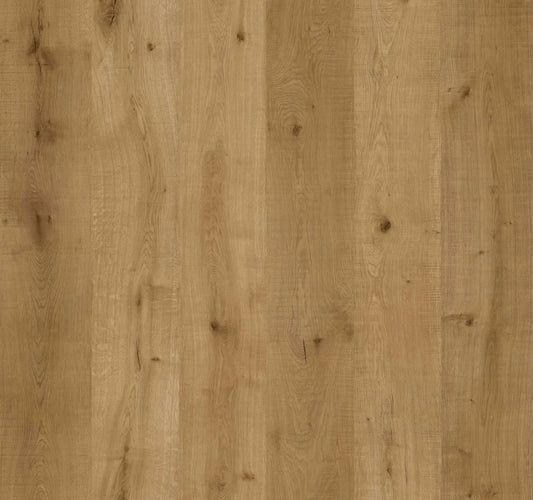
Atlus - Altevia | AC5 10mm 9.4x72” Laminate | SLCC
Vendor:SLCC FlooringRegular price From $0.00 USDRegular priceUnit price $3.49/ft² -
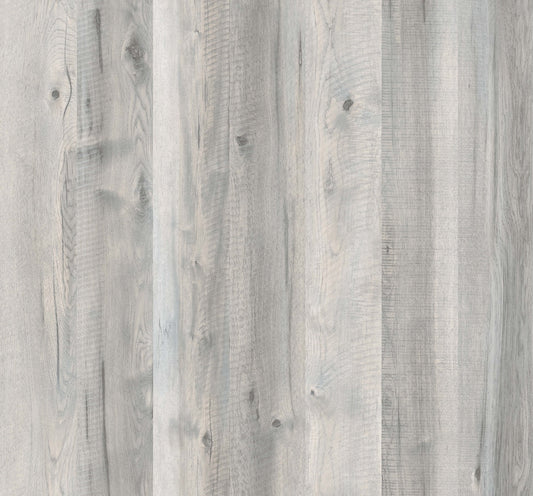
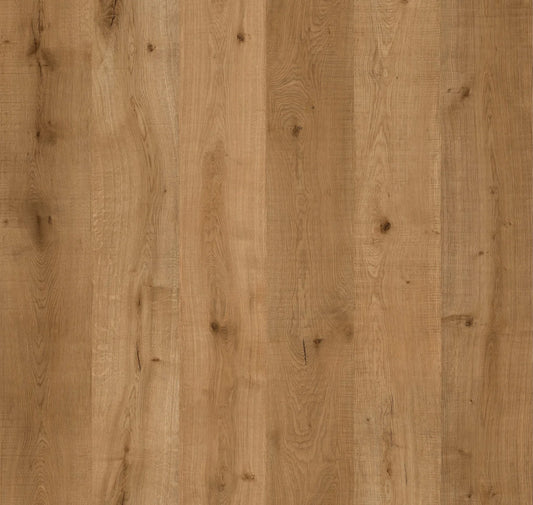
Atlus - Altero | AC5 10mm 9.4x72” Laminate | SLCC
Vendor:SLCC FlooringRegular price From $0.00 USDRegular priceUnit price $3.49/ft² -
Atlus - Alevo | AC5 10mm 9.4x72” Laminate | SLCC
Vendor:SLCC FlooringRegular price From $0.00 USDRegular priceUnit price $3.49/ft² -
Malta Islands - Cooper Dune | AC4 12.3mm 7.75x48 Waterproof Laminate | Republic Floor
Vendor:Republic FloorsRegular price From $0.00 USDRegular priceUnit price $3.95/ft² -
Malta Islands - Opal Cream | AC4 12.3mm 7.75x48 Waterproof Laminate | Republic Floor
Vendor:Republic FloorsRegular price From $0.00 USDRegular priceUnit price $3.95/ft² -
Malta Islands - Fusion Beige | AC4 12.3mm 7.75x48 Waterproof Laminate | Republic Floor
Vendor:Republic FloorsRegular price From $0.00 USDRegular priceUnit price $3.95/ft² -
Malta Islands - Coastal Ivory | AC4 12.3mm 7.75x48 Waterproof Laminate | Republic Floor
Vendor:Republic FloorsRegular price From $0.00 USDRegular priceUnit price $3.95/ft² -
Malta Islands - Amazon Gold | AC4 12.3mm 7.75x48 Waterproof Laminate | Republic Floor
Vendor:Republic FloorsRegular price From $0.00 USDRegular priceUnit price $3.95/ft² -
Malta Islands - Colorado Gold | AC4 12.3mm 7.75x48 Waterproof Laminate | Republic Floor
Vendor:Republic FloorsRegular price From $0.00 USDRegular priceUnit price $3.95/ft² -
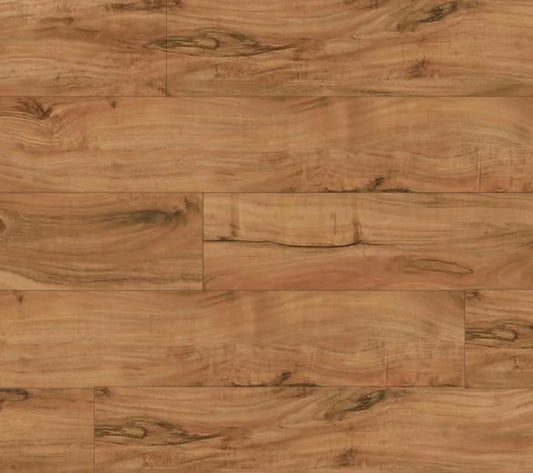
Platinum - Rustic Apple | AC4 12.3mm 5.5x48 Laminate | Republic Floors
Vendor:Republic FloorsRegular price From $0.00 USDRegular priceUnit price $3.29/ft² -
Platinum - Golden Apple | AC4 12.3mm 5.5x48 Laminate | Republic Floors
Vendor:Republic FloorsRegular price From $0.00 USDRegular priceUnit price $3.29/ft² -
Platinum - Natural Acacia | AC4 12.3mm 5.5x48 Laminate | Republic Floors
Vendor:Republic FloorsRegular price From $0.00 USDRegular priceUnit price $3.29/ft² -
Comfort Heights - Huntington Gardens | AC4 12mm 9x60 Laminate | Lions Floor
Vendor:Lions FloorRegular price From $0.00 USDRegular priceUnit price $3.89/ft² -
Black Forest Collection - Dusky Cypress | AC4 12mm 7.7x51 | Waterproof Laminate - Muller Graff
Vendor:Muller GraffRegular price From $0.00 USDRegular priceUnit price $3.39/ft²
















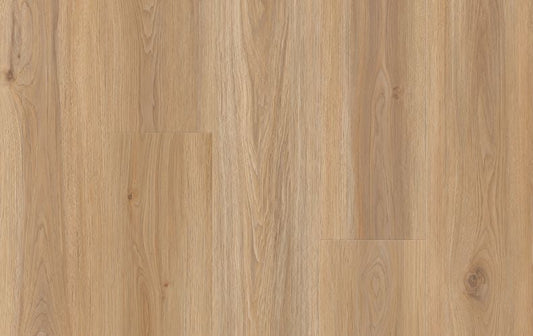
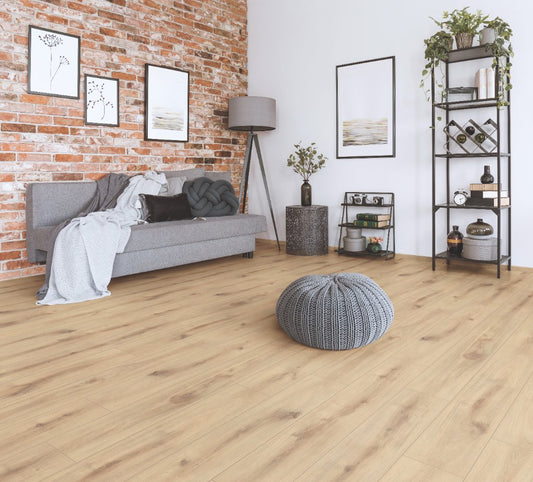
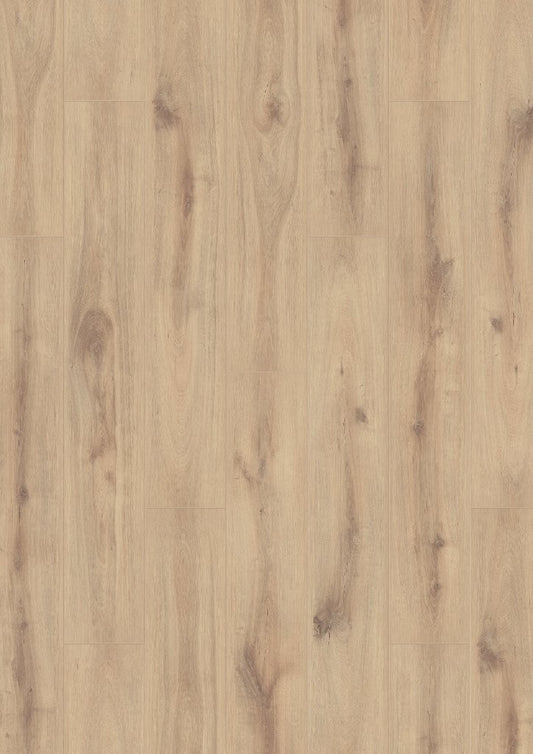
Laminate Flooring Over Concrete
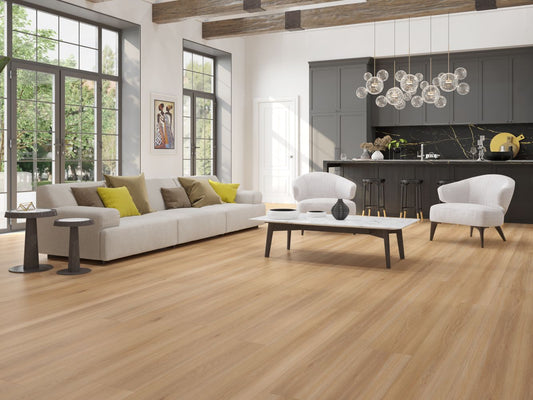
Laminate flooring over concrete can create a realistic wood-look surface without mechanically fastening planks to the slab. Most qualifying products use floating click-lock construction installed over an approved underlayment or vapor-control system.
Concrete must be tested and prepared before installation. A slab can release damaging moisture even when its surface appears completely dry.
Why Modern Laminate Works Better Over Concrete
Early laminate floors were frequently paired with basic foam underlayment and installed with limited attention to concrete moisture or flatness. This contributed to hollow sound, stressed joints, and core swelling.
Modern laminate systems may provide:
- Denser plank cores
- Stronger locking profiles
- Attached backing
- Advanced acoustic underlayment
- Documented vapor requirements
- Improved edge protection
- Water-resistant technology
- Precise flatness tolerances
- Matte wood finishes
- EIR surface texture
The flooring is only one part of the system. Concrete preparation and vapor control remain equally important.
Concrete Moisture
Concrete contains moisture from its original mix and can continue exchanging vapor with the surrounding environment.
Potential moisture sources include:
- Ground vapor
- Incomplete curing
- Plumbing leaks
- Exterior drainage
- Hydrostatic pressure
- High indoor humidity
- Missing or damaged slab vapor retarders
Do not rely on appearance, touch, or a taped plastic sheet as a substitute for required testing.
Moisture Testing
The flooring or underlayment instructions may require:
- In-situ relative-humidity testing
- Calcium-chloride testing
- pH testing
- Electronic screening
- Building moisture assessment
Testing procedures and acceptance limits vary. Results should be documented and compared with the requirements of the complete installation system.
Vapor Protection
A floating laminate floor over concrete frequently requires an approved vapor barrier.
Possible systems include:
- Separate polyethylene sheeting
- Combination acoustic and vapor underlayment
- Manufacturer-specific membranes
- Approved surface mitigation systems
An attached pad does not automatically provide vapor protection. Confirm whether it functions acoustically, as a vapor retarder, or both.
Seams, walls, penetrations, and overlaps must follow the published instructions.
Subfloor Flatness
Concrete should be flat within the manufacturer’s tolerance. High or low areas may create plank movement, noise, damaged joints, or uneven edges.
Preparation may involve:
- Grinding high spots
- Filling low areas
- Removing surface contamination
- Repairing compatible cracks
- Removing loose patching
- Cleaning dust
- Checking slab strength
Laminate and underlayment should never be used to bridge significant depressions.
Attached Pad Over Concrete
Attached backing can simplify installation, but it does not eliminate the need to confirm:
- Vapor requirements
- Acoustic performance
- Compression limits
- Concrete approval
- Moisture limits
- Subfloor flatness
- Finished-floor height
Do not add another underlayment beneath an attached-pad product unless expressly permitted.
Basement Versus Above-Grade Concrete
Concrete can occur at, above, or below grade. A product approved over an upper-level concrete condominium slab may not automatically be approved for below-grade basement installation.
Verify:
- Grade-level approval
- Moisture limits
- Vapor requirements
- Building acoustic rules
- Room use
- Environmental conditions
Below-grade floors generally require especially careful moisture evaluation.
Installation Around Fixed Objects
Floating laminate must be able to expand and contract. Maintain the required clearance around:
- Walls
- Columns
- Cabinets
- Kitchen islands
- Pipes
- Door frames
- Fireplaces
- Floor vents
- Other fixed structures
Do not fasten permanent cabinets or partitions through the floating floor unless the system specifically permits it.
Frequently Asked Questions
Can laminate be installed directly over concrete?
It can be floated over prepared concrete using the required vapor protection and underlayment. The plank is not normally bonded directly to the slab.
Does attached-pad laminate need a vapor barrier?
It often does. Attached acoustic backing and vapor protection are not automatically the same thing.
How flat must concrete be?
Use the exact tolerance published for the selected product. Requirements vary between manufacturers.
Can laminate be installed over cracked concrete?
Cracks should be evaluated and repaired where appropriate. Active structural or moisture-related movement must be addressed first.
Can laminate be installed over concrete in a basement?
Only when the product is approved below grade and the complete moisture-control system meets its requirements.
Why is modern laminate better over concrete?
Denser cores, stronger joints, improved underlayments, better edge protection, documented vapor systems, and realistic surfaces have significantly advanced the category.
Explore related flooring
Browse related flooring collections, brands and styles before making your final choice.