
Collection: Laminate Flooring for Entryways
Shop laminate flooring for entryways with durable surfaces, realistic wood visuals, and improved protection against wet shoes and everyday traffic. Compare abrasion classes, water ratings, textures, thicknesses, colors, and edges.
-
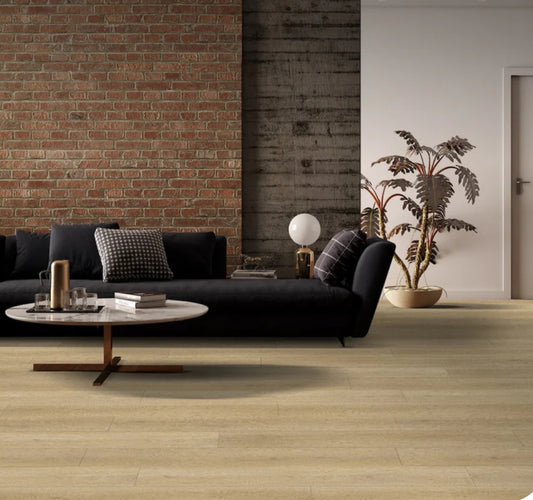
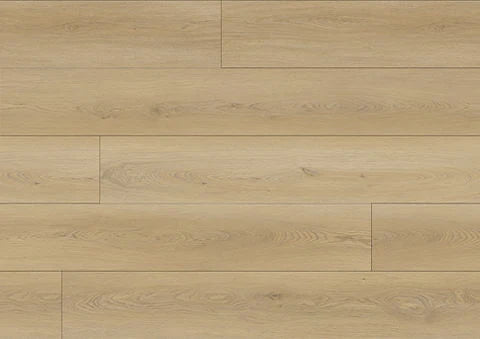
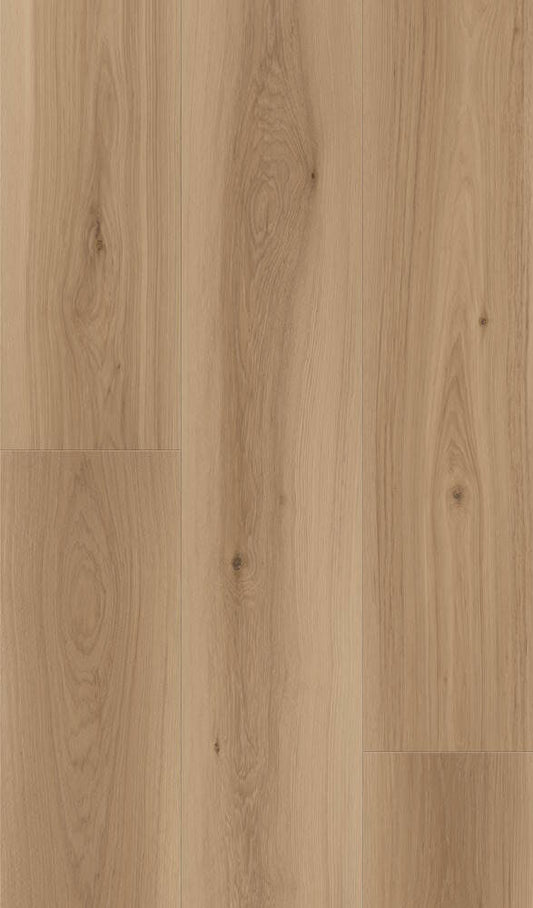
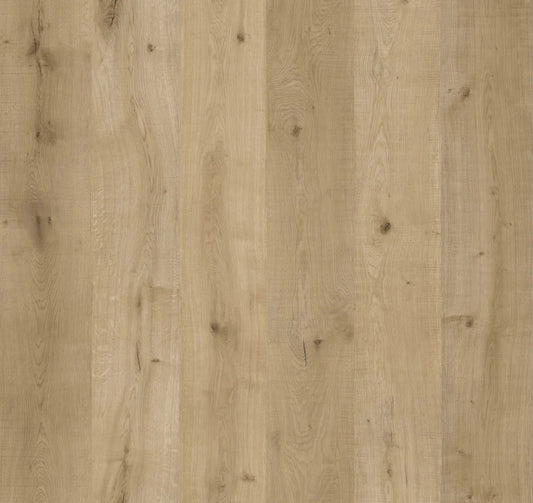
North Forest Granville – 12mm AC5 Waterproof Laminate Flooring | 9” x 72” Extra Long Planks
Vendor:Republic FloorsRegular price From $0.00 USDRegular priceUnit price $3.99/ft² -
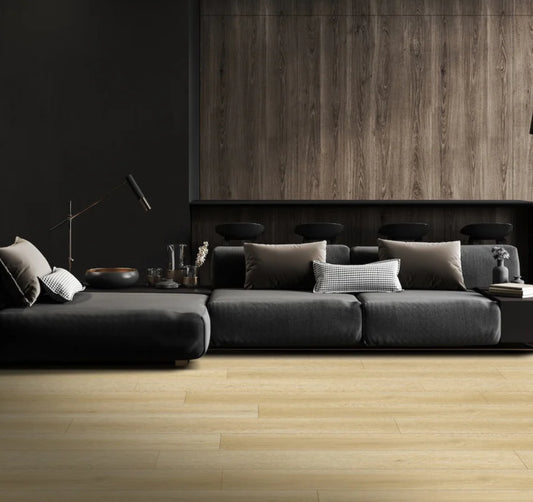
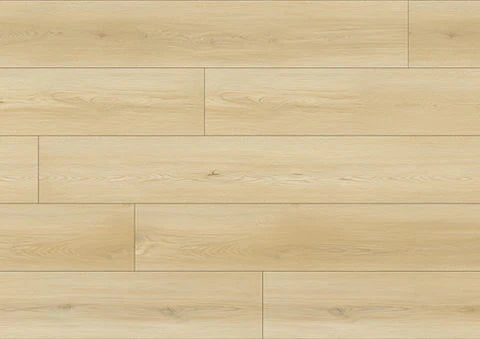
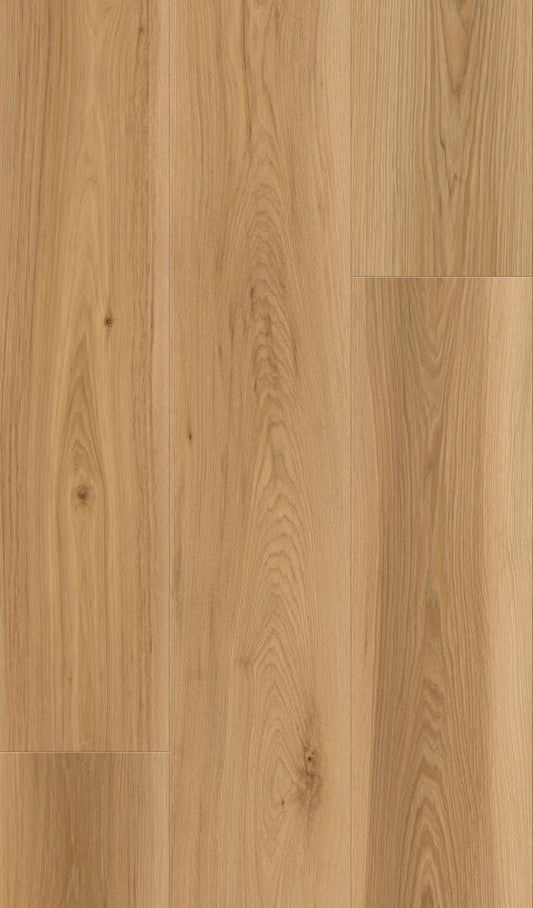
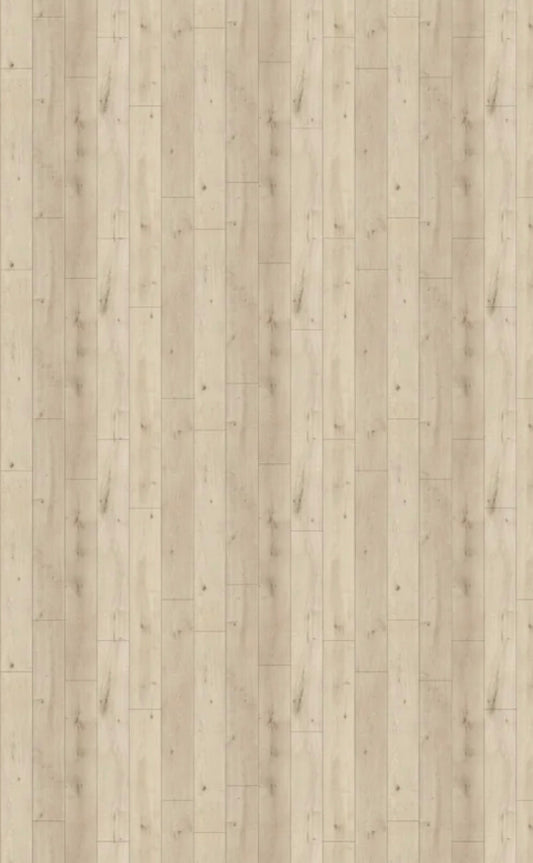
North Forest Sand River – 12mm AC5 Waterproof Laminate Flooring | 9” x 72” Extra Long Planks
Vendor:Republic FloorsRegular price From $0.00 USDRegular priceUnit price $3.99/ft² -
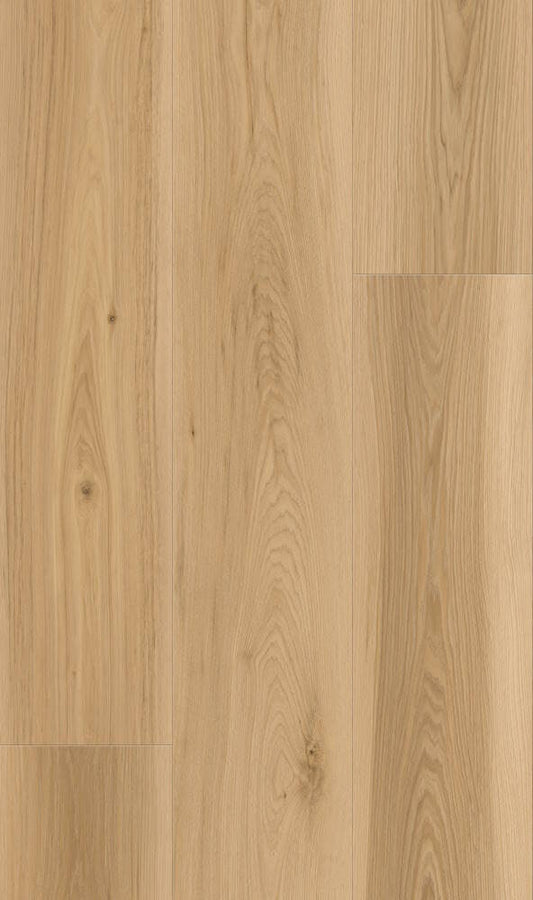
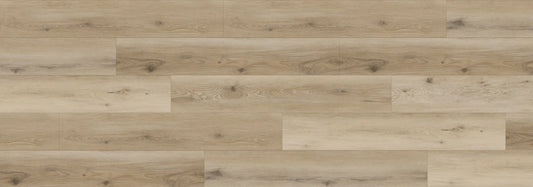
North Forest Spanish Gold – 12mm AC5 Waterproof Laminate Flooring | 9” x 72” Extra Long Planks
Vendor:Republic FloorsRegular price From $0.00 USDRegular priceUnit price $3.99/ft² -

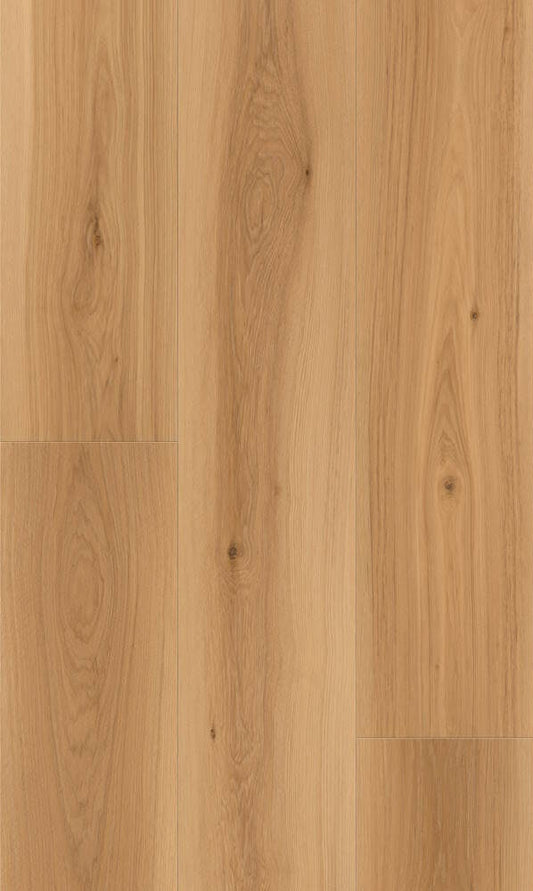
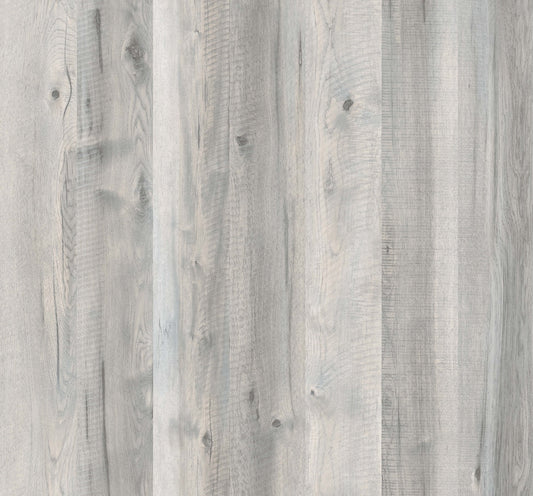
North Forest Stantead Grey – 12mm AC5 Waterproof Laminate Flooring | 9” x 72” Extra Long Planks
Vendor:Republic FloorsRegular price From $0.00 USDRegular priceUnit price $3.69/ft²$3.99 USDSale price From $0.00 USDSale -
Oak Plains - Buckthorn | AC4 10mm 9x60 Waterproof Laminate | Republic Floor
Vendor:Republic FloorsRegular price From $0.00 USDRegular priceUnit price $3.79/ft² -
Oak Plains - Rose Apple | AC4 10mm 9x60 Waterproof Laminate | Republic Floor
Vendor:Republic FloorsRegular price From $0.00 USDRegular priceUnit price $3.79/ft² -
Oak Plains - Blackboard Tree | AC4 10mm 9x60 Waterproof Laminate | Republic Floor
Vendor:Republic FloorsRegular price From $0.00 USDRegular priceUnit price $3.79/ft² -
Oak Plains - Tree Of Heaven | AC4 10mm 9x60 Waterproof Laminate | Republic Floor
Vendor:Republic FloorsRegular price From $0.00 USDRegular priceUnit price $3.79/ft² -
Atlus - Aura | AC5 10mm 9.4x72” Laminate | SLCC
Vendor:SLCC FlooringRegular price From $0.00 USDRegular priceUnit price $3.49/ft² -
Atlus - Altevia | AC5 10mm 9.4x72” Laminate | SLCC
Vendor:SLCC FlooringRegular price From $0.00 USDRegular priceUnit price $3.49/ft² -
Atlus - Altero | AC5 10mm 9.4x72” Laminate | SLCC
Vendor:SLCC FlooringRegular price From $0.00 USDRegular priceUnit price $3.49/ft² -
Atlus - Alevo | AC5 10mm 9.4x72” Laminate | SLCC
Vendor:SLCC FlooringRegular price From $0.00 USDRegular priceUnit price $3.49/ft² -
Malta Islands - Cooper Dune | AC4 12.3mm 7.75x48 Waterproof Laminate | Republic Floor
Vendor:Republic FloorsRegular price From $0.00 USDRegular priceUnit price $3.95/ft² -
Malta Islands - Opal Cream | AC4 12.3mm 7.75x48 Waterproof Laminate | Republic Floor
Vendor:Republic FloorsRegular price From $0.00 USDRegular priceUnit price $3.95/ft² -
Malta Islands - Fusion Beige | AC4 12.3mm 7.75x48 Waterproof Laminate | Republic Floor
Vendor:Republic FloorsRegular price From $0.00 USDRegular priceUnit price $3.95/ft² -
Malta Islands - Coastal Ivory | AC4 12.3mm 7.75x48 Waterproof Laminate | Republic Floor
Vendor:Republic FloorsRegular price From $0.00 USDRegular priceUnit price $3.95/ft²









Laminate Flooring for Entryways
Laminate flooring for entryways must handle concentrated foot traffic, outdoor grit, wet shoes, pet movement, packages, and frequent cleaning while creating a strong first impression.
Modern laminate can be a practical entry-floor option when the product has suitable abrasion performance, verified water protection, secure joints, durable edges, and an installation approved for the space.
This is not the same technology found in many 1990s and early-2000s entryways. Older laminate could show glossy wear paths, chipped joints, repetitive prints, and swollen edges. Current products may use denser cores, stronger locking profiles, matte protective layers, better edge treatments, realistic EIR texture, and significantly improved water performance.
What Should Entryway Laminate Provide?
Important characteristics may include:
- Demanding residential abrasion performance
- Scratch-resistant surface construction
- Water-resistant or waterproof classification
- Protected plank edges
- Secure locking joints
- Matte or textured finish
- Easy routine cleaning
- Realistic wood visuals
- Suitable plank dimensions
- Stable floating installation
No flooring can compensate for uncontrolled exterior water or large quantities of abrasive debris.
Abrasion Class and Foot Traffic
Entryways funnel traffic through a relatively small area. Shoes may carry sand, salt, and fine grit that can act like abrasive material beneath every step.
AC3 may support many residential applications, while AC4 or AC5 may be considered for more demanding traffic. Choose using the complete specification and household conditions.
Regular grit removal remains necessary regardless of the abrasion class.
Water Resistance Near Exterior Doors
Rain, snow, wet shoes, umbrellas, and pet paws can introduce moisture. Selected modern laminate products use treated cores, protected edges, tight joints, and sealed surfaces to improve performance.
Confirm:
- Water-resistant or waterproof classification
- Permitted exposure duration
- Perimeter-sealing instructions
- Exterior-door requirements
- Transition details
- Subfloor moisture limits
- Approved cleaning procedures
Use appropriately sized mats while preventing moisture from remaining trapped underneath them.
Edge Protection
Entryways place considerable demand on plank joints. Moisture and grit can collect around exposed edges when the installation is poorly maintained.
Modern edge technology may include:
- Waxed locking joints
- Hydrophobic treatments
- Sealed bevels
- Painted bevels
- Manufacturer-specific moisture protection
- Precision-milled connections
Edge protection should be confirmed from technical documentation rather than inferred from color or bevel appearance.
Texture and Surface Finish
A matte or lightly textured surface may disguise ordinary dust, prints, and small marks better than a dark high-gloss finish.
Potential options include:
- Embossed-in-register oak grain
- Natural wood embossing
- Wire-brushed effects
- Low-gloss texture
- Subtle saw marks
- Pressed bevels
Texture does not automatically make a floor slip resistant. Wet surfaces should still be cleaned promptly.
Choosing an Entryway Color
Entryway flooring should coordinate with adjoining rooms while remaining practical for everyday traffic.
Useful colors may include:
- Natural oak
- Medium brown
- Warm greige
- Character oak
- Honey oak
- Rustic oak
- Multi-tonal beige
- Light oak with visible grain
Extremely dark, uniform flooring may show pale dust, salt, and pet hair more readily. Very pale uniform floors may emphasize dark debris. Medium and varied patterns often provide a practical balance.
Mats and Floor Protection
Use entry mats to capture water and abrasive grit before they move across the floor.
Choose mats with:
- Non-staining backing
- Compatibility with laminate
- Adequate coverage
- Breathable construction
- Stable edges
- Regular cleaning access
Avoid rubber or chemical backings that the flooring manufacturer identifies as incompatible.
Exterior-Door Clearance
Measure the entire installed assembly before ordering. Flooring and underlayment can affect:
- Door swing
- Threshold clearance
- Weather seals
- Transition profiles
- Adjacent tile
- Closet doors
- Baseboard height
The floor must retain its required expansion space around fixed boundaries.
Subfloor Preparation
Entryways often contain transitions, old adhesive, patching, or uneven substrates near exterior doors.
Before installation:
- Correct high and low areas
- Repair water damage
- Test concrete moisture
- Secure wood panels
- Remove incompatible residue
- Confirm vapor protection
- Inspect the threshold
- Plan expansion space
Do not cover an active exterior leak or moisture-damaged subfloor.
Frequently Asked Questions
Is laminate suitable for an entryway?
Yes, when the product has appropriate abrasion and water performance and the entrance is protected from uncontrolled moisture.
What AC rating is best for an entryway?
AC4 or AC5 may suit particularly demanding traffic, although a suitable AC3 product may work in many homes.
Is waterproof laminate necessary near a front door?
It can provide valuable protection, but exterior water control, mats, perimeter sealing, and prompt cleanup remain important.
Does entryway laminate scratch easily?
Modern surfaces can be highly durable, but sand and grit should be removed frequently to reduce abrasion.
What color hides entryway dirt?
Medium, varied oak visuals often conceal ordinary dust better than extremely dark, glossy, or highly uniform floors.
Why is modern laminate better for entryways?
Improved cores, locking joints, edge treatments, water protection, matte surfaces, and realistic textures address many weaknesses associated with older laminate.
Explore related flooring
Browse related flooring collections, brands and styles before making your final choice.