
Collection: Gray Flooring
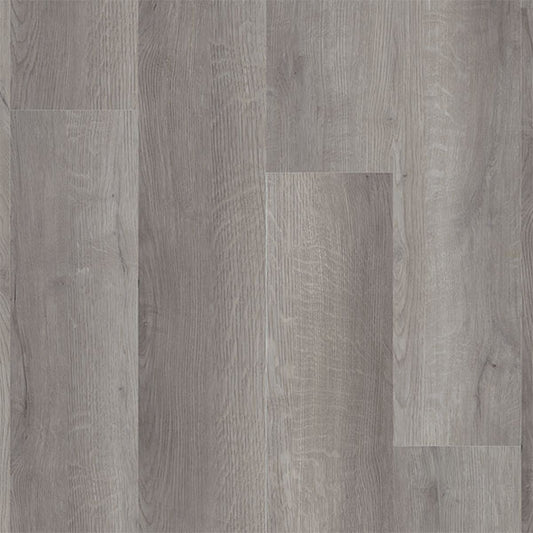
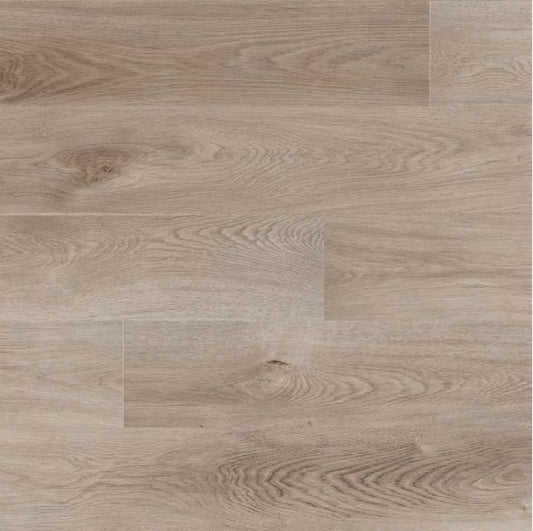
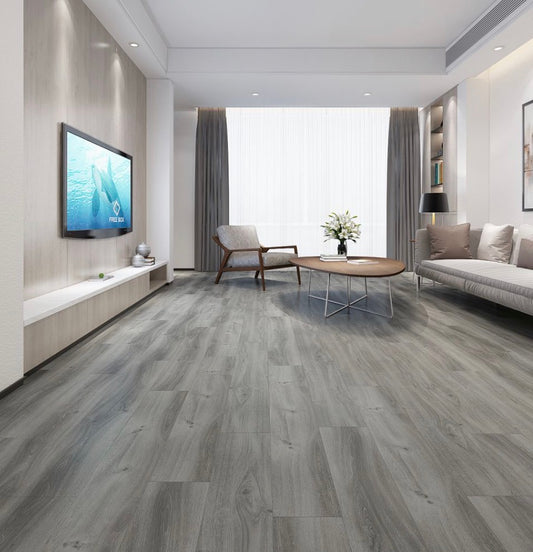
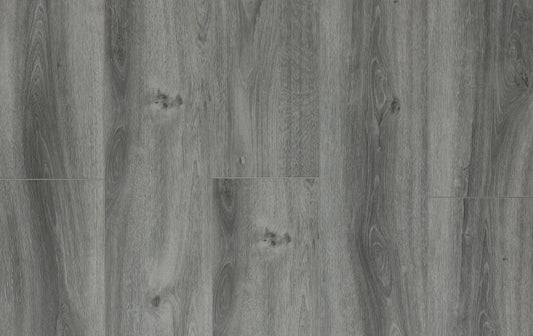
Find gray flooring that works with your home, from soft greige wood looks to deeper gray tones. Compare vinyl, laminate and engineered hardwood by color, texture, thickness and installation method. Review samples beside your cabinets, walls and furniture to choose the right undertone for your space.
-
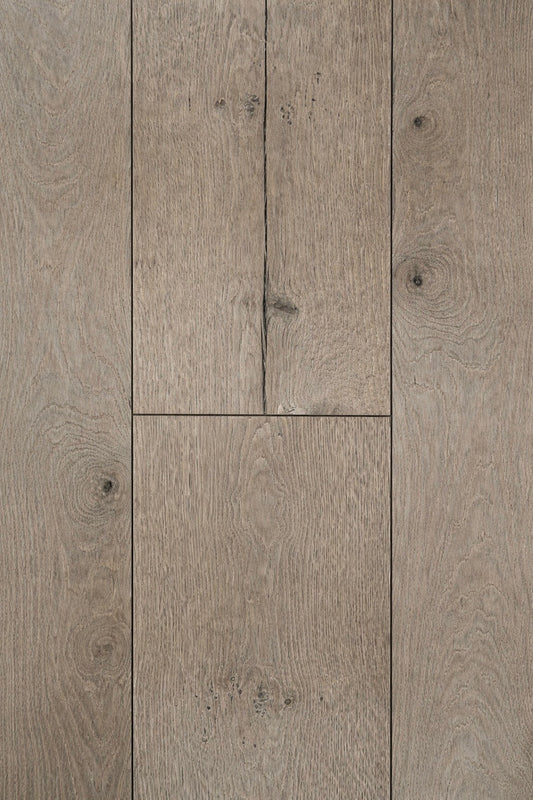
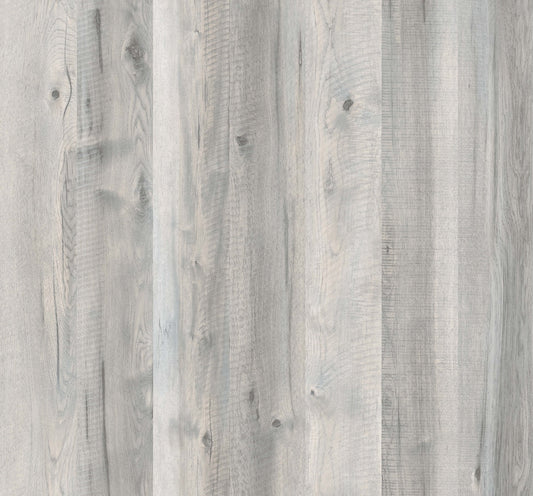
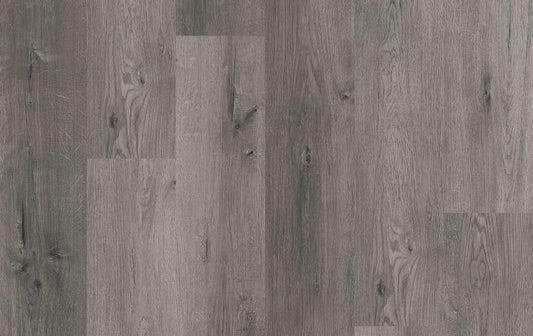
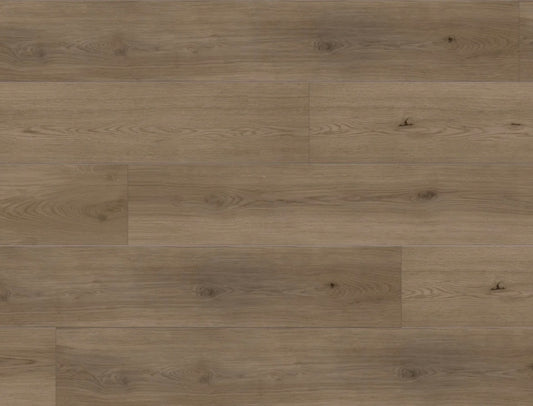
Alpine - RivaWood Oak | 22mil 5mm 7x48 SPC Vinyl Plank | NextGen Surfaces
Vendor:NextGen$2.99 / sq. ft. $71.50 per carton · 23.95 sq. ft. / carton5.0mm22mil7x48 -
Villa Castle - Milan | 4mm 3/4” 10.25x96RL European Oak Engineered Hardwood | SLCC
Vendor:SLCC Flooring$11.29 / sq. ft. $303.40 per carton · 26.87 sq. ft. / carton19.0mm10.25x96RL -
Malta Islands - Cooper Dune | AC4 12.3mm 7.75x48 Waterproof Laminate | Republic Floor
Vendor:Republic Floors$3.95 / sq. ft. $80.60 per carton · 20.4 sq. ft. / carton12.3mm7x48 -
Formalay - Dimension Drift | 20mil 5mm 9x60 Looselay LVP | Lions Floor
Vendor:Lions Floor$4.00 / sq. ft. $90.00 per carton · 22.5 sq. ft. / carton5.0mm20mil9x60 -
White River - Crema Canyon | 20mil 6mm 9x60 Pure SPC Vinyl Plank | Republic Floor
Vendor:Republic Floors$3.47 / sq. ft. $91.00 per carton · 26.19 sq. ft. / carton6.0mm20mil9x60 -
Calloway Silver 22mil 2.5mm 7x48 Glue Down LVP | Monarch Floors
Vendor:Monarch Floors$2.85 / sq. ft. $110.00 per carton · 38.64 sq. ft. / carton2.5mm22mil7x48 -
Alpine - Woodbury Oak | 22mil 5mm 7x48 SPC Vinyl Plank | NextGen Surfaces
Vendor:NextGen$2.99 / sq. ft. $71.50 per carton · 23.95 sq. ft. / carton5.0mm22mil7x48 -
Trenta - Crown Pebble | 20mil 6.5mm 9x60 | Lions Floor
Vendor:Lions Floor$3.89 / sq. ft. $89.00 per carton · 22.88 sq. ft. / carton6.5mm20mil9x60 -
The Meadows Collection | Gray Stream | 20mil 6mm 7x60 SPC Vinyl Plank
Vendor:Republic Floors$3.44 / sq. ft. $82.00 per carton · 23.87 sq. ft. / carton6.0mm20mil7x60 -
The Meadows Collection | Burberry Light | 20mil 6mm 7x60 SPC Vinyl Plank
Vendor:Republic Floors$3.44 / sq. ft. $82.00 per carton · 23.87 sq. ft. / carton6.0mm20mil7x60 -
North Water Collection – Clay Pebble | 28mil 12mm Extra Long SPC Flooring (9” x 72”)
Vendor:Republic Floors$6.39 / sq. ft. $86.10 per carton · 13.47 sq. ft. / carton12.0mm28mil9x72 -
Ashton York Gray 6mil 4.4mm 7x48 SPC Vinyl Plank
Vendor:MSI Everlife$1.89 / sq. ft. $49.54 per carton · 26.147 sq. ft. / cartonSale -
Harper Stellarnova Oak 22mil 6.5mm 9x48 SPC Vinyl Plank
Vendor:NextGen$3.59 / sq. ft. $76.90 per carton · 21.45 sq. ft. / carton6.5mm22mil9x48







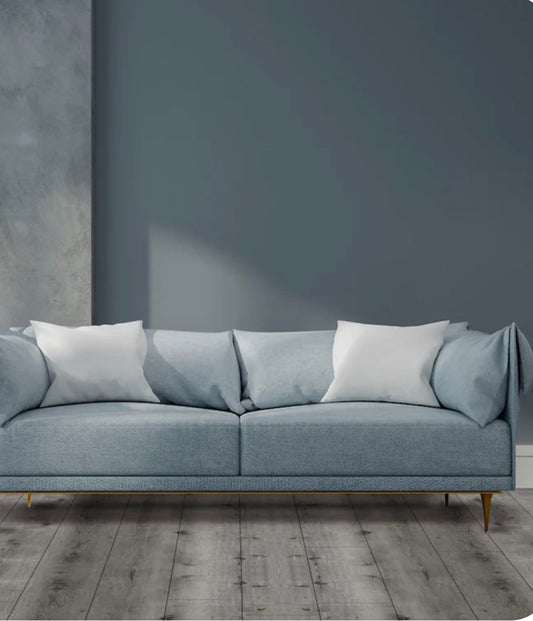
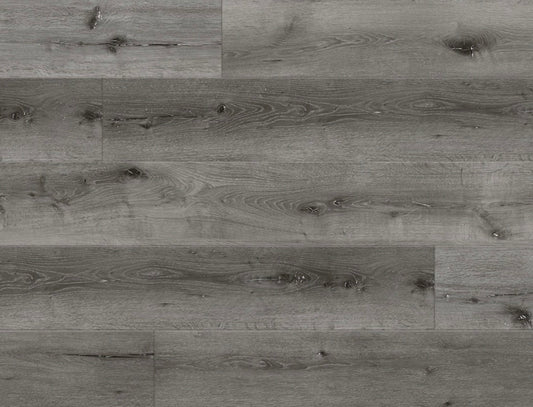
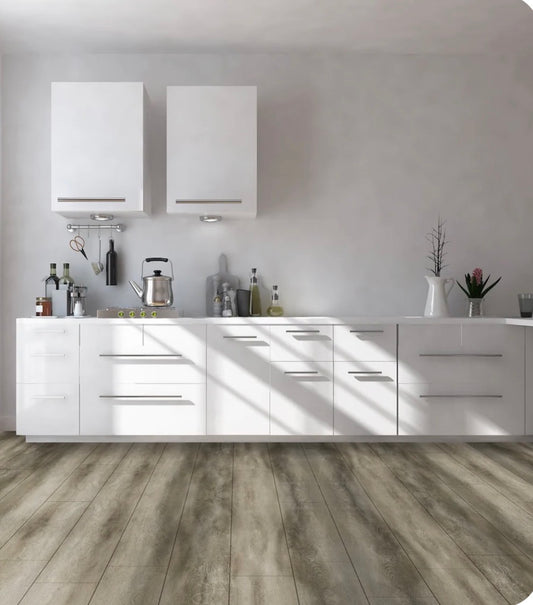
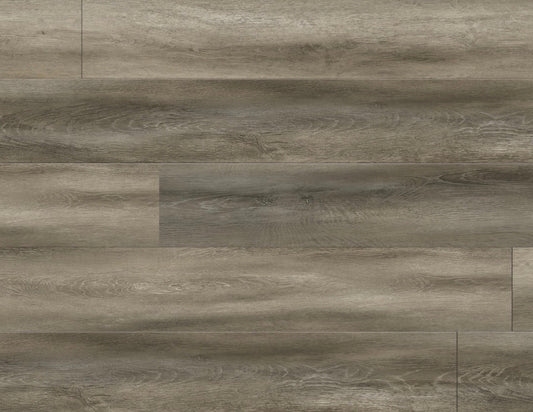
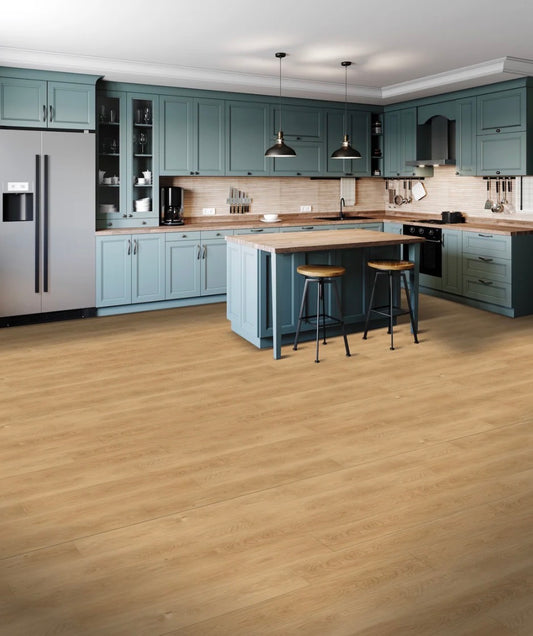
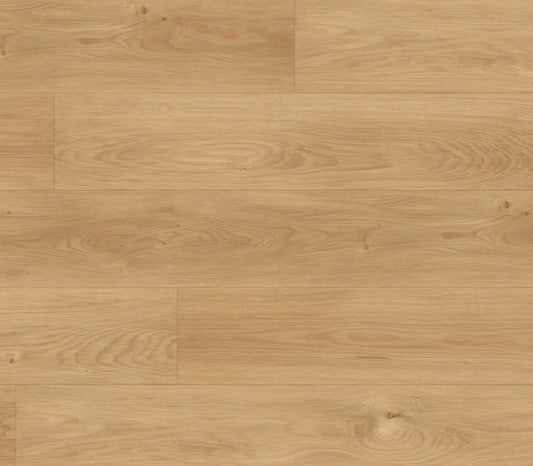
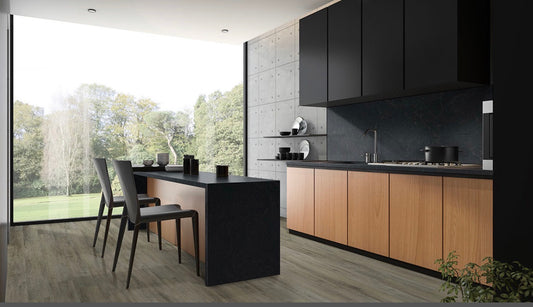
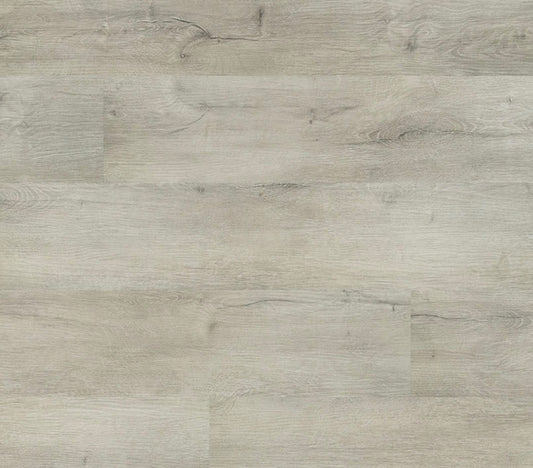

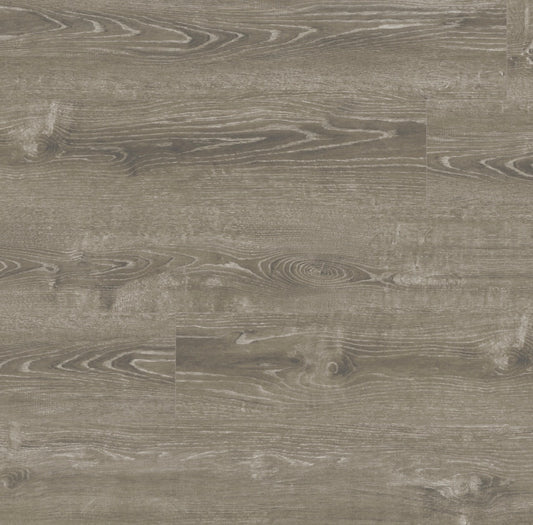
Gray Flooring
Gray flooring can create a quiet neutral background or a more defined modern interior. The result depends on its undertone, depth, grain and relationship to the other finishes in the room. A floor described as gray may lean blue, beige, taupe or charcoal, so the color name is only the starting point.
This collection groups qualifying gray and greige flooring across different constructions. Compare the visual first, then check that the material and installation method suit the room. Two floors with similar colors can behave differently underfoot and require different preparation.
How to Choose the Right Gray Flooring
Start with the surfaces that will remain in the room. Cabinets, countertops, stone, trim and large furniture influence how the floor looks. A sample that appears neutral by itself can show a stronger warm or cool cast next to these materials.
Select a floor that relates to the whole palette. You do not need to match every gray finish exactly, but the undertones should feel compatible. Differences in depth and texture can provide useful separation between the floor and surrounding surfaces.
For a vinyl focused search, explore gray vinyl plank flooring. Compare the base color, grain contrast and finish, then check construction and the approved installation method.
Cool Gray, Warm Gray and Greige
Cool grays may suggest silver, ash or blue toned charcoal. They often work with clean white walls, black accents and cooler stone. In a room with warm cream cabinetry, however, the same floor may show a noticeably blue undertone.
Warm gray and greige incorporate beige, taupe or brown. These tones can connect a room containing both wood furniture and cooler metal or stone finishes. Greige still varies considerably, so it should not be assumed to suit every warm interior.
Look at the background and grain separately. A floor may have a beige base with gray grain, or a gray base with warmer knots. These variations affect its overall appearance once many planks are installed.
Light Gray Versus Darker Gray Floors
Lighter gray flooring can create an open appearance and provide gentle contrast with darker furniture. Its effect depends on the amount and color of light in the room. Very pale surfaces can also make darker dirt or pet hair more visible.
Medium gray provides greater definition while remaining relatively neutral. Visible grain and moderate variation may soften the appearance of daily dust, although routine cleaning is still necessary. A uniform medium gray floor can look quite different from a varied wood visual at the same depth.
Darker gray and charcoal can create a stronger foundation. Compare them with the walls and furniture to maintain the separation you want. Explore light wood flooring when you want to assess a brighter alternative alongside a gray sample.
Gray Vinyl Flooring for Everyday Rooms
Vinyl flooring can provide gray wood visuals in several constructions and installation formats. Rigid core, glue down and other approved systems should be compared individually. Similar styling does not make their thicknesses, attachment methods or subfloor requirements interchangeable.
For a rigid core option, browse SPC vinyl plank flooring. Check the wear layer, total thickness, attached backing and surface texture. The wear layer and overall board thickness describe different aspects of the floor.
A waterproof plank classification does not make the complete room waterproof. Seams, the perimeter, the substrate and the installation details still matter. Follow the product's instructions for spills, cleaning and the room where it will be installed.
Gray Laminate and Engineered Hardwood
Gray laminate uses a decorative surface over a manufactured core. Its abrasion classification, moisture rating, locking system and dimensions help establish whether it suits the planned application. Do not assume every laminate is waterproof because it has a similar wood look.
Compare gray oak laminate flooring when you want a gray oak visual in this construction. Grain embossing and sheen can influence realism as much as the color shown in a small photograph.
Engineered hardwood has a real wood surface over a layered base. Gray toned finishes can preserve natural grain while changing the color palette. Compare engineered hardwood flooring if genuine wood is central to your design, and confirm the exact moisture and installation requirements.
Gray Flooring With White or Cream Cabinets
White cabinets can work with light, medium or dark gray flooring. The floor adds definition and wood texture beneath a simpler painted surface. Warm white cabinetry often looks more comfortable with a gray that contains some beige or brown.
Bright white cabinetry can support cooler gray, but lighting still changes the result. Review the sample with the actual cabinet door or paint finish rather than a screen image. Nearby countertops and backsplashes can introduce additional undertones.
For more coordinated options, explore flooring for white kitchen cabinets. Use the combined cabinet, countertop and floor palette to guide the final choice.
Working With Wood Furniture and Mixed Finishes
Gray flooring does not require an all gray interior. Warm wood tables, woven textures, cream upholstery and muted colors can add contrast and soften the room. The useful connection is often a shared neutral undertone rather than an exact color match.
A strongly red or orange wood finish can make a cool gray appear bluer. Try several samples together if the room contains prominent natural wood. A warmer gray may provide a smoother connection without removing the contrast.
Consider how the floor meets adjacent rooms. A gray floor beside a honey toned floor creates a different transition from gray beside neutral tile. Threshold placement and a deliberate difference in material can make these connections easier to manage.
Grain, Texture and Plank Dimensions
Gray wood visuals range from restrained grain to bold knots and weathered movement. Strong variation can add interest to a simple room, while a quieter design may suit busy stone or patterned furnishings. Review several boards whenever possible.
Texture changes how light catches the surface. A photographed grain pattern may look different from an embossed or brushed surface viewed in person. A sample gives you a better sense of both the appearance and tactile character.
Width and length affect the number of joints across the room. Larger formats can create fewer visual divisions, but they still require a suitable layout and subfloor. Choose dimensions that fit the project rather than assuming the widest board is always the best option.
Checking Gray Flooring in Your Lighting
Place samples flat on the floor and review them at different times of day. Daylight, shaded areas and artificial lighting can each shift the perceived undertone. Warm bulbs may make gray appear more beige, while cooler lighting can emphasize blue or silver.
Move the samples near walls, cabinets and furniture instead of viewing them only in the center of the room. Reflected color from surrounding surfaces can change the impression. Compare two or three options at the same time to make small undertone differences clearer.
Before ordering, confirm carton coverage, the required waste allowance and the product's installation instructions. The right gray floor combines an appealing color with a practical specification for the actual space.
Frequently Asked Questions
Is gray flooring warm or cool?
It can be either. Cool gray may show silver or blue undertones, while warm gray and greige contain beige, taupe or brown. Samples reveal these differences more reliably than a color name.
What wall colors go with gray flooring?
White, cream, warm neutrals and selected muted colors can work. Choose wall paint after comparing its undertone with the actual flooring sample under the room's lighting.
Does gray flooring work with oak cabinets?
It can, particularly when a warmer gray or greige relates to the cabinetry. Compare the floor with the cabinet finish to avoid an undertone combination that feels disconnected.
Is gray vinyl flooring waterproof?
Some gray vinyl products have waterproof plank materials. Color does not determine moisture performance, so check the classification and installation requirements for the specific product.
Does gray flooring hide dirt?
Moderate depth and visible grain may make everyday dust less obvious than a very uniform pale or dark surface. Dirt and pet hair contrast still depend on their color and the selected floor.
Should I order gray flooring samples?
Yes. Gray is especially sensitive to lighting and nearby finishes. Review samples horizontally beside your cabinets, walls, furniture and adjacent flooring before placing the full order.
Explore related flooring
Browse related flooring collections, brands and styles before making your final choice.