
Collection: Flooring That Hides Scratches
Shop practical flooring that hides scratches in textured, matte, weathered, and multi-tonal wood styles. Explore durable vinyl, laminate, and engineered hardwood designed to make minor everyday marks less noticeable.
-
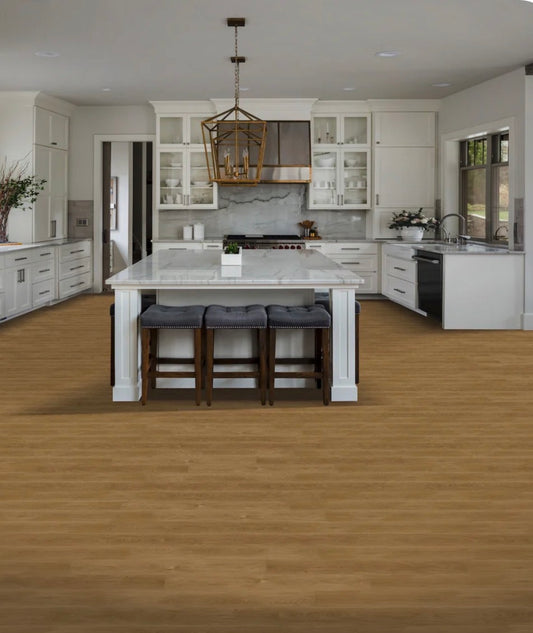
North Water Collection – Rainforest Brown | 28mil 12mm Extra Long SPC Flooring (9” x 72”)
Vendor:Republic Floors$6.39 / sq. ft. $86.10 per carton · 13.47 sq. ft. / carton12.0mm28mil9x72 -
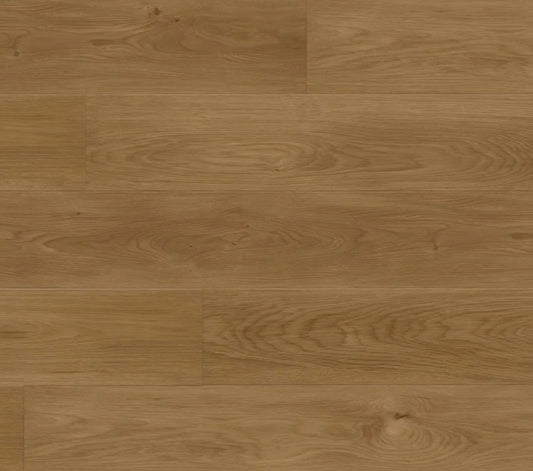
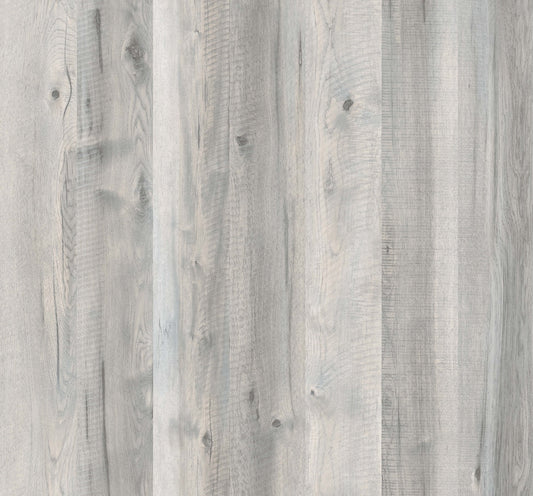
Walnut Hills - Granito Nero | 20mil 6mm 7x48 SPC Vinyl Plank | Republic Floor
Vendor:Republic Floors$3.69 / sq. ft. $87.50 per carton · 23.73 sq. ft. / carton6.0mm20mil7x48 -
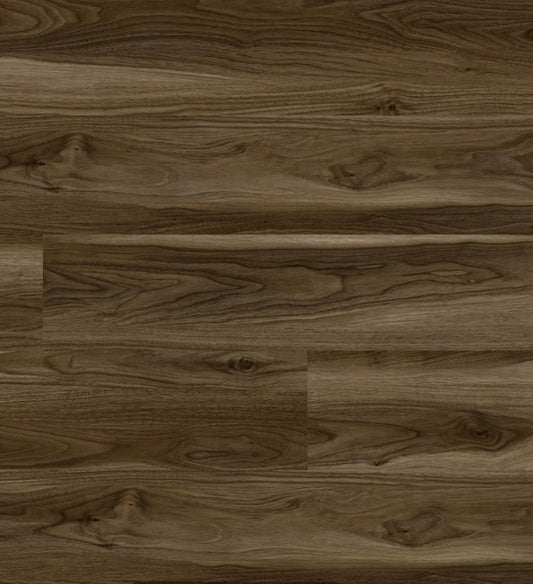
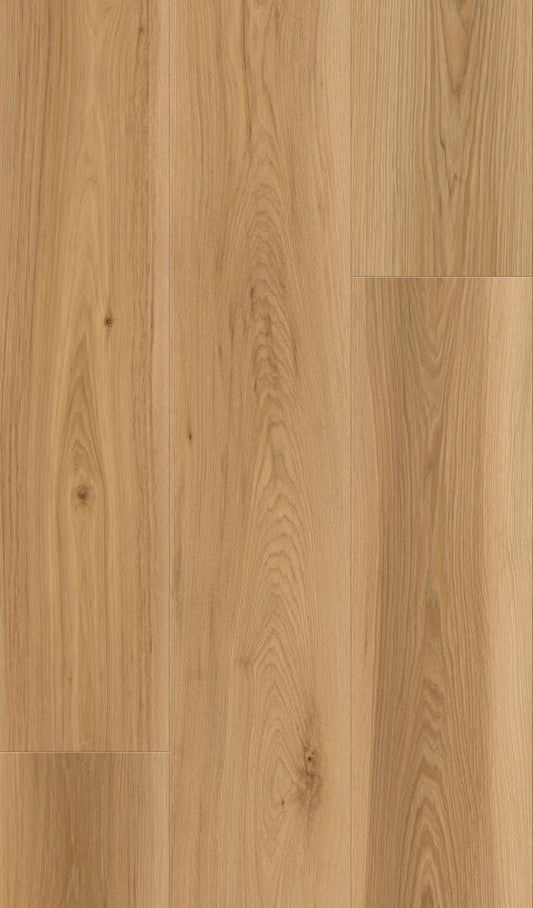
Oak Plains - Buckthorn | AC4 10mm 9x60 Waterproof Laminate | Republic Floor
Vendor:Republic Floors$3.79 / sq. ft. $102.60 per carton · 27.06 sq. ft. / carton10.0mm9x60 -
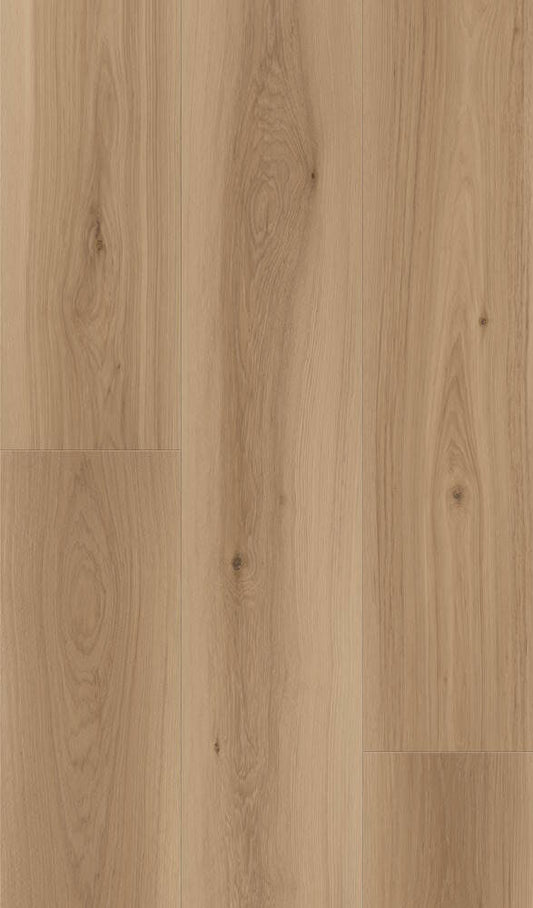
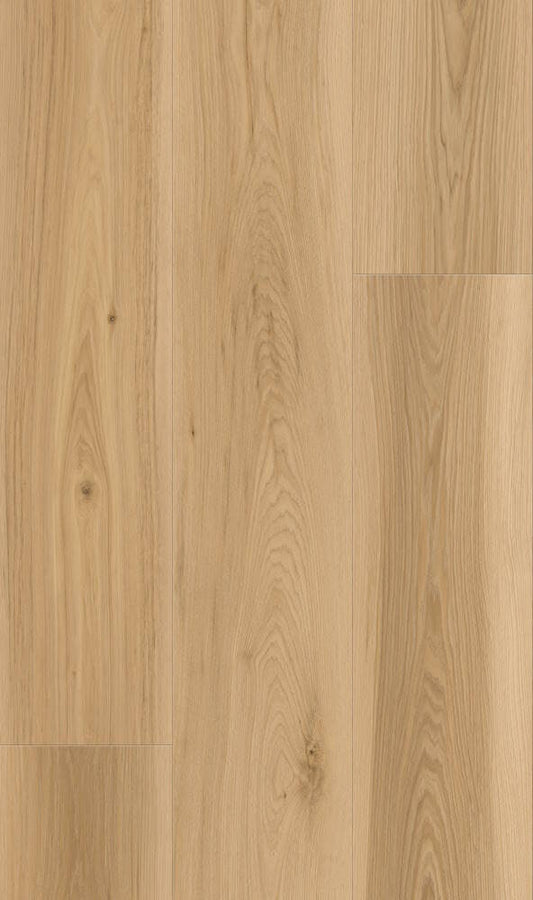
Oak Plains - Rose Apple | AC4 10mm 9x60 Waterproof Laminate | Republic Floor
Vendor:Republic Floors$3.79 / sq. ft. $102.60 per carton · 27.06 sq. ft. / carton10.0mm9x60 -
Oak Plains - Blackboard Tree | AC4 10mm 9x60 Waterproof Laminate | Republic Floor
Vendor:Republic Floors$3.79 / sq. ft. $102.60 per carton · 27.06 sq. ft. / carton10.0mm9x60 -
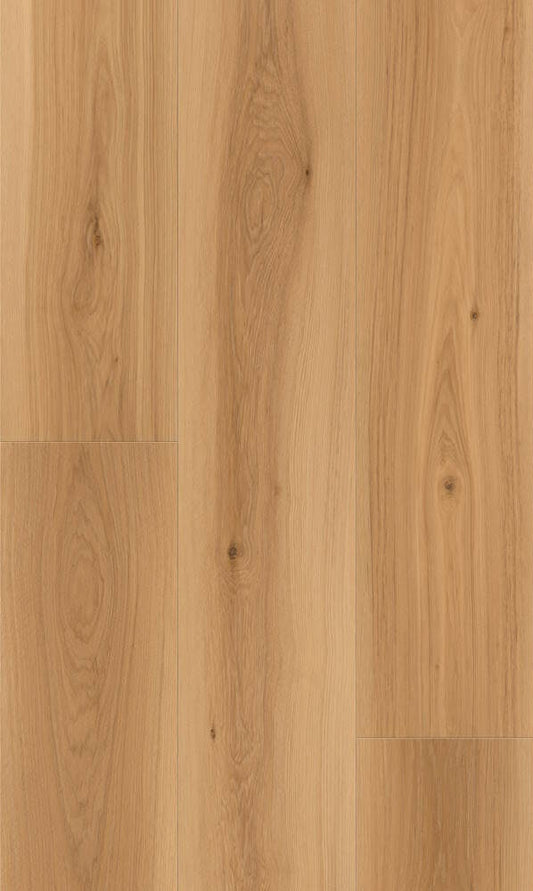
Oak Plains - Tree Of Heaven | AC4 10mm 9x60 Waterproof Laminate | Republic Floor
Vendor:Republic Floors$3.79 / sq. ft. $102.60 per carton · 27.06 sq. ft. / carton10.0mm9x60 -
Altus - Aura | AC5 10mm 9.37x72 Laminate | SLCC
Vendor:SLCC Flooring$3.49 / sq. ft. $98.31 per carton · 28.13 sq. ft. / carton10.0mm9.37x72 -
Altus - Altevia | AC5 10mm 9.37x72 Laminate | SLCC
Vendor:SLCC Flooring$3.49 / sq. ft. $98.31 per carton · 28.13 sq. ft. / carton10.0mm9.37x72 -
Altus - Altero | AC5 10mm 9.37x72 Laminate | SLCC
Vendor:SLCC Flooring$3.49 / sq. ft. $98.31 per carton · 28.13 sq. ft. / carton10.0mm9.37x72 -
Altus - Alevo | AC5 10mm 9.37x72 Laminate | SLCC
Vendor:SLCC Flooring$3.49 / sq. ft. $98.31 per carton · 28.13 sq. ft. / carton10.0mm9.37x72 -
Malta Islands - Cooper Dune | AC4 12.3mm 7.75x48 Waterproof Laminate | Republic Floor
Vendor:Republic Floors$3.95 / sq. ft. $80.60 per carton · 20.4 sq. ft. / carton12.3mm7x48 -
Malta Islands - Opal Cream | AC4 12.3mm 7.75x48 Waterproof Laminate | Republic Floor
Vendor:Republic Floors$3.95 / sq. ft. $80.60 per carton · 20.4 sq. ft. / carton12.3mm7x48 -
Malta Islands - Fusion Beige | AC4 12.3mm 7.75x48 Waterproof Laminate | Republic Floor
Vendor:Republic Floors$3.95 / sq. ft. $80.60 per carton · 20.4 sq. ft. / carton12.3mm7x48 -
Malta Islands - Coastal Ivory | AC4 12.3mm 7.75x48 Waterproof Laminate | Republic Floor
Vendor:Republic Floors$3.95 / sq. ft. $80.60 per carton · 20.4 sq. ft. / carton12.3mm7x48 -
Malta Islands - Amazon Gold | AC4 12.3mm 7.75x48 Waterproof Laminate | Republic Floor
Vendor:Republic Floors$3.95 / sq. ft. $80.60 per carton · 20.4 sq. ft. / carton12.3mm7x48 -
Malta Islands - Colorado Gold | AC4 12.3mm 7.75x48 Waterproof Laminate | Republic Floor
Vendor:Republic Floors$3.95 / sq. ft. $80.60 per carton · 20.4 sq. ft. / carton12.3mm7x48












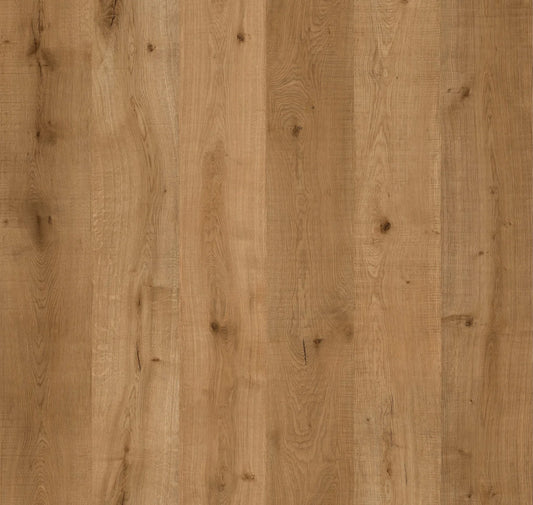
Choosing Flooring That Makes Scratches Less Noticeable
No flooring is completely scratch-proof.
However, some colors, textures, patterns, and finishes can make minor scratches and everyday wear less visible.
The most forgiving flooring often includes:
- Matte surfaces
- Textured grain
- Medium-tone coloring
- Natural shade variation
- Weathered visuals
- Rustic patterns
- Low-gloss finishes
Best flooring colors for hiding scratches
Medium colors generally conceal marks better than extreme shades.
Useful options include:
- Natural oak
- Warm greige
- Medium brown
- Weathered oak
- Muted gray
- Multi-tonal wood
- Rustic beige
Very dark flooring may show pale scratches.
Very light flooring may show dark scuffs and debris.
Matte flooring and scratches
Matte finishes reflect less light, making fine scratches less obvious.
They may also reduce the visibility of:
- Dust
- Footprints
- Paw marks
- Surface smudges
- Minor scuffs
Textured flooring and scratches
Embossed, wire-brushed, and distressed surfaces contain natural visual irregularity.
This can help new marks blend into the existing texture.
Useful finishes include:
- Embossed wood grain
- Embossed-in-register texture
- Wire-brushed hardwood
- Hand-scraped visuals
- Weathered grain
- Rustic knots
Vinyl flooring that hides scratches
Vinyl with a matte finish, textured grain, and medium-tone visual may conceal minor wear better than smooth glossy products.
For better durability, consider:
- 20 mil wear layers
- 22 mil wear layers
- Enhanced surface coatings
- EIR texture
- Moderate color variation
Laminate flooring that hides scratches
Laminate often provides strong surface abrasion resistance.
AC4 and AC5 products may be appropriate for busy residential areas.
Textured oak and weathered designs can make small marks less noticeable.
Engineered hardwood that hides scratches
Real wood can scratch, but wire-brushed and character-grade engineered hardwood can age more gracefully than smooth glossy flooring.
Natural knots, grain, and color variation help marks blend into the surface.
Flooring for homes with pets
Pet households may benefit from:
- Matte finishes
- Medium tones
- Textured surfaces
- Natural variation
- Durable wear layers
- Scratch-resistant coatings
Pet nails should still be trimmed regularly.
Flooring for busy entrances
Entryways collect sand and grit, which can scratch flooring.
Use:
- Exterior mats
- Interior walk-off mats
- Regular sweeping
- Approved runners
- Felt furniture pads
- Prompt dirt removal
Reducing visible scratches
Helpful practices include:
- Lift furniture instead of dragging it
- Use felt pads
- Remove grit regularly
- Use soft chair casters
- Trim pet nails
- Avoid abrasive cleaners
- Use approved mats
- Keep spare planks for repairs
Frequently asked questions
What flooring color hides scratches best?
Medium natural oak, greige, weathered wood, and multi-tonal designs are often the most forgiving.
Does dark flooring show scratches?
Yes. Pale scratches and dust may be highly visible on dark brown or black flooring.
Does matte flooring hide scratches better than glossy flooring?
Usually, yes. Matte surfaces reflect less light and make fine marks less obvious.
Is laminate scratch-proof?
No, but high-quality laminate may offer strong scratch and abrasion resistance.
Does textured flooring hide damage?
Texture and visual variation can help minor marks blend into the flooring design.
Explore related options in Scratch-Resistant Laminate Flooring, Scratch-Resistant WPC Flooring, Heavy Duty Vinyl Flooring, and EIR SPC Flooring.
Explore related flooring
Browse related flooring collections, brands and styles before making your final choice.