
Collection: Flooring for Student Housing
Explore flooring for student housing, selected for dormitories, student apartments, bedrooms, shared kitchens, corridors, lounges, study areas, and other approved interiors. Compare commercial glue-down LVT, low-profile vinyl, maintenance requirements, colors, plank sizes, and installation methods.
-
VaccuBond LVT DECKERED Heavy Commercial 22mil 3mm 9x48
Vendor:VaccuBond LVT$5.33 / sq. ft. $160.00 per carton · 30.0 sq. ft. / carton3.0mm22mil9x48 -
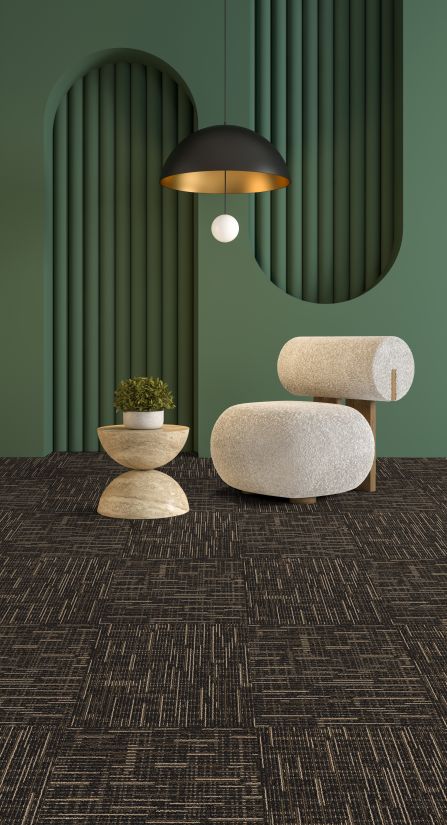
West Point Carpet Tile Brown– 20” x 20” – Commercial Grade
Vendor:United Weavers$2.79 / sq. ft. $150.40 per carton · 53.82 sq. ft. / carton6.0mm20x20Sale -
VaccuBond LVT Heavy Commercial Rustic Olive 22mil 3mm 9x48
Vendor:VaccuBond LVT$5.33 / sq. ft. $160.00 per carton · 30.0 sq. ft. / carton3.0mm22mil9x48 -
VaccuBond LVT Heavy Commercial Granite Grey 22mil 3mm 9x48
Vendor:VaccuBond LVT$5.33 / sq. ft. $160.00 per carton · 30.0 sq. ft. / carton3.0mm22mil9x48 -
Active Spaces - Reno | 20 mil 2.5mm 7.25x48 Glue Down LVP | Aperion
Vendor:Aperion$2.28 / sq. ft. $110.00 per carton · 48.34 sq. ft. / carton2.5mm20mil7x48 -
Active Spaces - Riviera Beach | 20 mil 2.5mm 7.25x48 Glue Down LVP | Aperion
Vendor:Aperion$2.28 / sq. ft. $110.00 per carton · 48.34 sq. ft. / carton2.5mm20mil7x48 -
VaccuBond LVT DESERT SAND Heavy Commercial 22mil 3mm 9x48
Vendor:VaccuBond LVT$5.33 / sq. ft. $160.00 per carton · 30.0 sq. ft. / carton3.0mm22mil9x48 -
VaccuBond LVT Heavy Commercial Starboard 22mil 3mm 9x48
Vendor:VaccuBond LVT$5.33 / sq. ft. $160.00 per carton · 30.0 sq. ft. / carton3.0mm22mil9x48 -
Rockwell Bradford 30mil 3mm 12x24 Tile Look LVT | Infinity Floors
Vendor:Infinity Floor$2.13 / sq. ft. $64.00 per carton · 30.03 sq. ft. / carton3.0mm30mil12x24 -
VaccuBond LVT BALTIMORE Heavy Commercial 22mil 3mm 9x48
Vendor:VaccuBond LVT$5.33 / sq. ft. $160.00 per carton · 30.0 sq. ft. / carton3.0mm22mil9x48 -
VaccuBond LVT ERIS Heavy Commercial 22mil 3mm 9x48
Vendor:VaccuBond LVT$5.33 / sq. ft. $160.00 per carton · 30.0 sq. ft. / carton3.0mm22mil9x48 -
VaccuBond LVT Heavy Commercial Mineral Grey 22mil 3mm 9x48
Vendor:VaccuBond LVT$5.33 / sq. ft. $160.00 per carton · 30.0 sq. ft. / carton3.0mm22mil9x48 -
Formalay - Contour Flex | 20mil 5mm 9x60 Looselay LVP | Lions Floor
Vendor:Lions Floor$3.29 / sq. ft. $74.00 per carton · 22.5 sq. ft. / carton5.0mm20mil9x60 -
Formalay - StrataView | 20mil 5mm 9x60 Looselay LVP | Lions Floor
Vendor:Lions Floor$3.29 / sq. ft. $74.00 per carton · 22.5 sq. ft. / carton5.0mm20mil9x60 -
Formalay - Apex Form | 20mil 5mm 9x60 Looselay LVP | Lions Floor
Vendor:Lions Floor$3.29 / sq. ft. $74.00 per carton · 22.5 sq. ft. / carton5.0mm20mil9x60 -
Rockwell Hudson 30mil 3mm 12x24 Tile Look LVT | Infinity Floors
Vendor:Infinity Floor$2.13 / sq. ft. $64.00 per carton · 30.03 sq. ft. / carton3.0mm30mil12x24







Flooring for Student Housing
Flooring for student housing should be selected for the specific building, room, traffic level, maintenance program, subfloor and turnover schedule.
Dormitories and student apartments can place very different demands on flooring than an ordinary single-family bedroom. Corridors, entrances, shared kitchens, lounges and study areas may receive considerably more traffic than private rooms.
What Flooring Is Best for Student Housing?
Commercial glue-down LVT and approved SPC are two practical categories to compare.
Glue-down LVT may work well where a project requires:
- Direct subfloor attachment
- Low finished-floor height
- Individual-plank replacement
- Large continuous installations
- Commercial wear layers
- Efficient unit-turn repairs
Approved SPC may be useful where a project prioritizes:
- Waterproof plank construction
- Floating click installation
- Rigid-core performance
- Attached backing where specified
- Wood-look visuals
- Installation over approved prepared subfloors
Explore commercial-grade vinyl flooring when comparing products for demanding shared spaces.
Flooring for Dormitory Bedrooms
Dormitory bedrooms require a balance of appearance, cleanability and practical surface performance.
Useful characteristics may include:
- Wood-look visuals
- Neutral colors
- Textured surfaces
- Durable wear layers
- Straightforward routine cleaning
- Compatibility with beds, desks and rolling chairs
- Repairable installation systems
Medium natural wood colors can be particularly practical because they coordinate with changing furniture and may disguise ordinary dust better than extremely dark or pale uniform floors.
Flooring for Corridors and Common Areas
Corridors, lounges and shared study areas often receive concentrated traffic.
Product selection should consider:
- Documented commercial approval
- Wear-layer thickness
- Surface coating
- Rolling-load requirements
- Chair and furniture movement
- Entryway grit
- Cleaning frequency
- Transition placement
- Replacement planning
For directly bonded installations, compare glue-down LVT flooring.
Flooring for Student Apartments
Student apartments may contain bedrooms, living rooms, kitchens and dining areas within one connected installation.
Waterproof SPC may simplify the cleanup of ordinary spills and tracked moisture. Glue-down vinyl can provide a low-profile surface and support individual-plank replacement during unit turns.
The best construction depends on the subfloor, project scale, installation schedule and intended traffic classification.
Student Housing Renovations and Unit Turns
Fast turnover does not remove the need for proper subfloor preparation.
Before installation, inspect:
- Existing flooring
- Concrete moisture
- Subfloor flatness
- Loose or damaged materials
- Adhesive residue
- Cracks and joints
- Door clearance
- Transition heights
- Furniture movement schedule
- Required curing time
A hurried installation over an unsuitable substrate can create avoidable problems after students move into the space.
Glue-Down Versus Floating Flooring
Glue-down flooring is bonded to the substrate and may make local plank repairs easier. It can also support large continuous areas when the individual system permits them.
Floating flooring connects through a locking profile and is not bonded across the complete substrate. It requires correct expansion space and may require transitions or maximum-run limitations.
Browse SPC vinyl plank flooring when comparing rigid-core floating options.
Flooring for Multifamily Student Apartments
Multifamily buildings may introduce additional requirements involving:
- Acoustic performance
- Floor-ceiling assemblies
- Moisture control
- Building management approval
- Transition placement
- Commercial traffic
- Unit access
- Installation scheduling
Peel-and-press products may be considered for selected projects where the exact flooring and substrate are compatible. Explore peel-and-press LVT for multifamily housing for a more focused installation category.
Frequently Asked Questions
What flooring works best in student housing?
Commercial glue-down LVT and carpet tile are strong categories to compare. The correct product depends on the room, traffic, subfloor and building requirements.
Is waterproof flooring useful in student apartments?
Waterproof plank construction can simplify ordinary spill cleanup, but it does not waterproof the complete building or subfloor.
Is glue-down LVT suitable for dormitory corridors?
Commercially approved glue-down LVT may suit corridors when its wear layer, maintenance system and installation requirements match the project.
Can student housing use residential flooring?
Only when the product is explicitly approved for the intended application and expected traffic.
What colors work well in student housing?
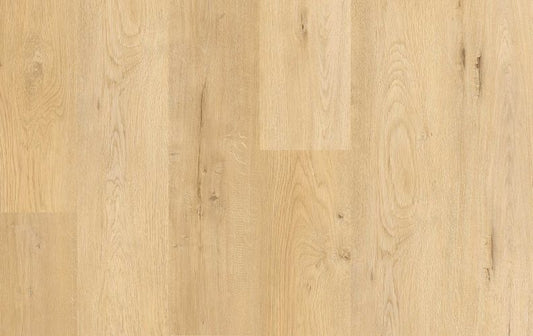
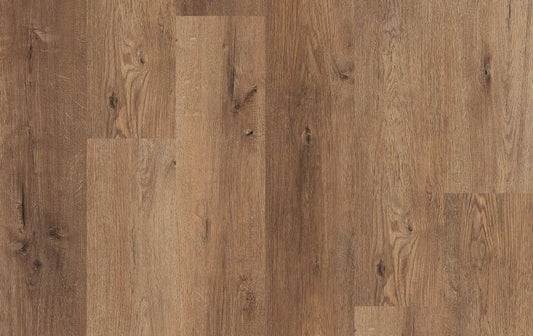
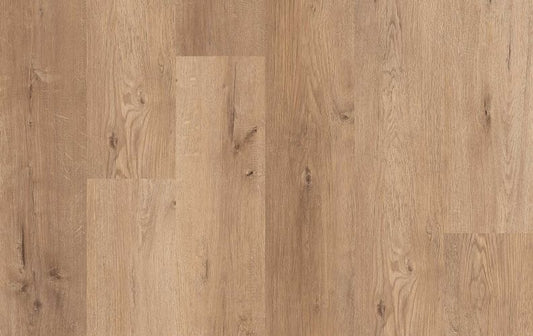
Natural oak, greige and medium-brown visuals are versatile and coordinate with changing furniture and interior schemes.
Should flooring samples be reviewed before specification?
Yes. Samples help the project team compare color, texture, sheen and variation under the building’s actual lighting.
Explore related flooring
Browse related flooring collections, brands and styles before making your final choice.