
Collection: Engineered Hardwood vs Laminate Flooring
Compare engineered hardwood and laminate flooring with both materials ready to shop. Explore genuine wood veneers beside printed wood visuals, then compare surface specifications, moisture requirements and installation methods. Choose the appearance and construction that suit your room and budget.
-
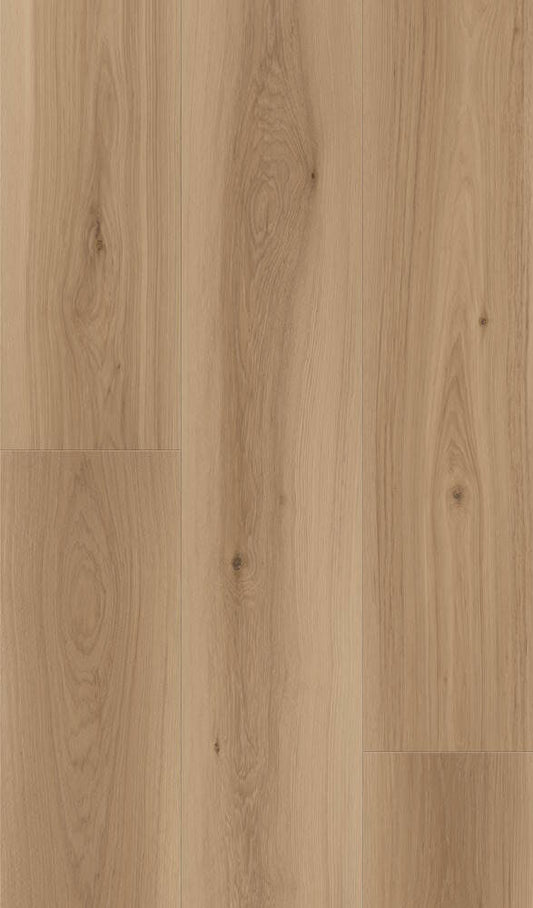
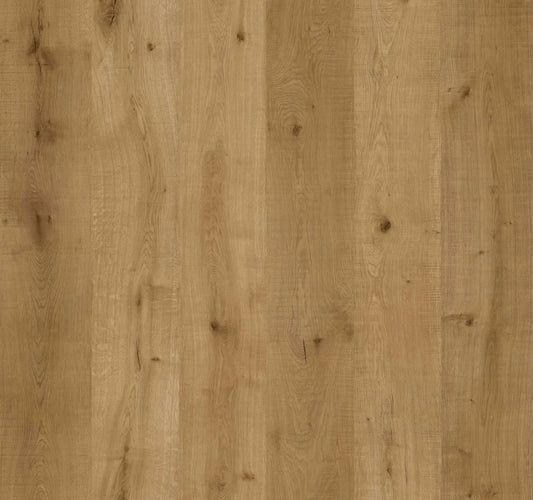
Oak Plains - Buckthorn | AC4 10mm 9x60 Waterproof Laminate | Republic Floor
Vendor:Republic Floors$3.79 / sq. ft. $102.60 per carton · 27.06 sq. ft. / carton10.0mm9x60 -
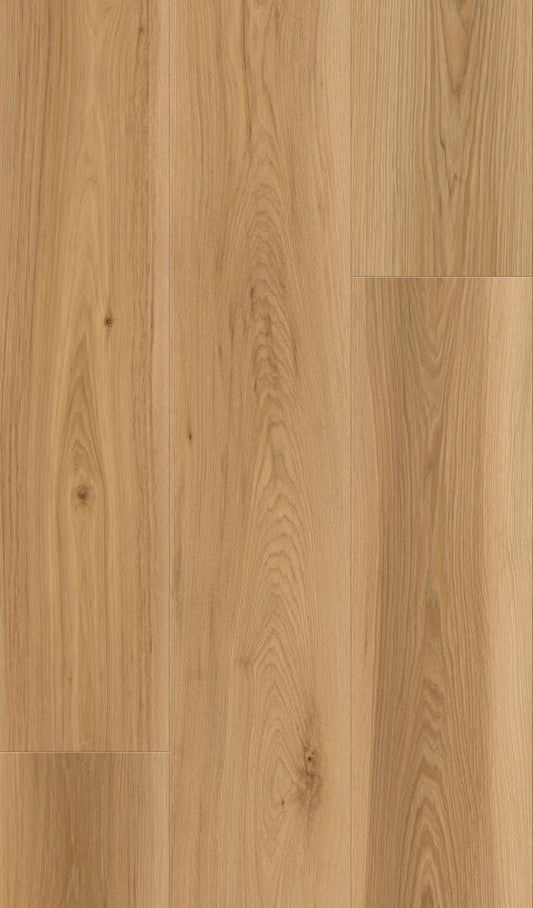
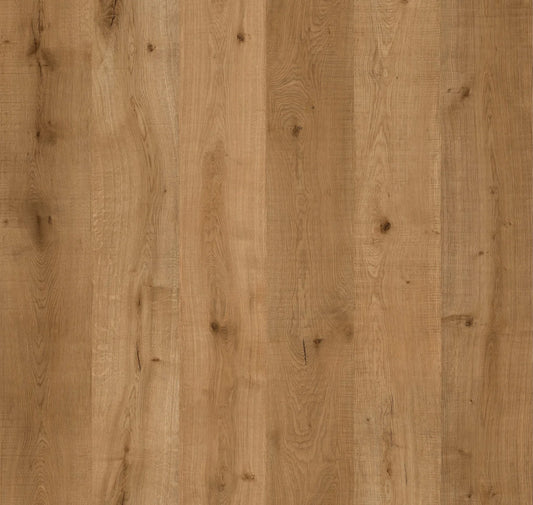
Oak Plains - Rose Apple | AC4 10mm 9x60 Waterproof Laminate | Republic Floor
Vendor:Republic Floors$3.79 / sq. ft. $102.60 per carton · 27.06 sq. ft. / carton10.0mm9x60 -
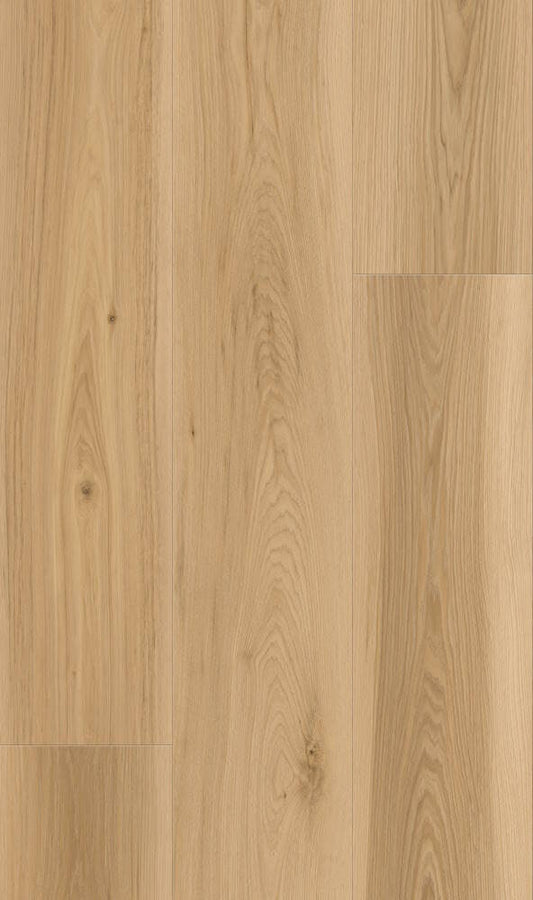
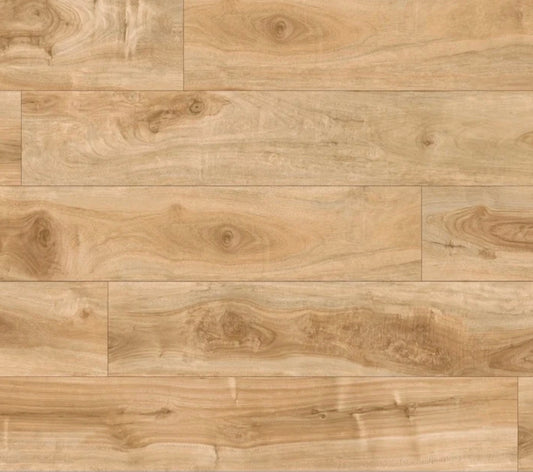
Oak Plains - Blackboard Tree | AC4 10mm 9x60 Waterproof Laminate | Republic Floor
Vendor:Republic Floors$3.79 / sq. ft. $102.60 per carton · 27.06 sq. ft. / carton10.0mm9x60 -
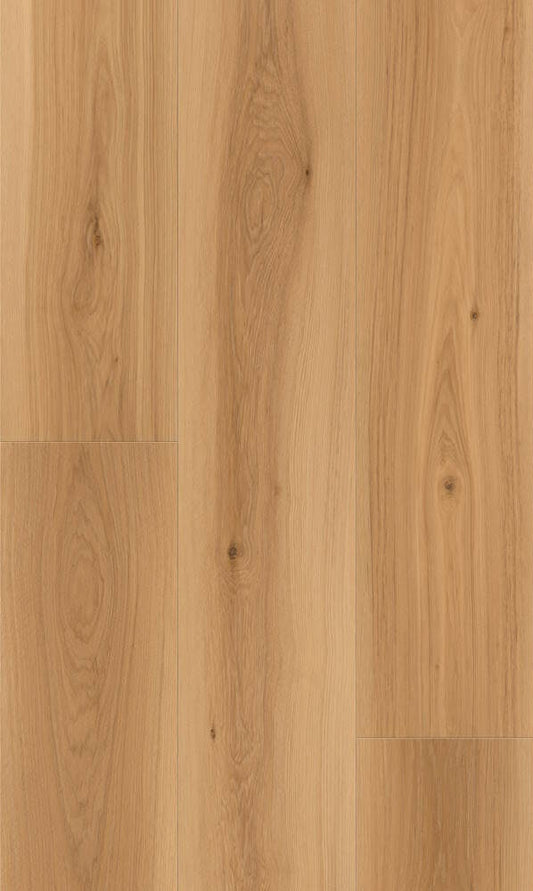
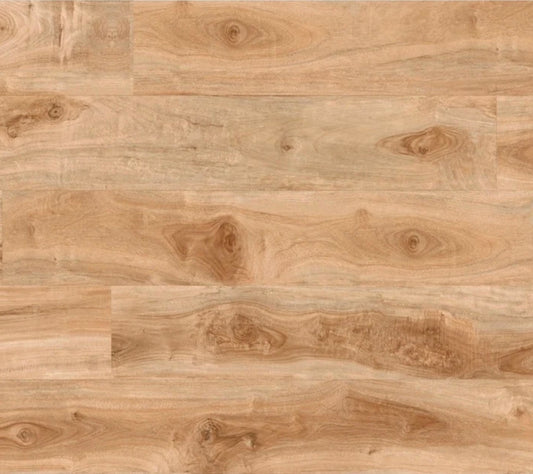
Oak Plains - Tree Of Heaven | AC4 10mm 9x60 Waterproof Laminate | Republic Floor
Vendor:Republic Floors$3.79 / sq. ft. $102.60 per carton · 27.06 sq. ft. / carton10.0mm9x60 -
Atlus - Aura | AC5 10mm 9.4x72” Laminate | SLCC
Vendor:SLCC Flooring$3.49 / sq. ft. $98.31 per carton · 28.13 sq. ft. / carton10.0mm9x72 -
Atlus - Altevia | AC5 10mm 9.4x72” Laminate | SLCC
Vendor:SLCC Flooring$3.49 / sq. ft. $98.31 per carton · 28.13 sq. ft. / carton10.0mm9x72 -
Atlus - Altero | AC5 10mm 9.4x72” Laminate | SLCC
Vendor:SLCC Flooring$3.49 / sq. ft. $98.31 per carton · 28.13 sq. ft. / carton10.0mm9x72 -
Atlus - Alevo | AC5 10mm 9.4x72” Laminate | SLCC
Vendor:SLCC Flooring$3.49 / sq. ft. $98.31 per carton · 28.13 sq. ft. / carton10.0mm9x72 -
Malta Islands - Cooper Dune | AC4 12.3mm 7.75x48 Waterproof Laminate | Republic Floor
Vendor:Republic Floors$3.95 / sq. ft. $80.60 per carton · 20.4 sq. ft. / carton12.3mm7x48 -
Malta Islands - Opal Cream | AC4 12.3mm 7.75x48 Waterproof Laminate | Republic Floor
Vendor:Republic Floors$3.95 / sq. ft. $80.60 per carton · 20.4 sq. ft. / carton12.3mm7x48 -
Malta Islands - Fusion Beige | AC4 12.3mm 7.75x48 Waterproof Laminate | Republic Floor
Vendor:Republic Floors$3.95 / sq. ft. $80.60 per carton · 20.4 sq. ft. / carton12.3mm7x48 -
Malta Islands - Coastal Ivory | AC4 12.3mm 7.75x48 Waterproof Laminate | Republic Floor
Vendor:Republic Floors$3.95 / sq. ft. $80.60 per carton · 20.4 sq. ft. / carton12.3mm7x48 -
Malta Islands - Amazon Gold | AC4 12.3mm 7.75x48 Waterproof Laminate | Republic Floor
Vendor:Republic Floors$3.95 / sq. ft. $80.60 per carton · 20.4 sq. ft. / carton12.3mm7x48 -
Malta Islands - Colorado Gold | AC4 12.3mm 7.75x48 Waterproof Laminate | Republic Floor
Vendor:Republic Floors$3.95 / sq. ft. $80.60 per carton · 20.4 sq. ft. / carton12.3mm7x48 -
Platinum - Rustic Apple | AC4 12.3mm 5.5x48 Laminate | Republic Floors
Vendor:Republic Floors$3.29 / sq. ft. $62.30 per carton · 18.96 sq. ft. / carton12.3mm5.5x48 -
Platinum - Golden Apple | AC4 12.3mm 5.5x48 Laminate | Republic Floors
Vendor:Republic Floors$3.29 / sq. ft. $62.30 per carton · 18.96 sq. ft. / carton12.3mm5.5x48






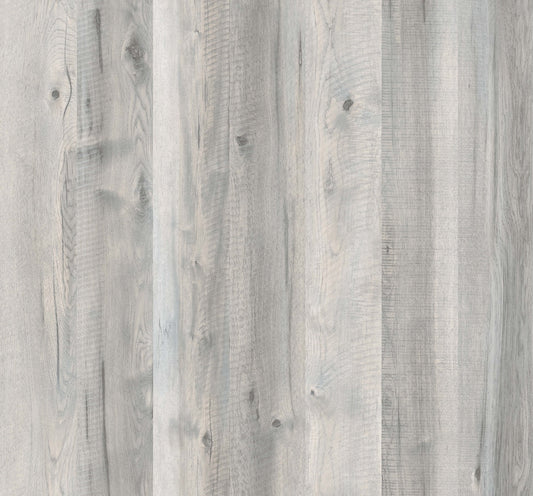

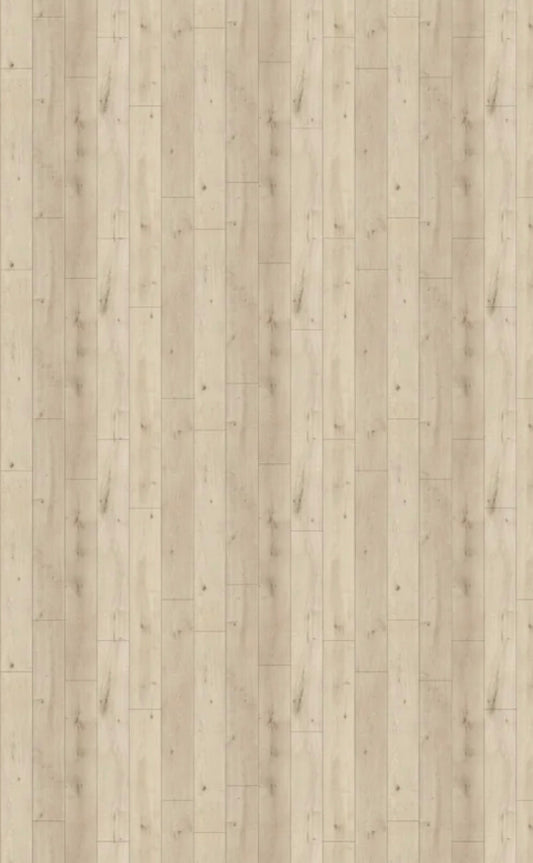


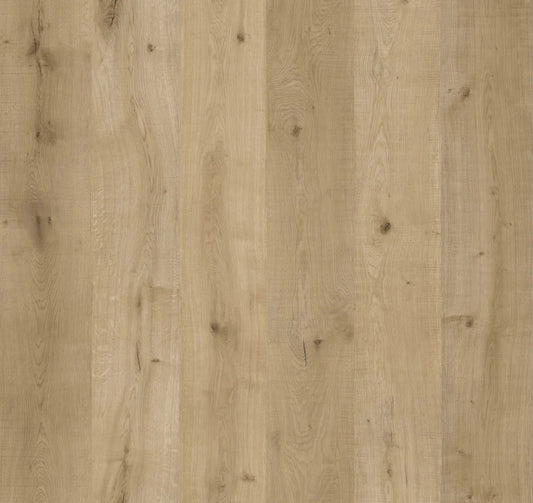




A Real Wood Veneer or a Printed Wood Visual?
Engineered hardwood has a genuine wood surface over a supporting core. Laminate uses a printed decorative visual over a manufactured wood fiber core, commonly HDF. Both can bring a wood appearance into a room, but the visible material is different.
This distinction matters if authentic wood grain is a priority. Genuine wood varies naturally from board to board. Laminate designs use repeatable printed visuals, with pattern variation depending on the product. Compare several boards rather than making the decision from one photograph.
How the Surface Specifications Differ
A hardwood veneer thickness describes the depth of the real wood surface. A laminate AC classification describes abrasion performance. These specifications are not equivalent and should not be used to claim that one material has a matching wear layer.
Explore 4mm veneer engineered hardwood flooring for a wood surface comparison and AC5 laminate flooring for a laminate class comparison. Review finish, intended use and care alongside the headline measurement.
Can Either Floor Be Refinished?
Some engineered hardwood can be professionally refinished when the remaining wood, board profile and condition allow it. The veneer measurement alone does not guarantee a fixed number of sanding cycles. Thin surfaces need particular care when assessing feasibility.
Laminate's decorative surface should not be sanded like genuine wood. If future refinishing is central to the purchase, discuss the actual engineered product with a qualified professional before ordering. Routine maintenance and repair possibilities also belong in the comparison.
Moisture and the Intended Room
Engineered wood is still moisture sensitive despite its layered construction. Laminate products have their own water resistance classifications and installation details. Neither material should be selected on the assumption that every product is suitable for a persistently damp location.
Assess the room's substrate and exposure, including concrete moisture and cleaning practices. Resolve leaks and environmental issues first. The manufacturer's approval for the exact product matters more than broad claims attached to a category name.
Texture, Grade and Board Scale
Engineered hardwood can be smooth, brushed or otherwise textured, depending on the product. Grading controls permitted natural character within the manufacturer's system. Laminate can use grain aligned EIR texture and varied decorative patterns.
Compare the floor beside countertops, painted cabinets and upholstery. A clean grain wood surface and a high variation laminate visual can create very different interiors. Board width, length, bevel and sheen may influence the room as much as material type.
Installation and Total Project Cost
Engineered wood can have different approved installation methods, including adhesive, mechanical fastening or floating where permitted. Laminate commonly uses a floating connection. Check the actual system, backing and substrate requirements before comparing labor.
Browse engineered hardwood flooring and laminate flooring to refine the shortlist. Include preparation, carton coverage, cut allowance and transitions in the cost comparison. Request available samples and choose a product that meets the project's practical requirements as well as its visual goal.
Frequently Asked Questions
Is engineered hardwood genuine wood?
Yes. It has a real wood surface over a supporting core. Laminate instead uses a printed decorative visual.
Can laminate be sanded and refinished?
Its decorative surface should not be sanded like hardwood. Follow the manufacturer's care and repair guidance.
Does a 4mm veneer equal an AC5 rating?
No. They describe different properties in different materials and cannot be converted into each other.
Which material works over concrete?
Some products in each category permit concrete installations with specified preparation. Use the actual product's approval and moisture requirements.
Explore related flooring
Browse related flooring collections, brands and styles before making your final choice.