
Collection: EIR Laminate Flooring
Shop EIR laminate flooring with embossed-in-register textures aligned to the printed wood grain for realistic knots, pores, and natural surface detail. Compare AC ratings, thicknesses, plank sizes, moisture protection, bevels, colors, and attached pads.
-
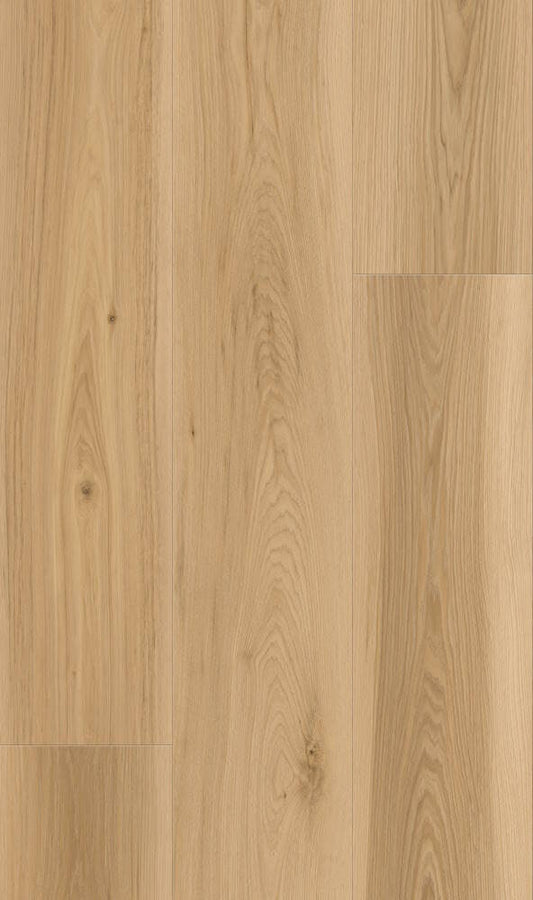
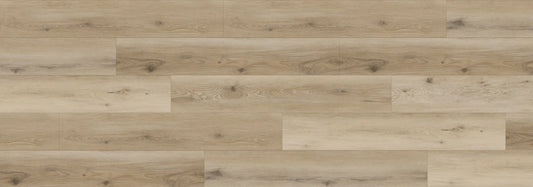
North Forest Sand River – 12mm AC5 Waterproof Laminate Flooring | 9” x 72” Extra Long Planks
Vendor:Republic FloorsRegular price From $0.00 USDRegular priceUnit price $3.99/ft² -
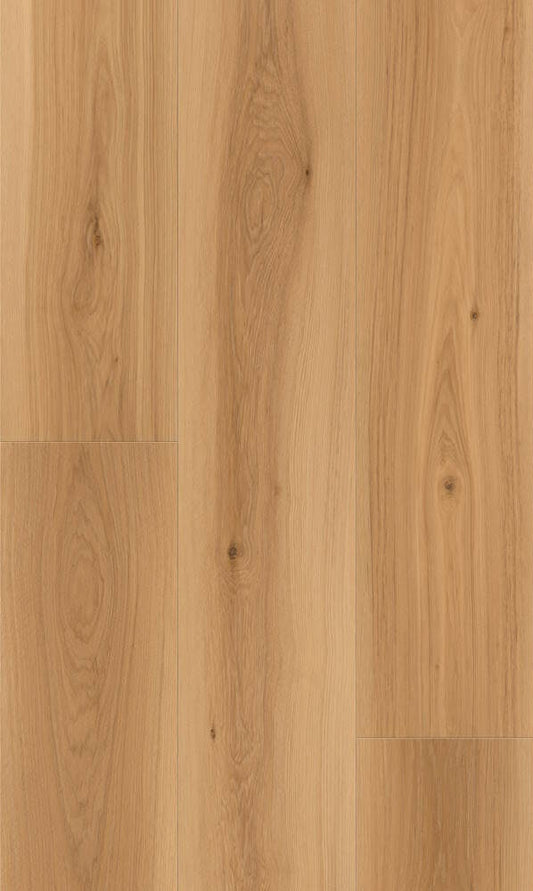
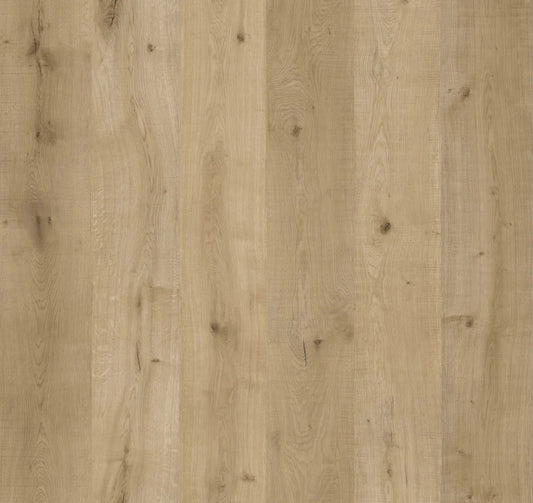
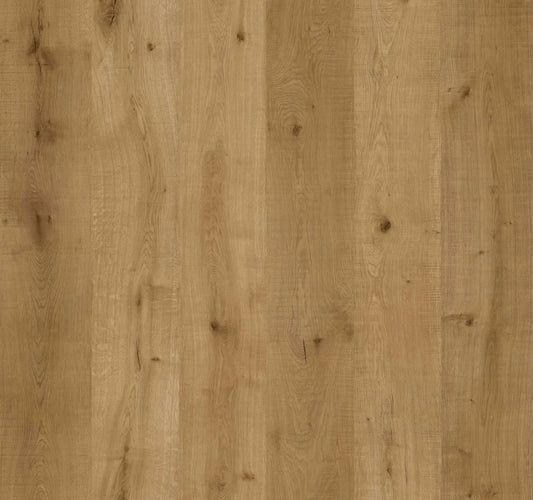
North Forest Spanish Gold – 12mm AC5 Waterproof Laminate Flooring | 9” x 72” Extra Long Planks
Vendor:Republic FloorsRegular price From $0.00 USDRegular priceUnit price $3.99/ft² -

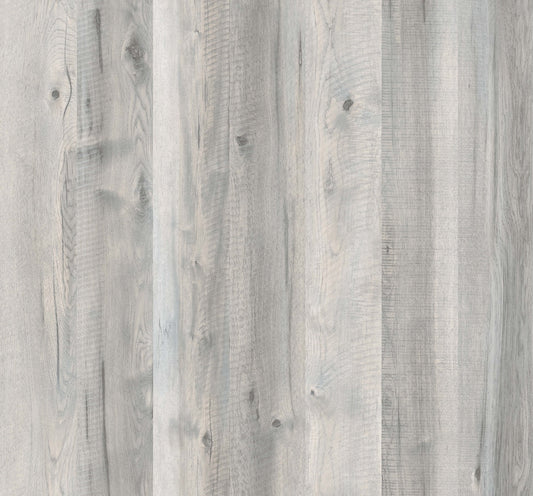
North Forest Stantead Grey – 12mm AC5 Waterproof Laminate Flooring | 9” x 72” Extra Long Planks
Vendor:Republic FloorsRegular price From $0.00 USDRegular priceUnit price $3.69/ft²$3.99 USDSale price From $0.00 USDSale -
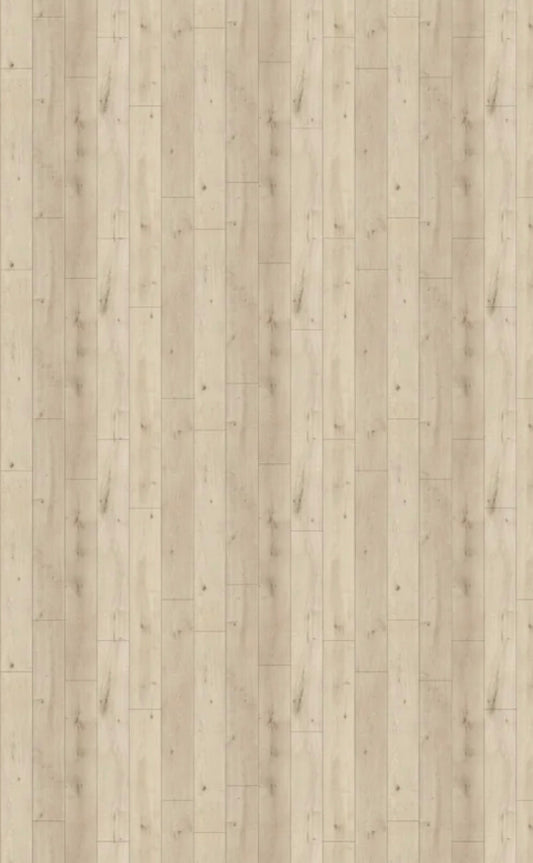
Oak Plains - Buckthorn | AC4 10mm 9x60 Waterproof Laminate | Republic Floor
Vendor:Republic FloorsRegular price From $0.00 USDRegular priceUnit price $3.79/ft² -
Oak Plains - Rose Apple | AC4 10mm 9x60 Waterproof Laminate | Republic Floor
Vendor:Republic FloorsRegular price From $0.00 USDRegular priceUnit price $3.79/ft² -
Oak Plains - Blackboard Tree | AC4 10mm 9x60 Waterproof Laminate | Republic Floor
Vendor:Republic FloorsRegular price From $0.00 USDRegular priceUnit price $3.79/ft² -
Oak Plains - Tree Of Heaven | AC4 10mm 9x60 Waterproof Laminate | Republic Floor
Vendor:Republic FloorsRegular price From $0.00 USDRegular priceUnit price $3.79/ft² -
Atlus - Aura | AC5 10mm 9.4x72” Laminate | SLCC
Vendor:SLCC FlooringRegular price From $0.00 USDRegular priceUnit price $3.49/ft² -
Atlus - Altevia | AC5 10mm 9.4x72” Laminate | SLCC
Vendor:SLCC FlooringRegular price From $0.00 USDRegular priceUnit price $3.49/ft² -
Atlus - Altero | AC5 10mm 9.4x72” Laminate | SLCC
Vendor:SLCC FlooringRegular price From $0.00 USDRegular priceUnit price $3.49/ft² -
Atlus - Alevo | AC5 10mm 9.4x72” Laminate | SLCC
Vendor:SLCC FlooringRegular price From $0.00 USDRegular priceUnit price $3.49/ft² -
Malta Islands - Cooper Dune | AC4 12.3mm 7.75x48 Waterproof Laminate | Republic Floor
Vendor:Republic FloorsRegular price From $0.00 USDRegular priceUnit price $3.95/ft² -
Malta Islands - Opal Cream | AC4 12.3mm 7.75x48 Waterproof Laminate | Republic Floor
Vendor:Republic FloorsRegular price From $0.00 USDRegular priceUnit price $3.95/ft² -
Malta Islands - Fusion Beige | AC4 12.3mm 7.75x48 Waterproof Laminate | Republic Floor
Vendor:Republic FloorsRegular price From $0.00 USDRegular priceUnit price $3.95/ft² -
Malta Islands - Coastal Ivory | AC4 12.3mm 7.75x48 Waterproof Laminate | Republic Floor
Vendor:Republic FloorsRegular price From $0.00 USDRegular priceUnit price $3.95/ft² -
Malta Islands - Amazon Gold | AC4 12.3mm 7.75x48 Waterproof Laminate | Republic Floor
Vendor:Republic FloorsRegular price From $0.00 USDRegular priceUnit price $3.95/ft²
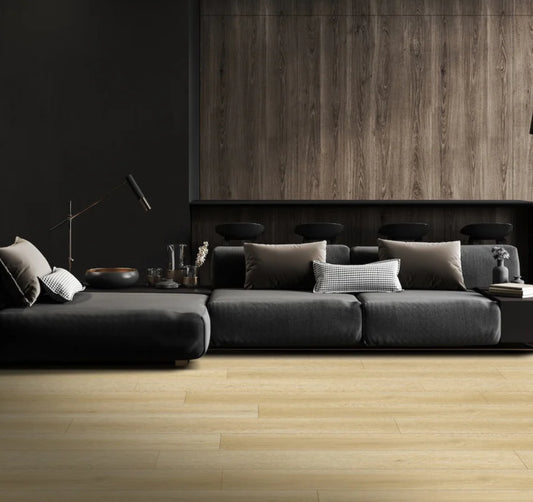
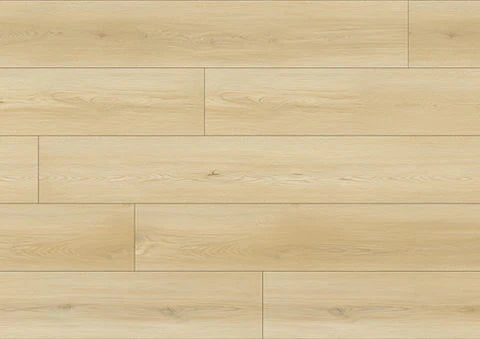


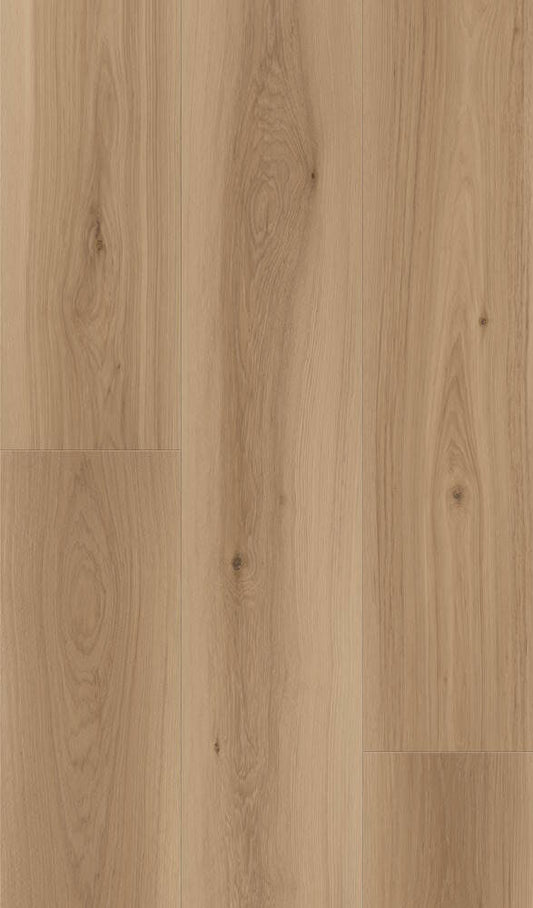

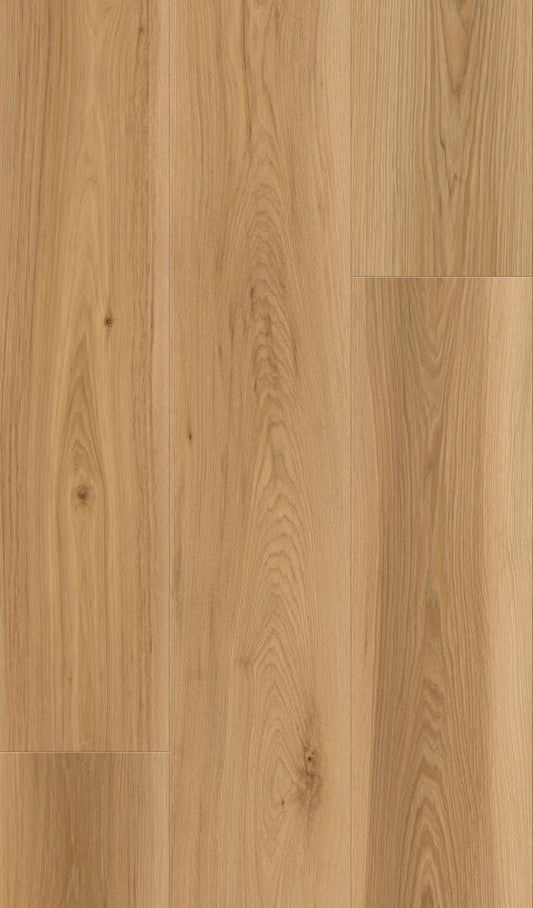







EIR Laminate Flooring
EIR laminate flooring uses embossed-in-register technology to align its physical surface texture with the wood design printed beneath it. Grain lines, knots, pores, cracks, and sawn markings can be felt where they appear visually, creating more convincing depth than a generic embossed surface.
EIR is one of the clearest examples of how dramatically laminate flooring has advanced. The best modern laminate should not be confused with the flat, glossy, repetitive products commonly installed during the 1990s and early 2000s.
What Does EIR Mean?
EIR stands for embossed in register. During manufacturing, the textured press plate is synchronized with the decorative wood image.
When the printed design shows a knot, the surface relief can follow that knot. When the image contains open grain or a filled crack, the texture can align with the same feature.
EIR may reproduce:
- Wood pores
- Straight grain
- Cathedral grain
- Knots
- Mineral markings
- Filled cracks
- Wire-brushed texture
- Sawn details
- Natural surface movement
This synchronization creates more realistic tactile and visual alignment.
EIR Versus Standard Embossing
Standard embossed laminate has physical texture, but that texture may not align with the printed image. A ridge can pass across a printed knot without following its shape.
Generic embossing may still reduce glare and make the floor feel less smooth, but EIR generally provides:
- More accurate grain alignment
- Greater visual depth
- Better knot definition
- More natural light reflection
- Improved close-range realism
- Stronger hardwood-inspired character
The quality of EIR varies. Image resolution, press accuracy, pattern size, sheen, bevel construction, and plank variation all affect the result.
Why Older Laminate Looked Artificial
Many early laminate floors used small image scans and limited plank variations. The same knots could appear repeatedly across a room, while glossy surfaces reflected light uniformly.
Common limitations included:
- Small pattern repeats
- Shallow generic texture
- Glossy finishes
- Basic square edges
- Limited color variation
- Short plank formats
- Less accurate wood imagery
- Basic locking systems
Modern EIR laminate may combine synchronized texture with high-definition imagery, multiple plank faces, pressed bevels, low-gloss finishes, wide boards, long lengths, stronger joints, and improved moisture protection.
EIR Versus Wood-Grain Embossing
Wood-grain embossing means a wood-inspired texture has been pressed into the surface. It does not necessarily mean the texture matches the printed wood image.
To qualify for this collection, official documentation should use language such as:
- EIR
- Embossed in register
- Synchronized embossing
- Registered embossing
- Photo-matched texture
- Another clearly equivalent manufacturing term
Products described only as embossed, textured, or wood grain should not automatically qualify.
EIR Versus Real Hardwood
EIR laminate can reproduce wood texture convincingly, but it remains a manufactured wood-look floor rather than genuine hardwood.
Real hardwood provides natural grain and unique board-to-board variation. EIR laminate may offer:
- More consistent color selection
- Strong abrasion performance
- Lower material cost
- Realistic synchronized texture
- Floating installation
- Water-resistant or waterproof options
- Reduced sensitivity to some ordinary surface scratches
- Wide and long plank formats
The choice depends on whether the buyer prioritizes genuine wood or modern wood-look performance.
Surface Sheen
Matte and low-gloss finishes often improve EIR realism because they reduce uniform glare and allow the registered grain to interact more naturally with light.
Evaluate samples:
- Under daylight
- Under artificial lighting
- At standing height
- From a low viewing angle
- Beside cabinets and furniture
- Across several boards
One small sample cannot demonstrate the full visual repeat or installed texture.
Pressed and Protected Bevels
A realistic edge helps define each laminate plank. Available styles may include:
- Pressed bevels
- Painted bevels
- Protected bevels
- Micro-bevels
- V-grooves
- Square edges
Bevel construction influences appearance, cleaning, and moisture protection. EIR describes the surface registration and does not automatically establish the type of edge.
AC Ratings
EIR describes texture rather than abrasion performance.
An EIR product may carry AC3, AC4, AC5, or another documented classification. Buyers should verify the AC rating separately.
EIR does not independently establish:
- Waterproof performance
- Commercial suitability
- Core density
- Plank thickness
- Joint strength
- Attached-pad construction
Thickness and Plank Dimensions
EIR laminate may be available in 8mm, 10mm, 12mm, 12.3mm, and other profiles.
Wide and long boards can strengthen the hardwood-inspired effect by providing more room for grain movement and reducing the number of visible seams.
Compare:
- Exact width
- Exact length
- Total thickness
- Attached-pad thickness
- Number of unique plank faces
- Pattern-repeat size
- Edge design
- Installation requirements
Moisture Protection
EIR laminate may be standard, water resistant, or waterproof. The texture does not determine moisture performance.
Verify:
- Published moisture classification
- Water-protection period
- Core treatment
- Edge protection
- Approved rooms
- Perimeter requirements
- Cleaning restrictions
- Concrete vapor requirements
Colors and Wood Styles
EIR technology may reproduce:
- White oak
- European oak
- Red oak
- Hickory
- Maple
- Walnut
- Smoked oak
- Reclaimed wood
- Character-grade timber
- Sawn wood
Color families may include blonde, natural, beige, greige, honey, medium brown, smoked brown, and darker walnut tones.
Installation
Most EIR laminate uses floating click-lock installation.
The subfloor should be:
- Dry
- Clean
- Structurally sound
- Flat within tolerance
- Properly protected from concrete vapor
- Compatible with the specified underlayment
Mix cartons during installation so similar printed faces do not become clustered together.
Cleaning and Maintenance
Routine care may include:
- Vacuuming loose grit
- Using a soft flooring attachment
- Cleaning with laminate-approved products
- Using a microfiber pad
- Removing spills promptly
- Avoiding wax and polish
- Avoiding abrasive brushes
- Protecting furniture feet
- Following moisture instructions
- Maintaining stable indoor conditions
Frequently Asked Questions
What does EIR mean?
EIR means the embossed texture is registered or aligned with the printed wood image.
Is EIR better than ordinary embossing?
It generally provides more realistic visual and tactile alignment.
Is all textured laminate EIR?
No. Generic embossing may not correspond with the printed design.
Does EIR make laminate more durable?
Not by itself. Durability should be evaluated using AC rating and complete construction.
Does EIR laminate look like hardwood?
Premium EIR can provide convincing grain, knots, bevels, color movement, and low-sheen wood visuals.
Is EIR laminate waterproof?
Only when the manufacturer separately verifies waterproof performance.
Is modern EIR laminate different from older laminate?
Yes. Synchronized texture, high-resolution imagery, larger scans, realistic edges, and modern finishes provide considerably greater realism.
Should cartons be mixed during installation?
Yes. Mixing helps distribute printed visuals and color variation naturally.
Explore related flooring
Browse related flooring collections, brands and styles before making your final choice.