
Collection: Click-Lock WPC Flooring
Shop click-lock WPC flooring with waterproof composite cores and precision-milled floating installation systems. Compare locking profiles, wear layers, plank sizes, attached pads, wood visuals, textures, and total thicknesses.
-
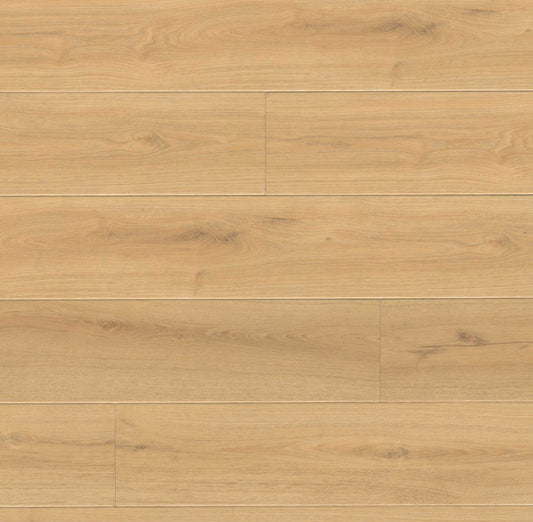
Seaside Summit Sandstone whisper 30mil 10mm 9.5x84 WPC Vinyl Plank
Vendor:Lions FloorRegular price From $0.00 USDRegular priceUnit price $4.39/ft² -
United Weavers Heritage Grace- 22mil 10mm 9x60 Waterproof WPC Vinyl Plank flooring
Vendor:United WeaversRegular price From $0.00 USDRegular priceUnit price $4.49/ft² -
Seaside Summit Pebble Shimmer 30mil 10mm 9.5x84 WPC Vinyl Plank
Vendor:Lions FloorRegular price From $0.00 USDRegular priceUnit price $4.39/ft² -
United Weavers Heritage Cityscape- 22mil 10mm 9x60 Waterproof WPC Vinyl Plank flooring
Vendor:United WeaversRegular price From $0.00 USDRegular priceUnit price $4.49/ft² -
Wayne Parc Macland 22mil 10mm 9x60 WPC Vinyl Plank | MSI
Vendor:MSI EverlifeRegular price From $0.00 USDRegular priceUnit price $3.99/ft² -
Revival Midtown 30 mil 12mm 9X60 WPC | United Weavers / Caspar Flooring Direct
Vendor:United WeaversRegular price From $0.00 USDRegular priceUnit price $4.99/ft² -
Seaside Summit Sunshine Sparkle 30mil 10mm 9.5x84 WPC Vinyl Plank
Vendor:Lions FloorRegular price From $0.00 USDRegular priceUnit price $4.39/ft² -
Wayne Parc Elwood 22mil 10mm 9x60 WPC Vinyl Plank | MSI
Vendor:MSI EverlifeRegular price From $0.00 USDRegular priceUnit price $3.99/ft² -
Ocean Crest - Summit Drift | 20mil 8mm 9x60 WPC Vinyl Plank | Lions Floor
Vendor:Lions FloorRegular price From $0.00 USDRegular priceUnit price $4.98/ft²$4.39 USDSale price From $0.00 USDSale -
Seaside Summit Seashell radiance 30mil 10mm 9.5x84 WPC Vinyl Plank
Vendor:Lions FloorRegular price From $0.00 USDRegular priceUnit price $4.39/ft² -
United Weavers Heritage Artisan - 22mil 10mm 9x60 Waterproof WPC Vinyl Plank flooring
Vendor:United WeaversRegular price From $0.00 USDRegular priceUnit price $4.49/ft² -
Revival Haven 30 mil 12mm 9X60 WPC | United Weavers / Caspar Flooring Direct
Vendor:United WeaversRegular price From $0.00 USDRegular priceUnit price $4.99/ft² -
Revival Realm 30 mil 12mm 9X60 WPC | United Weavers / Caspar Flooring Direct
Vendor:United WeaversRegular price From $0.00 USDRegular priceUnit price $5.49/ft² -
Ocean Crest - Morning Tide | 20mil 8mm 9x60 WPC Vinyl Plank | Lions Floor
Vendor:Lions FloorRegular price From $0.00 USDRegular priceUnit price $4.98/ft² -
Seaside Summit Seaglass luster30mil 10mm 9.5x84 WPC Vinyl Plank
Vendor:Lions FloorRegular price From $0.00 USDRegular priceUnit price $4.39/ft² -
Seaside Summit Beach Blessing 30mil 10mm 9.5x84 WPC Vinyl Plank
Vendor:Lions FloorRegular price From $0.00 USDRegular priceUnit price $4.39/ft²


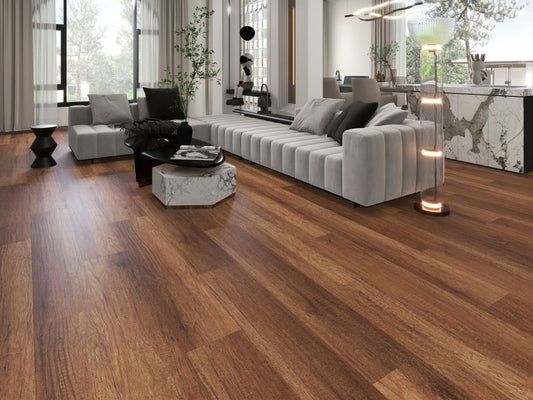
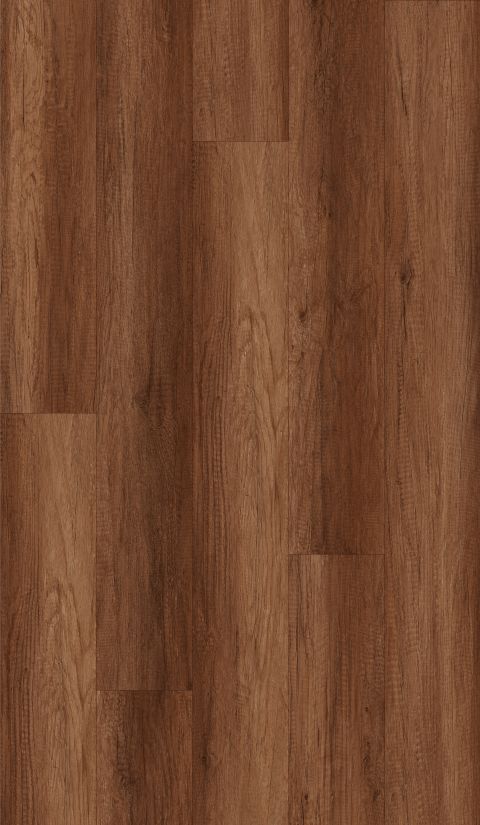

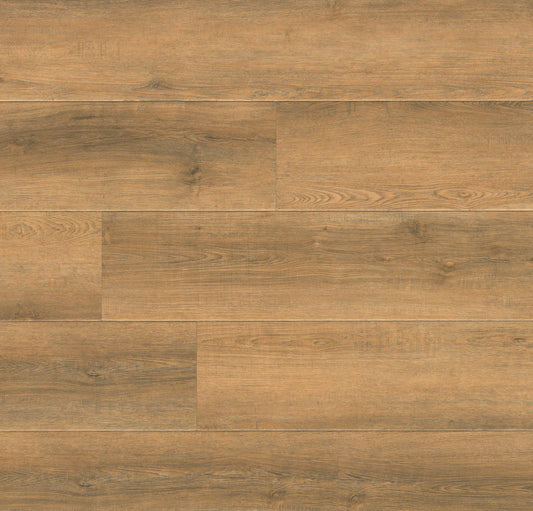
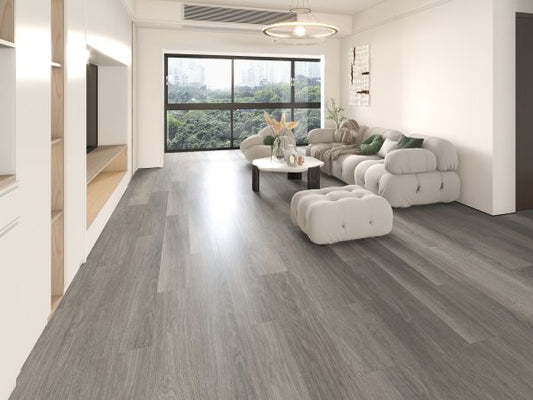
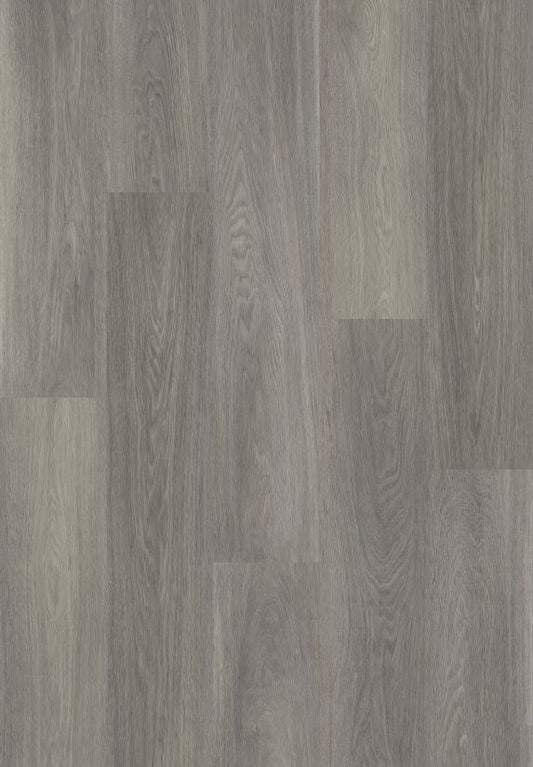
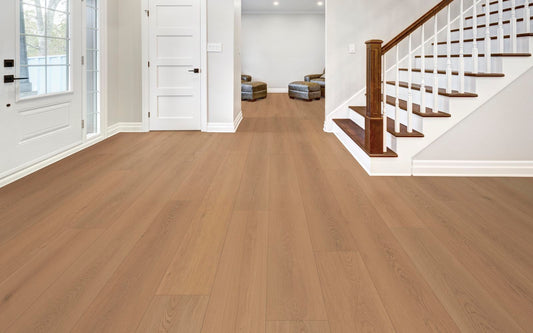
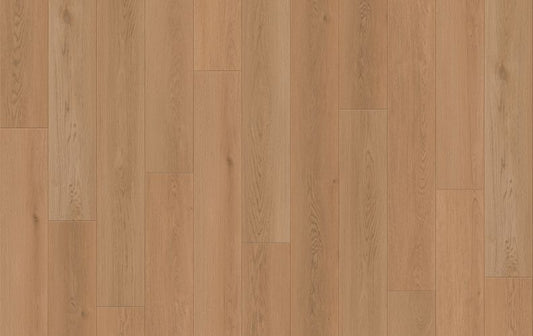
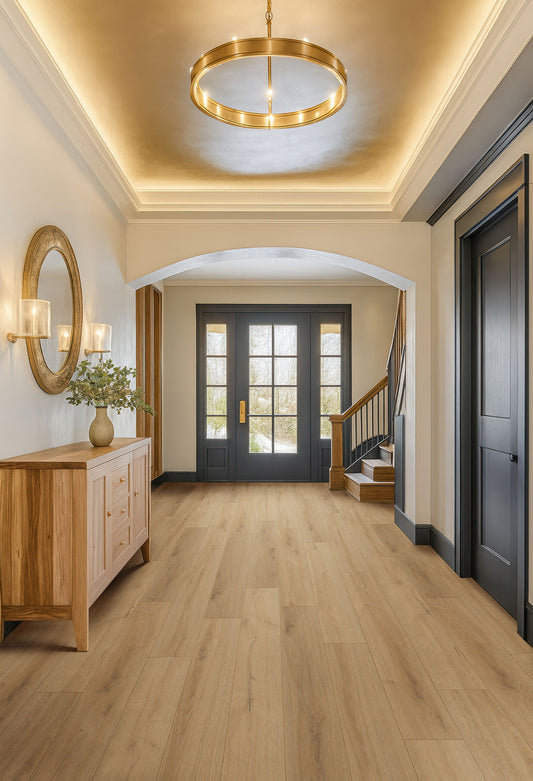

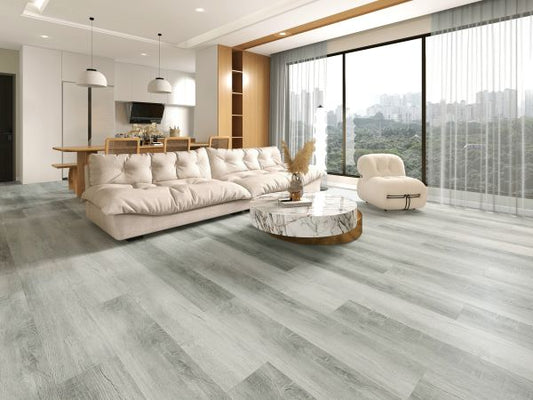
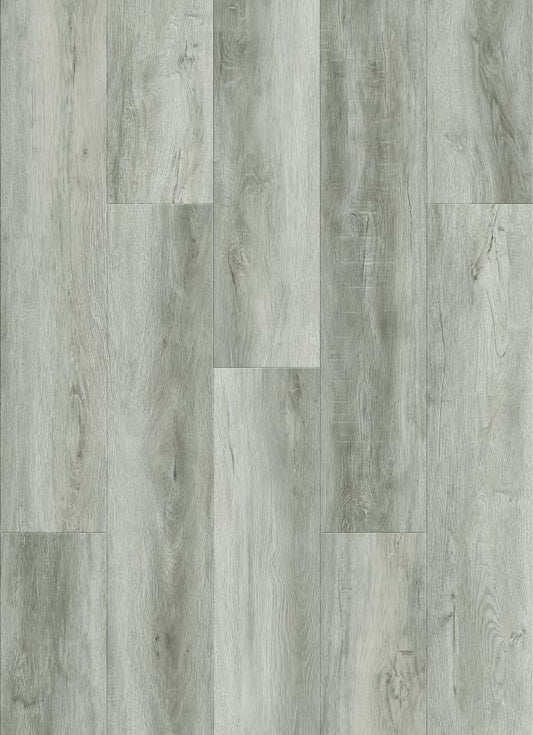
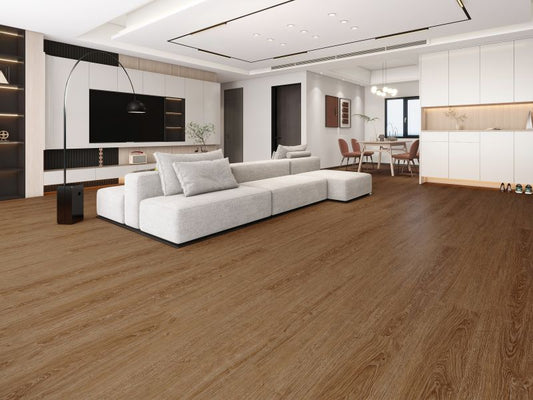
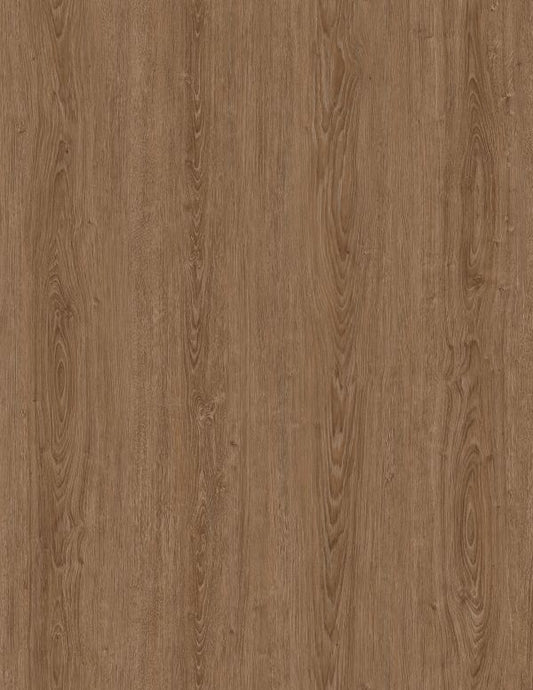
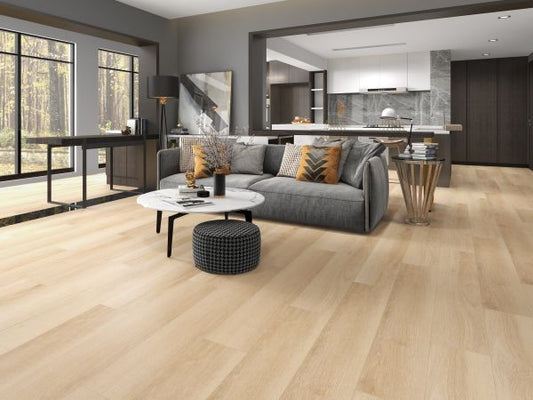
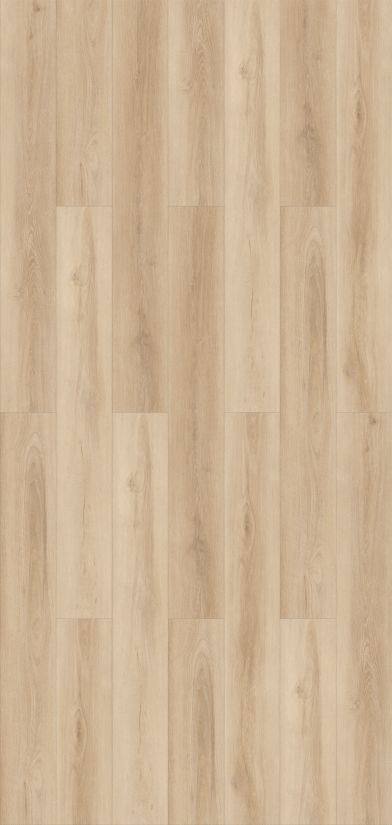

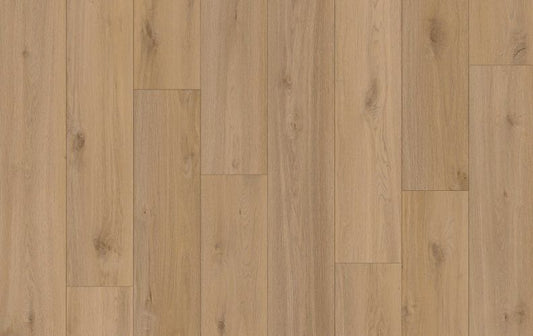

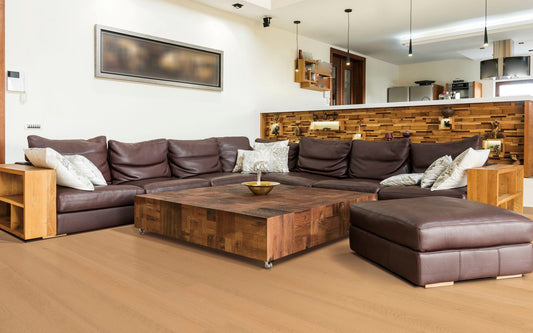

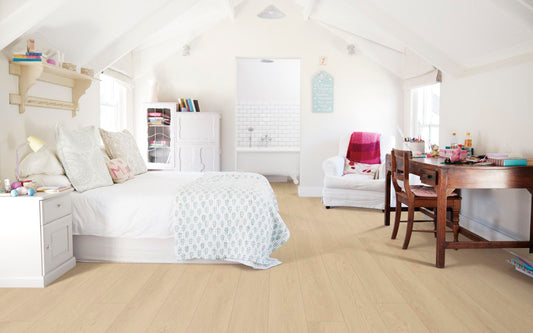
Click-Lock WPC Flooring
Click-lock WPC flooring uses precision-milled edge profiles that connect adjoining waterproof composite planks. Most qualifying products are installed as floating floors, meaning the planks lock together without being permanently fastened across the entire substrate.
The exact locking profile and installation procedure vary. Installers should never assume that techniques approved for one floor apply to another.
Benefits of Click-Lock WPC Flooring
Depending on the product, click-lock WPC may provide:
- Floating-floor installation
- Waterproof plank materials
- Comfortable composite-core construction
- Integrated plank alignment
- Wood-look visual continuity
- Attached backing where specified
- Installation over approved substrates
- Wide and long plank options
- Reduced dependence on full-spread adhesive
- Individual plank replacement possibilities
Professional installation may still be appropriate, especially for complicated layouts.
How Does Click-Lock Flooring Work?
Each plank has a manufactured tongue, groove, fold-down, angle-tap, or similar connecting profile. During installation, adjoining edges engage to form a continuous floor.
The locking system relies on:
- Accurate plank alignment
- Proper joint engagement
- A flat substrate
- Correct expansion space
- Approved tapping tools
- Minimum end-joint staggering
- Stable room conditions
- Proper perimeter finishing
Forcing or repeatedly striking a joint can damage it.
Is Click-Lock WPC Easy to Install?
Click-lock flooring may be approachable for experienced DIY homeowners, but success requires careful preparation and measurement.
Common installation errors include:
- Beginning against an uneven wall
- Failing to check subfloor flatness
- Using short end pieces
- Creating repeated stair-step joints
- Pinning the floating floor beneath cabinets
- Omitting required expansion space
- Using prohibited extra underlayment
- Installing damaged locking edges
- Failing to mix cartons
- Ignoring moisture requirements
Read the complete installation guide before opening every carton.
Click-Lock WPC Over Existing Flooring
Selected products may be installed over approved existing hard surfaces when those surfaces are:
- Securely bonded
- Flat
- Clean
- Dry as required
- Structurally sound
- Free from excessive height changes
- Compatible with the manufacturer’s instructions
Soft carpet, loose flooring, damaged materials, and unsuitable cushioned layers generally require removal.
Waterproof Click-Lock Construction
The WPC planks may be waterproof, but locking joints should not be treated as a permanent room-waterproofing system unless the manufacturer expressly says so.
Standing water can migrate around:
- Room perimeters
- Doorways
- Transitions
- Floor vents
- Cabinets
- Plumbing penetrations
- Damaged joints
Clean spills promptly and repair leaks.
Frequently Asked Questions
What is click-lock WPC flooring?
It is WPC flooring with interlocking edges designed primarily for floating installation.
Does click-lock flooring require glue?
Most qualifying products float without full-spread adhesive, although certain installation details may require manufacturer-approved products.
Can homeowners install click-lock WPC themselves?
Some can, but the substrate, layout, cutting, expansion space, and joint engagement must be handled correctly.
Can click-lock WPC go over tile?
Selected floors may be installed over secure, flat, approved tile. Grout lines and height changes may require preparation.
Is click-lock WPC waterproof?
Qualifying planks should carry a waterproof classification, but the installation does not automatically waterproof the entire room.
Can damaged click-lock planks be replaced?
Replacement may be possible, but the method depends on the floor location, locking system, and manufacturer instructions.
Explore related flooring
Browse related flooring collections, brands and styles before making your final choice.