
Collection: Best Laminate Flooring for Dining Rooms
Shop laminate flooring for dining rooms in realistic wood-look colors designed for everyday meals, entertaining, and active households. Compare AC ratings, moisture classifications, textures, plank sizes.
-
Comfort Heights - River Walk | AC4 12mm 9.25x60 Laminate | Lions Floor
Vendor:Lions Floor$3.49 / sq. ft. $66.90 per carton · 19.16 sq. ft. / carton12.0mm9 1/4 x 5' -
Comfort Heights - Maple Gardens | AC4 12mm 9.25x60 Laminate | Lions Floor
Vendor:Lions Floor$3.49 / sq. ft. $66.90 per carton · 19.16 sq. ft. / carton12.0mm9 1/4 x 5' -
Comfort Heights - Baywood Place | AC4 12mm 9.25x60 Laminate | Lions Floor
Vendor:Lions Floor$3.49 / sq. ft. $66.90 per carton · 19.16 sq. ft. / carton12.0mm9 1/4 x 5' -
Comfort Heights - Village Park | AC4 12mm 9.25x60 Laminate | Lions Floor
Vendor:Lions Floor$3.49 / sq. ft. $66.90 per carton · 19.16 sq. ft. / carton12.0mm9 1/4 x 5' -
Bear Woods - Bianco Romano | 12mm AC5 Waterproof Laminate Flooring | 9” x 72” Extra Long Planks
Vendor:Republic Floors$4.09 / sq. ft. $94.80 per carton · 23.19 sq. ft. / carton12.0mm9x72 -
Haven Heights Parkside Lane AC3 10mm 9.25x60 Laminate (Pad Attached)
Vendor:Lions Floor$2.99 / sq. ft. $92.30 per carton · 30.92 sq. ft. / carton10.0mm12mil9 1/4 x 60 -
Comfort Heights - Country Aura | AC4 12mm 9.25x60 Laminate | Lions Floor
Vendor:Lions Floor$3.49 / sq. ft. $66.90 per carton · 19.16 sq. ft. / carton12.0mm9 1/4 x 5' -
Bear Woods - Crystal Yellow | 12mm AC5 Waterproof Laminate Flooring | 9” x 72” Extra Long Planks
Vendor:Republic Floors$4.09 / sq. ft. $94.80 per carton · 23.19 sq. ft. / carton12.0mm9x72 -
North Forest Norwegian Rose 12mm AC5 Waterproof Laminate Flooring | 9” x 72” Extra Long Planks
Vendor:Republic Floors$3.99 / sq. ft. $93.10 per carton · 23.31 sq. ft. / carton12.0mm9x72 -
North Forest Granville – 12mm AC5 Waterproof Laminate Flooring | 9” x 72” Extra Long Planks
Vendor:Republic Floors$3.99 / sq. ft. $93.10 per carton · 23.31 sq. ft. / carton12.0mm9x72 -
North Forest Rock Cream – 12mm AC5 Waterproof Laminate Flooring | 9” x 72” Extra Long Planks
Vendor:Republic Floors$3.59 / sq. ft. $83.79 per carton · 23.31 sq. ft. / carton12.0mm9x72Sale -
North Forest Spanish Gold – 12mm AC5 Waterproof Laminate Flooring | 9” x 72” Extra Long Planks
Vendor:Republic Floors$3.99 / sq. ft. $93.10 per carton · 23.31 sq. ft. / carton12.0mm9x72 -
Malta Islands - Ash Grey | AC4 12.3mm 7.75x48 Waterproof Laminate | Republic Floor
Vendor:Republic Floors$3.95 / sq. ft. $80.60 per carton · 20.4 sq. ft. / carton12.3mm7x48 -
Platinum - Brazilian Tigerwood | AC4 12.3mm 5.5x48 Laminate | Republic Floors
Vendor:Republic Floors$3.29 / sq. ft. $62.30 per carton · 18.96 sq. ft. / carton12.3mm5.5x48 -
Comfort Heights - Cedar View | AC4 12mm 9.25x60 Laminate | Lions Floor
Vendor:Lions Floor$3.49 / sq. ft. $66.90 per carton · 19.16 sq. ft. / carton12.0mm9 1/4 x 5' -
Comfort Heights - Pine Ridge | AC4 12mm 9.25x60 Laminate | Lions Floor
Vendor:Lions Floor$3.49 / sq. ft. $66.90 per carton · 19.16 sq. ft. / carton12.0mm9 1/4 x 5'

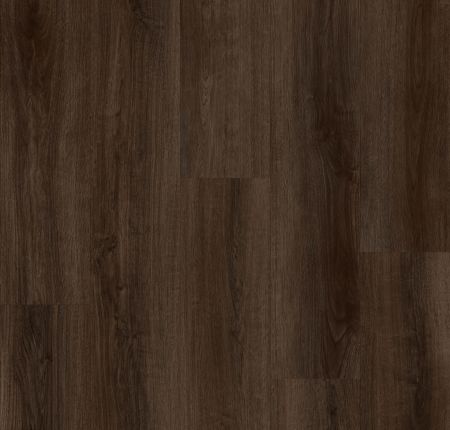
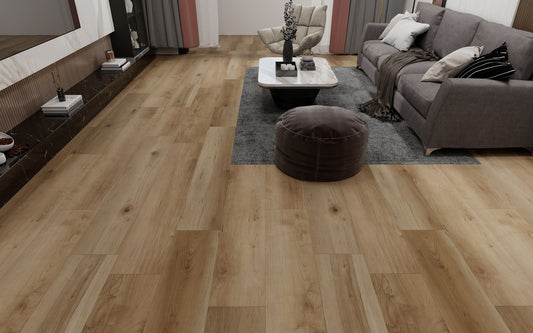
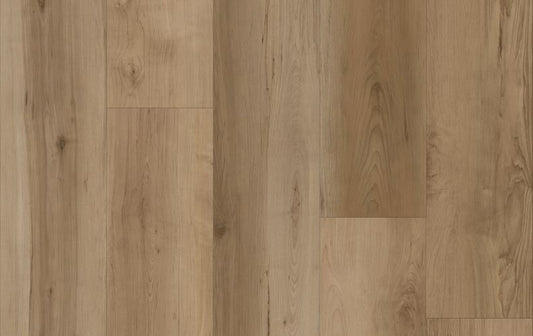
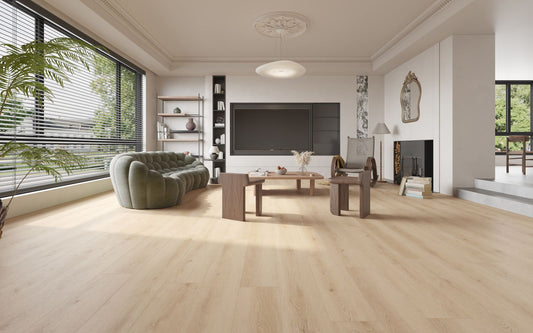
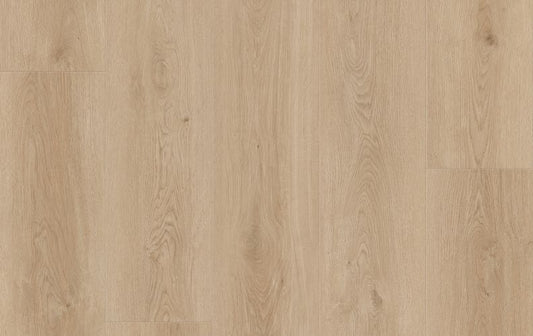
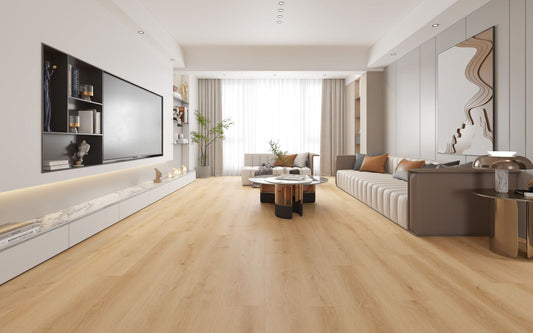
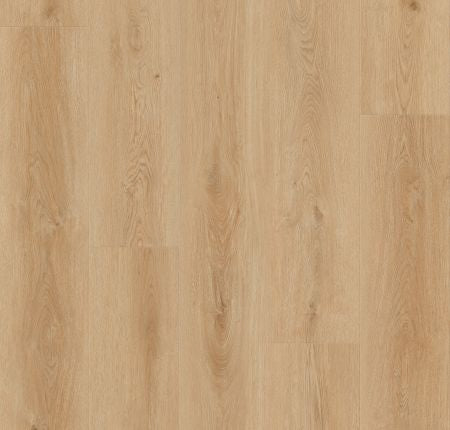
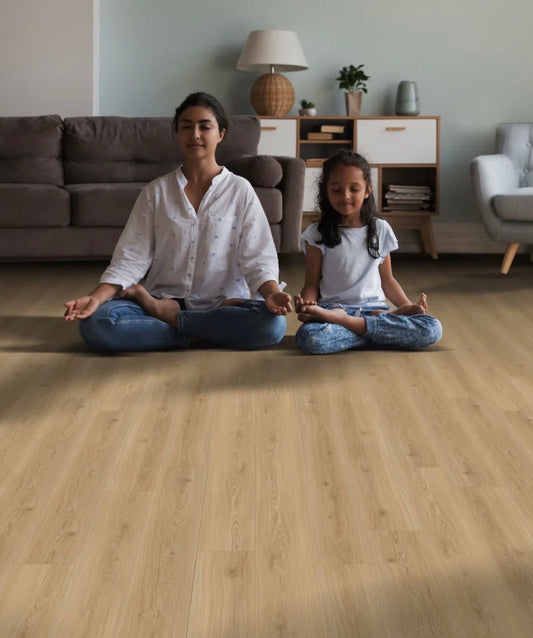
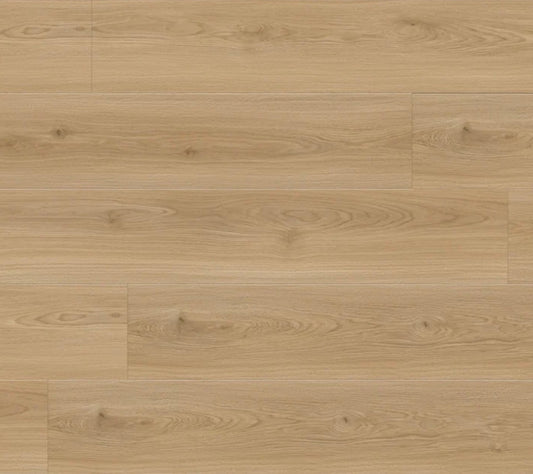
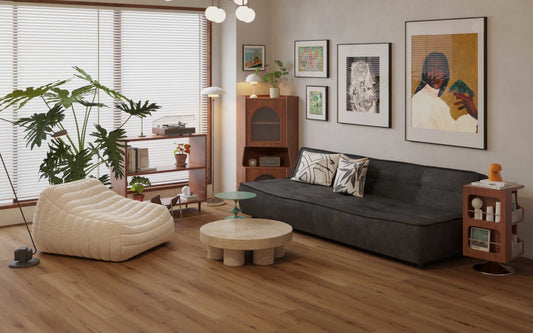
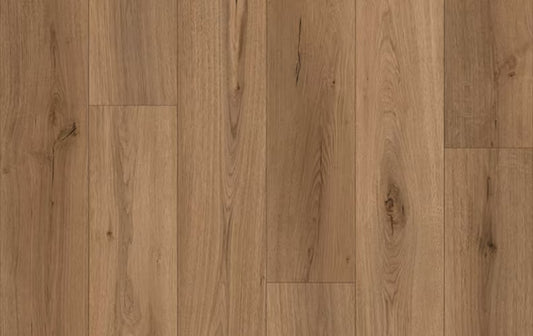
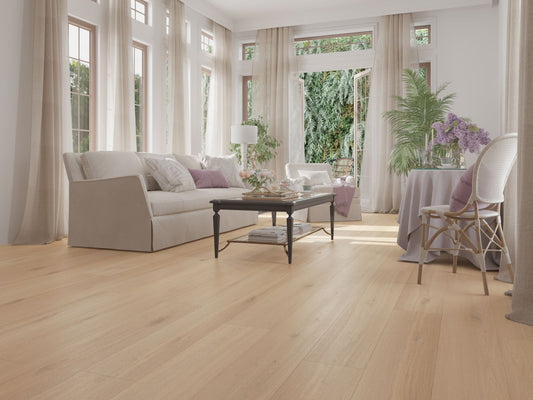
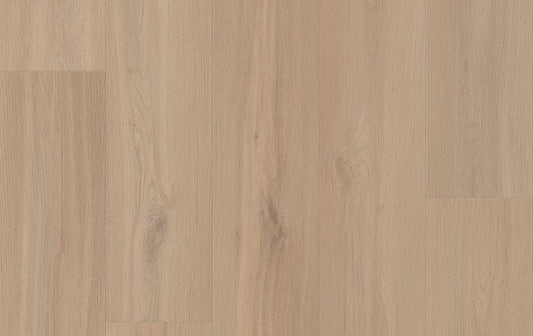
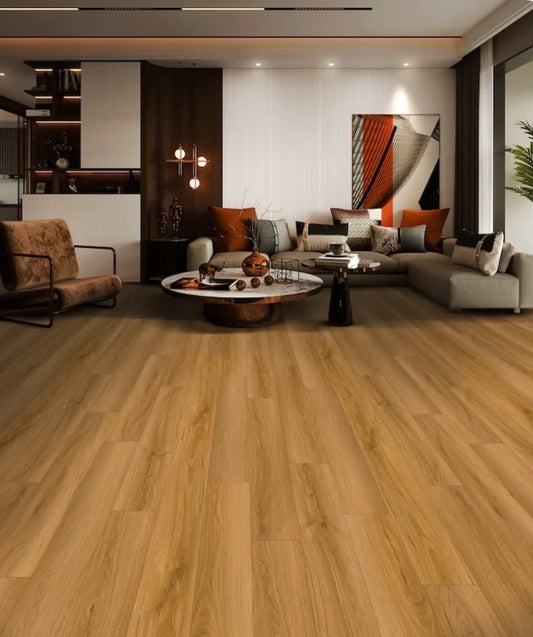
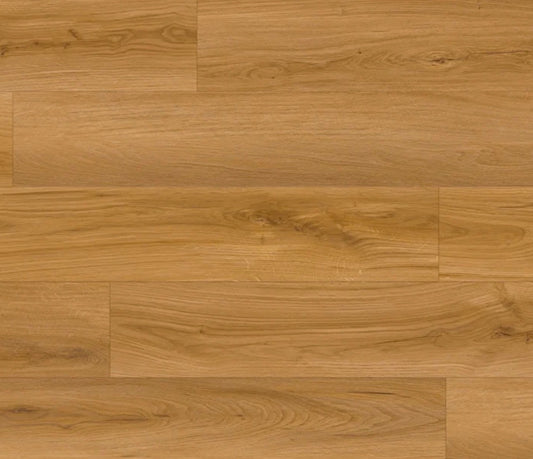
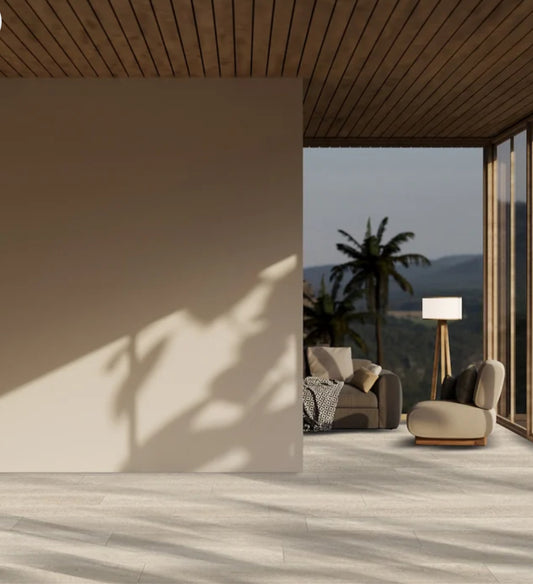
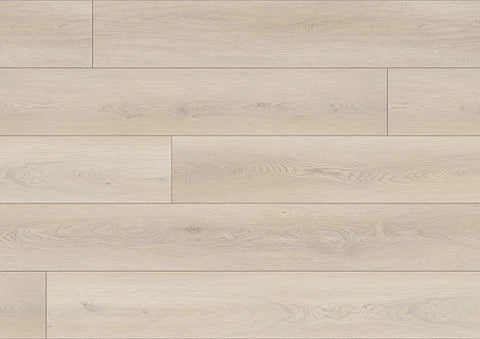
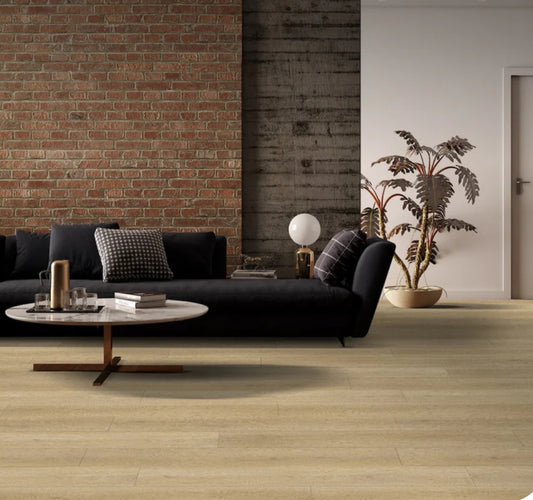
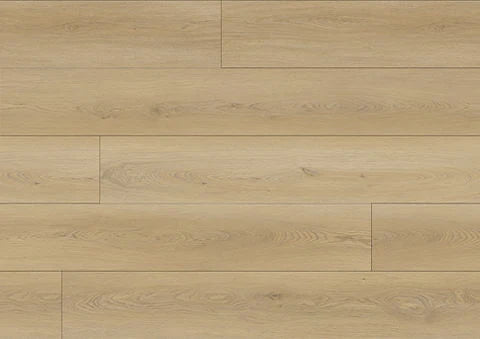


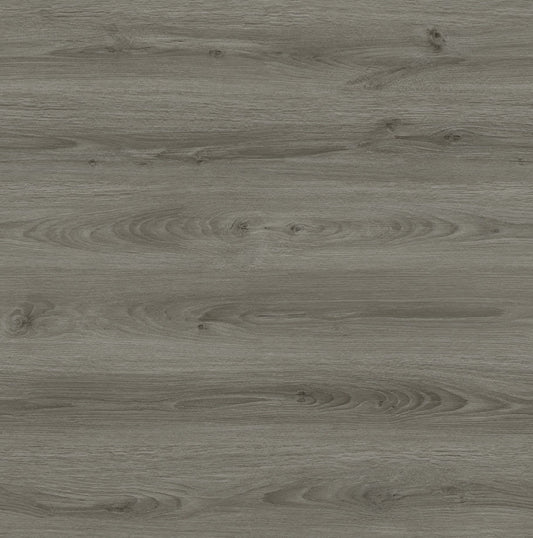

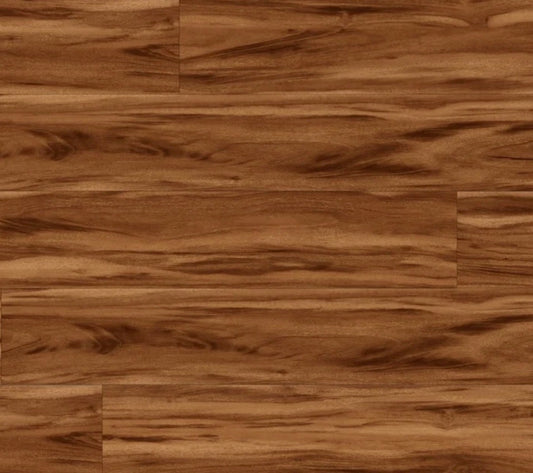
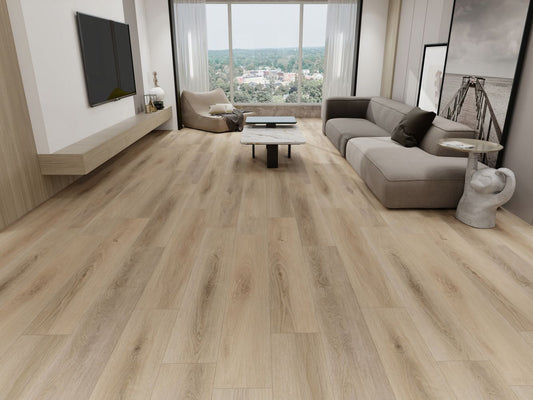
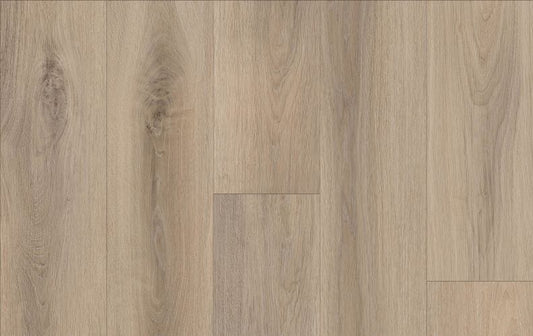
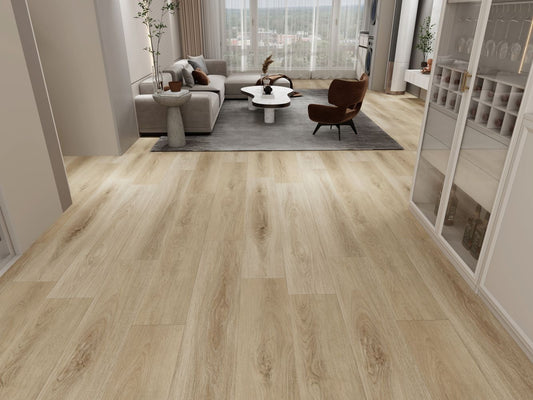
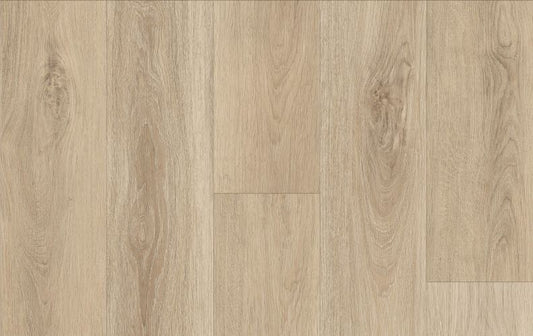
Laminate Flooring for Dining Rooms
Laminate flooring for dining rooms provides a wood-look surface for everyday meals, family gatherings, formal dining spaces, and open-plan interiors. The flooring should be selected with chair movement, food spills, furniture loads, maintenance, and visual coordination in mind.
Dining-room conditions may include:
- Sliding chairs
- Heavy tables
- Food and drink spills
- Crumbs and grit
- Pet activity
- Direct sunlight
- Connections to kitchens
- Open transitions into living rooms
Each product should be checked for residential approval and a moisture classification appropriate for the room.
Why Choose Laminate for a Dining Room?
Laminate may appeal to shoppers seeking:
- Realistic oak, maple, walnut, or hickory looks
- Matte or textured finishes
- Durable abrasion classifications
- Wide-plank formats
- Coordinated open-plan flooring
- Straightforward routine cleaning
- Residential warranty coverage
- Waterproof options where verified
Laminate is not indestructible. Performance depends on product construction, installation, furniture protection, and maintenance.
AC Ratings for Dining Areas
AC3 laminate may suit normal household dining spaces. AC4 can provide a higher abrasion classification for busy households, frequent entertaining, or dining rooms connected to main traffic routes. AC5 may be considered for especially demanding interiors or approved commercial dining areas.
The AC rating does not identify:
- Waterproof status
- Stain resistance
- Impact resistance
- Joint protection
- Slip performance
- Commercial warranty duration
Review the complete specification sheet rather than selecting by AC rating alone.
Spills and Moisture Protection
Dining rooms can experience drink spills, dropped ice, pet-bowl splashes, and wet cleaning. Products advertised as water-resistant or waterproof should have documented manufacturer classifications.
Before choosing, confirm:
- Spill-protection terms
- Cleanup time requirements
- Approved cleaning method
- Perimeter-sealing instructions
- Kitchen or dining approval
- Exclusions for standing water
- Warranty conditions
Waterproof-rated planks do not protect the complete room from leaks, flooding, or moisture beneath the floor.
Dining Chairs and Surface Protection
Repeated chair movement can carry grit across the wear surface or place concentrated pressure on plank joints.
Good practices include:
- Using nonstaining felt protectors
- Replacing worn protectors
- Lifting rather than dragging chairs
- Cleaning beneath the table regularly
- Avoiding damaged metal chair glides
- Following rolling-load restrictions
Protectors should be sized for the furniture leg and checked frequently.
Heavy Tables, Cabinets, and Buffets
Large dining tables, china cabinets, sideboards, and buffets create static loads. Floating laminate must be able to expand and contract according to manufacturer instructions.
Before installation, verify:
- Static-load guidance
- Fixed-cabinet restrictions
- Expansion clearances
- Perimeter spacing
- Transition requirements
- Furniture-placement instructions
Do not permanently fasten fixed objects through a floating floor unless the flooring manufacturer explicitly approves the method.
Open-Plan Kitchen and Dining Flooring
Using the same laminate across a kitchen, dining room, and living area can create visual continuity. However, the chosen product must be approved for every included room.
Review:
- Kitchen installation approval
- Moisture classification
- Maximum continuous-run dimensions
- Expansion breaks
- Island and cabinet restrictions
- Appliance clearances
- Transition locations
A dining-room-approved product should not automatically be assumed suitable for kitchens.
Wood Colors for Dining Rooms
Dining-room flooring can coordinate with the table, cabinets, wall color, and adjoining living space.
Popular visual directions may include:
- Natural oak
- Warm honey brown
- Neutral beige
- Medium brown
- Smoked oak
- Gray-brown
- Light Scandinavian wood looks
- Deep walnut-inspired colors
Rather than matching furniture exactly, a controlled contrast can make both the floor and furniture more distinct.
Matte and Textured Laminate
Matte finishes can reduce glare from windows and overhead lighting. Embossed textures may add visual depth and help create a more natural wood appearance.
When comparing samples, inspect:
- Texture depth
- Grain alignment
- Pattern repetition
- Edge treatment
- Sheen level
- Color variation
- Appearance under dining-room lighting
Texture does not establish slip resistance unless testing information is published.
Subfloor and Installation Planning
The substrate beneath dining-room laminate should be flat, dry, clean, and structurally stable. Uneven floors can contribute to movement or joint stress beneath heavy furniture.
Also consider:
- Required underlayment
- Attached-pad compatibility
- Moisture testing
- Door clearance
- Baseboard removal
- Transitions to tile or carpet
- Expansion spacing
- Acclimation instructions
Cleaning After Meals
Routine dining-room maintenance may include:
- Sweeping crumbs and grit
- Vacuuming with an approved hard-floor setting
- Blotting spills promptly
- Using approved laminate cleaner
- Light damp cleaning where permitted
- Avoiding wax and abrasive products
Steam cleaners and saturated mops should only be used if specifically authorized by the manufacturer.
Frequently Asked Questions
Is laminate flooring good for dining rooms?
It can be when the product has an appropriate AC rating, residential warranty, moisture classification, and approved installation method.
What AC rating should dining-room laminate have?
AC3 may suit standard residential use, while AC4 may be preferred for busier dining rooms. AC5 may suit especially demanding or approved commercial applications.
Can dining chairs scratch laminate?
Yes. Grit and damaged chair glides can scratch the surface, so correctly sized nonstaining protectors should be used.
Is waterproof laminate better beneath a dining table?
Verified waterproof laminate can provide additional spill protection, although spills should still be cleaned promptly.
Can laminate continue from a dining room into a kitchen?
It may, but only when the product is approved for kitchen use and the installation follows continuous-run and expansion requirements.
Can a heavy dining table sit on floating laminate?
Usually, movable furniture can be placed on laminate, but static-load and expansion instructions should be confirmed.
What finish hides dining-room crumbs and marks?
Medium tones, varied wood grain, and matte textures may disguise everyday debris more effectively than extremely dark or uniform floors.
Can an area rug be used beneath a dining table?
Yes, provided the rug and pad are suitable for laminate and will not stain, trap prohibited moisture, or interfere with floor movement.
Explore related options in Vinyl Flooring for Dining Rooms, Engineered Hardwood Flooring for Dining Rooms, and Best Flooring for Dining Rooms.
Explore related flooring
Browse related flooring collections, brands and styles before making your final choice.