
Collection: Best Flooring for House Flippers
Shop the best flooring for house flippers with attractive wood visuals, durable surfaces, practical installation options, and broad buyer appeal. Compare waterproof SPC, vinyl, and laminate flooring by cost, thickness, wear layer, plank size, color, and warranty.
-
Bambino Chambery 12mil 5mm 7x48 SPC Vinyl Plank | Lions Floor
Vendor:Lions Floor$2.89 / sq. ft. $68.40 per carton · 23.64 sq. ft. / carton5.0mm12mil7x48 -
Hemingway Moon Crater 12 mil 4.2mm 7x48 SPC Vinyl plank | Aperion / Caspar Flooring Direct
Vendor:Aperion$2.96 / sq. ft. $84.00 per carton · 28.36 sq. ft. / carton4.2mm12mil7x48 -
Bambino Cliffside Oak 12mil 5mm 7x48 SPC Vinyl Plank | Lions Floor
Vendor:Lions Floor$2.89 / sq. ft. $68.40 per carton · 23.64 sq. ft. / carton5.0mm12mil7x48 -
Bryant Old Mill Gray 8mil 4.2mm 7x48 SPC Vinyl Plank | United Weavers / Caspar Flooring Direct
Vendor:United Weavers$1.99 / sq. ft. $66.61 per carton · 33.47 sq. ft. / carton4.2mm8mil7x48Sale -
Camden Vanguard 20mil 7mm 9x60 SPC Vinyl Plank | United Weavers
Vendor:United Weavers$3.49 / sq. ft. $64.90 per carton · 18.57 sq. ft. / carton7.0mm20mil9x60 -
Bambino Damier 12mil 5mm 7x48 SPC Vinyl Plank | Lions Floor
Vendor:Lions Floor$2.89 / sq. ft. $68.40 per carton · 23.64 sq. ft. / carton5.0mm12mil7x48 -
Infinity Floor Highland Everwood 20mil 5mm 7x48 SPC vinyl plank
Vendor:Infinity Floor$3.49 / sq. ft. $83.40 per carton · 23.896 sq. ft. / carton5.0mm20mil7x48 -
Bryant Cypress 8mil 4.2mm 7x48 SPC Vinyl Plank | United Weavers
Vendor:United Weavers$1.99 / sq. ft. $66.77 per carton · 33.47 sq. ft. / carton4.2mm8mil7x48Sale -
Infinity Floor Highland Snowbank 20mil 5mm 7x48 SPC vinyl plank
Vendor:Infinity Floor$3.49 / sq. ft. $83.40 per carton · 23.896 sq. ft. / carton5.0mm20mil7x48 -
Infinity Floor Highland Pinecrest 20mil 5mm 7x48 SPC vinyl plank
Vendor:Infinity Floor$3.49 / sq. ft. $83.40 per carton · 23.896 sq. ft. / carton5.0mm20mil7x48 -
Bryant Wine Barrel 8mil 4.2mm 7x48 SPC Vinyl Plank | United Weavers / Caspar Flooring Direct
Vendor:United Weavers$1.99 / sq. ft. $66.70 per carton · 33.47 sq. ft. / carton4.2mm8mil7x48Sale -
Bryant Chestnut 8mil 4.2mm 7x48 SPC Vinyl Plank | United Weavers
Vendor:United Weavers$1.99 / sq. ft. $66.61 per carton · 33.47 sq. ft. / carton4.2mm8mil7x48Sale -
Hemingway Dark Roast 12 mil 4.2mm 7x48 SPC Vinyl plank | Aperion / Caspar Flooring Direct
Vendor:Aperion$2.96 / sq. ft. $84.00 per carton · 28.36 sq. ft. / carton4.2mm12mil7x48 -
Alpine - Sahara Oak | 22mil 5mm 7x48 SPC Vinyl Plank | NextGen Surfaces
Vendor:NextGen$2.99 / sq. ft. $71.50 per carton · 23.95 sq. ft. / carton5.0mm22mil7x48 -
Alpine - Bruno Oak | 22mil 5mm 7x48 SPC Vinyl Plank | NextGen Surfaces
Vendor:NextGen$2.99 / sq. ft. $71.50 per carton · 23.95 sq. ft. / carton5.0mm22mil7x48 -
Westbridge Manor 12mil 5mm 7x48 SPC Vinyl Plank | 440524
Vendor:Monarch Floors$2.59 / sq. ft. $62.00 per carton · 23.896 sq. ft. / carton5.0mm12mil7x48

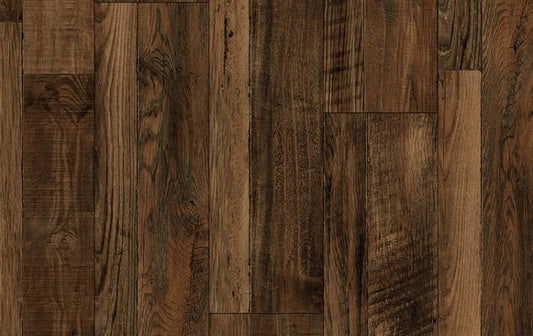


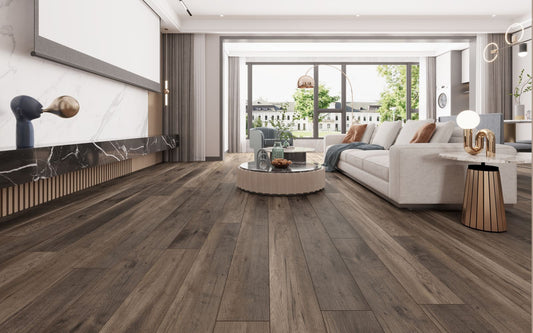
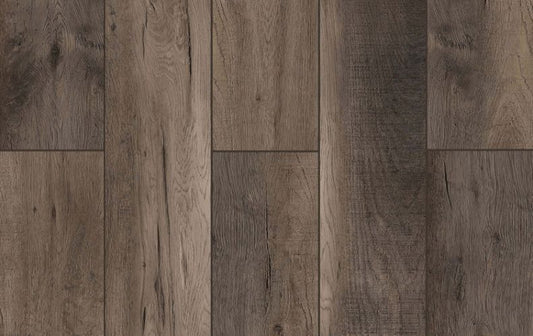
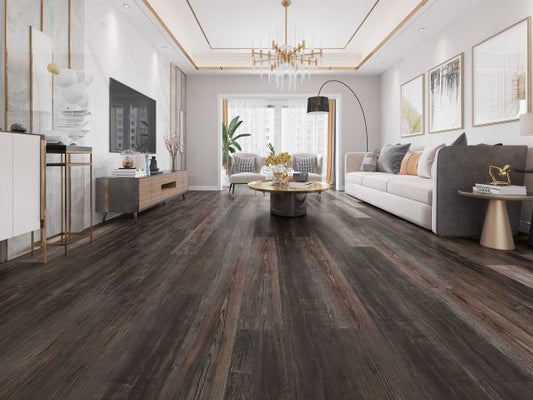
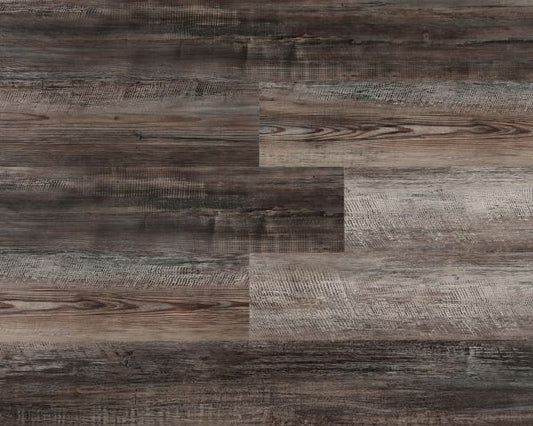
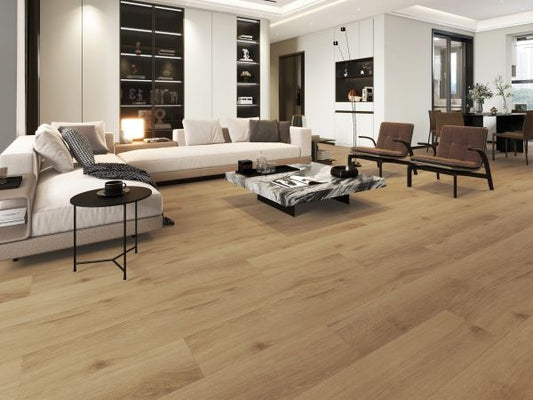
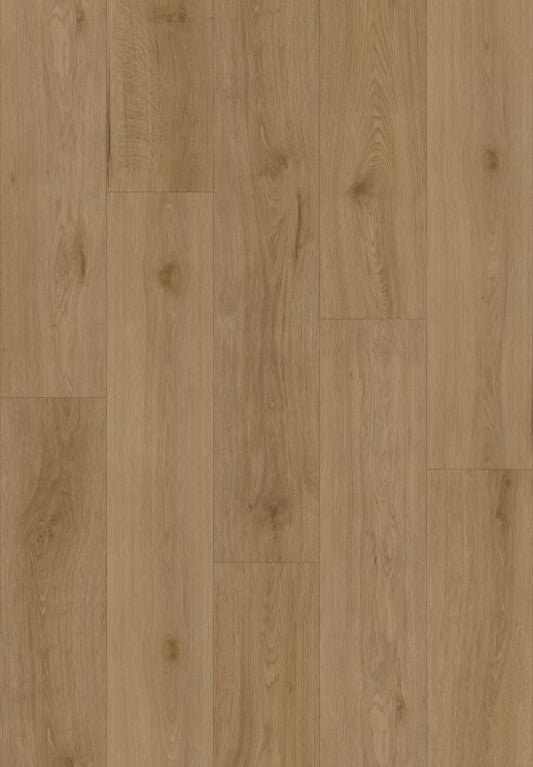
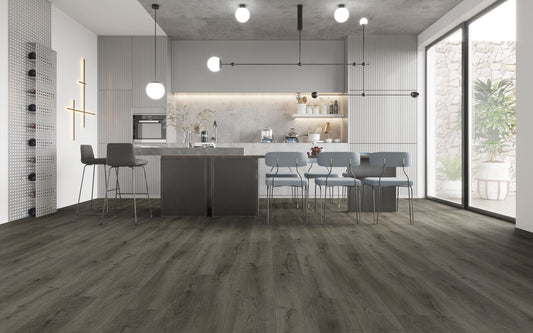
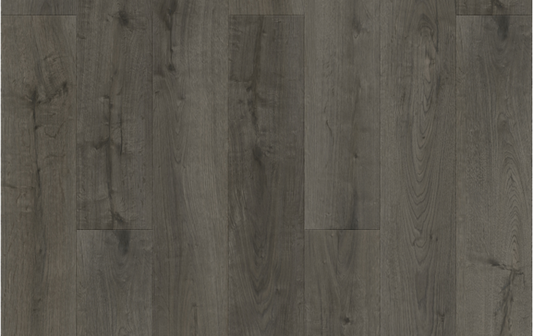

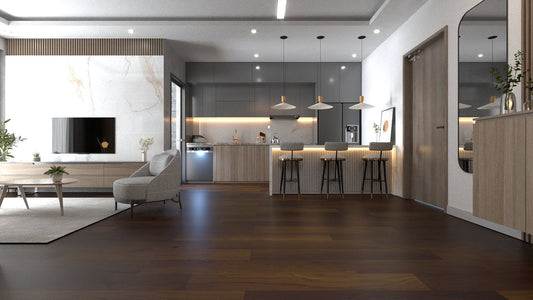
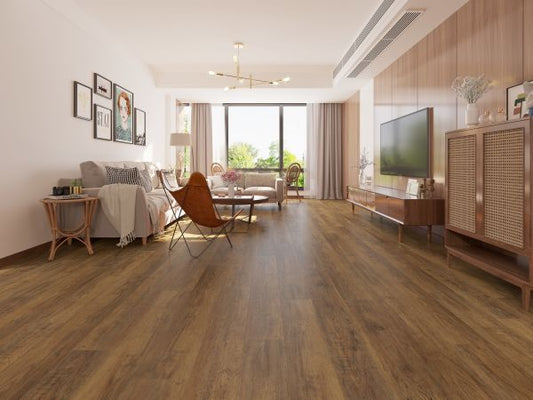
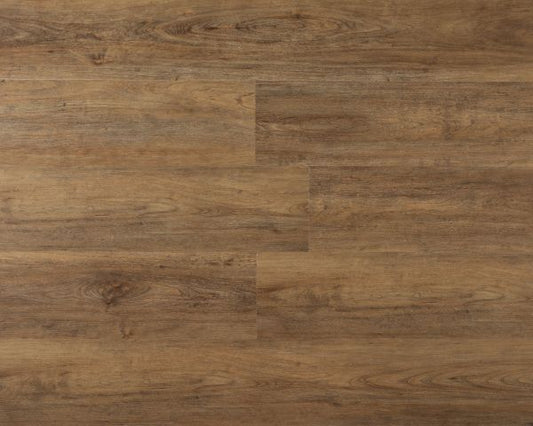


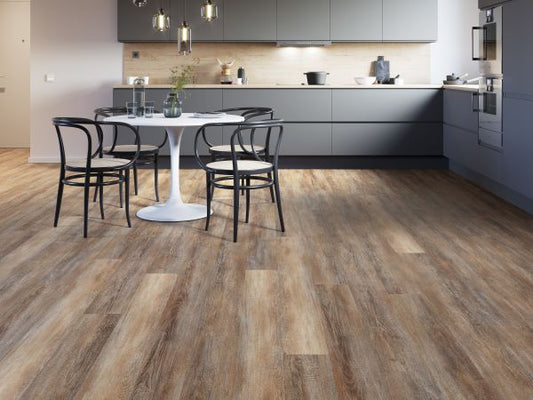
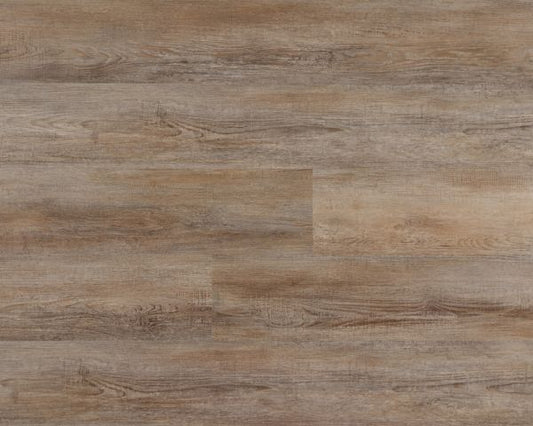


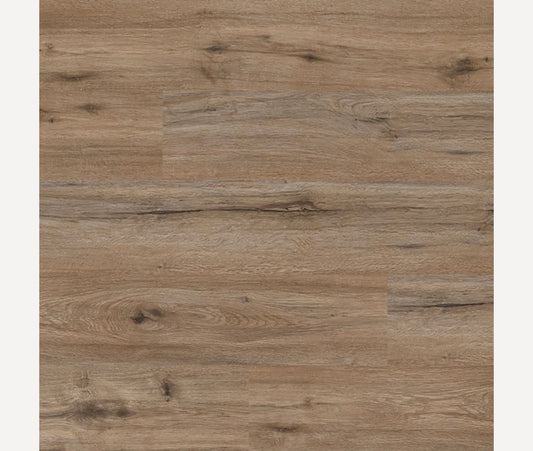

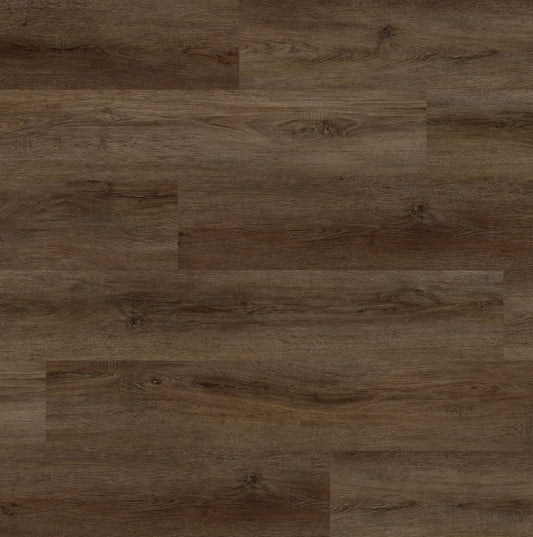
Best Flooring for House Flippers
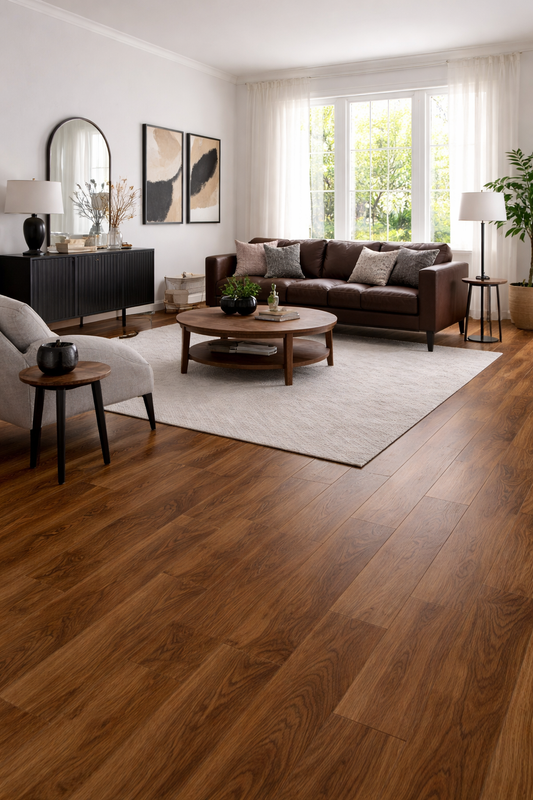
The best flooring for house flippers balances visual appeal, dependable specifications, installation requirements, and the expectations of the home’s likely buyer. Flooring covers a large part of the interior, so it can influence listing photography, first impressions, room continuity, and the perceived quality of the renovation.
A successful selection does not need to be the most expensive floor available. It should look appropriate for the property, provide suitable performance, and have complete specifications that allow the installer to plan the project correctly.
Waterproof SPC, WPC, luxury vinyl, and laminate can all serve renovation projects when matched to the home, neighborhood, rooms, and budget.
What House Flippers Should Prioritize
Important selection factors include:
- Broad buyer appeal
- Durable surface specifications
- Appropriate moisture protection
- Efficient installation
- Predictable material requirements
- Coordinated use across multiple rooms
- Practical maintenance
- Clear warranty coverage
- Available matching accessories
- Consistent product documentation
The most valuable floor is often the one that creates a coherent interior while reducing unnecessary transitions and complicated installation details.
Waterproof SPC Flooring
SPC vinyl plank flooring is a popular renovation option because it combines waterproof materials with rigid-core click-lock construction.
SPC may provide:
- Waterproof plank construction
- Multiple wear-layer choices
- Attached backing where specified
- Wide and long plank formats
- Neutral wood colors
- Click-lock installation
- Residential and commercial warranties where applicable
- Use across multiple approved rooms
A rigid core does not correct an uneven subfloor. Flatness and preparation requirements must still be met before installation.
WPC Flooring
WPC flooring uses a composite core that may feel more comfortable underfoot than a denser SPC floor. It can work well in bedrooms, living rooms, upper levels, and whole-home installations.
WPC may be particularly attractive when the renovation calls for:
- A substantial underfoot feel
- Waterproof construction
- Attached backing
- Wide or long planks
- Comfortable residential performance
- Coordinated flooring between rooms
Compare the total thickness, wear layer, plank dimensions, installation system, and warranty rather than choosing from the core label alone.
Laminate Flooring for Renovations
Laminate flooring can provide detailed wood visuals, abrasion-rated surfaces, and strong value for dry or appropriately approved residential areas.
When comparing laminate, review:
- AC abrasion rating
- Total thickness
- Water-resistance or waterproof classification
- Attached pad
- Edge treatment
- Surface texture
- Installation requirements
- Residential warranty
Laminate can be an excellent design-led option, but moisture classifications vary and should never be assumed.
Selecting Colors With Broad Buyer Appeal
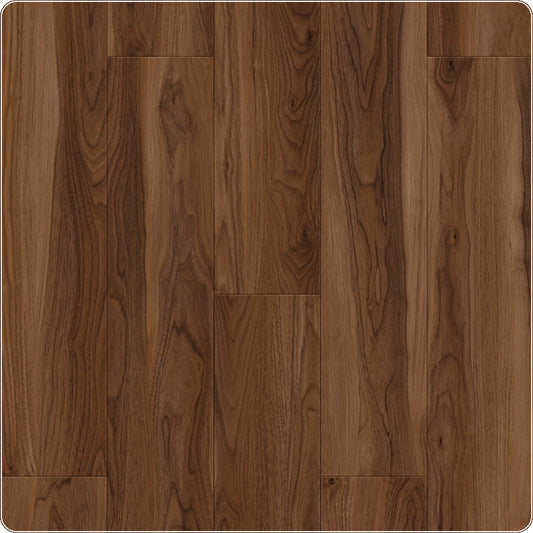
Neutral wood colors can make listing photography feel consistent and allow buyers to imagine their own furniture in the space.
Versatile choices include:
- Natural oak
- Light beige
- Balanced greige
- Warm medium brown
- Soft white oak
- Muted weathered wood
Avoid selecting a floor solely because it follows a short-lived trend. A balanced natural color generally coordinates with more cabinet, countertop, paint, and furniture choices.
Use One Coordinated Floor Where Appropriate
Using one floor across connected living spaces can make the home feel larger and more cohesive. It can also reduce the number of transitions that need to be purchased and installed.
Potential areas include:
- Living rooms
- Dining rooms
- Kitchens
- Hallways
- Bedrooms
- Entryways
- Home offices
Confirm that the flooring is approved for each room and that the installation remains within maximum continuous-area requirements.
Flooring for Fast Renovation Cycles
House flippers frequently work toward listing, inspection, or closing deadlines. Product availability and installation planning are therefore as important as appearance.
The best flooring for rental turnovers includes related options selected around practical installation, maintenance, and replacement planning.
Before ordering, confirm:
- Current material availability.
- Required order quantity.
- Delivery timing.
- Square feet per carton.
- Installation waste.
- Transition quantities.
- Stair and trim requirements.
- Subfloor preparation.
- Installer availability.
- Extra material for repairs.
Calculate the Complete Project Cost
Material price per square foot is only one part of the renovation cost. Budget for:
- Flooring
- Waste and cuts
- Underlayment where approved
- Moisture barrier
- Adhesive where required
- Transitions
- Stair components
- Wall base or trim
- Subfloor preparation
- Labor
- Delivery
- Extra repair material
A slightly higher-priced floor may create a better overall result when it reduces additional-material requirements or offers specifications better suited to the project.
Frequently Asked Questions
What flooring is best for flipping a house?
Waterproof SPC, WPC, vinyl, and laminate can all work. The strongest choice balances buyer appeal, installation, durability, availability, and complete project cost.
What flooring colors appeal to the most buyers?
Natural oak, beige, greige, and medium neutral-brown floors coordinate with a wide variety of interiors and generally provide broad visual appeal.
Is waterproof flooring worth considering for a flip?
Yes. Waterproof SPC and WPC can support kitchens, living areas, and other approved rooms while giving buyers a practical feature they understand.
Should the same floor be used throughout the house?
A continuous floor can create visual flow, but the product must be approved for every included room and installed according to transition requirements.
How much waste should be included?
The installer should calculate waste based on room shape, plank direction, cuts, closets, stairs, and layout. Additional material may be needed for future repairs.
Should house flippers keep extra flooring?
Yes. Leaving clearly labeled extra material for the future owner can support repairs and add a thoughtful finishing detail to the renovation.
Explore related flooring
Browse related flooring collections, brands and styles before making your final choice.