
Collection: 9x72 SPC Flooring
Explore 9x72 SPC flooring with wide, six foot planks for a more continuous wood look. Compare wear layers, total thickness, attached backing and surface textures. Review the room layout, subfloor requirements and finished height to choose a rigid core floor that fits your space and installation plan.
-
BevelMark Joiner Path 20mil 8mm 9x72 SPC Vinyl Plank | Lions Floor
Vendor:Lions Floor$4.99 / sq. ft. $134.40 per carton · 26.92 sq. ft. / carton8.0mm20mil9x72 -
Indoor Delight Lotus Clove 20mil 6.5mm 9x72 SPC Vinyl Plank | Lions Floor
Vendor:Lions Floor$3.89 / sq. ft. $88.20 per carton · 22.65 sq. ft. / carton6.5mm20mil9x72 -
South Rose Collection – Sahara Pental | 28mil 14mm Extra Long SPC Flooring (9” x 72”)
Vendor:Republic Floors$6.90 / sq. ft. $93.00 per carton · 13.47 sq. ft. / carton14.0mm28mil9x72 -
Misty Tree Collection Lavender Light – 20mil Pure MAX SPC™ Waterproof Flooring 5.5mm 9x72
Vendor:Republic Floors$3.19 / sq. ft. $86.80 per carton · 27.17 sq. ft. / carton5.5mm20mil9x72
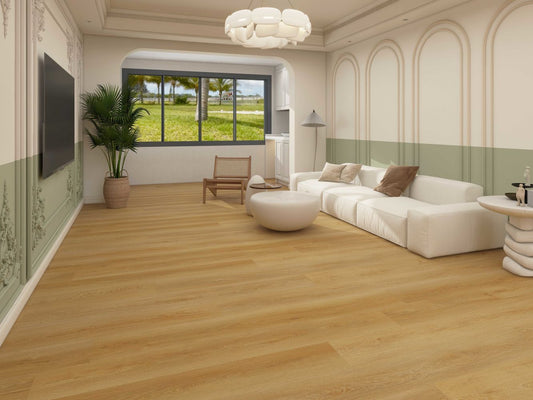
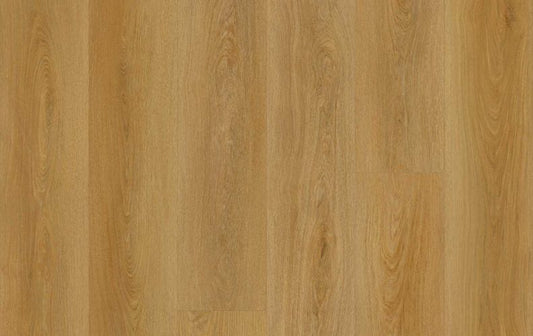
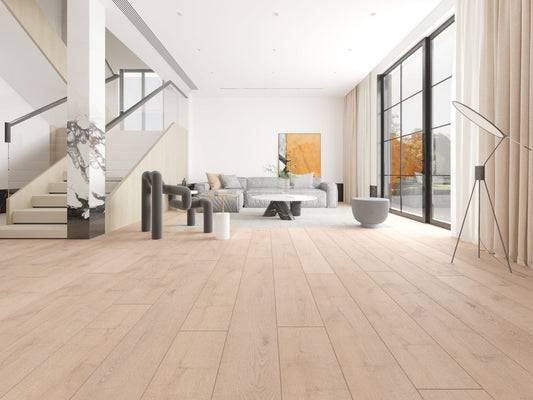
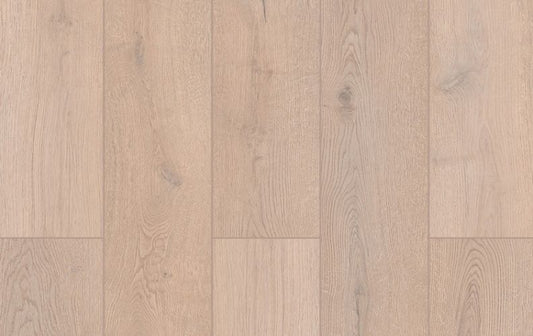
9x72 SPC Flooring
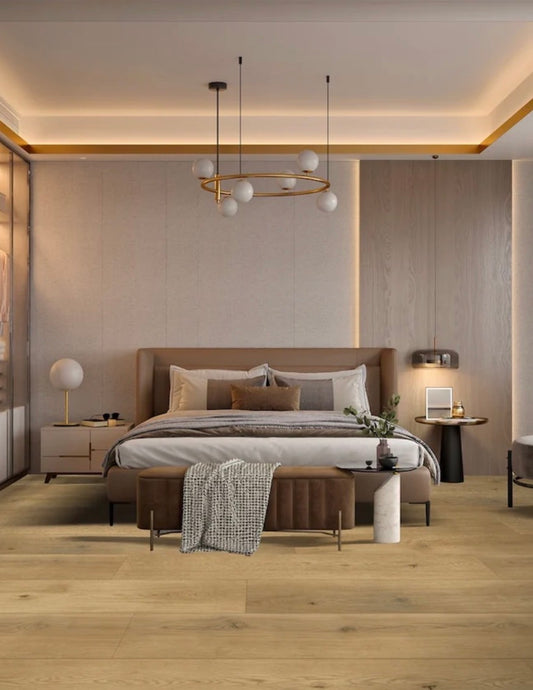
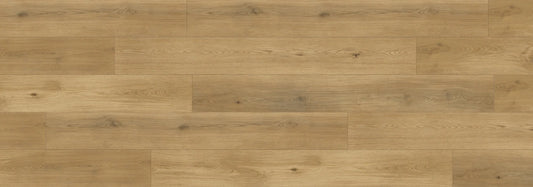
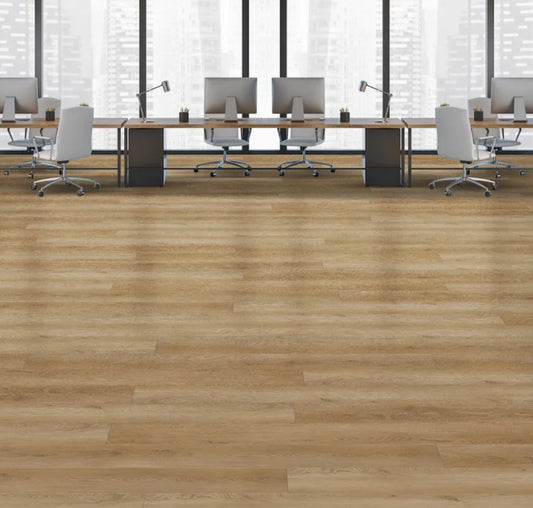
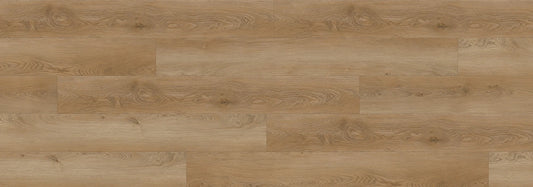
9x72 SPC flooring combines a nominal nine inch width with a seventy two inch length in a dense rigid core construction. The larger format emphasizes the wood visual and changes how long and end joints appear across the room.
Board dimensions are a starting point rather than a complete performance specification. Products in this format can have different wear layers, total thicknesses, backing and locking systems. Compare those details with the room and proposed installation before ordering.
What Does 9x72 SPC Mean?
The size describes a nominal board approximately nine inches wide and six feet long. SPC identifies the rigid core construction. Review the manufacturer's actual measurements because shorthand dimensions may be rounded.
The width and length influence appearance, while thickness determines part of the finished profile. A 9x72 floor can therefore look similar to another long plank while sitting at a different elevation once installed.
Use measured dimensions and carton coverage when planning quantities and cuts. The collection name helps narrow the format, but it should not replace the exact product specification.
How Wide and Long Planks Change a Room
Wider boards create fewer long joints across a given room width. Longer boards create a different rhythm of end joints from a four foot format. Together, these dimensions can give the wood visual more space within each board.
The effect depends on layout and grain. A quieter design can create a restrained background, while strongly varied boards produce more visual activity even in a large format. Compare the complete appearance rather than size alone.
Browse wide plank vinyl flooring if you want to assess other width and length combinations. The most suitable format should work with the room's dimensions and the atmosphere you want.
Comparing Six Foot Vinyl Formats
A seventy two inch length can appear in more than one vinyl construction. SPC has a dense rigid core, while other products may have a different core or attachment method. Similar length does not mean the floors feel or install identically.
Explore 72 inch long vinyl plank flooring for a broader material comparison. Review backing, core and the required installation system alongside the six foot format.
Consider how the board will be handled during installation. Long planks need enough working room and suitable support. The layout and connection sequence can be more important than simply choosing the longest available board.
Wear Layer Choices in 9x72 SPC
The wear layer protects the decorative surface and is commonly measured in mil. This is separate from the total millimeter thickness of the board. The same 9x72 format can therefore support different surface specifications.
Compare 20 mil 9x72 vinyl plank flooring when that combination suits your project. Review the product's application, coating and installation details rather than relying only on the surface measurement.
You can also explore 28 mil vinyl plank flooring for a different wear layer comparison. A greater stated thickness does not independently make any floor immune to nails, grit or concentrated furniture contact.
Total Thickness and Finished Height
A large format board is not necessarily a thick board. Width, length and overall profile are separate dimensions. Products with the same 9x72 format can use quite different core and backing combinations.
Check whether total thickness includes the attached pad. Include any separately required layers when calculating the finished elevation. Doors, neighboring floors, stairs and appliances need to work with the complete assembly.
Explore thick waterproof flooring if overall profile is another priority. Compare the complete construction and height requirements, not just the appearance of a substantial plank.
9x72 Versus 9x60 SPC
A nine inch by sixty inch format keeps the same nominal width while shortening the board. That changes the spacing of end joints and can affect how cuts fit within a room.
Compare 9x60 SPC flooring when deciding between these two layouts. A longer board can create fewer end joints in some arrangements, but cuts and required staggering influence the actual result.
Measure the room and test a proposed row layout before choosing. Doorways, recesses and the position of the final row can make one format more practical than another. Neither length is automatically better for every project.
Open Plan Rooms and Connected Spaces
Long planks can help create visual continuity through approved living areas. The flooring still needs to follow the manufacturer's rules for continuous runs, doorways and changes in room conditions.
A consistent color across connected rooms does not automatically permit one uninterrupted floating installation. Required transitions should be planned before ordering so they can be integrated into the overall design.
Think about the main entrance and longest sightline. The direction of the boards can change how the space reads. Review that decision alongside furniture, natural light and the location of adjoining surfaces.
Smaller Rooms and Detailed Layouts
A large plank can work in a smaller room, but the layout deserves attention. The number of complete boards and the placement of cuts affect how clearly the format is seen. A very narrow finishing row can distract from the intended appearance.
Plan the first and final rows, then check end joints around doorways and closets. The required minimum lengths and spacing come from the installation guide. Avoid choosing a pattern solely for appearance if it conflicts with those requirements.
Review samples or full boards in the space where possible. A small sample shows color and texture, but it may not reveal the visual effect of a six foot board.
Subfloor Flatness Beneath Long Planks
A rigid core floor needs the support specified by its manufacturer. Long boards do not correct an uneven substrate and should not be expected to bridge unsupported areas.
Assess local humps, dips, movement and damage before installation. The installer should use the product's stated tolerance and a compatible correction method. Attached backing does not remove this requirement.
On concrete, complete the required moisture assessment and vapor protection plan. Waterproof plank materials describe the board, not the condition of the slab or the complete room assembly.
Texture, Grain and Edge Detail
The larger surface makes grain, knots and tonal movement more prominent within each board. Choose the amount of variation with the room's other patterns in mind. Highly patterned stone or furniture may sit more comfortably above a quieter floor.
Embossing and surface sheen change how the design catches light. Registered embossing, where specified, aligns texture with the visual grain. Review the actual texture claim rather than assuming every wood look has that feature.
The edge treatment also affects board definition. A bevel makes the joints more visible, while a subtler edge can create a quieter appearance. Compare that detail with both the grain and the room's lighting.
Installation and Everyday Protection
Inspect boards before assembly and distribute visual variation as recommended. Keep the locking edges clean and follow the required connection sequence. Long planks should be supported so their edges are not damaged during handling.
Leave the specified perimeter clearance and plan around fixed cabinets and islands. The floating floor should be able to respond to indoor conditions as designed. Trim should cover the gap without trapping the surface.
Use suitable mats and furniture protection, and remove grit regularly. Follow the approved cleaning routine for the floor. A wide six foot format does not change the need for care matched to the surface and construction.
Ordering a 9x72 Floor
Measure the complete installation area, including connected rooms and closets. Confirm carton coverage and allow for the layout, cuts and board selection. An irregular space may need a different allowance from a simple rectangular room.
Check transitions, finished height and appliance clearances before installation starts. These details help turn a preferred visual into a workable project.
Choose 9x72 SPC by connecting the format with the right wear layer, profile and approved application. The most useful specification is the one that fits the room and can be installed correctly.
Frequently Asked Questions
How large is a 9x72 SPC plank?
It is nominally about nine inches wide and seventy two inches long, or six feet. Check the product's actual measurements for planning and quantity calculations.
Is every 9x72 floor the same thickness?
No. Board dimensions and total thickness are separate specifications. Compare core thickness, attached backing and the published total for the selected product.
Can 9x72 SPC work in a small room?
It can, depending on layout, cuts and the visual you want. Review the first and final rows and the required joint spacing before deciding.
Does 9x72 SPC need a flat subfloor?
Yes. Long rigid core boards need the support and flatness specified by their manufacturer. Attached backing does not replace necessary substrate correction.
Is 9x72 SPC waterproof?
Qualifying products have waterproof plank materials. The complete room and subfloor are not automatically waterproof, and moisture and installation requirements still apply.
Should I choose 9x60 or 9x72 SPC?
Compare the room layout and desired rhythm of end joints. Both use a nominal nine inch width, but the different lengths can change the appearance, handling and cut pattern.
Explore related flooring
Browse related flooring collections, brands and styles before making your final choice.