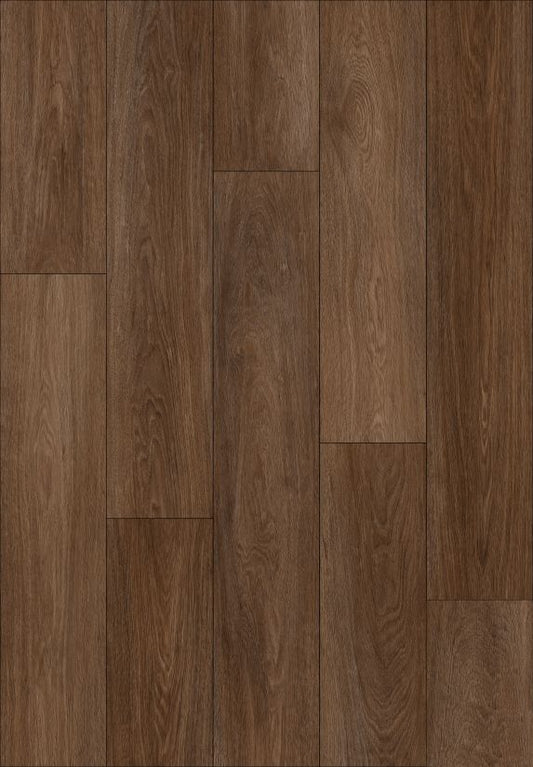
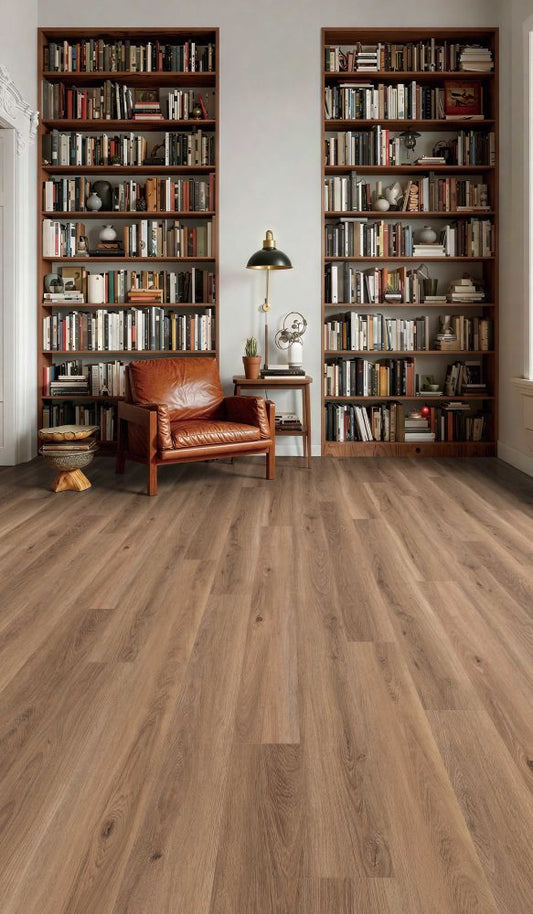
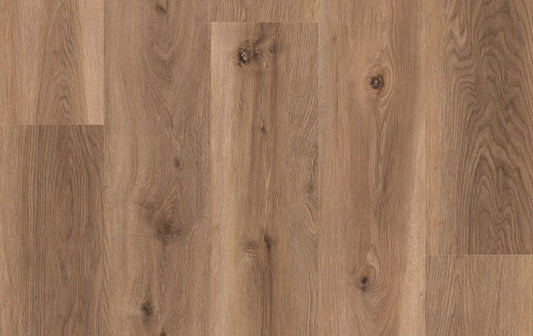
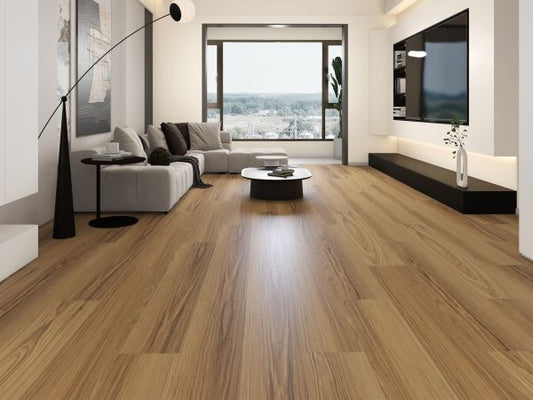
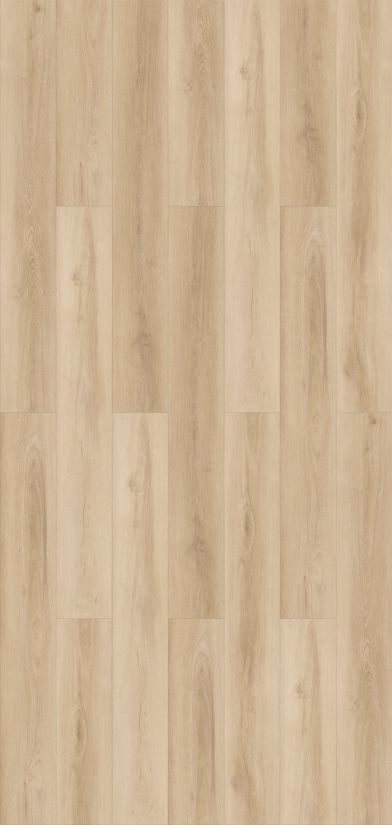
Collection: Vinyl Flooring for Kitchens | Waterproof & Easy-Clean LVP

Shop durable vinyl flooring for kitchens in realistic wood-look styles designed for spills, daily foot traffic, pets, and busy family life. Explore easy-clean LVP in light oak, natural oak, warm brown, gray, and modern wide-plank designs.

Vinyl Flooring for Kitchens That Balances Style and Practicality

Vinyl flooring for kitchens combines realistic wood-look design with the everyday practicality needed in one of the busiest rooms of the home.

Kitchens experience spills, dropped food, chair movement, pets, children, frequent cleaning, and constant foot traffic. Luxury vinyl plank can be a practical choice because many products offer waterproof or water-resistant construction, durable protective surfaces, simple maintenance, and a softer feel than ceramic or stone tile.

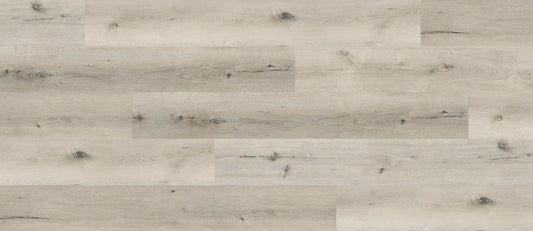
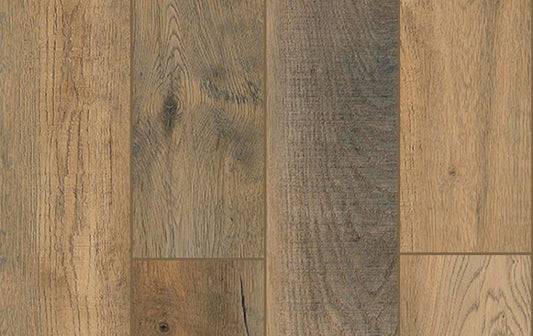
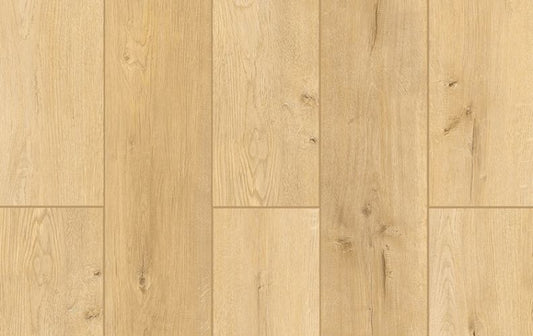
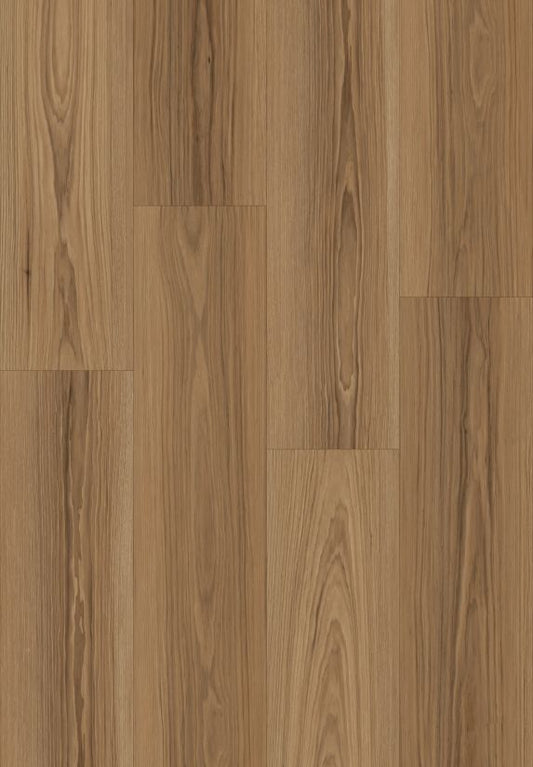
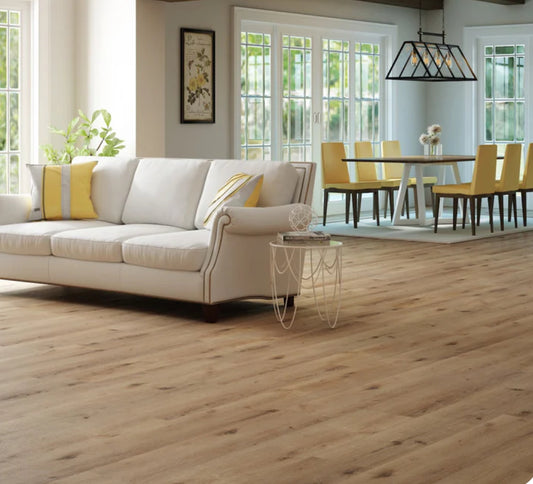
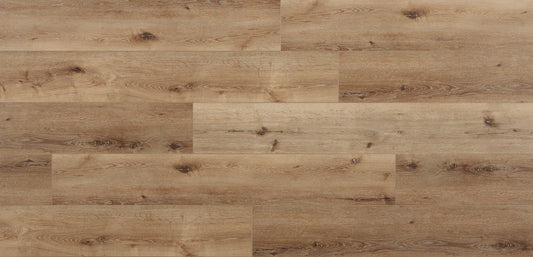
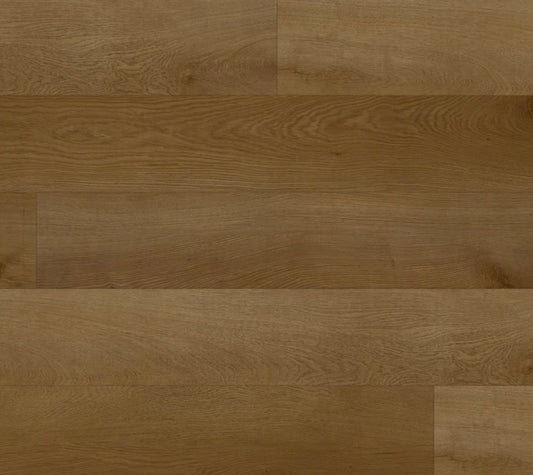
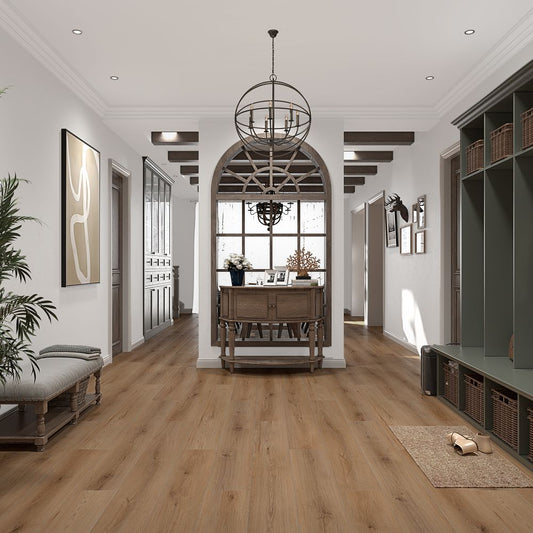
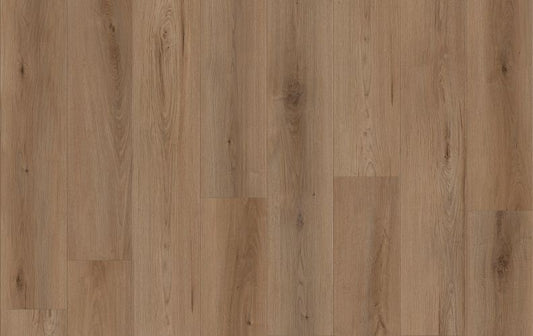
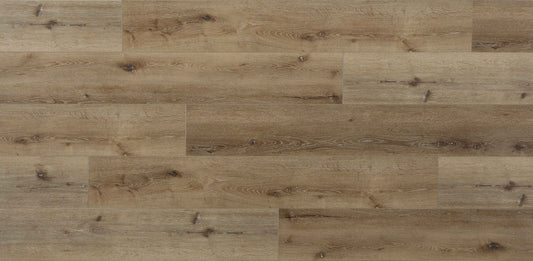
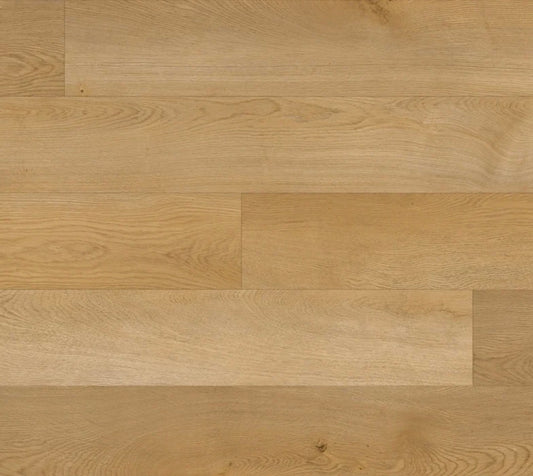
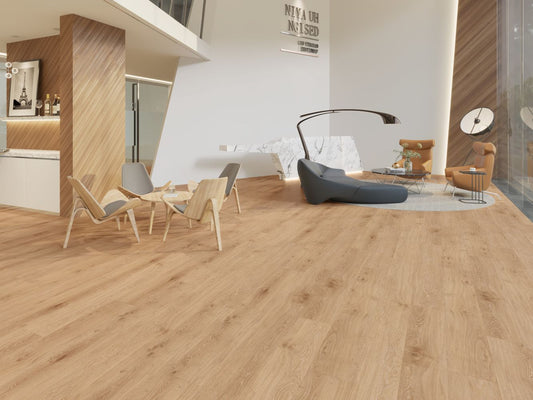
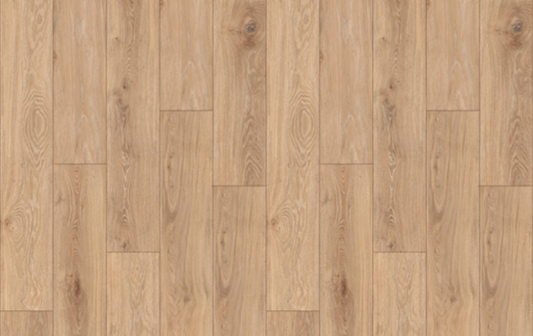
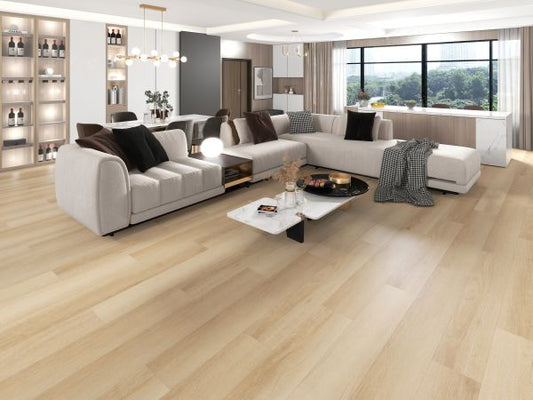
This collection includes kitchen-suitable vinyl plank flooring in light oak, natural oak, warm brown, white oak, gray, wide-plank, and contemporary wood-look styles.

Why Choose Vinyl Plank Flooring for a Kitchen?

Homeowners often choose LVP for kitchens because it can provide the appearance of hardwood without the same sensitivity to everyday moisture and spills.

Depending on the product, kitchen vinyl flooring may offer:

  • Waterproof or water-resistant plank construction
  • Easy cleanup after spills
  • Durable wear layers
  • Comfortable performance underfoot
  • Realistic hardwood visuals
  • Compatibility with open-plan layouts
  • Click-lock or glue-down installation
  • Multiple plank sizes and colors
  • Easier maintenance than many natural materials
  • A quieter feel than hard tile

The exact performance depends on the flooring construction, wear layer, finish, installation, subfloor preparation, and manufacturer warranty.

Is Vinyl Flooring Good for Kitchens?

Yes. Vinyl plank flooring can be an excellent kitchen flooring option when the selected product is approved for residential kitchen use.

It is especially appealing to homeowners who want:

  • A wood-look floor
  • Easier maintenance
  • Resistance to common spills
  • A comfortable alternative to tile
  • Consistent flooring through connected rooms
  • Multiple style and color choices
  • Flooring suitable for pets and children

Vinyl flooring should still be installed according to the manufacturer’s requirements. Waterproof planks do not automatically make the complete kitchen waterproof.

Waterproof Vinyl Flooring for Kitchens

Many kitchen vinyl flooring products are marketed as waterproof because the plank materials do not absorb water like traditional hardwood.

This can help with everyday kitchen spills, wet shoes, pet bowls, and routine cleaning.

However, water can still travel:

  • Around the perimeter of the room
  • Beneath transitions
  • Under appliances
  • Through damaged joints
  • Around cabinets
  • Into the subfloor
  • Beneath loose or poorly installed flooring

Clean spills promptly and address plumbing leaks immediately.

For floating floors, perimeter spacing and approved transitions must be maintained. For glue-down flooring, the correct adhesive and moisture preparation are essential.

Vinyl Flooring Around Sinks and Dishwashers

The areas around sinks and dishwashers are especially vulnerable to moisture.

To improve long-term performance:

  • Clean water immediately
  • Inspect dishwasher connections regularly
  • Use protective mats where appropriate
  • Avoid allowing water to remain at floor edges
  • Follow the manufacturer’s sealing guidance
  • Check for leaks beneath appliances
  • Replace damaged planks or joints promptly

A waterproof plank can resist surface water, but a hidden appliance leak can still damage the subfloor or surrounding materials.

Vinyl Flooring Under Kitchen Cabinets

Installation requirements around cabinets depend on the flooring system.

Floating click-lock flooring

Many floating vinyl floors should not be installed beneath fixed cabinets or permanent islands because the floor needs room to expand and contract.

Cabinets are typically installed first, with flooring placed around them while maintaining the required expansion gap.

Glue-down LVP

Some glue-down flooring systems may be installed beneath cabinets, depending on the manufacturer’s instructions and project requirements.

Always follow the specific installation guide for the selected product.

Do not assume the same method applies to every vinyl floor.

Vinyl Flooring Under Appliances

Kitchen vinyl flooring may be installed beneath refrigerators, ranges, and dishwashers when allowed by the manufacturer.

Before moving appliances:

  • Protect the flooring surface
  • Use appliance sliders or boards
  • Avoid dragging heavy appliances
  • Check floor-height clearances
  • Confirm dishwasher removal access
  • Review expansion requirements
  • Follow appliance installation guidance

Heavy appliances can dent or scratch flooring if moved improperly.

Best Wear Layer for Kitchen Vinyl Flooring

The wear layer is the transparent protective surface above the printed wood design.

Common residential options may include:

  • 12 mil
  • 20 mil
  • 22 mil
  • Manufacturer-specific protective finishes

A 12 mil wear layer may suit kitchens with moderate household activity.

A 20 mil or 22 mil wear layer may be preferred for:

  • Busy family kitchens
  • Homes with pets
  • Large households
  • Frequent entertaining
  • Open-plan living areas
  • High daily foot traffic
  • Kitchens connected to entryways

Wear-layer thickness should be considered alongside the finish, core, locking system, installation quality, and warranty.

Click-Lock Vinyl Flooring for Kitchens

Click-lock vinyl planks connect at the edges and float over the prepared subfloor.

Potential benefits may include:

  • Faster installation
  • No full-spread adhesive
  • Waterproof rigid-core options
  • Attached backing on selected products
  • Easier removal of the complete floor
  • Compatibility with connected living spaces

The subfloor must still be clean, flat, dry, and structurally sound.

Uneven areas can stress the locking joints and cause movement, noise, or gaps.

Glue-Down LVP for Kitchens

Glue-down luxury vinyl plank is installed directly to the prepared subfloor using an approved adhesive.

Potential advantages may include:

  • Minimal plank movement
  • Low overall floor height
  • Firm underfoot feel
  • Smooth transitions
  • Easier individual plank replacement
  • Stable performance in larger connected areas

Glue-down LVP requires thorough subfloor preparation.

Bumps, seams, cracks, and adhesive residue may show through flexible planks if the surface is not properly smoothed.

Vinyl Flooring for Open-Plan Kitchens

Open-plan kitchens often connect directly to dining and living areas.

Using one vinyl flooring style throughout the space can create:

  • Better visual flow
  • Fewer abrupt flooring transitions
  • A larger-looking interior
  • Easier furniture coordination
  • Consistent maintenance
  • A more unified design

Wide and long planks can enhance this effect by reducing visible seams and end joints.

For floating floors, check the manufacturer’s maximum continuous-run dimensions and transition requirements.

Best Kitchen Flooring Colors

The right flooring color depends on the cabinets, countertops, walls, lighting, and room size.

Light oak kitchen flooring

Light oak can brighten the room and work well with white, black, green, navy, and natural wood cabinets.

Natural oak kitchen flooring

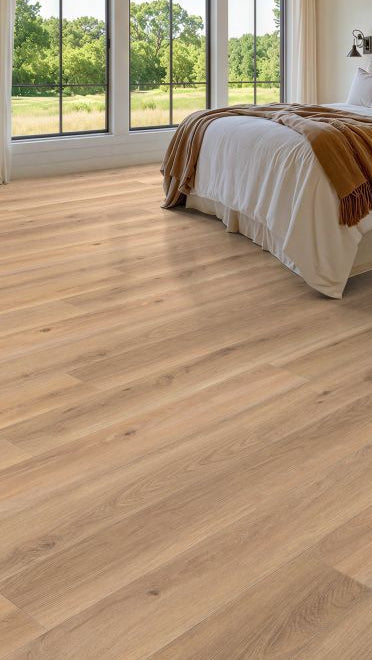
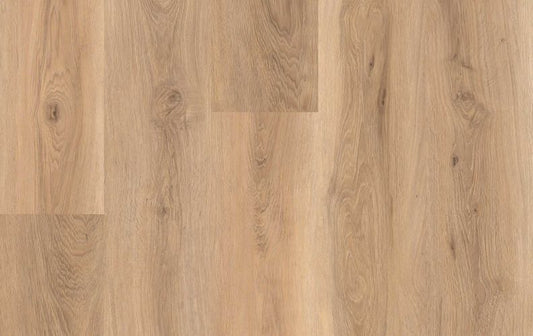
Natural oak provides balanced warmth and coordinates with many traditional and contemporary finishes.

White oak kitchen flooring

White oak offers beige, tan, and greige undertones that can create a refined and versatile appearance.

Warm brown kitchen flooring

Warm brown adds depth and can make large kitchens feel more comfortable.

Gray kitchen flooring

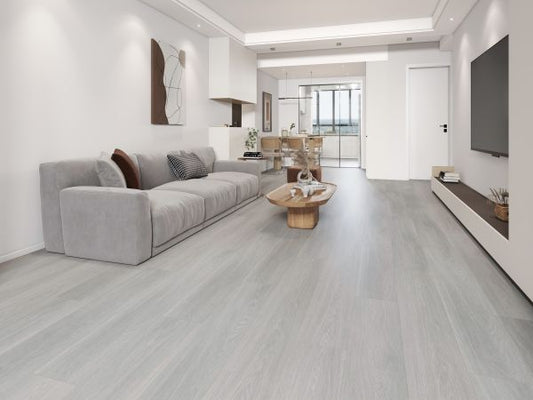
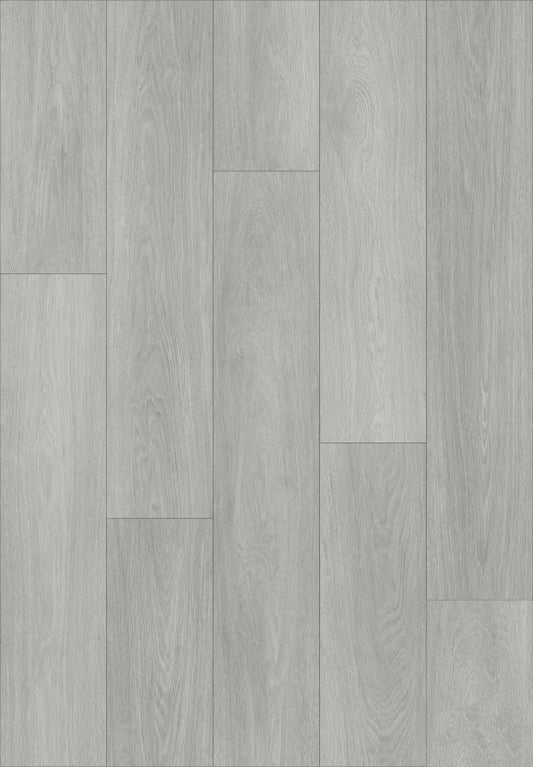
Gray can create a cooler modern look and often works with white, black, navy, and stainless-steel finishes.

Greige kitchen flooring

Greige combines gray and beige, making it easier to coordinate with both warm and cool interior colors.

Kitchen Flooring With White Cabinets

White cabinets work with many vinyl flooring colors.

Popular combinations include:

  • White cabinets with natural oak
  • White cabinets with light oak
  • White cabinets with warm beige flooring
  • White cabinets with greige
  • White cabinets with medium brown
  • White cabinets with charcoal flooring for contrast

Warm white cabinetry generally pairs best with beige, honey, or natural wood tones.

Crisp white cabinets may suit white oak, neutral gray, or cooler greige flooring.

Compare flooring samples directly against the cabinet door before choosing.

Kitchen Flooring With Dark Cabinets

Dark cabinetry can include black, navy, forest green, espresso, walnut, and charcoal.

Lighter flooring can balance the visual weight of dark cabinets and prevent the room from feeling too enclosed.

Suitable options may include:

  • Light oak
  • White oak
  • Blonde oak
  • Natural beige oak
  • Pale greige
  • Weathered light wood

Medium flooring can also work in large kitchens with strong natural light.

Kitchen Flooring With Honey Oak Cabinets

Honey oak cabinets contain strong golden and amber undertones.

To modernize the room without creating excessive yellow or orange, consider flooring with:

  • Neutral beige
  • Muted natural oak
  • Light white oak
  • Warm greige
  • Soft tan
  • Minimal orange grain
  • Matte finishes

Avoid an almost-identical honey finish unless the undertones match closely.

A clearly lighter, darker, or more neutral floor often creates a better result.

Kitchen Flooring With Green Cabinets

Vinyl flooring can pair beautifully with green cabinetry.

Possible combinations include:

  • Sage cabinets with natural oak
  • Olive cabinets with warm beige flooring
  • Forest green cabinets with light oak
  • Eucalyptus cabinets with greige
  • Emerald cabinets with pale white oak

Natural wood tones and green cabinetry often create an organic, grounded interior.

Check whether the cabinet green leans warm, cool, blue, or yellow before selecting the floor.

Kitchen Flooring With Navy Cabinets

Navy cabinets work well with:

  • White oak
  • Natural oak
  • Warm blonde oak
  • Light greige
  • Pale gray
  • Medium warm brown

Warm flooring can soften navy cabinetry, while gray flooring creates a cooler and more contemporary look.

White countertops, brass hardware, and natural wood accents can help connect the cabinet and floor colors.

Kitchen Flooring With Black Cabinets

Black cabinets can create a bold, modern kitchen.

Lighter flooring options such as white oak, blonde oak, light gray, or natural oak can provide contrast and maintain brightness.

In larger kitchens, medium brown or charcoal flooring may create a dramatic monochromatic look.

Use wall colors, countertops, lighting, and hardware to prevent the room from becoming visually heavy.

Is Vinyl Flooring Good for Kitchen Spills?

Yes. Many vinyl products handle everyday surface spills well, especially when they are described by the manufacturer as waterproof or water-resistant.

Spills should still be cleaned promptly because liquids may reach:

  • Plank edges
  • Perimeter gaps
  • Transitions
  • Adhesive
  • The subfloor
  • Areas beneath appliances

Sugary drinks, grease, sauces, and strongly colored liquids should not be allowed to dry on the surface.

Use only cleaners approved for the flooring.

Is Vinyl Flooring Comfortable in a Kitchen?

Vinyl flooring can feel more comfortable than ceramic tile or natural stone because resilient flooring has slightly more give.

Comfort depends on:

  • Total plank thickness
  • Attached backing
  • Subfloor type
  • Installation method
  • Room temperature
  • Footwear
  • Product construction

Rigid-core vinyl can still feel firm, but it is generally less cold and unforgiving than tile.

Anti-fatigue mats may be used near sinks or preparation areas if their backing is safe for vinyl flooring.

Is Vinyl Flooring Slippery in a Kitchen?

Slip resistance varies by product and surface finish.

Glossy, smooth flooring may feel more slippery when wet.

For kitchen use, consider:

  • Matte finishes
  • Textured surfaces
  • Embossed grain
  • Manufacturer slip-resistance data
  • Prompt spill cleanup
  • Approved non-slip mats

Avoid waxes, polishes, or cleaners that leave a slippery residue.

Vinyl Flooring for Kitchens With Pets

Kitchen flooring in pet households may be exposed to:

  • Water bowl spills
  • Food
  • Claws
  • Muddy paws
  • Pet hair
  • Frequent movement
  • Accidents

Consider products with:

  • Durable wear layers
  • Textured or matte finishes
  • Waterproof construction
  • Easy-clean surfaces
  • Medium-tone colors
  • Strong residential warranties

No vinyl floor is completely scratch-proof.

Keep pet nails trimmed, remove grit, and place waterproof mats beneath bowls.

Vinyl Flooring for Family Kitchens

Busy family kitchens need flooring that can handle daily routines, children, meals, furniture movement, and regular cleaning.

Useful features may include:

  • 20 mil or 22 mil wear layers
  • Waterproof plank construction
  • Easy-clean finishes
  • Strong locking systems
  • Secure glue-down installation
  • Matte surfaces
  • Realistic grain variation
  • Medium-tone colors that disguise minor debris

The best floor is not necessarily the thickest product. Complete construction and correct installation are equally important.

Vinyl Flooring Over Concrete in a Kitchen

Many vinyl products can be installed over properly prepared concrete.

The concrete should generally be:

  • Clean
  • Dry
  • Flat
  • Smooth
  • Structurally sound
  • Within moisture limits
  • Free from contaminants
  • Within manufacturer flatness tolerances

Moisture testing may be required.

Glue-down LVP needs an especially smooth surface, while rigid-core flooring still requires major dips and raised areas to be corrected.

Vinyl Flooring Over Kitchen Tile

Some vinyl flooring may be installed over secure and level tile.

Before installation:

  • Repair loose or cracked tiles
  • Fill deep grout lines when necessary
  • Correct raised edges
  • Check appliance clearance
  • Review the finished floor height
  • Confirm manufacturer approval
  • Clean the surface thoroughly

Flexible glue-down LVP may require skim coating to prevent grout lines or tile texture from showing through.

Kitchen Flooring Transitions

Transitions may be required where vinyl meets:

  • Carpet
  • Hardwood
  • Tile
  • Exterior doors
  • Bathrooms
  • Hallways
  • Other vinyl flooring
  • Changes in floor height

Use manufacturer-approved trims and transition pieces.

Plan transition locations before installation, especially around doorways, appliances, and open-plan room boundaries.

Cleaning Kitchen Vinyl Flooring

Routine maintenance is straightforward.

Recommended care may include:

  • Sweeping or vacuuming regularly
  • Removing food debris
  • Cleaning spills promptly
  • Using a damp microfiber mop
  • Using an approved vinyl-floor cleaner
  • Placing mats at entrances
  • Using protective pads beneath stools and chairs
  • Lifting rather than dragging furniture

Avoid abrasive scrubbers, oil soaps, waxes, harsh chemicals, and steam mops unless approved by the manufacturer.

Protecting Flooring Beneath Kitchen Chairs and Stools

Repeated chair movement can create surface wear.

To protect the floor:

  • Use felt pads
  • Replace worn pads regularly
  • Lift rather than drag stools
  • Remove grit beneath chair legs
  • Use vinyl-safe mats if needed
  • Choose durable wear layers for dining areas

Check furniture feet for sharp edges before placing them on the new floor.

Measuring for Kitchen Flooring

Measure the full kitchen floor area carefully.

Account for:

  • Visible floor space
  • Areas beneath removable appliances
  • Pantries
  • Closets
  • Connected dining spaces
  • Irregular walls
  • Doorways
  • Waste and cuts

Approximately 7% to 10% extra flooring is common for straightforward layouts.

Kitchens with islands, angled walls, many cabinets, or connected rooms may require more.

Always round up to full cartons.

Order Kitchen Flooring Samples

Flooring can appear different beside cabinets, countertops, backsplashes, and appliances.

Use physical samples to compare:

  • Color
  • Undertones
  • Grain
  • Surface texture
  • Finish level
  • Cabinet compatibility
  • Countertop compatibility
  • Daytime and evening appearance
  • Visibility of crumbs and pet hair

Place samples flat on the kitchen floor and view them in several areas.

Check them under natural light, overhead lighting, and under-cabinet lighting.

Frequently Asked Questions About Vinyl Flooring for Kitchens

Is vinyl plank flooring suitable for kitchens?

Yes. Many vinyl plank products are approved for kitchens and offer easy maintenance, realistic wood visuals, and waterproof or water-resistant construction.

Is kitchen vinyl flooring waterproof?

Many products are marketed as waterproof, but the complete room is not automatically waterproof. Water can still reach the subfloor around edges and transitions.

Can vinyl flooring go beneath kitchen cabinets?

It depends on the flooring system. Floating floors are often installed around fixed cabinets, while some glue-down products may be installed beneath them.

Can vinyl flooring go beneath appliances?

Many products can be installed beneath appliances. Protect the floor while moving appliances and follow manufacturer requirements.

Is click-lock or glue-down vinyl better for kitchens?

Both can work well. Click-lock flooring may offer easier installation, while glue-down LVP provides minimal movement and a lower profile.

What wear layer is best for kitchen flooring?

A 20 mil or 22 mil wear layer may provide additional protection for busy kitchens, pets, and family households. Moderate-use kitchens may also suit quality 12 mil products.

Is vinyl flooring easy to clean?

Yes. Routine sweeping, prompt spill cleanup, and damp mopping with an approved cleaner are usually sufficient.

Is vinyl flooring good for kitchens with dogs?

Yes. It can be easy to clean and water-resistant, although no floor is completely scratch-proof.

Can vinyl flooring be installed over kitchen tile?

Some products can be installed over secure and level tile. Grout lines and uneven areas may need preparation first.

Does vinyl flooring feel cold?

It generally feels warmer and softer than ceramic tile or stone, although comfort varies by product and subfloor.

What flooring color works best in a kitchen?

Light oak, natural oak, white oak, warm brown, gray, and greige can all work. The best choice depends on the cabinets, counters, walls, and lighting.

Should I order flooring samples first?

Yes. Samples help you compare undertones, texture, and compatibility with cabinets and countertops before purchasing.