
Collection: Quiet Flooring for Upstairs Bedrooms
Shop quiet flooring for upstairs bedrooms, including vinyl plank with attached acoustic backing, thick laminate, WPC flooring. Explore comfortable wood-look floors designed to reduce footfall noise and improve bedroom privacy.
-
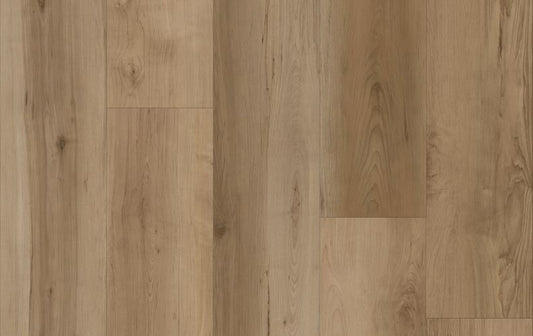
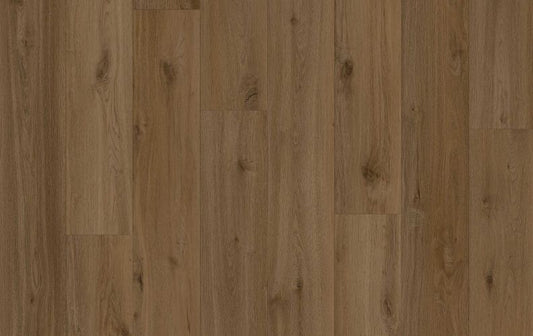
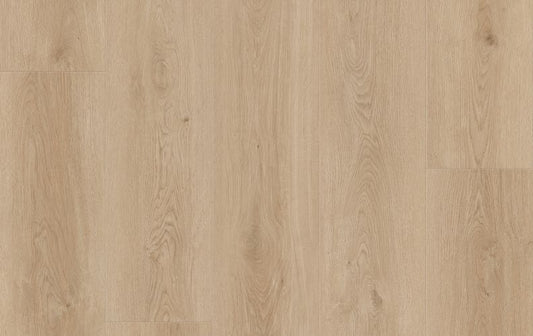
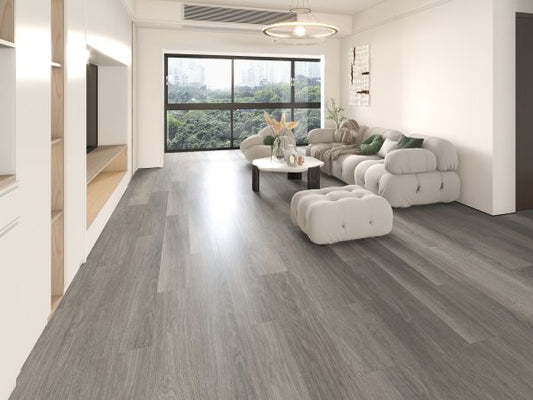
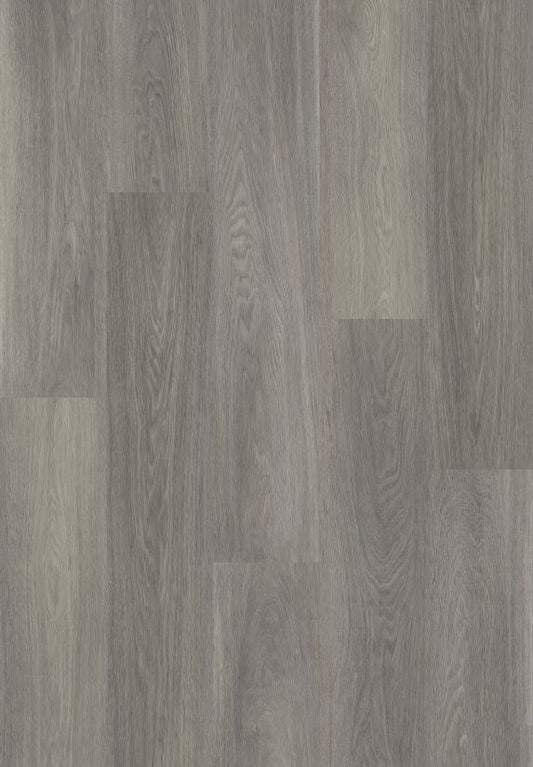
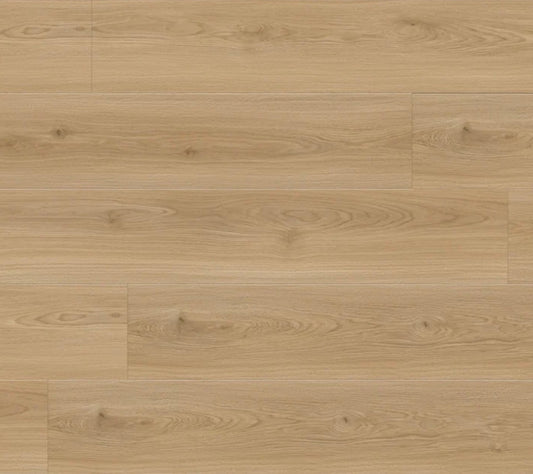
Comfort Heights - River Walk | AC4 12mm 9.25x60 Laminate | Lions Floor
Vendor:Lions Floor$3.49 / sq. ft. $66.90 per carton · 19.16 sq. ft. / carton12.0mm9 1/4 x 5' -
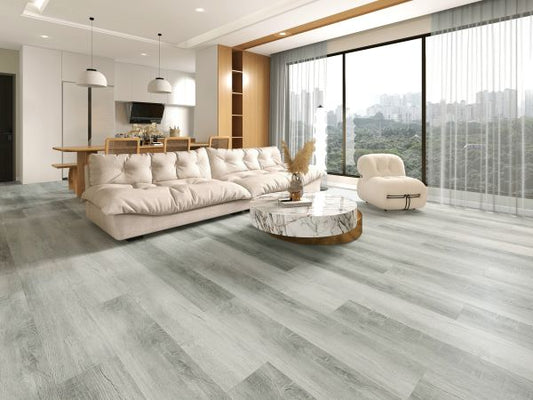
United Weavers Heritage Grace- 22mil 10mm 9x60 Waterproof WPC Vinyl Plank flooring
Vendor:United Weavers$4.49 / sq. ft. $65.31 per carton · 14.53 sq. ft. / carton10.0mm22mil9x60 -
Seaside Summit Sandstone whisper 30mil 10mm 9.5x84 WPC Vinyl Plank
Vendor:Lions Floor$4.39 / sq. ft. $142.30 per carton · 32.41 sq. ft. / carton10.0mm30mil9.5x84 -
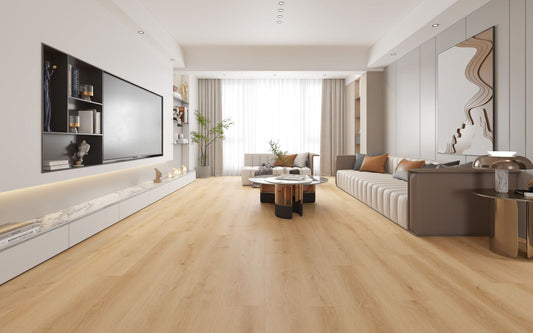
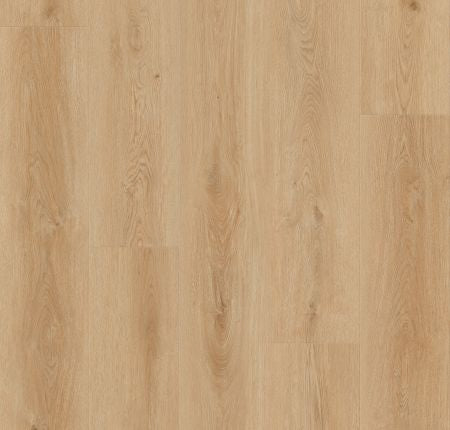
Comfort Heights - Maple Gardens | AC4 12mm 9.25x60 Laminate | Lions Floor
Vendor:Lions Floor$3.49 / sq. ft. $66.90 per carton · 19.16 sq. ft. / carton12.0mm9 1/4 x 5' -
Ocean Crest - Summit Drift | 20mil 8mm 9x60 WPC Vinyl Plank | Lions Floor
Vendor:Lions Floor$4.09 / sq. ft. $122.20 per carton · 29.9 sq. ft. / carton8.0mm20mil9x60 -
Comfort Heights - Baywood Place | AC4 12mm 9.25x60 Laminate | Lions Floor
Vendor:Lions Floor$3.49 / sq. ft. $66.90 per carton · 19.16 sq. ft. / carton12.0mm9 1/4 x 5' -
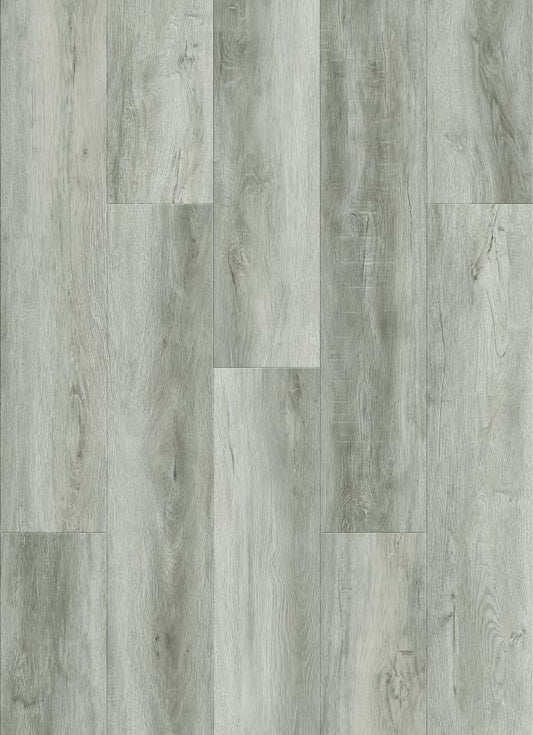
United Weavers Heritage Cityscape- 22mil 10mm 9x60 Waterproof WPC Vinyl Plank flooring
Vendor:United Weavers$4.49 / sq. ft. $65.31 per carton · 14.53 sq. ft. / carton10.0mm22mil9x60 -
Seaside Summit Pebble Shimmer 30mil 10mm 9.5x84 WPC Vinyl Plank
Vendor:Lions Floor$4.39 / sq. ft. $142.30 per carton · 32.41 sq. ft. / carton10.0mm30mil9.5x84 -
Revival Midtown 30 mil 12mm 9X60 WPC | United Weavers / Caspar Flooring Direct
Vendor:United Weavers$5.49 / sq. ft. $79.80 per carton · 14.54 sq. ft. / carton12.0mm30mil9x60 -
Comfort Heights - Village Park | AC4 12mm 9.25x60 Laminate | Lions Floor
Vendor:Lions Floor$3.49 / sq. ft. $66.90 per carton · 19.16 sq. ft. / carton12.0mm9 1/4 x 5' -
Wayne Parc Macland 22mil 10mm 9x60 WPC Vinyl Plank | MSI
Vendor:MSI Everlife$4.01 / sq. ft. $90.05 per carton · 22.465 sq. ft. / carton10.0mm22mil9x60 -
Wayne Parc Elwood 22mil 10mm 9x60 WPC Vinyl Plank | MSI
Vendor:MSI Everlife$4.01 / sq. ft. $90.05 per carton · 22.465 sq. ft. / carton10.0mm22mil9x60 -
Seaside Summit Sunshine Sparkle 30mil 10mm 9.5x84 WPC Vinyl Plank
Vendor:Lions Floor$4.39 / sq. ft. $142.30 per carton · 32.41 sq. ft. / carton10.0mm30mil9.5x84 -
Canyon Coast - Alpine Ambiance | 20mil 10mm 9x72 WPC Vinyl Plank | Lions Floor
Vendor:Lions Floor$4.99 / sq. ft. $154.50 per carton · 30.99 sq. ft. / carton10.0mm20mil9x72 -
Bear Woods - Bianco Romano | 12mm AC5 Waterproof Laminate Flooring | 9” x 72” Extra Long Planks
Vendor:Republic Floors$4.09 / sq. ft. $94.80 per carton · 23.19 sq. ft. / carton12.0mm9x72 -
United Weavers Heritage Artisan - 22mil 10mm 9x60 Waterproof WPC Vinyl Plank flooring
Vendor:United Weavers$4.49 / sq. ft. $65.31 per carton · 14.53 sq. ft. / carton10.0mm22mil9x60





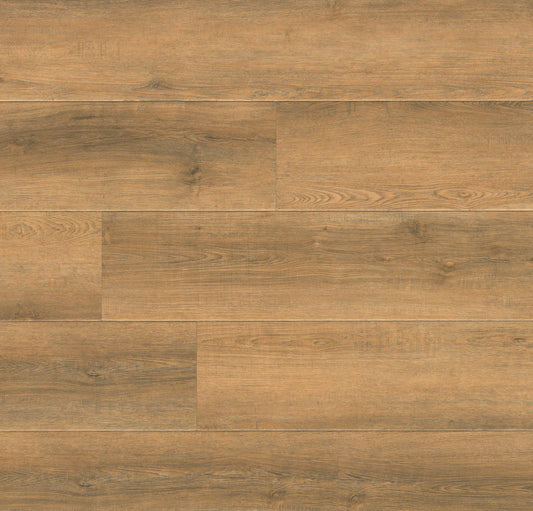
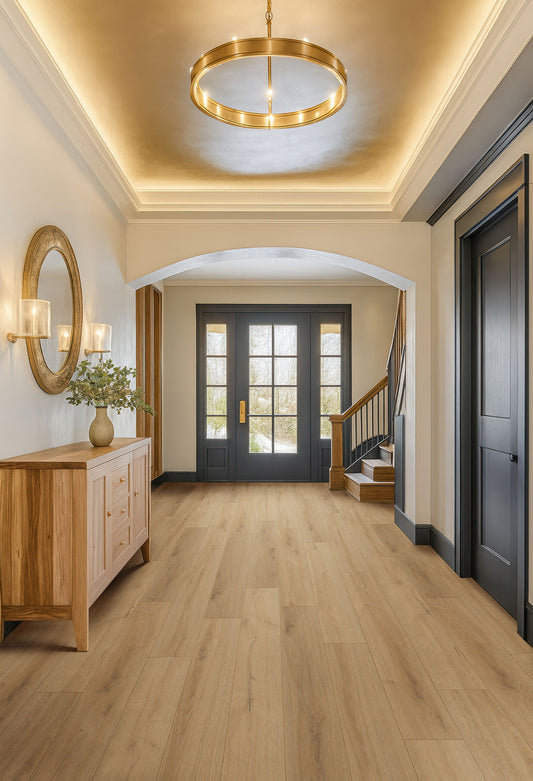
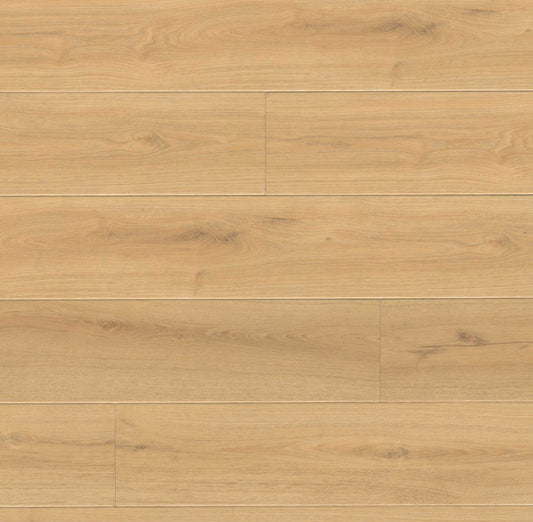
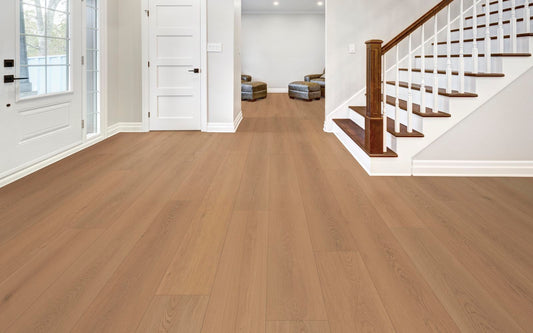
Choosing Quiet Flooring for an Upstairs Bedroom
Upstairs bedroom flooring should balance appearance, comfort, cleaning, and noise control.
Common noise concerns include:
- Footsteps
- Pet claws
- Furniture movement
- Dropped objects
- Children playing
- Rolling chairs
- Sound transfer to rooms below
Suitable options may include:
- WPC vinyl flooring
- SPC with attached acoustic backing
- Thick laminate
- Engineered hardwood over an approved acoustic system
WPC Flooring for Upstairs Bedrooms
WPC may provide a slightly softer and more resilient underfoot feel than dense SPC.
Potential benefits may include:
- Reduced hard footfall
- Attached acoustic backing
- Comfortable residential feel
- Waterproof plank construction
- Broad wood-look styling
- Compatibility with area rugs
Exact acoustic performance varies by product.
Vinyl Flooring With Attached Pad
Attached backing may help reduce:
- Footfall noise
- Hollow sound
- Minor room echo
- Direct contact between flooring and subfloor
Check published acoustic ratings when required by a building or association.
Do not add separate underlayment unless the manufacturer permits it.
Laminate Flooring for Upstairs Bedrooms
Thick laminate may provide a substantial wood-like feel, but it can sound harder than some WPC products.
Acoustic performance may be improved through:
- Approved underlayment
- Attached backing
- Area rugs
- Correct subfloor preparation
- Secure locking joints
- Furniture and textiles
Engineered Hardwood for Upstairs Bedrooms
Engineered hardwood provides genuine wood character but may transmit more impact noise without an acoustic installation system.
Possible solutions include:
- Floating installation over approved acoustic underlayment
- Glue-down installation with acoustic adhesive
- Large area rugs
- Upholstered furniture
- Soft furniture pads
Acoustic Ratings Explained
Two commonly referenced ratings include:
- IIC: Impact Insulation Class, related to impact sound such as footsteps.
- STC: Sound Transmission Class, related to airborne sound such as voices.
Published ratings depend on the entire tested assembly, including:
- Flooring
- Underlayment
- Subfloor
- Ceiling structure
- Concrete or wood framing
A flooring product alone does not determine the real-world result.
Quiet Flooring for Apartments and Condos
Buildings may require minimum acoustic ratings.
Before purchasing, confirm:
- Association rules
- Building requirements
- Tested floor assembly
- Underlayment approval
- Installation method
- Documentation requirements
Best Flooring Colors for Bedrooms
Calm bedroom options include:
- Light oak
- Natural oak
- Warm beige
- Soft greige
- Medium brown
- Muted weathered wood
Matte surfaces typically create a softer appearance than glossy finishes.
Using Area Rugs for Additional Noise Control
Area rugs may reduce sound and add comfort.
Use:
- Flooring-compatible rug pads
- Large rugs beside and beneath beds
- Runners in bedroom hallways
- Low-slip backings approved for the floor
Avoid rubber or chemical backings that may discolor vinyl.
Frequently Asked Questions
What flooring is quietest for an upstairs bedroom?
WPC and vinyl with acoustic backing may offer comfortable footfall, while rugs can provide further sound reduction.
Is laminate noisy upstairs?
It can be, especially without suitable acoustic underlayment.
Does attached pad make flooring soundproof?
No. It may reduce some sound, but it does not soundproof the room.
What do IIC and STC mean?
They are ratings related to impact and airborne sound transmission.
Can I add extra underlayment beneath vinyl?
Only when approved by the flooring manufacturer.
Explore related options in Quiet WPC Flooring, Quiet SPC Flooring, Engineered Hardwood Flooring for Upstairs, and WPC Flooring for Upstairs.
Explore related flooring
Browse related flooring collections, brands and styles before making your final choice.