
Collection: Flooring for Wheelchairs and Mobility Aids
Shop flooring for wheelchairs and mobility aids with smooth transitions, durable wear protection, easy-clean surfaces, and firm hard-surface construction. Compare qualifying vinyl plank, SPC, glue-down LVT, laminate, and engineered flooring for accessible residential spaces.
-
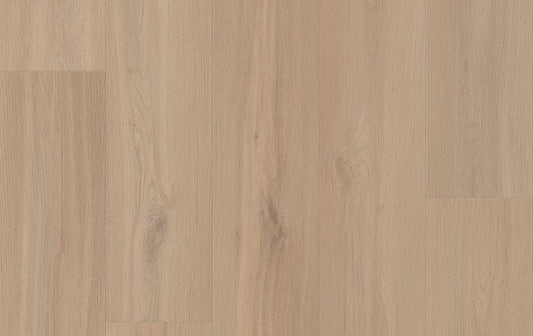
Comfort Heights - River Walk | AC4 12mm 9.25x60 Laminate | Lions Floor
Vendor:Lions Floor$3.49 / sq. ft. $66.90 per carton · 19.16 sq. ft. / carton12.0mm9 1/4 x 5' -
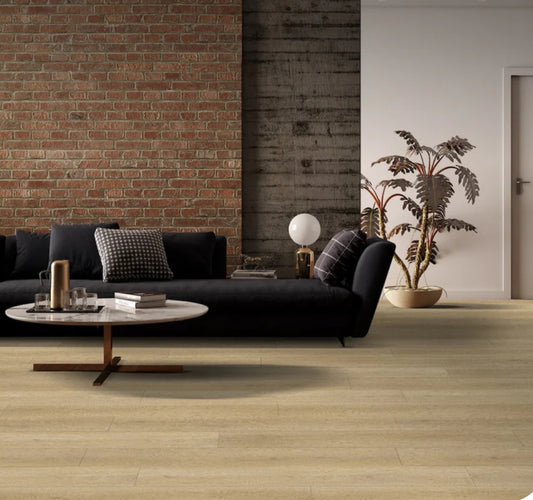
Comfort Heights - Maple Gardens | AC4 12mm 9.25x60 Laminate | Lions Floor
Vendor:Lions Floor$3.49 / sq. ft. $66.90 per carton · 19.16 sq. ft. / carton12.0mm9 1/4 x 5' -
Comfort Heights - Baywood Place | AC4 12mm 9.25x60 Laminate | Lions Floor
Vendor:Lions Floor$3.49 / sq. ft. $66.90 per carton · 19.16 sq. ft. / carton12.0mm9 1/4 x 5' -
Comfort Heights - Village Park | AC4 12mm 9.25x60 Laminate | Lions Floor
Vendor:Lions Floor$3.49 / sq. ft. $66.90 per carton · 19.16 sq. ft. / carton12.0mm9 1/4 x 5' -
Haven Heights Parkside Lane AC3 10mm 9.25x60 Laminate (Pad Attached)
Vendor:Lions Floor$2.99 / sq. ft. $92.30 per carton · 30.92 sq. ft. / carton10.0mm12mil9 1/4 x 60 -
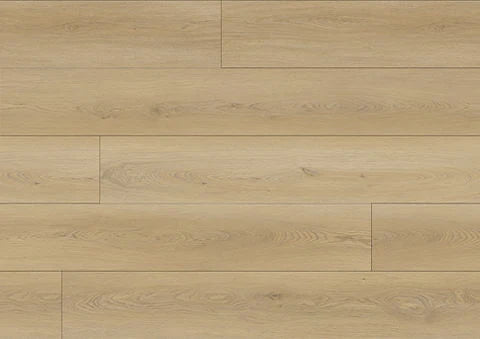
Active Spaces - Riviera Beach | 20 mil 2.5mm 7.25x48 Glue Down LVP | Aperion
Vendor:Aperion$2.28 / sq. ft. $110.00 per carton · 48.34 sq. ft. / carton2.5mm20mil7x48 -
Active Spaces - Reno | 20 mil 2.5mm 7.25x48 Glue Down LVP | Aperion
Vendor:Aperion$2.28 / sq. ft. $110.00 per carton · 48.34 sq. ft. / carton2.5mm20mil7x48 -
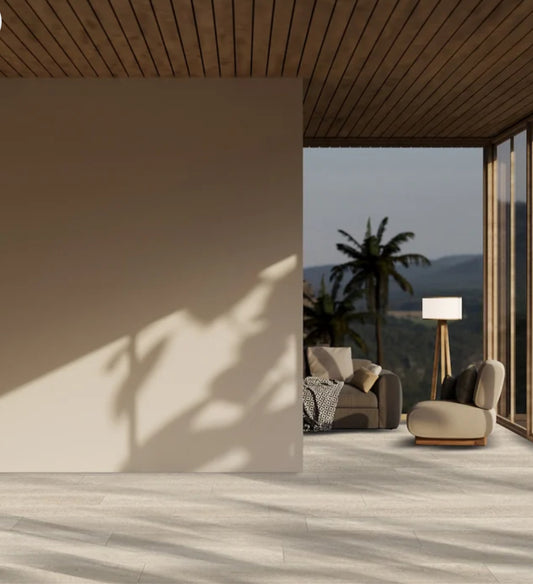
Bear Woods - Bianco Romano | 12mm AC5 Waterproof Laminate Flooring | 9” x 72” Extra Long Planks
Vendor:Republic Floors$4.09 / sq. ft. $94.80 per carton · 23.19 sq. ft. / carton12.0mm9x72 -
Comfort Heights - Country Aura | AC4 12mm 9.25x60 Laminate | Lions Floor
Vendor:Lions Floor$3.49 / sq. ft. $66.90 per carton · 19.16 sq. ft. / carton12.0mm9 1/4 x 5' -
North Forest Spanish Gold – 12mm AC5 Waterproof Laminate Flooring | 9” x 72” Extra Long Planks
Vendor:Republic Floors$3.99 / sq. ft. $93.10 per carton · 23.31 sq. ft. / carton12.0mm9x72 -
North Forest Rock Cream – 12mm AC5 Waterproof Laminate Flooring | 9” x 72” Extra Long Planks
Vendor:Republic Floors$3.59 / sq. ft. $83.79 per carton · 23.31 sq. ft. / carton12.0mm9x72Sale -
North Forest Granville – 12mm AC5 Waterproof Laminate Flooring | 9” x 72” Extra Long Planks
Vendor:Republic Floors$3.99 / sq. ft. $93.10 per carton · 23.31 sq. ft. / carton12.0mm9x72 -
North Forest Norwegian Rose 12mm AC5 Waterproof Laminate Flooring | 9” x 72” Extra Long Planks
Vendor:Republic Floors$3.99 / sq. ft. $93.10 per carton · 23.31 sq. ft. / carton12.0mm9x72 -
Rockwell Bradford 30mil 3mm 12x24 Tile Look LVT | Infinity Floors
Vendor:Infinity Floor$2.13 / sq. ft. $64.00 per carton · 30.03 sq. ft. / carton3.0mm30mil12x24 -
Bear Woods - Crystal Yellow | 12mm AC5 Waterproof Laminate Flooring | 9” x 72” Extra Long Planks
Vendor:Republic Floors$4.09 / sq. ft. $94.80 per carton · 23.19 sq. ft. / carton12.0mm9x72 -
Formalay - Contour Flex | 20mil 5mm 9x60 Looselay LVP | Lions Floor
Vendor:Lions Floor$3.29 / sq. ft. $74.00 per carton · 22.5 sq. ft. / carton5.0mm20mil9x60

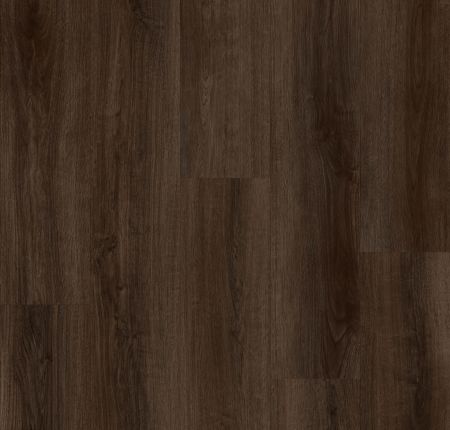
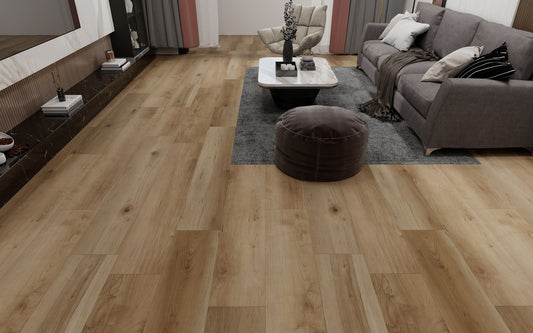
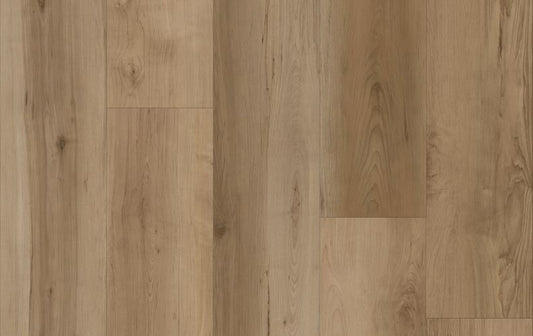
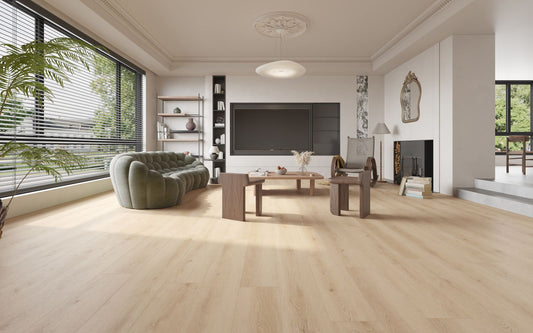
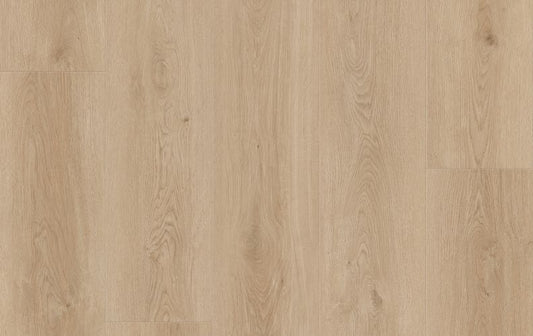
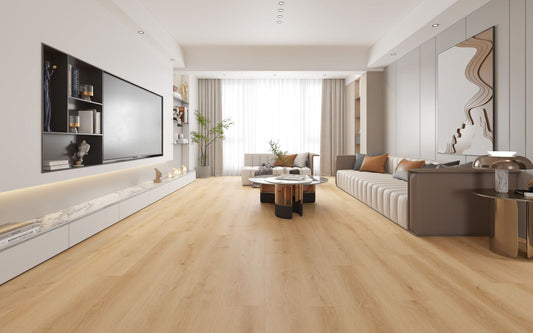
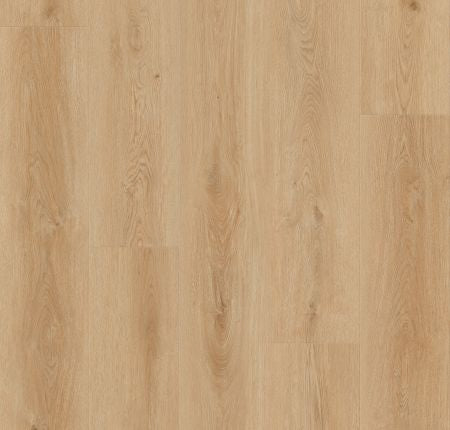
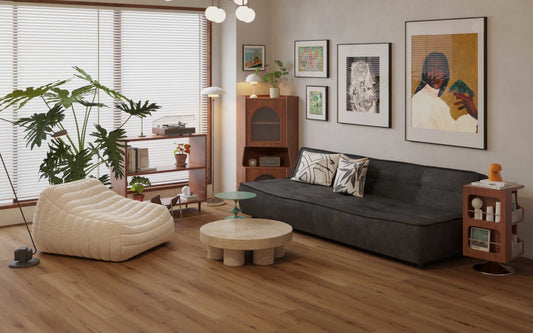
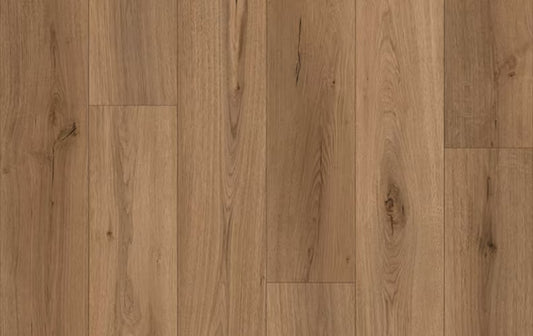


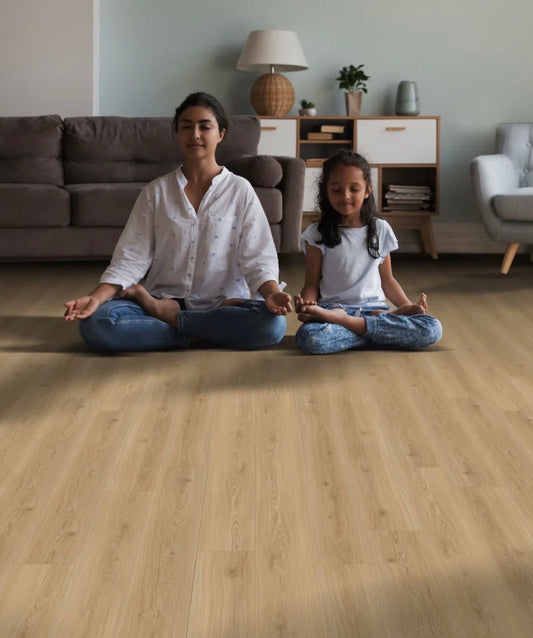
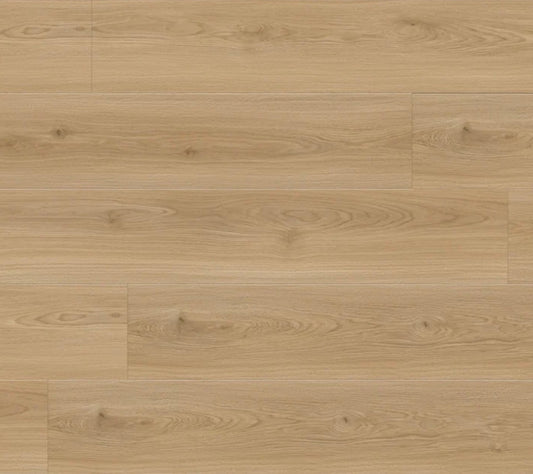
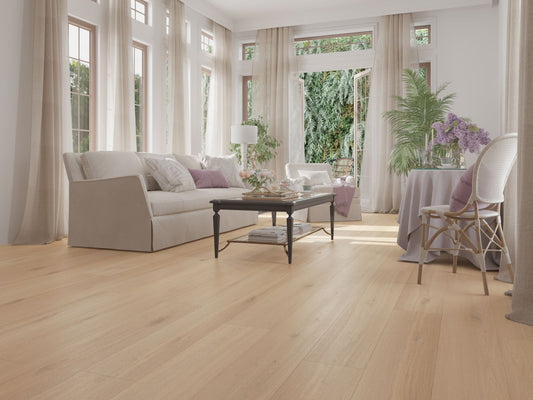




Flooring for Wheelchairs and Mobility Aids
Flooring for wheelchairs and mobility aids should provide a firm, stable, and predictable surface throughout the home. Ease of movement, transition height, surface texture, installation quality, maintenance, and long-term durability can all influence how practical a floor feels.
Qualifying flooring may include:
- Glue-down luxury vinyl
- Rigid-core SPC
- Low-profile vinyl plank
- Durable laminate
- Engineered hardwood
- Smooth hard-surface flooring
- Waterproof flooring where verified
- Commercially rated products where appropriate
The complete room and transition layout should be evaluated. A suitable flooring product can still become difficult to navigate if it is installed with raised thresholds, excessive transitions, uneven joints, loose rugs, or abrupt changes in height.
What Flooring Is Best for Wheelchair Users?
The most practical flooring generally provides a firm surface with limited rolling resistance. It should be installed smoothly, maintained easily, and connected to surrounding rooms with appropriate transitions.
Glue-down vinyl is frequently considered because it creates a low-profile surface that is firmly bonded to the subfloor. Rigid-core flooring may also be suitable when properly installed over a flat and structurally sound surface.
The best option depends on:
- Wheelchair type and weight
- Manual or powered operation
- Frequency of use
- Subfloor condition
- Room transitions
- Moisture exposure
- Required maintenance
- Manufacturer installation instructions
Is Vinyl Plank Flooring Good for Wheelchairs?
Qualifying vinyl plank can provide a firm, easy-clean surface with numerous residential design options. Waterproof vinyl may also suit kitchens, entrances, and other areas exposed to ordinary spills.
Potential benefits include:
- Smooth rolling surface
- Durable wear protection
- Waterproof construction where verified
- Easy routine cleaning
- Low-profile glue-down options
- Rigid-core click-lock options
- Residential and commercial warranties
- Wood-look and stone-look visuals
Product thickness, joint construction, transition profiles, and subfloor preparation should all be considered.
Is Glue-Down LVT Suitable for Wheelchairs?
Glue-down LVT is often selected for accessible residential and commercial spaces because it creates a stable surface with a relatively low installation profile.
Potential advantages include:
- Direct adhesion to the subfloor
- Reduced vertical movement
- Low transition height
- Replaceable individual pieces in some installations
- Commercial wear-layer options
- Smooth rolling performance
- Broad design selection
The subfloor must be properly prepared because irregularities may remain visible through the finished flooring. Adhesive selection and moisture testing are also important.
Can SPC Flooring Be Used With Wheelchairs?
Qualifying SPC flooring may support wheelchair use when it is installed correctly over a sufficiently flat subfloor. Its rigid core and durable surface make it attractive for active residential spaces.
However, floating flooring must retain the expansion space required by the manufacturer. Heavy fixed objects should not restrict movement unless the installation instructions specifically permit them.
Locking-system quality and proper joint engagement are particularly important in areas exposed to repeated rolling traffic.
Is Laminate Flooring Suitable for Mobility Aids?
Durable laminate can provide a firm surface with strong abrasion resistance. Qualifying products may suit wheelchairs, walkers, rollators, and other mobility equipment when properly installed.
Buyers should compare:
- AC rating
- Total thickness
- Locking-system quality
- Surface texture
- Moisture classification
- Underlayment requirements
- Transition profiles
- Residential or commercial warranty
A deeply embossed or heavily textured surface may create more rolling resistance than a smoother finish.
Why Are Flooring Transitions Important?
Transitions connect different flooring materials and changes in height. Raised or poorly positioned transition strips may make movement more difficult and can create a potential obstacle.
An accessible flooring plan should attempt to reduce unnecessary height changes between rooms. Transition profiles should be selected based on the flooring thicknesses, doorway layout, and manufacturer requirements.
A qualified installer can help determine whether adjacent floors can be connected with a lower or smoother transition.
Does Flooring Thickness Matter?
Thickness affects the finished floor height and how it meets nearby rooms, doors, appliances, and thresholds. A thicker floor is not automatically more suitable for a wheelchair.
A lower-profile glue-down floor may simplify certain transitions, while a thicker floating floor may require additional profiles. The complete installed height, including underlayment, should be calculated before purchase.
What Surface Texture Is Best?
A firm, smooth, or lightly textured surface generally provides easier rolling than a heavily embossed floor. However, the surface should still provide appropriate traction for other occupants.
The best balance depends on the household, wheelchair, mobility equipment, footwear, room, and maintenance requirements.
Samples can help buyers evaluate:
- Surface texture
- Wheel movement
- Gloss level
- Visual contrast
- Ease of cleaning
- Color and pattern
- Perceived traction
Are Rugs Recommended Over Wheelchair-Friendly Flooring?
Loose rugs may move, bunch, or create additional resistance. If rugs or mats are necessary, they should be selected and secured carefully for the intended household.
Any rug backing must also be compatible with the flooring finish. Some rubber- or latex-backed products may discolor certain floors.
How Should Flooring for Wheelchairs Be Maintained?
Routine maintenance may include:
- Removing grit and debris
- Cleaning spills promptly
- Using manufacturer-approved cleaners
- Inspecting transitions
- Avoiding waxes that create residue
- Protecting the floor while moving furniture
- Checking wheelchair tires for embedded debris
- Following warranty and care instructions
Grit trapped beneath tires or mobility equipment can contribute to surface wear over time.
Frequently Asked Questions
What flooring is easiest for a wheelchair to move across?
Firm hard-surface flooring with smooth transitions and limited texture generally provides lower rolling resistance than thick or soft surfaces.
Is glue-down vinyl better than floating vinyl for wheelchairs?
Glue-down vinyl offers a stable, low-profile installation. Floating vinyl may also work when the product, subfloor, transitions, and locking system are suitable.
Can powered wheelchairs be used on vinyl plank flooring?
Many durable vinyl products may support powered wheelchairs, but product specifications, combined weight, rolling traffic, and warranty terms should be verified.
Can wheelchair wheels damage flooring?
Repeated traffic, embedded grit, abrupt turning, excessive weight, and unsuitable installation can contribute to wear. Durable surface protection and regular cleaning may help.
Should accessible flooring be completely smooth?
Not necessarily. A lightly textured surface may provide useful traction while remaining easy to roll across. Deep embossing may increase rolling resistance.
Does attached underlayment make wheelchair movement harder?
The effect depends on the flooring system. Excessively soft or unapproved underlayment can create movement and stress locking joints, so only approved materials should be used.
Are floor transitions dangerous for mobility aids?
High or loose transitions can create obstacles. Properly selected and installed low-profile transitions can improve movement between rooms.
Is waterproof flooring useful for accessible homes?
Waterproof flooring can simplify spill management in kitchens, approved bathrooms, laundry rooms, and entrances. It does not make the complete room waterproof.
Should I test a flooring sample before buying?
Yes. A sample can help evaluate texture, color, cleanability, traction, and how easily the specific wheelchair or mobility aid moves across the surface.
Browse the products above to compare flooring for wheelchairs and mobility aids by installation type, thickness, surface texture, wear protection, waterproof performance, and warranty.
Explore related options in Glue Down LVP, Commercial-Grade Vinyl Flooring, and SPC Flooring for Offices.
Explore related flooring
Browse related flooring collections, brands and styles before making your final choice.