
Collection: Best Flooring for Older Homes
Shop the best flooring for older homes with practical options for uneven subfloors, mixed room layouts, dated finishes, pets, moisture concerns, and full-home updates. Browse waterproof vinyl plank, SPC, laminate, and engineered hardwood styles that help older houses feel cleaner, brighter, and more modern.
-
Woodscape Rustic Revival | 3mm Veneer 14mm 7.5x75 Engineered Hardwood | United Weavers
Vendor:United Weavers$6.99 / sq. ft. $217.39 per carton · 31.09 sq. ft. / carton14.0mm3mil7.5x75Sale -
Comfort Heights - River Walk | AC4 12mm 9.25x60 Laminate | Lions Floor
Vendor:Lions Floor$3.49 / sq. ft. $66.90 per carton · 19.16 sq. ft. / carton12.0mm9 1/4 x 5' -
Lions Floor Lone Star Spirit More Mesa - 20mil 6mm 7x72 SPC Vinyl Plank
Vendor:Lions Floor$3.39 / sq. ft. $72.20 per carton · 21.27 sq. ft. / carton6.0mm20mil7x72 -
Woodscape Whispering Woods | 3mm Veneer 14mm 7.5x75 Engineered Hardwood | United Weavers
Vendor:United Weavers$7.00 / sq. ft. $217.50 per carton · 31.09 sq. ft. / carton14.0mm3mil7.5x75Sale -
Indoor Delight Castle Forge 20mil 6.5mm 9x72 SPC Vinyl Plank | Lions Floor
Vendor:Lions Floor$3.99 / sq. ft. $90.30 per carton · 22.65 sq. ft. / carton6.5mm20mil9x72 -
Indoor Delight Fortress Dawn 20mil 6.5mm 9x72 SPC Vinyl Plank | Lions Floor
Vendor:Lions Floor$3.99 / sq. ft. $90.30 per carton · 22.65 sq. ft. / carton6.5mm20mil9x72 -
Indoor Delight Forest Timber 20mil 6.5mm 9x72 SPC Vinyl Plank | Lions Floor
Vendor:Lions Floor$3.99 / sq. ft. $90.30 per carton · 22.65 sq. ft. / carton6.5mm20mil9x72 -
Woodscape Cedar Charm | 3mm Veneer 14mm 7.5x75 Engineered Hardwood | United Weavers
Vendor:United Weavers$7.00 / sq. ft. $217.50 per carton · 31.09 sq. ft. / carton14.0mm3mil7.5x75Sale -
Indoor Delight Woodland Charm 20mil 6.5mm 9x72 SPC Vinyl Plank | Lions Floor
Vendor:Lions Floor$3.99 / sq. ft. $90.30 per carton · 22.65 sq. ft. / carton6.5mm20mil9x72 -
Comfort Heights - Baywood Place | AC4 12mm 9.25x60 Laminate | Lions Floor
Vendor:Lions Floor$3.49 / sq. ft. $66.90 per carton · 19.16 sq. ft. / carton12.0mm9 1/4 x 5' -
Woodscape Rustic Pine | 3mm Veneer 14mm 7.5x75 Engineered Hardwood | United Weavers
Vendor:United Weavers$6.99 / sq. ft. $217.39 per carton · 31.09 sq. ft. / carton14.0mm3mil7.5x75Sale -
Timber Fusion - Rustic Elegance | 2m 1/2” 7.5x75 | Engineered Hardwood | United Weavers
Vendor:United Weavers$5.49 / sq. ft. $170.80 per carton · 31.09 sq. ft. / carton13.0mm2mil7.5x up to 74.8 -
CITADEL AZAKA OAK 32mil 8mm 9x48 SPC Vinyl Plank
Vendor:NextGen$4.29 / sq. ft. $92.00 per carton · 21.45 sq. ft. / carton8.0mm32mil9x48 -
Indoor Delight 20mil Farmstead 6.5mm 9x72 SPC Vinyl Plank | Lions Floor
Vendor:Lions Floor$3.99 / sq. ft. $90.30 per carton · 22.65 sq. ft. / carton6.5mm20mil9x72 -
Comfort Heights - Village Park | AC4 12mm 9.25x60 Laminate | Lions Floor
Vendor:Lions Floor$3.49 / sq. ft. $66.90 per carton · 19.16 sq. ft. / carton12.0mm9 1/4 x 5' -
Woodscape Serenity | 3mm Veneer 14mm 7.5x75 Engineered Hardwood | United Weavers
Vendor:United Weavers$6.49 / sq. ft. $201.80 per carton · 31.09 sq. ft. / carton14.0mm3mil7.5x75
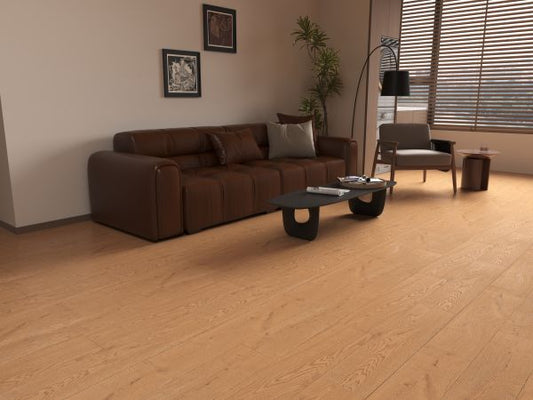
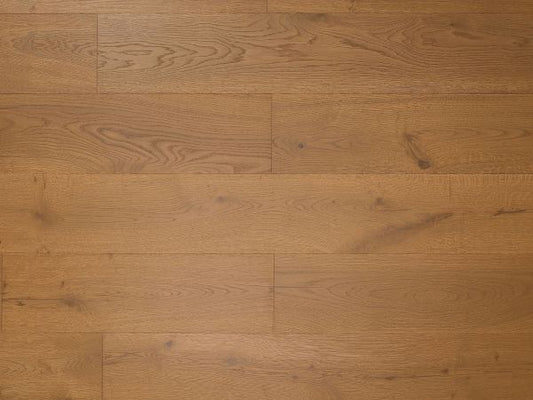

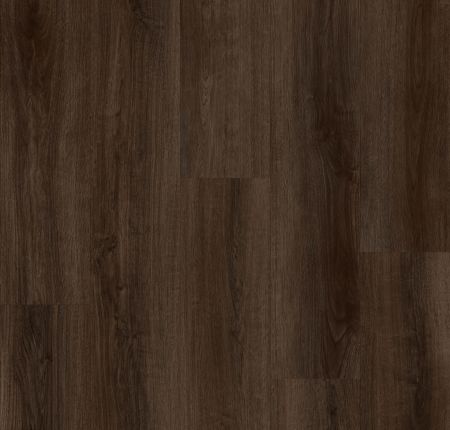

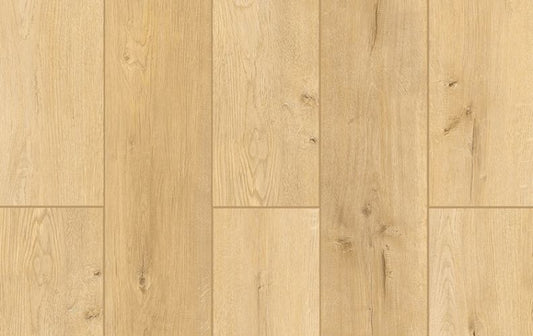
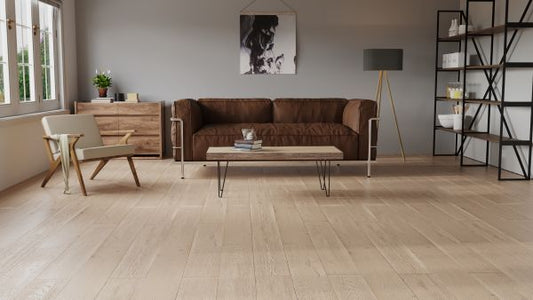
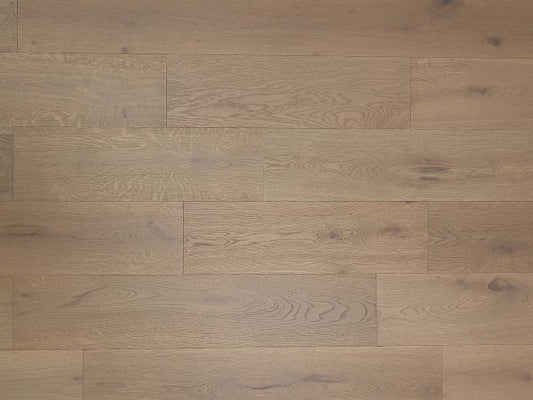
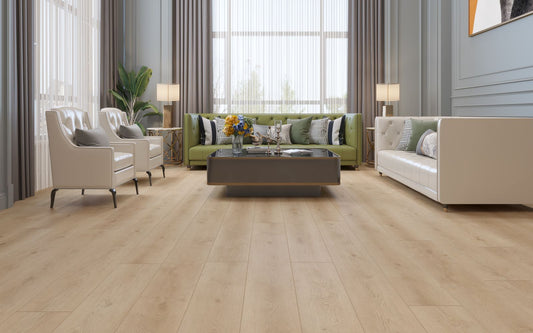
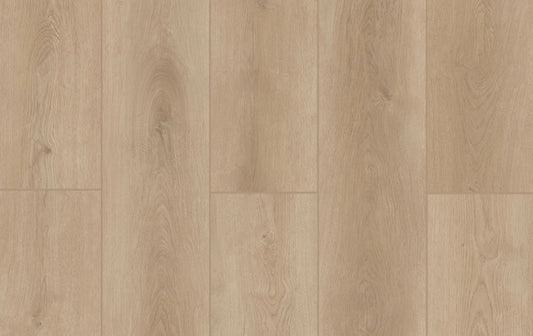

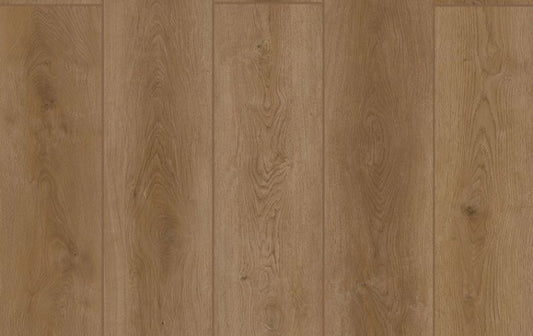
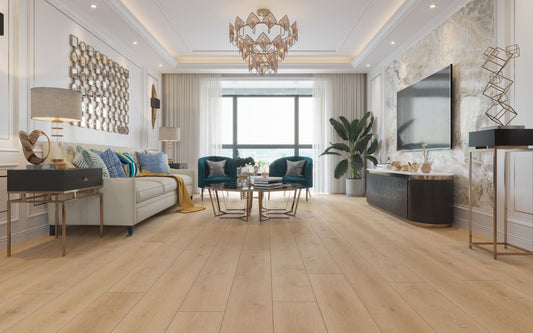
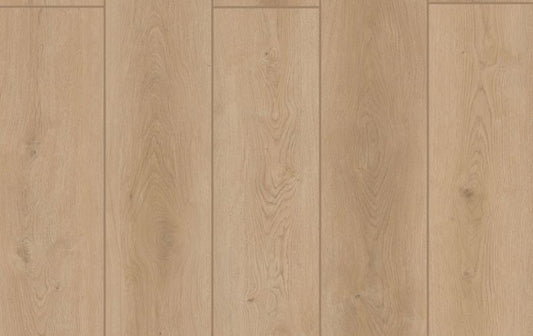
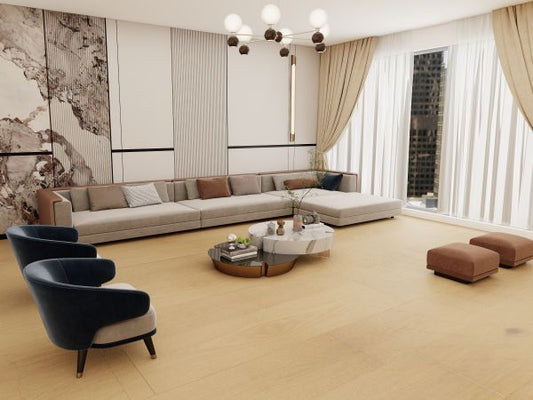
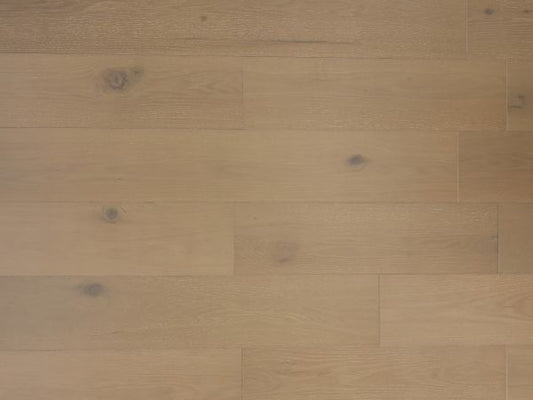
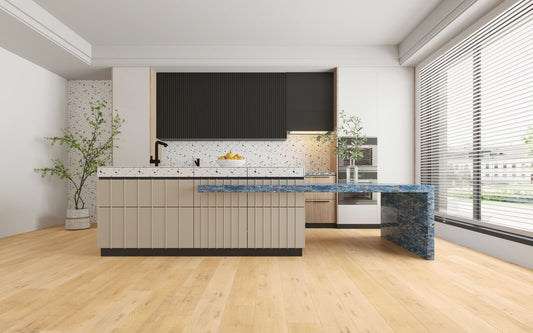
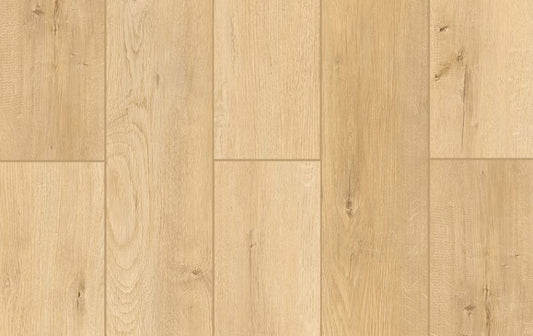
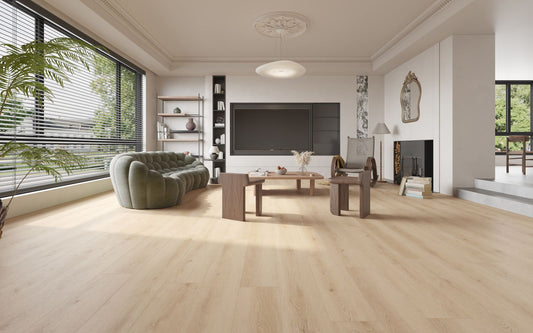
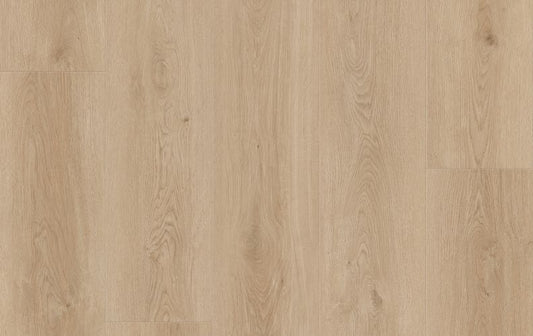
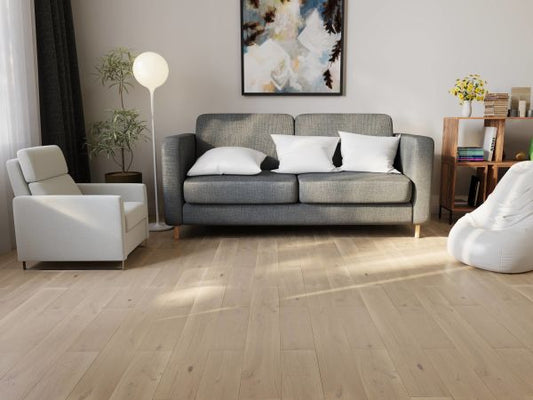
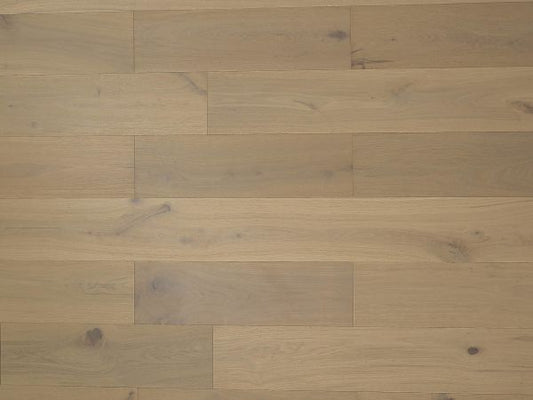
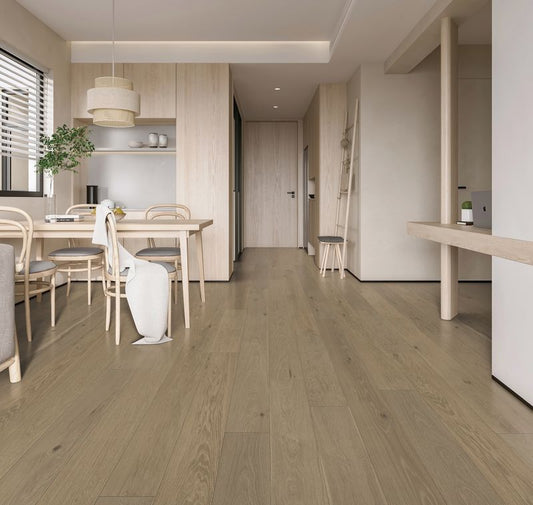
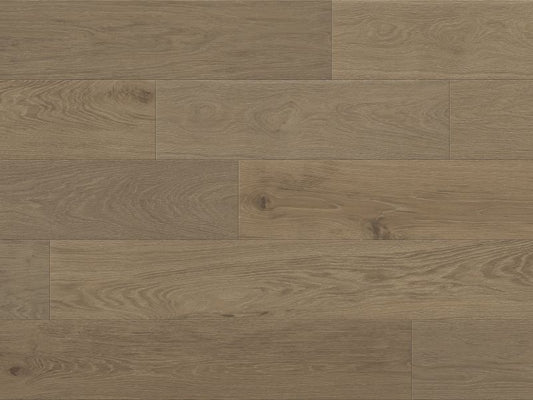
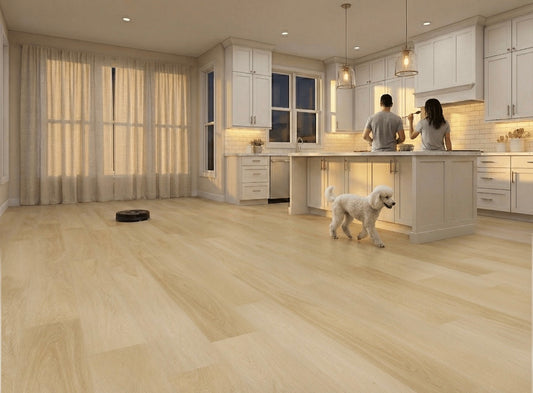
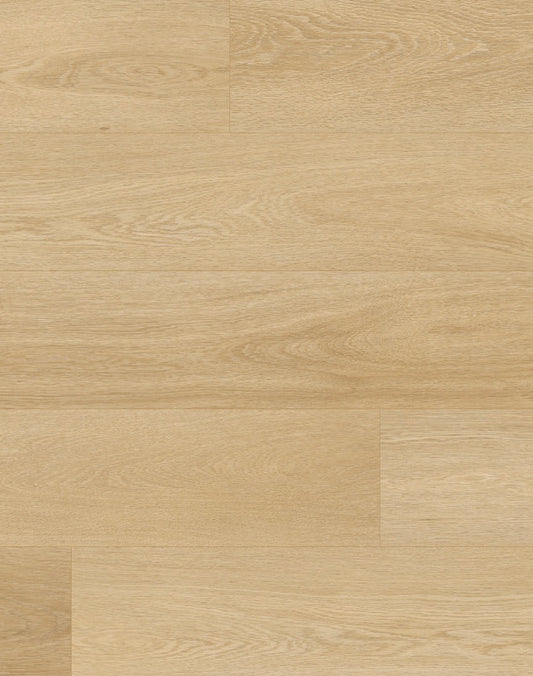
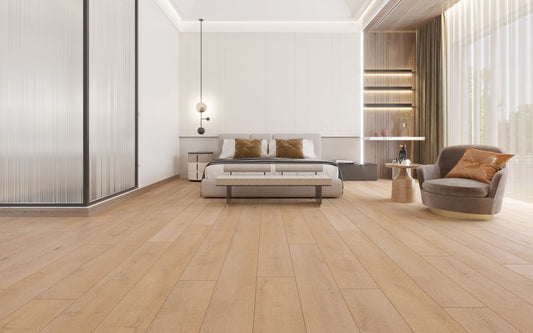
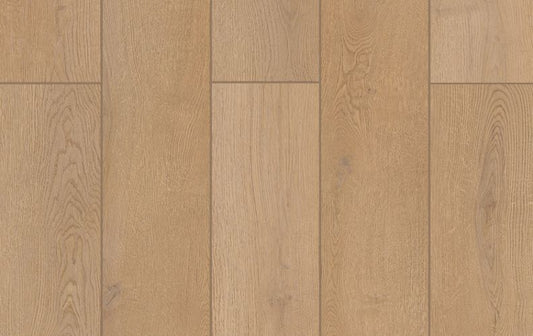
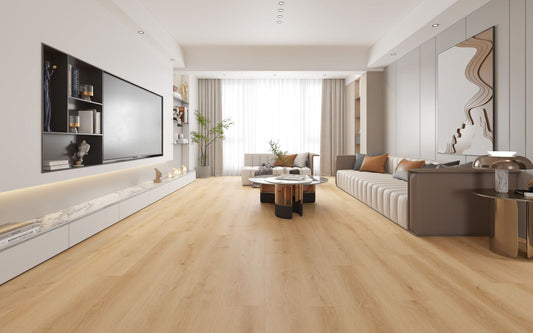
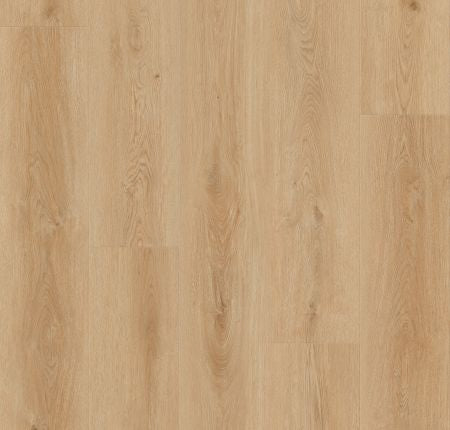
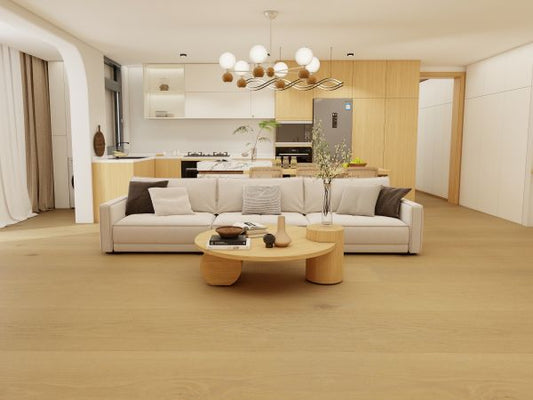
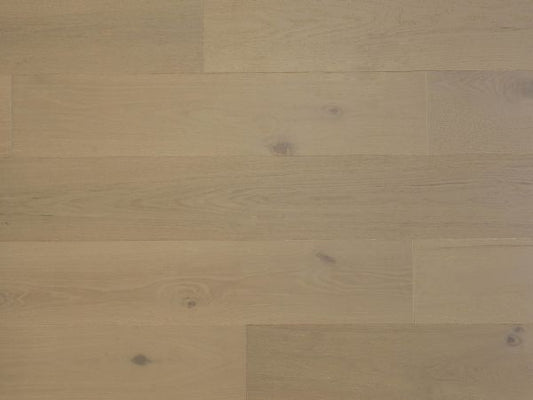
Best Flooring for Older Homes
The best flooring for older homes should make the house feel updated while working with the realities of an older structure.
Older homes may have uneven subfloors, old tile, mixed flooring heights, settling, moisture concerns, squeaks, narrow hallways, and rooms that have been remodeled at different times. The right flooring should improve the look of the home without creating unnecessary installation problems.
What Flooring Is Best for Older Homes?
Strong flooring options for older homes may include:
- Waterproof vinyl plank
- SPC rigid-core flooring
- Durable laminate
- Waterproof laminate
- Engineered hardwood
- Glue-down LVT where appropriate
- Wide plank wood-look flooring
- Medium-tone textured floors
The best choice depends on subfloor condition, moisture exposure, room use, and the style of the home.
Flooring for Older Homes With Uneven Subfloors
Older houses often have subfloors that are not perfectly flat.
Before choosing flooring, check for:
- Low spots
- High spots
- Squeaks
- Loose boards
- Old adhesive
- Movement
- Moisture damage
- Height differences between rooms
Rigid floors still need proper subfloor preparation. A thicker product does not automatically solve unevenness.
Waterproof Flooring for Older Homes
Waterproof flooring can be useful in older homes where moisture risk is higher.
It may help in:
- Kitchens
- Mudrooms
- Laundry rooms
- Entryways
- Basement areas where approved
- Pet-friendly homes
- Bathroom-adjacent spaces
- Older slab homes
Waterproof flooring does not fix leaks, humidity, or subfloor moisture problems. Those issues should be corrected first.
Vinyl Plank Flooring for Older Homes
Vinyl plank is often a practical option for older homes because it combines updated style with easy maintenance.
Potential benefits include:
- Waterproof options
- Wood-look visuals
- Easy cleaning
- Pet-friendly maintenance
- Broad room compatibility
- Lower maintenance than hardwood
- Good remodel value
- Many thickness and plank-size choices
Choose carefully based on subfloor condition and installation requirements.
SPC Flooring for Older Homes
SPC rigid-core flooring may work well in older homes when the subfloor is properly prepared.
SPC may suit:
- Kitchens
- Living rooms
- Hallways
- Bedrooms
- Entryways
- Rentals
- Full-home remodels
- Concrete subfloors where approved
Subfloor flatness is especially important with rigid-core products.
Laminate Flooring for Older Homes
Laminate can be a good choice in older homes where scratch resistance and wood-like texture matter.
Laminate may work well in:
- Bedrooms
- Living rooms
- Hallways
- Home offices
- Dining rooms
- Lower-moisture areas
For kitchens, basements, and pet-heavy spaces, waterproof laminate or SPC may be more practical.
Engineered Hardwood for Older Homes
Engineered hardwood may suit older homes where real wood character matters.
It may be a good fit for:
- Historic-style interiors
- Living rooms
- Dining rooms
- Bedrooms
- Premium remodels
- Homes where natural wood is expected
Engineered hardwood should not be treated as waterproof and may require more maintenance than vinyl or laminate.
Best Flooring Colors for Older Homes
Older homes often look better with floors that feel timeless rather than overly trendy.
Strong color options include:
- Natural oak
- Warm beige
- Light oak
- Medium brown
- Soft walnut
- Weathered natural wood
- Warm greige
- Neutral tan
Avoid harsh gray, orange, red, or overly glossy floors unless the design specifically supports them.
Flooring for Older Kitchens
Older kitchens may need flooring that handles spills, cleaning, appliances, and cabinet transitions.
Prioritize:
- Waterproof vinyl plank
- SPC flooring
- Waterproof laminate where approved
- Easy-clean surfaces
- Medium-tone wood looks
- Proper subfloor preparation
- Correct expansion spacing
- Manufacturer-approved kitchen use
Kitchen flooring should be chosen after checking cabinet layout and appliance clearances.
Flooring for Older Bathrooms and Bathroom-Adjacent Areas
Bathrooms and nearby hallways may have higher moisture exposure.
For bathroom-adjacent areas, consider:
- Waterproof vinyl plank
- SPC flooring
- Approved waterproof laminate
- Matte texture
- Easy-clean surface
- Proper transitions
- Moisture-tested subfloor
Do not install flooring in full bathrooms unless the product is approved for that use.
Flooring for Older Hallways
Older hallways may be narrow, high-traffic, and connected to multiple rooms.
Good hallway flooring should offer:
- Durable surface protection
- Medium-tone color
- Matte texture
- Strong locking system
- Easy cleaning
- Good transition options
- Scratch resistance where rated
Hallways often show wear first, so choose durability carefully.
Flooring for Older Homes With Pets
Pet-friendly older homes may benefit from:
- Waterproof construction where verified
- Textured surfaces
- Matte finishes
- Medium-tone colors
- Strong wear layer
- Easy pet-hair cleanup
- Prompt accident cleanup
No floor is completely pet-proof, but the right material can reduce maintenance stress.
Flooring for Older Homes Over Existing Tile
Installing over existing tile may be possible where approved.
The tile should be:
- Securely bonded
- Flat
- Clean
- Free from movement
- Free from major cracks
- Within finished-height limits
Deep grout lines may require filling before installation.
Flooring for Older Homes Over Wood Subfloors
Wood subfloors in older homes should be inspected carefully.
Check for:
- Squeaks
- Loose panels
- Rot
- Moisture
- Soft spots
- Movement
- Nail pops
- Uneven areas
Repair the subfloor before installing new flooring.
Flooring for Older Homes Over Concrete
Older concrete slabs may have moisture issues.
Concrete should be:
- Moisture tested
- Flat
- Clean
- Structurally sound
- Free from active leaks
- Within manufacturer tolerances
- Used with required vapor protection
Waterproof flooring does not eliminate the need for slab testing.
Best Flooring for Updating an Old House
To make an older home feel updated, choose flooring that is:
- Neutral
- Durable
- Easy to clean
- Compatible with trim and cabinets
- Consistent across rooms
- Appropriate for the home’s age
- Practical for the subfloor
- Not too trendy
A simple natural oak or warm neutral wood-look floor can dramatically modernize an older home.
Frequently Asked Questions
What is the best flooring for older homes?
Waterproof vinyl plank, SPC, laminate, and engineered hardwood can all work depending on subfloor condition, moisture, and design goals.
Is vinyl plank good for older homes?
Yes. It can be a practical remodel choice when the subfloor is properly prepared.
Can new flooring go over old tile?
Sometimes, if the tile is secure, flat, clean, and the new product allows it.
What flooring hides uneven floors?
No flooring truly fixes uneven floors. The subfloor should be corrected before installation.
Is laminate good for older homes?
Yes, in lower-moisture rooms where scratch resistance and wood-like texture matter.
What color flooring is best for older homes?
Natural oak, light oak, warm beige, medium brown, and soft walnut are usually safe choices.
Should I order samples for an older home remodel?
Yes. Samples help compare color, texture, thickness, and how the floor works with existing trim and cabinets.
Continue shopping in Laminate.
Explore related flooring
Browse related flooring collections, brands and styles before making your final choice.