
Collection: Vinyl Flooring for Living Rooms | Stylish Wood-Look LVP
Shop stylish vinyl flooring for living rooms in realistic oak, warm wood, greige, gray, and wide-plank designs. Explore comfortable, easy-care LVP created for busy family spaces, pets, entertaining, and everyday residential living.
-
Bridge River - Magma Bordeaux | 28mil 8mm 9x72 SPC Vinyl Plank | Republic Floor
Vendor:Republic Floors$3.99 / sq. ft. $89.60 per carton · 22.45 sq. ft. / carton8.0mm28mil9x72Sale -
Canyon Coast - Alpine Ambiance | 20mil 10mm 9x72 WPC Vinyl Plank | Lions Floor
Vendor:Lions Floor$4.99 / sq. ft. $154.50 per carton · 30.99 sq. ft. / carton10.0mm20mil9x72 -
Lone Star Spirit XL Oak Dry-Aged 20mil 6.5mm 9x72 SPC Vinyl Plank | Lions Floor
Vendor:Lions Floor$3.99 / sq. ft. $90.30 per carton · 22.65 sq. ft. / carton6.5mm20mil9x72 -
Great Oregon - Sessile Oak | 20mil Pure SPC™ Waterproof Flooring | 8mm w/ 1.5mm Bioguardian™ Pad | 9x60
Vendor:Republic Floors$4.64 / sq. ft. $173.72 per carton · 37.4 sq. ft. / carton8.0mm20mil9x60Sale -
Darcy Glimmer 20mil 5mm 9x60 SPC Vinyl Plank | United Weavers / Caspar Flooring Direct
Vendor:United Weavers$2.99 / sq. ft. $77.60 per carton · 25.99 sq. ft. / carton5.0mm20mil9x60 -
Darcy Barnwood 20mil 5mm 9x60 SPC Vinyl Plank | United Weavers / Caspar Flooring Direct
Vendor:United Weavers$2.99 / sq. ft. $77.60 per carton · 25.99 sq. ft. / carton5.0mm20mil9x60 -
Camden Moonlit 20mil 7mm 9x60 SPC Vinyl Plank | United Weavers / Caspar Flooring Direct
Vendor:United Weavers$3.49 / sq. ft. $64.90 per carton · 18.57 sq. ft. / carton7.0mm20mil9x60 -
Bridge River - Elegant Sand | 28mil 8mm 9x72 SPC Vinyl Plank | Republic Floor
Vendor:Republic Floors$3.99 / sq. ft. $89.60 per carton · 22.45 sq. ft. / carton8.0mm28mil9x72Sale -
Indoor Delight Tanin Honey 20mil 6.5mm 9x72 SPC Vinyl Plank | Lions Floor
Vendor:Lions Floor$3.99 / sq. ft. $90.30 per carton · 22.65 sq. ft. / carton6.5mm20mil9x72 -
Trenta - Bliss | 20mil 6.5mm 9x60 | Lions Floor
Vendor:Lions Floor$3.59 / sq. ft. $82.20 per carton · 22.88 sq. ft. / carton6.5mm20mil9x60 -
Aperion Cosmos Aries – 20mil 5.5mm 7×60 Waterproof SPC Vinyl Plank Flooring
Vendor:Aperion$3.48 / sq. ft. $84.00 per carton · 24.11 sq. ft. / carton5.5mm20mil7x60 -
Revival Eden 30 mil 12mm 9X60 WPC | United Weavers / Caspar Flooring Direct
Vendor:United Weavers$5.49 / sq. ft. $79.80 per carton · 14.54 sq. ft. / carton12.0mm30mil9x60 -
New World II Massachusetts – 20mil 6.5mm 9×60 Waterproof SPC Vinyl Plank Flooring
Vendor:Aperion$3.73 / sq. ft. $84.00 per carton · 22.5 sq. ft. / carton6.5mm20mil9x60 -
BevelMark Profile Edge 20mil 8mm 9x72 SPC Vinyl Plank | Lions Floor
Vendor:Lions Floor$4.29 / sq. ft. $115.60 per carton · 26.92 sq. ft. / carton8.0mm20mil9x72 -
Lone Star Spirit XL Forgotten Bark 20mil 6.5mm 9x72 SPC Vinyl Plank
Vendor:Lions Floor$3.99 / sq. ft. $90.30 per carton · 22.65 sq. ft. / carton6.5mm20mil9x72 -
Indoor Delight Peacock Flush 20mil 6.5mm 9x72 SPC Vinyl Plank | Lions Floor
Vendor:Lions Floor$3.99 / sq. ft. $90.30 per carton · 22.65 sq. ft. / carton6.5mm20mil9x72

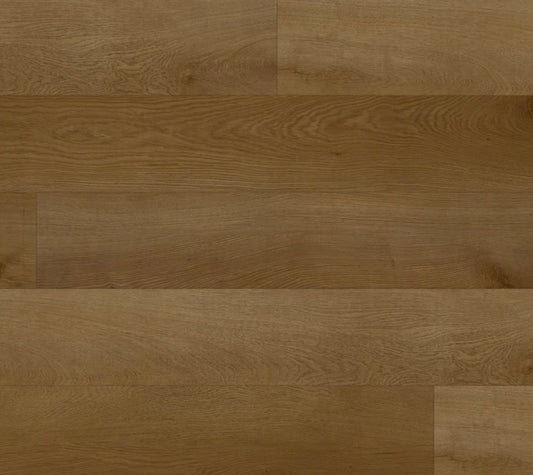
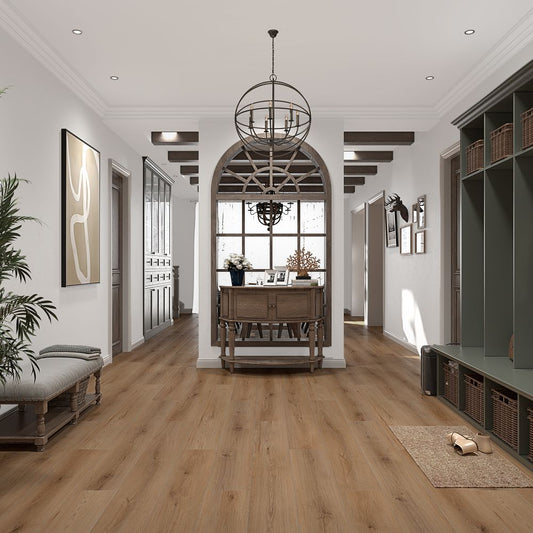
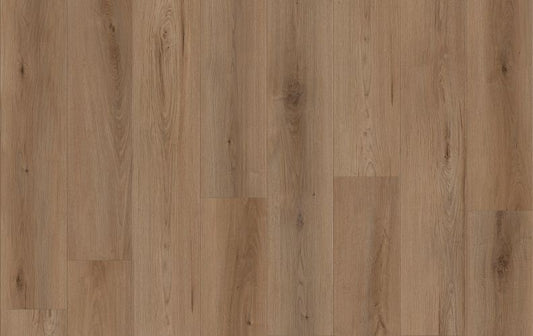
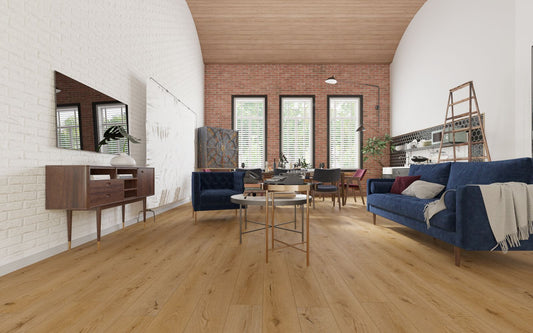
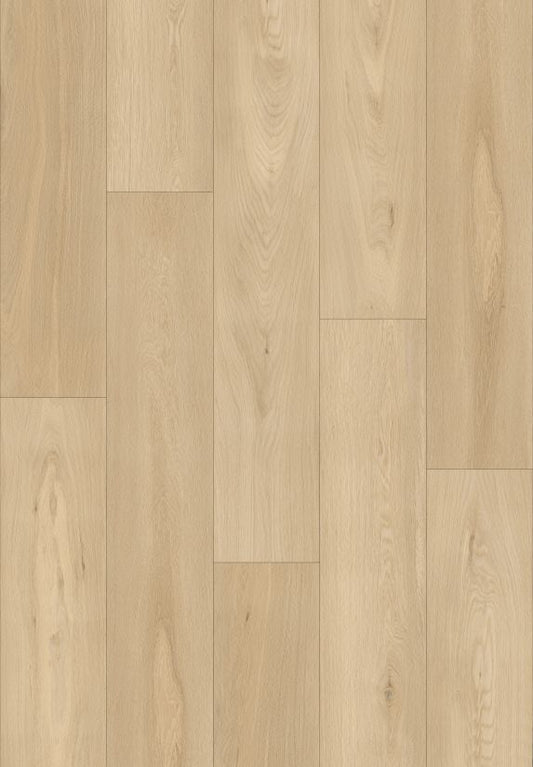
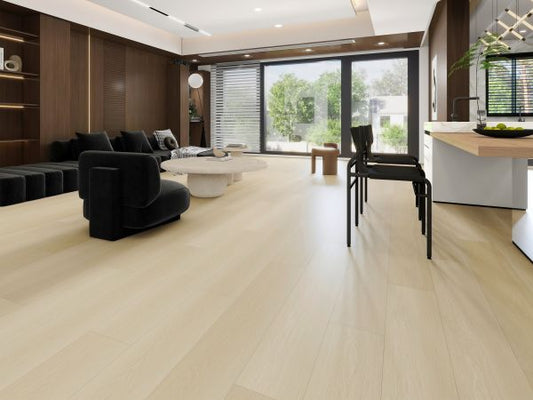
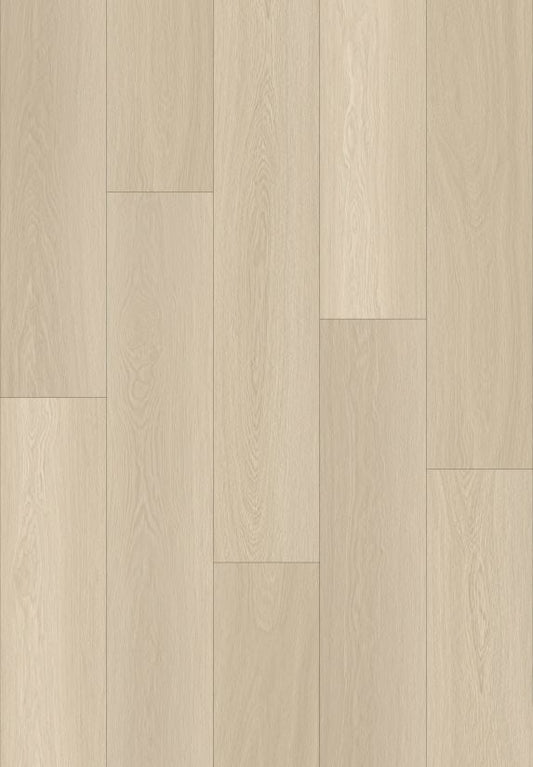
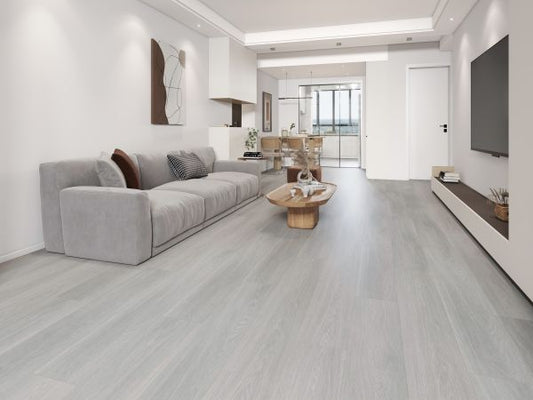
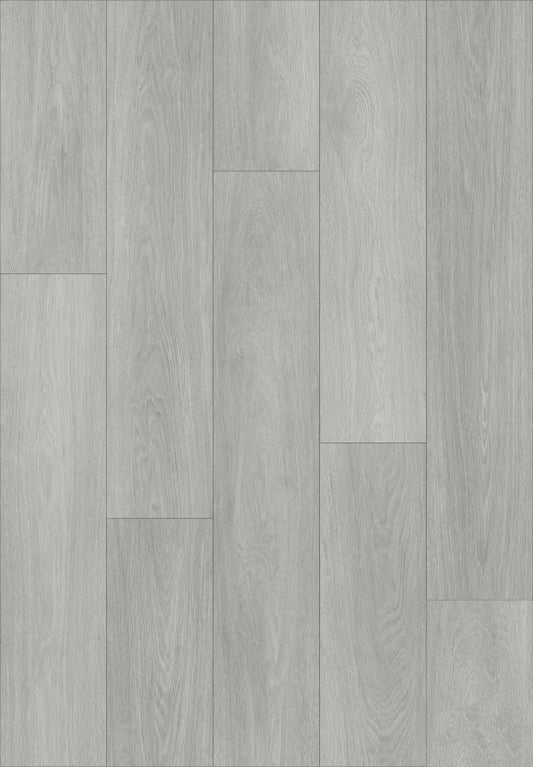

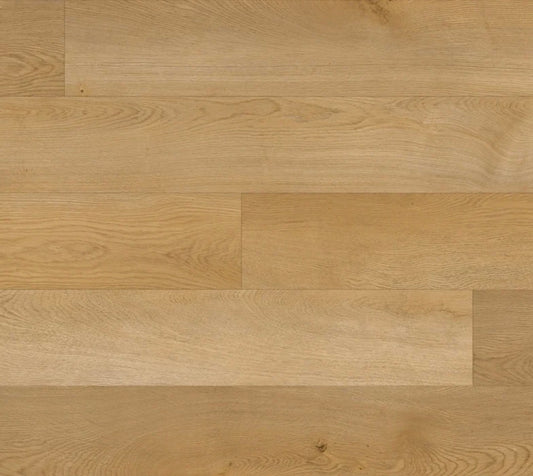
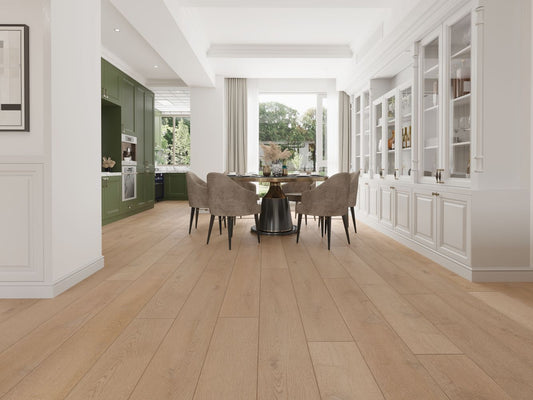
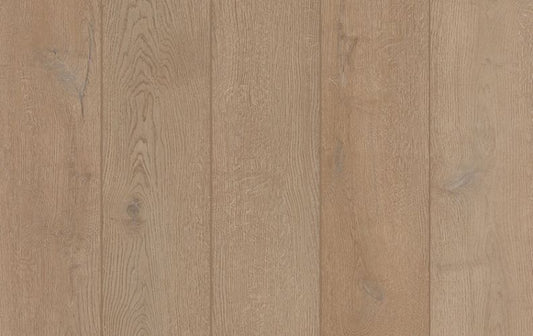


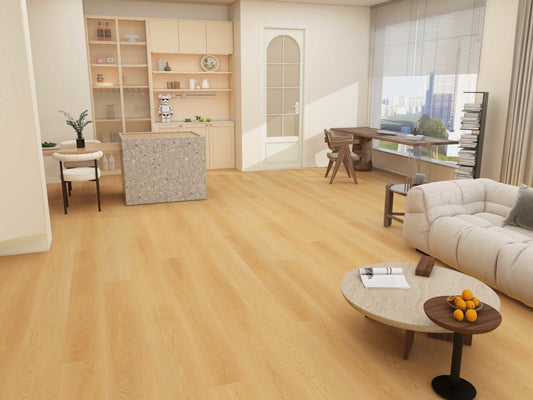
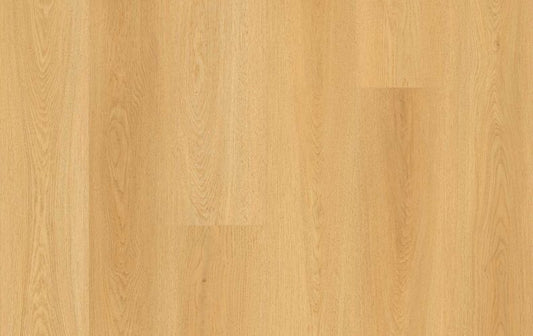
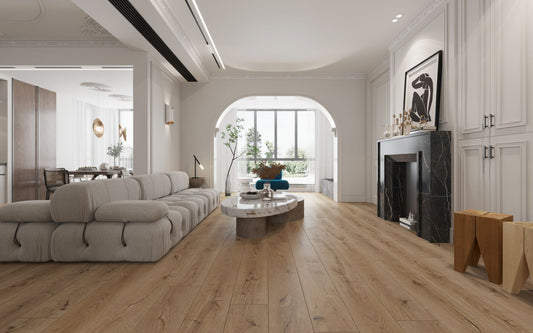
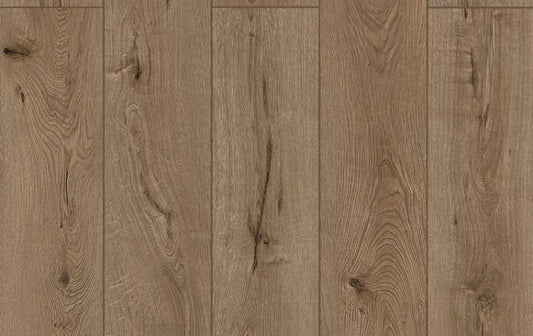
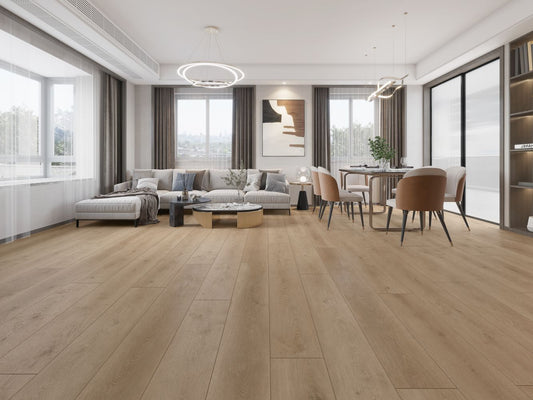
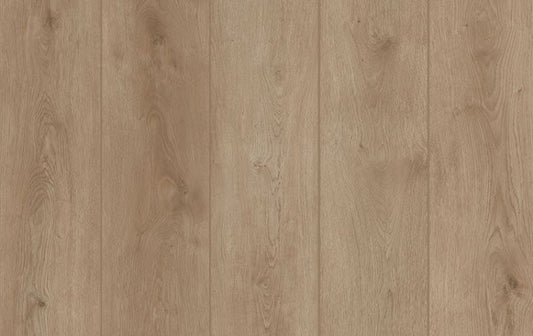
Vinyl Flooring for Comfortable and Stylish Living Rooms
Vinyl flooring for living rooms combines realistic wood appearance, easy maintenance, and everyday durability in one of the most frequently used spaces in the home.
Living rooms may need to handle family activity, pets, children, furniture, entertaining, food and drink spills, and regular foot traffic. Luxury vinyl plank can provide a practical alternative to hardwood, carpet, or tile while offering a broad selection of colors, plank dimensions, textures, and installation formats.
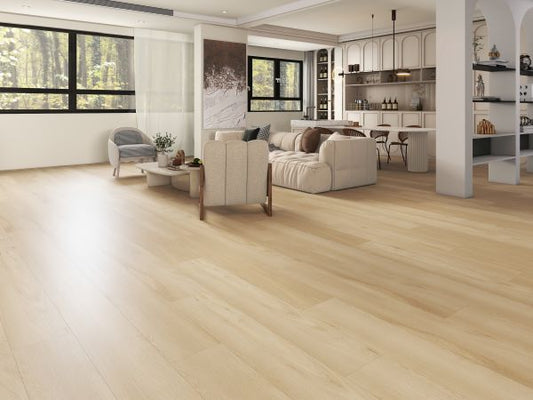
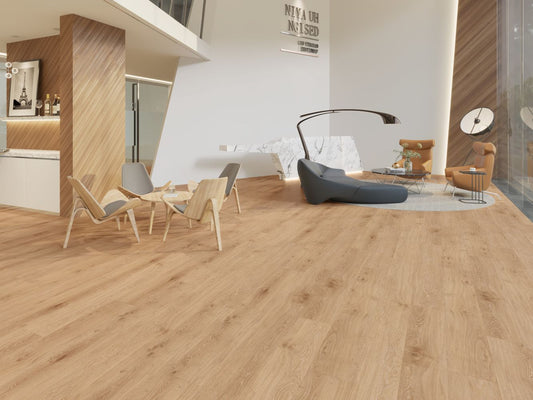
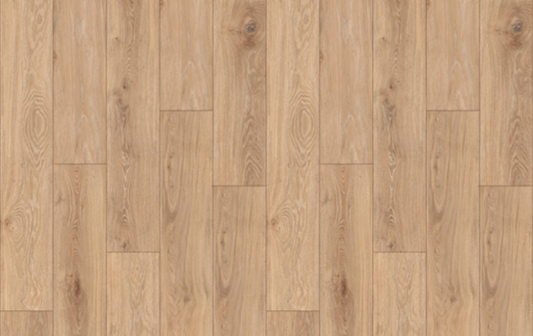
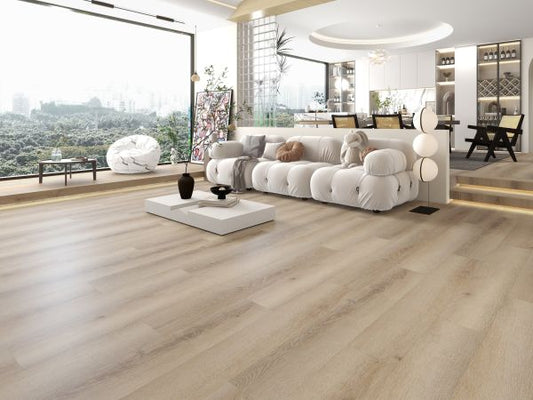
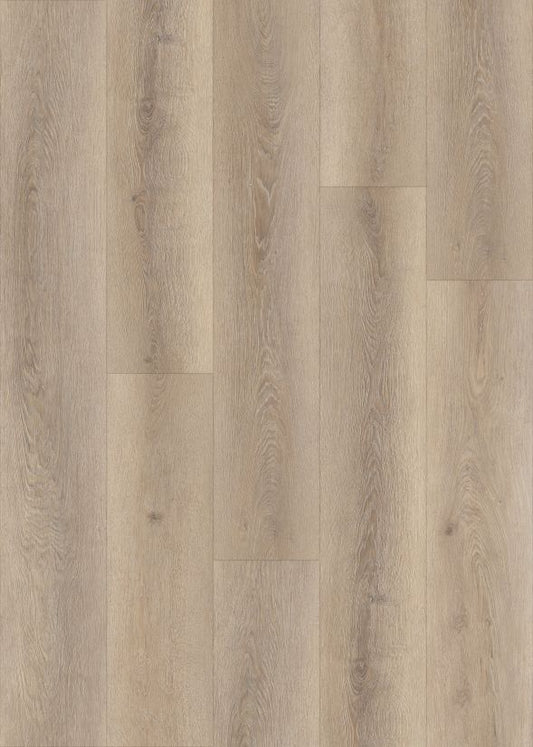
This collection includes living-room vinyl flooring in light oak, natural oak, white oak, warm brown, greige, gray, wide-plank, and contemporary wood-look styles.
Is Vinyl Plank Flooring Good for Living Rooms?
Yes. Vinyl plank flooring can be an excellent choice for living rooms because it combines attractive wood-look design with simple everyday care.
Depending on the product, benefits may include:
- Realistic hardwood visuals
- Waterproof or water-resistant construction
- Easy cleaning
- Durable residential wear layers
- Comfortable performance compared with tile
- Compatibility with pets and children
- Click-lock or glue-down installation
- Wide and long plank options
- Multiple colors and surface textures
- Consistent flooring through connected spaces
The best flooring depends on the room size, household activity, subfloor, furniture, design style, and installation requirements.
Choosing Flooring for a Busy Family Living Room
A family living room often receives more activity than a formal sitting room or bedroom.
For frequently used spaces, consider flooring with:
- A durable wear layer
- Scratch-resistant surface treatment
- Matte or textured finish
- Easy-clean construction
- Strong locking joints or secure adhesive
- Medium-tone coloring
- A suitable residential warranty
- Clear manufacturer care instructions
Homes with pets, children, and regular visitors may benefit from 20 mil or 22 mil vinyl plank flooring, although a quality 12 mil product may still be suitable for moderate residential use.
The wear layer is only one part of the floor. Core quality, finish, installation, and subfloor preparation also influence long-term performance.
Best Living Room Flooring Colors
The flooring color can affect the perceived size, warmth, and atmosphere of the room.
Light oak living room flooring
Light oak can make the space feel brighter and more open. It works well with modern, coastal, Scandinavian, and minimalist interiors.
Natural oak living room flooring
Natural oak provides balanced warmth and coordinates with many sofa, wall, and furniture colors.
White oak living room flooring
White oak offers beige, tan, and greige undertones that work across contemporary and transitional homes.
Warm brown living room flooring
Warm brown can make large rooms feel more comfortable and traditional.
Greige living room flooring
Greige combines beige and gray, making it suitable for both warm and cool furniture palettes.
Gray living room flooring
Gray can create a crisp modern appearance, especially with white, black, blue, and contemporary furniture.
Dark wood-look flooring
Dark flooring can create drama and contrast, although it may show dust, pale pet hair, and surface marks more easily.
Does Light Flooring Make a Living Room Look Bigger?
Light vinyl flooring can help a living room appear more spacious by reflecting light and reducing the visual weight of the floor.
For a brighter and more open appearance, consider:
- Light oak or white oak
- Wide planks
- Longer plank dimensions
- Low-contrast grain
- Consistent flooring across connected rooms
- Pale or neutral wall colors
- Matte or low-gloss finishes
- Limited plank-to-plank variation
Very dark flooring may make a small or dim living room feel more enclosed, though it can work well in a large room with strong natural light.
Wide-Plank Vinyl Flooring for Living Rooms
Wide-plank vinyl flooring can create a spacious and refined appearance.
Broader planks may:
- Reduce the number of visible seams
- Showcase realistic wood grain
- Make open rooms feel less visually busy
- Create a premium hardwood appearance
- Complement larger furniture
- Improve continuity across connected spaces
- Work across traditional and modern interiors
Longer planks can further reduce visible end joints and produce a more continuous wood-floor effect.
Review both plank width and length before selecting a product.
Flooring for Open-Plan Living Rooms
Open-plan living rooms may connect directly with kitchens, dining areas, hallways, and entryways.
Using one vinyl flooring style throughout can create:
- Better visual flow
- Fewer abrupt material changes
- A larger-looking interior
- Easier furniture coordination
- Consistent cleaning and maintenance
- A more intentional design
For floating flooring, review the manufacturer’s maximum continuous installation dimensions and transition requirements.
Large spaces may require expansion breaks or transition pieces even when the same flooring is used throughout.
Living Room Flooring With Neutral Furniture
Neutral living-room furniture may include cream, beige, white, gray, or taupe upholstery.
Suitable flooring options include:
- Natural oak
- White oak
- Warm beige
- Medium brown
- Light greige
- Warm gray
- Blonde oak
Neutral furniture gives homeowners flexibility to choose either warm or cool flooring.
Add contrast through rugs, tables, wall art, cushions, and lighting to prevent the room from appearing flat.
Flooring With Gray Sofas
Gray sofas can coordinate with both warm and cool flooring.
For a softer and more inviting look, consider:
- Natural oak
- Warm beige
- White oak
- Warm greige
- Medium brown
For a cooler contemporary look, consider:
- Pale gray
- Weathered oak
- Charcoal
- Cool greige
- Whitewashed wood
A warm floor can prevent a room with gray furniture from feeling too cold.
Flooring With Brown Leather Furniture
Brown leather furniture works naturally with many wood-look vinyl floors.
Suitable options may include:
- Light oak for contrast
- White oak for a refined appearance
- Natural oak for balanced warmth
- Medium brown for a traditional look
- Warm greige for a modern transitional style
- Dark flooring for a dramatic interior
Avoid matching the flooring and furniture too closely unless a blended look is intentional.
Contrast usually makes each material appear more defined.
Flooring With Black Furniture
Black furniture can create a bold and contemporary living room.
Lighter flooring options may help balance the room:
- Blonde oak
- White oak
- Light natural oak
- Pale greige
- Soft weathered gray
Medium warm floors can also soften the sharpness of black furniture.
Very dark flooring with black furniture can work in large, bright spaces but may create a visually heavy result.
Flooring With Wood Furniture
When combining wood-look vinyl with real wood furniture, the tones do not need to match exactly.
A layered interior often looks more natural when it includes related but distinct wood colors.
Consider:
- Light flooring with dark walnut furniture
- Natural oak flooring with black or painted furniture
- White oak flooring with medium-brown pieces
- Warm brown flooring with pale wood furniture
- Greige flooring with mixed wood tones
Try to coordinate the warmth of the materials rather than matching every grain and shade.
Best Wall Colors for Living Room Vinyl Flooring
The best wall color depends on the flooring undertone.
Popular combinations include:
- Warm white with natural oak
- Cream with warm brown
- Greige with white oak
- Soft gray with weathered wood
- Sage green with warm oak
- Dusty blue with blonde or white oak
- Deep navy with light flooring
- Charcoal accents with pale wood
- Beige with medium natural oak
- Soft clay with warm-toned flooring
Compare paint and flooring samples together because natural and artificial light may change both colors.
Vinyl Flooring for Living Rooms With Pets
Vinyl flooring can be practical for living rooms shared with dogs and cats.
Potential benefits may include:
- Easy removal of pet hair
- Water-resistant options
- Durable wear layers
- Textured finishes
- Simple cleanup after spills
- Broad color selection
- Compatibility with rugs
No vinyl flooring is completely scratch-proof.
To help protect the surface:
- Keep pet nails trimmed
- Remove grit regularly
- Use mats near entrances
- Place protective pads under furniture
- Use approved rugs
- Clean accidents promptly
- Avoid dragging crates or heavy objects
Medium natural tones and textured finishes may disguise fur and minor surface marks better than extremely light or dark colors.
Vinyl Flooring for Living Rooms With Children
Family rooms with children may experience toys, food, spills, furniture movement, and frequent cleaning.
Useful flooring features may include:
- Waterproof or water-resistant construction
- Durable surface protection
- Easy-clean finishes
- Matte textures
- Secure installation
- Comfortable underfoot performance
- Medium-tone colors
- Clear warranty coverage
Use felt pads beneath tables, chairs, storage units, and toy furniture.
Clean grit and debris before they are dragged across the flooring.
Is Vinyl Flooring Comfortable in a Living Room?
Vinyl flooring can provide a more comfortable surface than ceramic tile, stone, or bare concrete.
Comfort depends on:
- Total plank thickness
- Attached underlayment
- Installation method
- Subfloor type
- Room temperature
- Area rugs
- Product construction
Rigid-core floors feel firm, while some glue-down products may feel closer to the underlying subfloor.
Approved rugs can add softness, warmth, and sound absorption.
Is Vinyl Flooring Noisy?
Floating floors may create footfall sound or a hollow effect if the product, subfloor, or installation is unsuitable.
Sound performance may be improved by:
- Choosing flooring with attached acoustic backing
- Preparing the subfloor correctly
- Using approved underlayment
- Adding furniture and rugs
- Maintaining proper expansion spacing
- Ensuring locking joints are fully connected
Do not install extra underlayment unless the manufacturer approves it.
Too much cushioning may damage the locking system.
Click-Lock Vinyl Flooring for Living Rooms
Click-lock vinyl plank floats over a properly prepared subfloor.
Potential advantages may include:
- Faster installation
- No full-spread adhesive
- Attached backing on selected floors
- Waterproof rigid-core options
- Easier removal of the complete floor
- Suitability for open residential spaces
The subfloor should be flat, clean, dry, and structurally sound.
Unevenness can create movement, noise, and stress on the joints.
Glue-Down LVP for Living Rooms
Glue-down luxury vinyl plank is attached directly to the subfloor with approved adhesive.
Potential benefits may include:
- Minimal plank movement
- A firm underfoot feel
- Low finished floor height
- Smooth transitions
- Easier replacement of individual planks
- Strong performance in larger continuous areas
Glue-down products require careful subfloor preparation.
Cracks, seams, bumps, and adhesive residue may become visible through flexible flooring if the surface is not properly smoothed.
Vinyl Flooring Over Concrete in Living Rooms
Many vinyl products can be installed over properly prepared concrete.
The slab should generally be:
- Clean
- Dry
- Flat
- Smooth
- Structurally sound
- Within moisture limits
- Free from contaminants
- Within manufacturer flatness tolerances
Moisture testing may be required.
Glue-down flooring needs an especially smooth base, while rigid-core flooring still requires major dips and raised areas to be corrected.
Vinyl Flooring Over Existing Hardwood or Tile
Some vinyl flooring may be installed over secure existing surfaces.
Before installation:
- Confirm manufacturer approval
- Repair loose areas
- Check overall flatness
- Fill deep grout lines where required
- Remove contaminants
- Review the final floor height
- Check door clearance
- Check transition heights
Do not install over unstable, heavily cushioned, water-damaged, or severely uneven flooring.
Living Room Flooring and Area Rugs
Area rugs can add comfort, define furniture zones, and protect heavily used areas.
Choose rugs with backing approved for vinyl flooring.
Some rubber, latex, or chemically treated backings may discolor vinyl surfaces.
Use a vinyl-safe rug pad where needed.
Lift and clean beneath rugs periodically to prevent trapped dust or moisture.
Protecting Flooring Beneath Sofas and Furniture
Heavy furniture can create indentation or scratching.
To protect the floor:
- Use wide furniture pads
- Check furniture legs for sharp edges
- Lift furniture when moving it
- Avoid dragging sofas and tables
- Replace worn felt pads
- Use proper moving boards
- Distribute the weight of heavy units
- Follow manufacturer load guidance
Recliners and sofa mechanisms should also be checked for exposed metal or moving parts that may touch the floor.
Protecting Flooring From Sunlight
Strong sunlight can affect the appearance of many flooring materials over time.
To reduce uneven exposure:
- Use curtains or blinds
- Apply suitable window treatments
- Rotate rugs and furniture occasionally
- Follow manufacturer sunlight guidance
- Avoid prolonged extreme temperatures
- Maintain appropriate indoor conditions
The level of color change depends on the product, finish, window direction, and amount of ultraviolet exposure.
Choosing the Right Wear Layer
Common residential wear layers may include:
- 12 mil
- 20 mil
- 22 mil
- Other manufacturer-specific protective systems
A 12 mil wear layer may suit formal living rooms and moderate household use.
A 20 mil or 22 mil wear layer may be more appropriate for:
- Busy family rooms
- Pets
- Children
- Open-plan interiors
- Frequent visitors
- Furniture movement
- Connected entryways
- Long-term installations
Compare the complete flooring construction rather than the wear layer alone.
Pattern Repeat and Plank Variation
Living rooms often expose a large amount of flooring, making plank variation important.
Review:
- The number of unique plank visuals
- Pattern repeat
- Knot placement
- Grain variation
- Shade changes
- Bevel design
- Plank length
- Plank width
More unique visuals may create a more natural hardwood appearance.
During installation, mix cartons and avoid placing identical planks beside one another.
Surface Texture and Finish
The surface finish affects both appearance and maintenance.
Possible features include:
- Embossed wood grain
- Embossed-in-register texture
- Matte surfaces
- Low-gloss coatings
- Wire-brushed visuals
- Painted bevels
- Micro-beveled edges
- Hand-scraped effects
Matte and textured finishes may make dust, footprints, and minor marks less noticeable than highly glossy floors.
Embossed-in-register flooring aligns the texture with the printed grain for greater realism.
Cleaning Living Room Vinyl Flooring
Routine care is generally simple.
Recommended maintenance may include:
- Sweeping regularly
- Vacuuming with a hard-floor setting
- Cleaning spills promptly
- Using a damp microfiber mop
- Using an approved vinyl cleaner
- Placing mats at entrances
- Using furniture pads
- Cleaning beneath rugs
- Lifting rather than dragging heavy items
Avoid abrasive scrubbers, oil soaps, waxes, harsh chemicals, and steam mops unless specifically approved.
Measuring for Living Room Flooring
Measure the entire room, including:
- Alcoves
- Bay windows
- Closets
- Fireplace areas
- Connected hallways
- Open dining areas
- Doorways
- Irregular wall sections
Add extra flooring for:
- Cuts
- Waste
- Pattern arrangement
- Damaged planks
- Future repairs
Approximately 7% to 10% extra is common for straightforward rooms.
Open-plan layouts, diagonal installations, and complex spaces may require more.
Always round up to complete cartons.
Order Living Room Flooring Samples
Living rooms often contain several large finishes that can change how flooring appears.
Use physical samples to compare the floor with:
- Sofas
- Rugs
- Wall paint
- Curtains
- Furniture
- Fireplace materials
- Built-in cabinets
- Natural lighting
- Evening lighting
Place the sample flat on the floor and view it from different parts of the room.
A flooring color may look warmer near a sunny window and cooler in shaded areas.
Frequently Asked Questions About Living Room Vinyl Flooring
Is vinyl plank flooring good for living rooms?
Yes. It offers realistic wood visuals, easy maintenance, durable residential options, and compatibility with pets, children, and open-plan spaces.
What is the best vinyl flooring color for a living room?
Light oak, natural oak, white oak, warm brown, greige, and gray can all work. The best choice depends on the furniture, walls, lighting, and room size.
Does light flooring make a living room look bigger?
It can. Light flooring reflects more light and creates less visual weight than very dark flooring.
Is vinyl flooring good for living rooms with dogs?
Yes. Vinyl can be easy to clean and available with durable wear layers, although no floor is completely scratch-proof.
Is vinyl flooring comfortable beneath furniture?
Yes, but heavy furniture should use appropriate protective pads to reduce indentation and scratching.
Can rugs be placed over vinyl flooring?
Yes. Use rugs and pads with backing approved for vinyl flooring to avoid staining or discoloration.
Is click-lock or glue-down vinyl better for living rooms?
Both can work. Click-lock flooring may be faster to install, while glue-down flooring provides minimal movement and a lower profile.
What wear layer is best for a living room?
A 12 mil wear layer may suit moderate use. A 20 mil or 22 mil wear layer may provide extra protection for busy families, pets, and open-plan spaces.
Can vinyl flooring be installed over concrete?
Many products can be installed over properly prepared concrete. Moisture testing and flatness requirements must be followed.
Does vinyl flooring make a living room noisy?
Sound depends on the product, backing, subfloor, furniture, rugs, and installation. Attached acoustic backing may help reduce footfall noise.
Should living room flooring match the kitchen?
It does not have to, but using the same flooring in connected spaces can improve visual flow and make the interior feel larger.
How much extra flooring should I order?
Approximately 7% to 10% extra is common for straightforward installations. Open-plan or complex layouts may require more.
Should I order samples before buying?
Yes. Samples help you compare the flooring with furniture, walls, rugs, fireplaces, and different lighting conditions.
Compare Related Flooring Options
Compare vinyl with genuine wood, WPC and laminate in living room flooring. Review the household's traffic, comfort preferences, lighting and connected room layout before choosing the material.
Explore related options in Laminate Flooring for Living Rooms and Engineered Hardwood Flooring for Living Rooms.
Explore related flooring
Browse related flooring collections, brands and styles before making your final choice.