
Collection: Vinyl Flooring for Dining Rooms
Shop stylish vinyl flooring for dining rooms in natural oak, white oak, warm brown, greige, and wide-plank designs. Explore durable, easy-care LVP suited to dining furniture, everyday meals, entertaining, and open-plan home interiors.
-
Deep Forest - Hurricane Tawny | 28mil 10mm 9x72 SPC Vinyl Plank | Republic Floor
Vendor:Republic Floors$5.45 / sq. ft. $97.90 per carton · 17.96 sq. ft. / carton10.0mm28mil9x72 -
Deep Forest - Dakota Mahogany | 28mil 10mm 9x72 SPC Vinyl Plank | Republic Floor
Vendor:Republic Floors$5.45 / sq. ft. $97.90 per carton · 17.96 sq. ft. / carton10.0mm28mil9x72 -
Walnut Hills - Mountain Tan | 20mil 6mm 7x48 SPC Vinyl Plank | Republic Floor
Vendor:Republic Floors$3.69 / sq. ft. $87.50 per carton · 23.73 sq. ft. / carton6.0mm20mil7x48 -
Indoor Delight Shoreline Decor 20mil 6.5mm 9x72 SPC Vinyl Plank | Lions Floor
Vendor:Lions Floor$3.99 / sq. ft. $90.30 per carton · 22.65 sq. ft. / carton6.5mm20mil9x72 -
North Water Collection – Desert Taupe | 28mil 12mm Extra Long SPC Flooring (9” x 72”)
Vendor:Republic Floors$6.39 / sq. ft. $86.10 per carton · 13.47 sq. ft. / carton12.0mm28mil9x72 -
North Water Collection – Rainforest Brown | 28mil 12mm Extra Long SPC Flooring (9” x 72”)
Vendor:Republic Floors$6.39 / sq. ft. $86.10 per carton · 13.47 sq. ft. / carton12.0mm28mil9x72 -
BevelMark Craftsman Ridge 20mil 8mm 9x72 SPC Vinyl Plank | Lions Floor
Vendor:Lions Floor$4.29 / sq. ft. $115.60 per carton · 26.92 sq. ft. / carton8.0mm20mil9x72 -
BevelMark Sculpted Notch 20mil 8mm 9x72 SPC Vinyl Plank | Lions Floor
Vendor:Lions Floor$4.29 / sq. ft. $115.60 per carton · 26.92 sq. ft. / carton8.0mm20mil9x72 -
BevelMark Artisan Trace 20mil 8mm 9x72 SPC Vinyl Plank | Lions Floor
Vendor:Lions Floor$4.29 / sq. ft. $115.60 per carton · 26.92 sq. ft. / carton8.0mm20mil9x72 -
South Rose Collection – Sequoia Pale | 28mil 14mm Extra Long SPC Flooring (9” x 72”)
Vendor:Republic Floors$6.99 / sq. ft. $94.10 per carton · 13.47 sq. ft. / carton14.0mm28mil9x72 -
Pacific Oak Collection | Western Fir 20mil 6mm 7x48 PURE SPC™️
Vendor:Republic Floors$3.69 / sq. ft. $87.50 per carton · 23.73 sq. ft. / carton6.0mm20mil7x48 -
Pacific Oak Collection | Coyote Brush 20mil 6mm 7x48 PURE SPC™️
Vendor:Republic Floors$3.69 / sq. ft. $87.50 per carton · 23.73 sq. ft. / carton6.0mm20mil7x48 -
Pacific Oak Collection | Coffee Berry 20mil 6mm 7x48 PURE SPC™️
Vendor:Republic Floors$3.69 / sq. ft. $87.50 per carton · 23.73 sq. ft. / carton6.0mm20mil7x48 -
Mountain collection - Black Mountain | 20mil Pure SPC™ Waterproof Flooring | 8mm w/ 1.5mm Bioguardian™ Pad | 9x60
Vendor:Republic Floors$4.39 / sq. ft. $164.30 per carton · 37.4 sq. ft. / carton8.0mm20mil9x60Sale -
Misty Tree Collection Splendor Satin – 20mil Pure MAX SPC™ Waterproof Flooring 5.5mm 9x72
Vendor:Republic Floors$3.19 / sq. ft. $86.80 per carton · 27.17 sq. ft. / carton5.5mm20mil9x72 -
Misty Tree Collection Bianco Tulum – 20mil Pure MAX SPC™ Waterproof Flooring 5.5mm 9x72
Vendor:Republic Floors$3.19 / sq. ft. $86.80 per carton · 27.17 sq. ft. / carton5.5mm20mil9x72
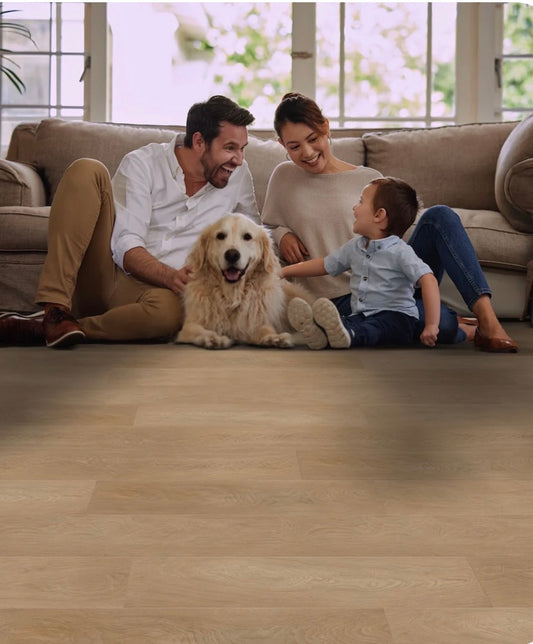
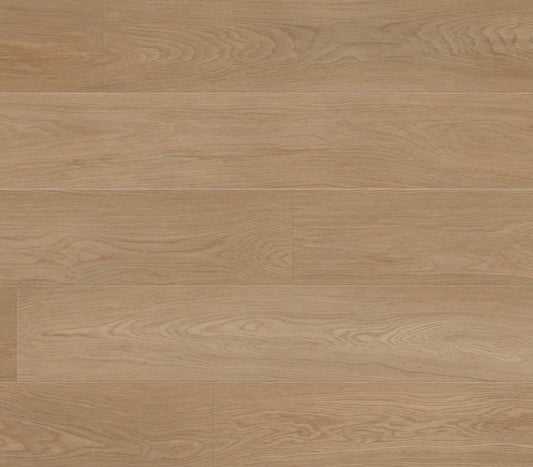
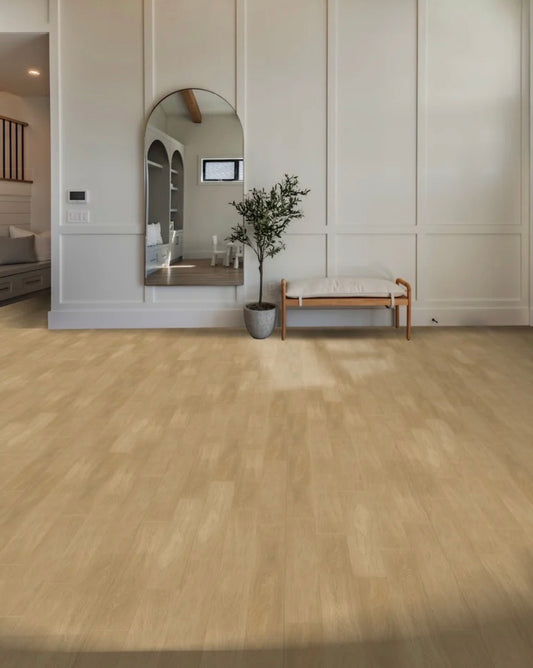
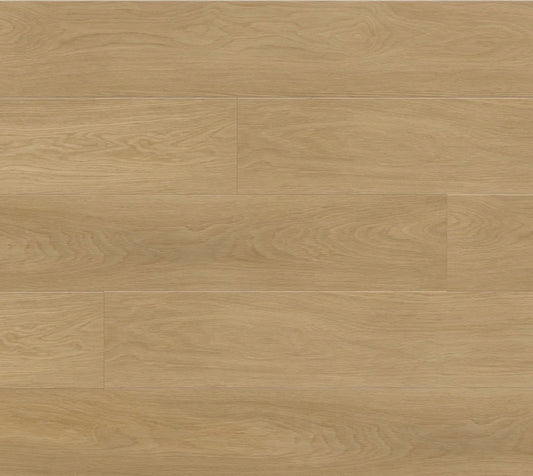

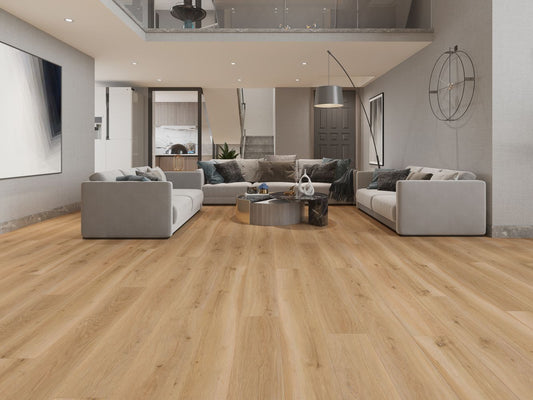
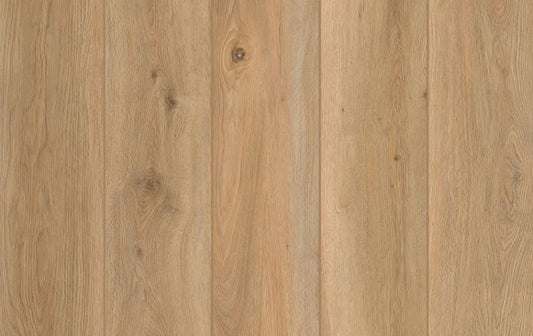
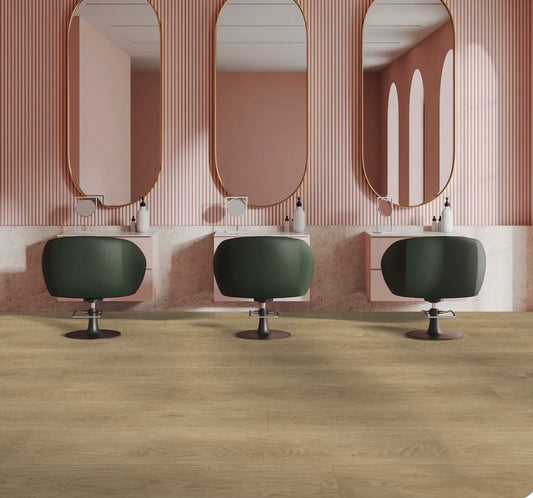
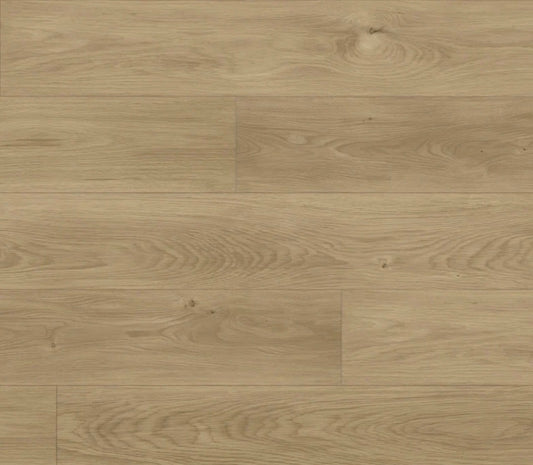
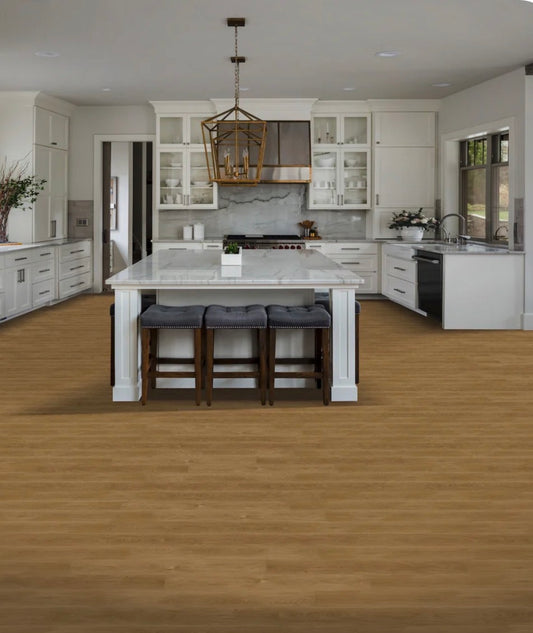
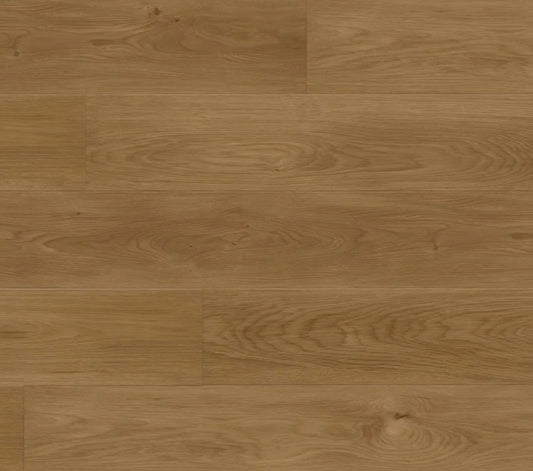
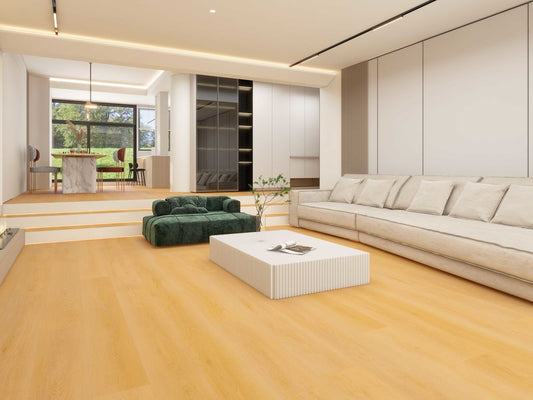
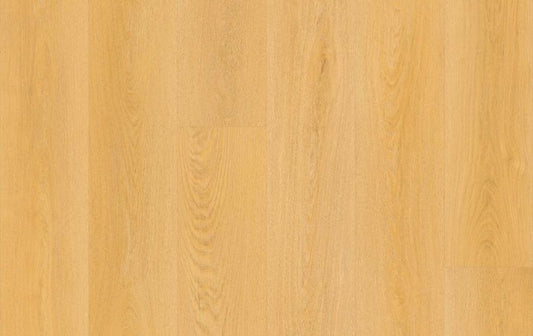
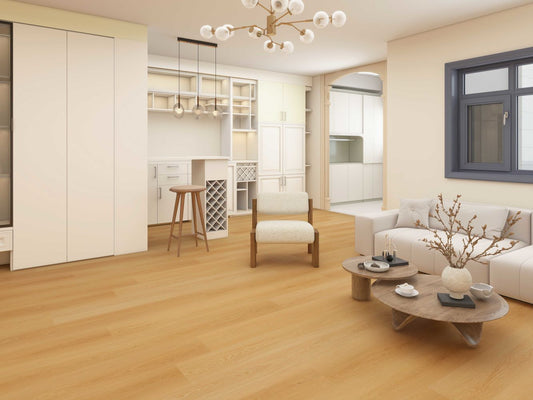
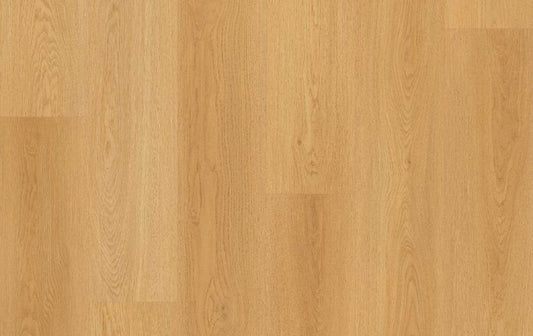
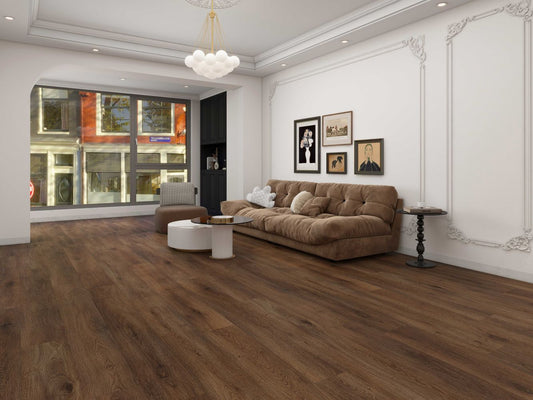
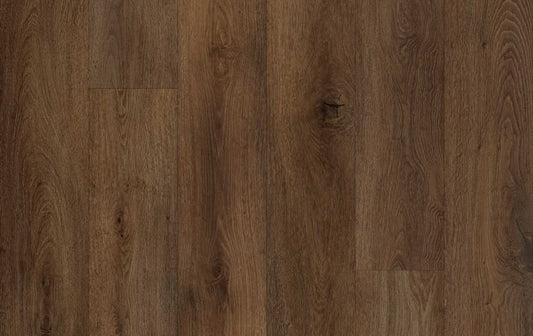
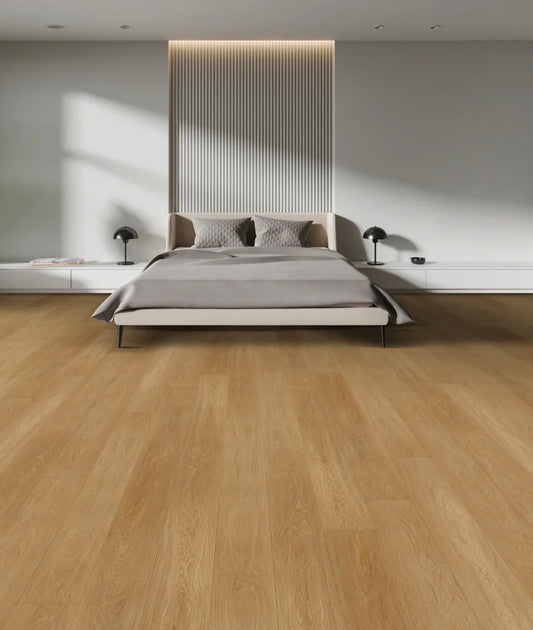
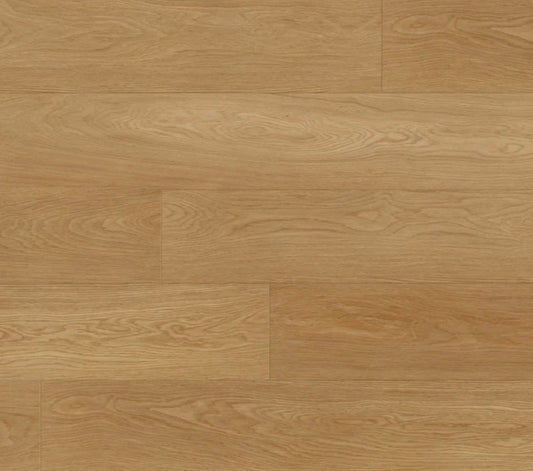

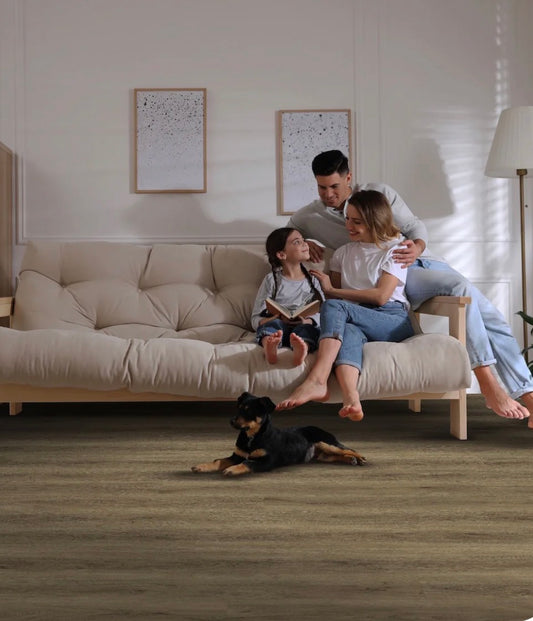

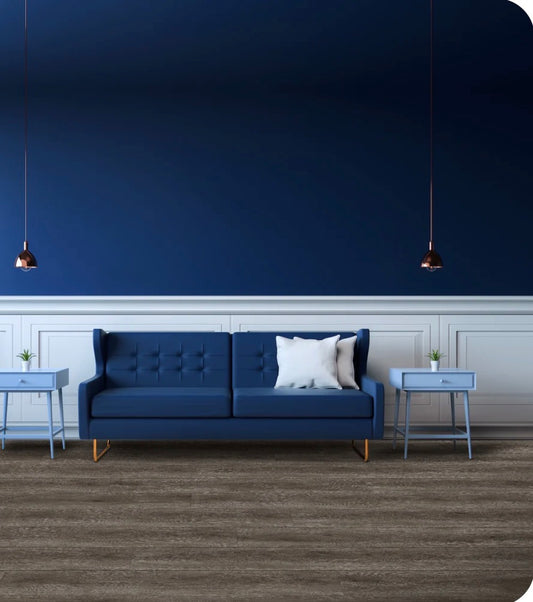

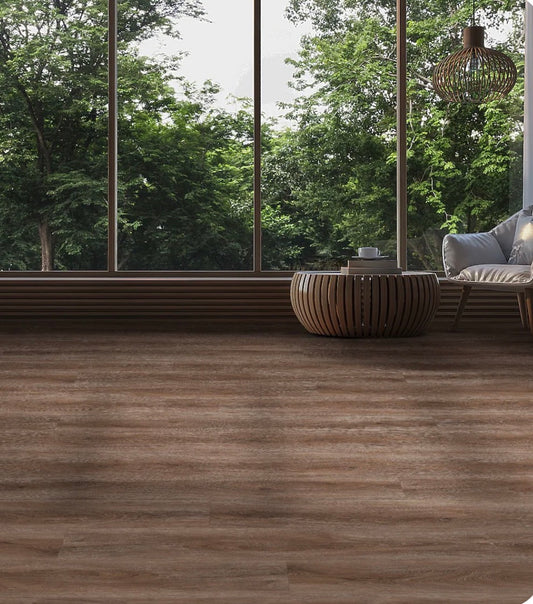

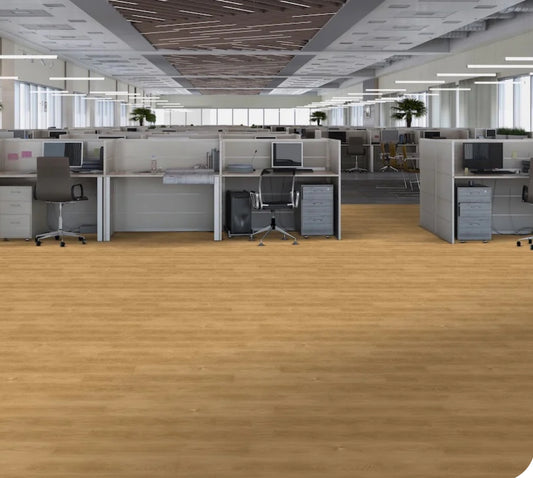
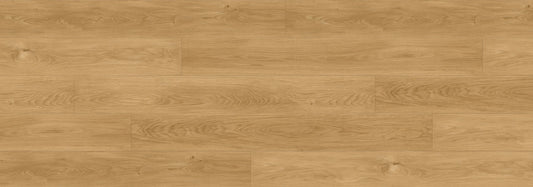
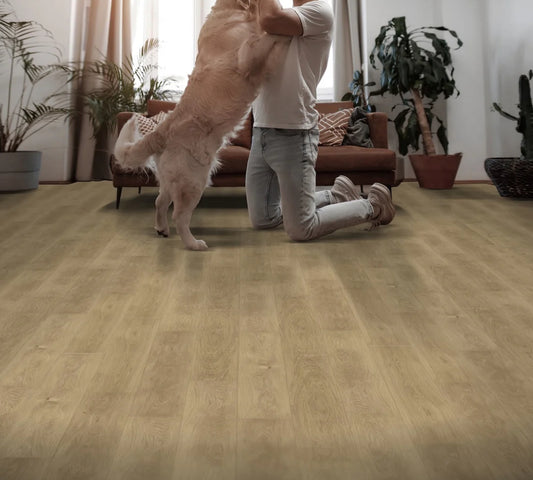
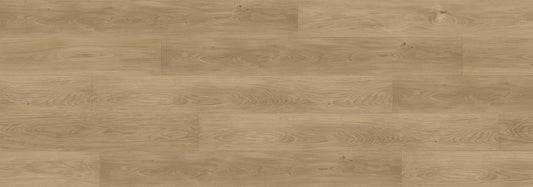
Vinyl Flooring for Stylish and Practical Dining Rooms
Vinyl flooring for dining rooms combines realistic wood appearance with the durability and easy maintenance needed for everyday meals, family gatherings, furniture movement, and entertaining.
Dining areas may experience chair movement, food spills, dropped utensils, pet traffic, and regular cleaning. Luxury vinyl plank can be a practical option because many products offer durable wear layers, water-resistant construction, realistic grain, and surfaces that are easier to maintain than traditional hardwood.
This collection includes dining-room vinyl flooring in natural oak, white oak, light oak, warm brown, greige, gray, and wide-plank styles.
Is Vinyl Plank Flooring Good for Dining Rooms?
Yes. Vinyl plank flooring can be an excellent choice for dining rooms.
Depending on the product, benefits may include:
- Realistic hardwood visuals
- Easy cleanup after food and drink spills
- Durable surface protection
- Water-resistant or waterproof options
- Comfortable performance compared with tile
- Compatibility with dining tables and chairs
- Click-lock or glue-down installation
- Wide and long plank formats
- Coordination with kitchens and living rooms
- Simple routine maintenance
The best flooring depends on household traffic, pets, children, furniture weight, subfloor condition, and overall room design.
Choosing Flooring for Everyday Dining
A dining room used daily may need more durability than a formal dining room used only occasionally.
For frequently used dining areas, consider:
- A durable wear layer
- Scratch-resistant finish
- Stain-resistant surface
- Matte or textured appearance
- Strong locking system or secure adhesive
- Medium-tone color
- Clear residential warranty
- Easy-clean construction
A quality 12 mil product may suit moderate residential use, while a 20 mil or 22 mil wear layer may provide additional protection for busy households, pets, children, and frequent entertaining.
Best Dining Room Flooring Colors
The flooring color can influence whether the room feels warm, formal, modern, open, or cozy.
Natural oak dining-room flooring
Natural oak creates balanced warmth and works with many table, chair, cabinet, and wall colors.
White oak dining-room flooring
White oak offers beige, tan, and greige undertones that suit modern and transitional interiors.
Light oak dining-room flooring
Light oak can make smaller dining rooms feel brighter and more open.
Warm brown dining-room flooring
Warm brown creates a traditional and inviting atmosphere.
Greige dining-room flooring
Greige works well with both warm and cool décor.
Gray dining-room flooring
Gray can create a contemporary look, especially with black, white, navy, and modern furniture.
Dark wood-look flooring
Dark flooring can add depth and formality, although it may show pale dust and chair marks more easily.
Dining-Room Flooring With Wood Tables
Wood-look vinyl can coordinate well with real wood dining tables.
The flooring and furniture do not need to match exactly.
A more layered design may use:
- Light flooring with dark walnut furniture
- Natural oak flooring with black chairs
- White oak flooring with medium-brown tables
- Warm brown flooring with pale oak furniture
- Greige flooring with mixed wood tones
Try to coordinate the undertones rather than matching every grain and shade.
Clear contrast often looks more intentional than an imperfect match.
Flooring With Black Dining Furniture
Black dining tables and chairs can create a modern and dramatic room.
Lighter flooring options may help balance the visual weight:
- Blonde oak
- White oak
- Light natural oak
- Pale greige
- Soft weathered gray
Medium warm flooring can also soften the contrast.
Very dark flooring with black furniture can work in large, bright rooms but may create a heavier overall appearance.
Flooring With White Dining Furniture
White dining furniture works with most flooring colors.
Popular combinations include:
- White furniture with natural oak
- White furniture with warm brown
- White furniture with greige
- White furniture with charcoal flooring
- White furniture with blonde oak
- White furniture with wide-plank white oak
Lighter flooring creates a softer and more relaxed room, while dark flooring creates greater contrast and formality.
Flooring With Upholstered Dining Chairs
Upholstered dining chairs often include beige, cream, gray, green, blue, or patterned fabric.
Choose flooring that coordinates with the fabric undertone.
Examples include:
- Cream chairs with natural oak
- Gray chairs with warm greige
- Navy chairs with white oak
- Green chairs with warm beige flooring
- Brown leather chairs with light oak
- Black fabric chairs with pale wood flooring
Place flooring samples beside the chair fabric whenever possible.
Flooring for Open-Plan Dining Areas
Open-plan dining rooms often connect to kitchens and living rooms.
Using one flooring style throughout can create:
- Better visual flow
- Fewer abrupt transitions
- A larger-looking interior
- Easier furniture coordination
- Consistent cleaning
- A more unified design
Wide and long planks may enhance continuity by reducing the number of visible seams and end joints.
For floating flooring, review the manufacturer’s maximum continuous-run dimensions and transition requirements.
Dining-Room Flooring With White Cabinets
Dining spaces connected to kitchens with white cabinets work well with:
- Natural oak
- White oak
- Blonde oak
- Warm beige
- Greige
- Medium brown
- Light gray
Warm white cabinets often suit beige and natural wood tones.
Crisp white cabinets may pair better with white oak, greige, and cooler gray flooring.
Compare the floor with both the cabinetry and dining furniture.
Dining-Room Flooring With Dark Cabinets
Dark kitchen cabinets can influence flooring choices in a connected dining area.
Suitable options may include:
- Light oak
- White oak
- Natural beige
- Pale greige
- Medium warm brown
- Weathered light wood
Lighter flooring can balance black, navy, green, walnut, or charcoal cabinetry.
Medium or dark flooring can work in larger spaces with strong natural light.
Dining-Room Flooring With a Rug
Area rugs can define a dining zone and add softness, color, and texture.
Choose a rug large enough for the chairs to remain on it when pulled away from the table.
Use backing approved for vinyl flooring.
Avoid unapproved rubber, latex, or chemically treated backings that may discolor the surface.
Lift the rug periodically to:
- Clean beneath it
- Remove crumbs and grit
- Check for trapped moisture
- Inspect the floor
- Prevent uneven fading
Protecting Flooring Beneath Dining Chairs
Dining chairs create repeated movement that can wear the flooring surface.
To help protect the floor:
- Use felt pads
- Replace worn pads regularly
- Check chair legs for sharp edges
- Lift rather than drag chairs when possible
- Remove grit beneath furniture
- Use vinyl-safe protective mats if needed
- Choose a durable wear layer
Chair pads should be checked often because dirt can become trapped beneath them.
Protecting Flooring Beneath Dining Tables
Large dining tables can place concentrated weight on small legs or feet.
Use appropriately sized protective pads to distribute the load.
Before placing the table:
- Check for sharp metal edges
- Clean the floor
- Attach wide protective pads
- Avoid dragging the table
- Lift carefully when repositioning
- Follow manufacturer weight guidance
Expandable tables should also be moved carefully when adding leaves or adjusting the frame.
Is Vinyl Flooring Stain-Resistant?
Many vinyl products include finishes designed to resist everyday stains.
Common dining-room spills may include:
- Wine
- Coffee
- Sauces
- Oil
- Juice
- Soft drinks
- Food coloring
- Grease
Spills should still be cleaned promptly.
Use a manufacturer-approved cleaner and avoid harsh chemicals or abrasive tools.
Highly pigmented liquids may leave residue if allowed to remain on the surface.
Is Vinyl Flooring Scratch-Resistant?
Many products are described as scratch-resistant, but no vinyl floor is completely scratch-proof.
Dining-room scratches may be caused by:
- Chair movement
- Grit beneath furniture
- Pet claws
- Metal feet
- Dropped objects
- Dragged tables
- Sharp debris
Matte or textured finishes may make light marks less noticeable than glossy flooring.
Regular cleaning and furniture pads can significantly reduce risk.
Best Wear Layer for Dining Rooms
Common residential wear-layer options may include:
- 12 mil
- 20 mil
- 22 mil
- Manufacturer-specific protective finishes
A 12 mil wear layer may suit formal dining rooms or moderate residential use.
A 20 mil or 22 mil wear layer may be more appropriate for:
- Daily family dining
- Homes with pets
- Children
- Frequent entertaining
- Open-plan rooms
- Heavy chair movement
- Long-term installations
Wear-layer thickness should be considered alongside the finish, core, installation, and warranty.
Click-Lock Vinyl Flooring for Dining Rooms
Click-lock flooring connects at the edges and floats over the prepared subfloor.
Potential benefits may include:
- Faster installation
- No full-spread adhesive
- Attached backing on selected products
- Waterproof rigid-core options
- Easier full-floor removal
- Compatibility with open-plan spaces
The subfloor should be flat, clean, dry, and structurally sound.
Uneven areas can create movement and stress the locking joints.
Glue-Down LVP for Dining Rooms
Glue-down luxury vinyl plank bonds directly to the subfloor using approved adhesive.
Potential advantages may include:
- Minimal plank movement
- Low finished floor height
- Firm underfoot performance
- Smooth transitions
- Easier individual plank replacement
- Stable performance beneath furniture
Glue-down flooring requires careful subfloor preparation.
Cracks, seams, bumps, and old adhesive may become visible through flexible planks if the surface is not properly smoothed.
Vinyl Flooring Over Concrete
Many vinyl floors can be installed over properly prepared concrete.
The surface should generally be:
- Clean
- Dry
- Flat
- Smooth
- Structurally sound
- Within moisture limits
- Free from contaminants
- Within manufacturer flatness requirements
Moisture testing may be required.
Glue-down flooring needs an especially smooth base, while rigid-core flooring still requires major dips and raised areas to be corrected.
Vinyl Flooring Over Existing Tile
Some vinyl flooring may be installed over secure and level tile.
Before installation:
- Repair loose or cracked tiles
- Fill deep grout lines when required
- Correct raised edges
- Confirm manufacturer approval
- Check final floor height
- Review door clearance
- Clean the surface thoroughly
Flexible glue-down LVP may require skim coating to prevent grout lines from showing through.
Vinyl Flooring for Dining Rooms With Pets
Dining areas in pet households may experience fur, spilled water, food, claws, and frequent movement.
Useful flooring features may include:
- Durable wear layers
- Water-resistant construction
- Textured finishes
- Easy-clean surfaces
- Medium-tone colors
- Scratch-resistant manufacturer finishes
- Secure installation
No vinyl floor is completely scratch-proof.
Keep pet nails trimmed, remove grit, and place waterproof mats beneath food and water bowls.
Vinyl Flooring for Dining Rooms With Children
Dining rooms used by children may experience spills, crumbs, chair movement, toys, and frequent cleaning.
Consider products with:
- Easy-clean finishes
- Water-resistant construction
- Durable wear layers
- Matte textures
- Strong locking systems
- Secure glue-down installation
- Medium-tone colors
- Clear warranty coverage
Clean spills promptly and use protective pads beneath highchairs and tables.
Wide-Plank Vinyl Flooring for Dining Rooms
Wide-plank flooring can create a spacious and refined dining-room appearance.
Broader planks may:
- Reduce visible seams
- Showcase realistic wood grain
- Make rooms feel less busy
- Create a premium hardwood look
- Complement large tables
- Improve flow in open-plan spaces
Longer planks can further reduce visible end joints.
Review plank width, length, pattern repeat, and shade variation before choosing.
Pattern Repeat and Visual Variation
Dining rooms often expose large areas of flooring around the table.
Review:
- Number of unique plank visuals
- Pattern repeat
- Grain direction
- Knot placement
- Shade variation
- Bevel style
- Plank dimensions
More unique visuals may produce a more natural appearance.
Mix planks from multiple cartons and avoid placing identical patterns beside one another.
Matte vs Glossy Dining-Room Flooring
Matte and low-gloss floors are often practical for dining areas.
Potential benefits include:
- Reduced glare
- Less visible dust
- Fewer visible footprints
- Better scratch concealment
- A more natural wood look
Glossy flooring can create a more formal appearance but may show chair marks, crumbs, and reflections more clearly.
Cleaning Dining-Room Vinyl Flooring
Routine maintenance is generally simple.
Recommended care may include:
- Sweeping after meals
- Vacuuming with a hard-floor setting
- Cleaning spills promptly
- Using a damp microfiber mop
- Using approved vinyl cleaner
- Cleaning beneath the table
- Checking chair pads
- Lifting rather than dragging furniture
Avoid abrasive scrubbers, waxes, oil soaps, harsh chemicals, and steam mops unless approved by the manufacturer.
Measuring for Dining-Room Flooring
Measure the full dining area, including:
- Alcoves
- Bay windows
- Closets
- Connected kitchen areas
- Doorways
- Open living spaces
- Irregular wall sections
- Built-in furniture boundaries
Add extra flooring for:
- Cuts
- Waste
- Plank arrangement
- Damaged pieces
- Future repairs
Approximately 7% to 10% extra is common for straightforward rooms.
Open-plan layouts, diagonal installations, and complex spaces may require more.
Order Dining-Room Flooring Samples
Dining-room lighting and furniture can significantly affect how flooring appears.
Use physical samples to compare the floor with:
- Dining tables
- Chairs
- Rugs
- Cabinets
- Wall paint
- Lighting fixtures
- Nearby kitchen flooring
- Daytime and evening lighting
Place samples flat on the floor and view them from the main entrance to the room.
Warm pendant lighting may make flooring appear more golden in the evening.
Frequently Asked Questions About Dining-Room Vinyl Flooring
Is vinyl plank flooring good for dining rooms?
Yes. It offers realistic wood visuals, easy cleaning, durable residential options, and compatibility with dining furniture.
What flooring color is best for a dining room?
Natural oak, white oak, light oak, warm brown, greige, and gray can all work depending on the furniture, walls, lighting, and room size.
Is vinyl flooring resistant to food and drink spills?
Many products resist everyday spills, but liquids should still be cleaned promptly to avoid staining or reaching the subfloor.
Can dining chairs scratch vinyl flooring?
Yes. Repeated chair movement can mark the floor. Use felt pads and remove grit regularly.
Is a rug necessary beneath a dining table?
No, but a rug can define the dining space and add protection. Use backing approved for vinyl flooring.
What wear layer is best for a dining room?
A 12 mil wear layer may suit moderate use. A 20 mil or 22 mil option may be better for daily dining, pets, children, and frequent entertaining.
Is click-lock or glue-down vinyl better for dining rooms?
Both can work. Click-lock may be easier to install, while glue-down flooring offers minimal movement and a lower profile.
Can vinyl flooring be installed over concrete?
Many products can be installed over properly prepared concrete. Moisture testing and flatness requirements must be followed.
Can vinyl flooring go over existing tile?
Some products can be installed over secure, level tile. Grout lines and uneven areas may need preparation.
Is vinyl flooring good for dining rooms with pets?
Yes. It is easy to clean and available with durable wear layers, although no floor is completely scratch-proof.
Should dining-room flooring match the kitchen?
It does not have to, but using one floor throughout connected spaces can improve visual flow.
How much extra flooring should I order?
Approximately 7% to 10% extra is common for straightforward installations. Complex layouts may require more.
Should I order samples before purchasing?
Yes. Samples help you compare the flooring with the table, chairs, cabinets, rugs, and room lighting.
Explore related options in Best Laminate Flooring for Dining Rooms, Engineered Hardwood Flooring for Dining Rooms, and Best Flooring for Dining Rooms.
Explore related flooring
Browse related flooring collections, brands and styles before making your final choice.