Vinyl Flooring for Bathrooms With Practical Wood-Look Style
Vinyl flooring for bathrooms offers homeowners a way to introduce the warmth and appearance of wood into a moisture-prone room without using traditional hardwood.
Bathrooms experience splashes, wet feet, humidity, cleaning products, cosmetics, and regular temperature changes. Luxury vinyl plank can be a practical choice because many products use waterproof or water-resistant vinyl materials, durable protective surfaces, and easy-clean finishes.
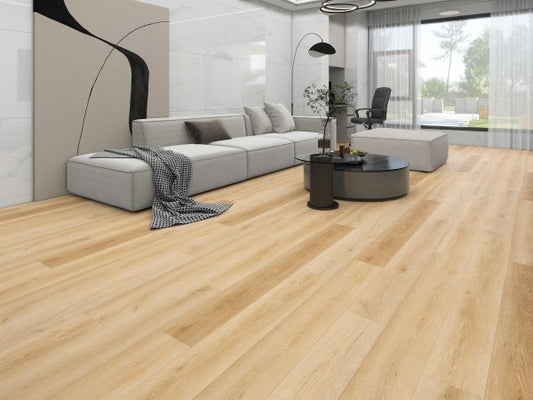
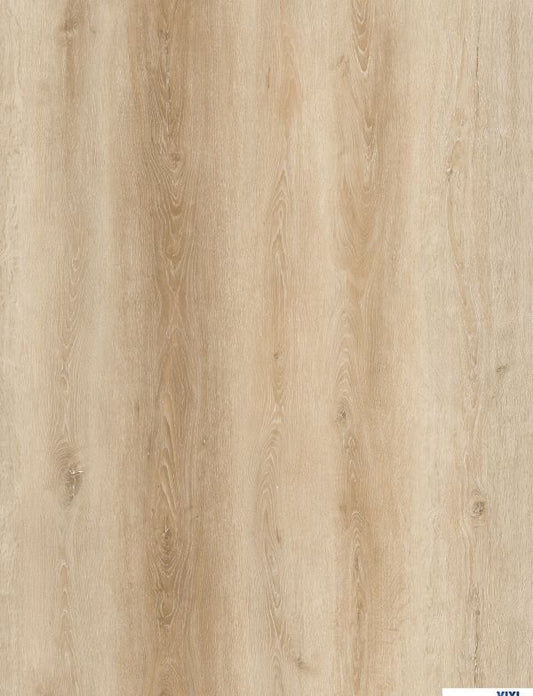
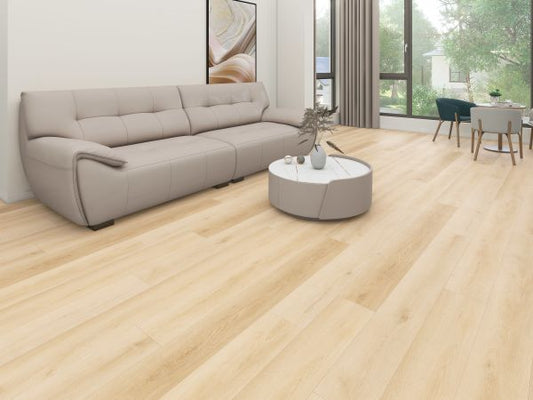
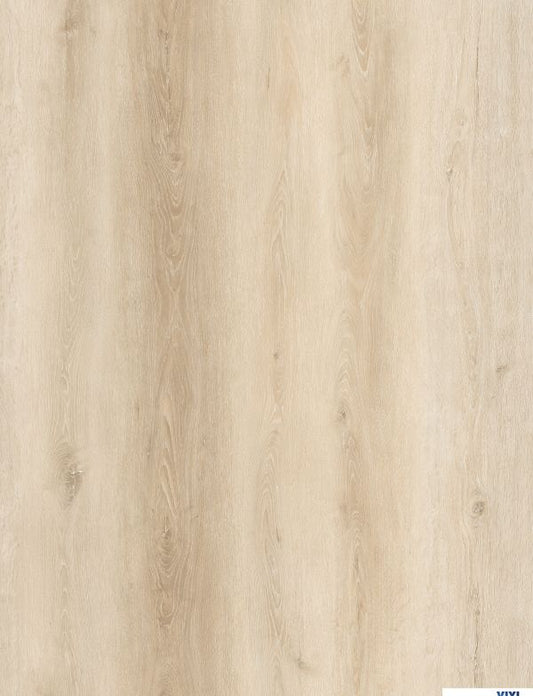
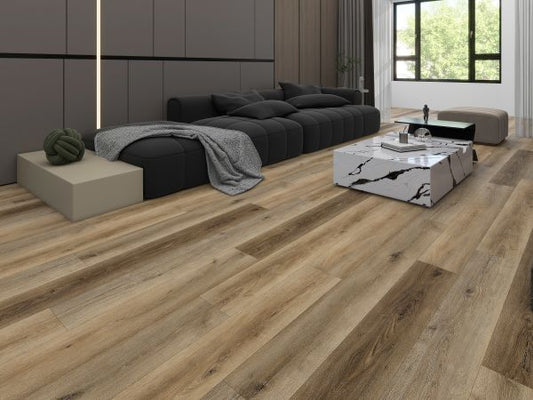
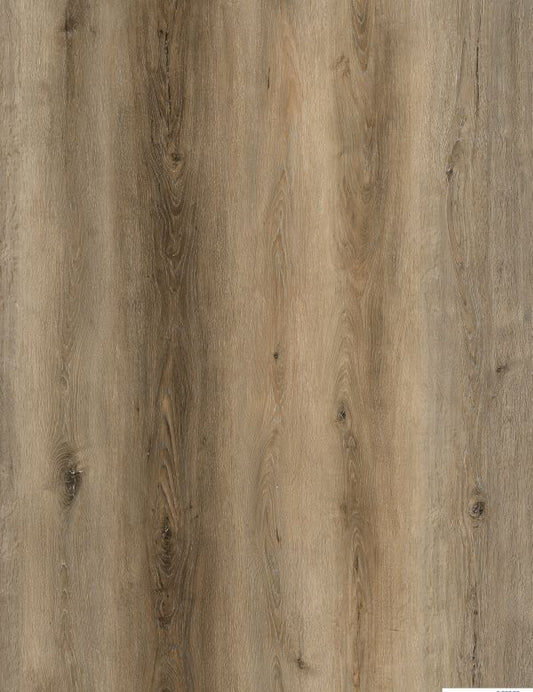
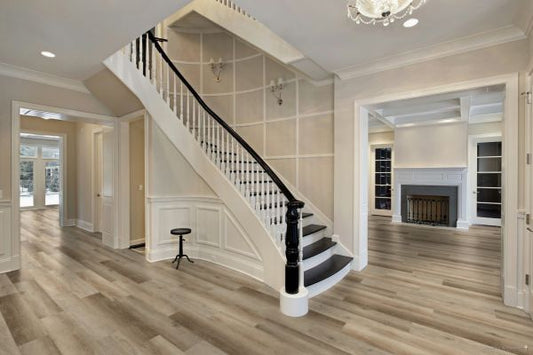
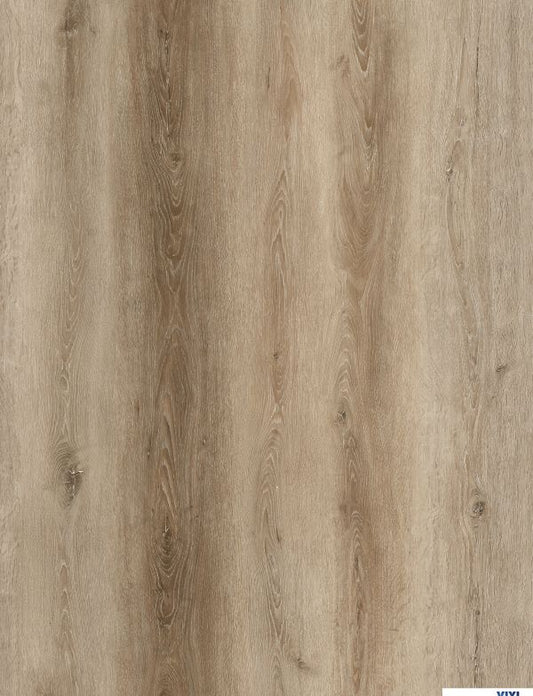
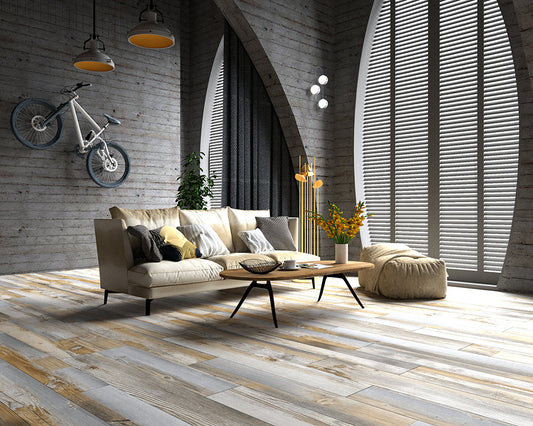
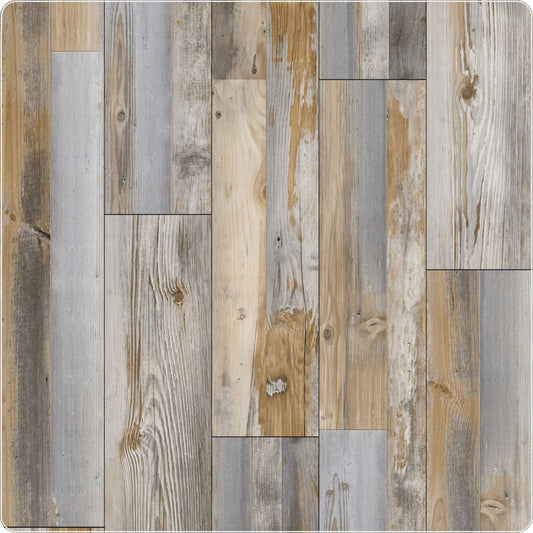
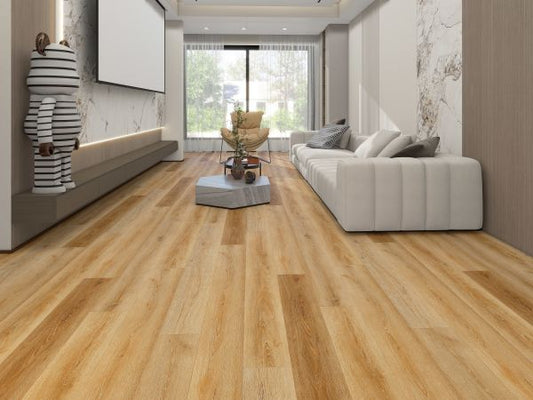
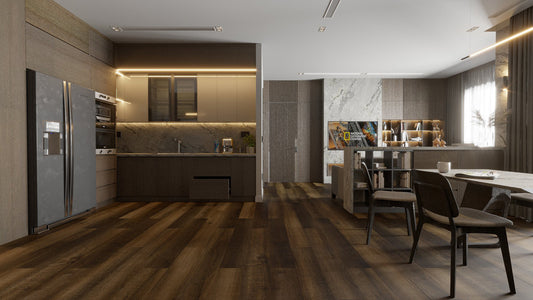
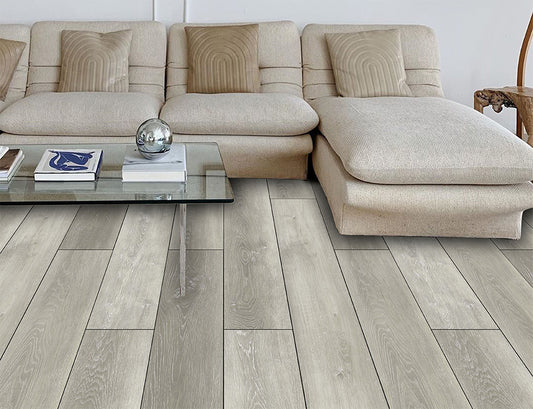
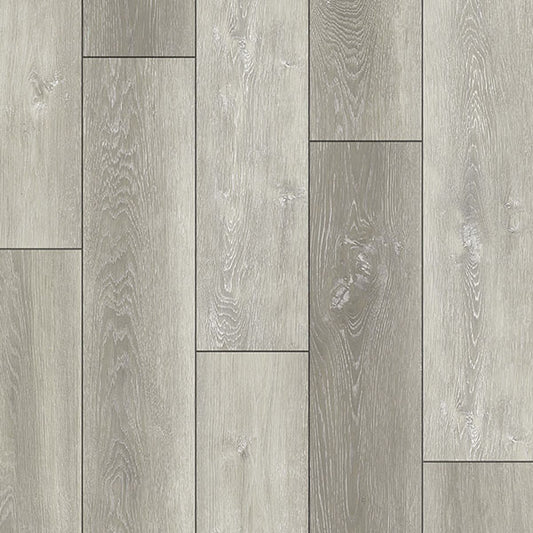
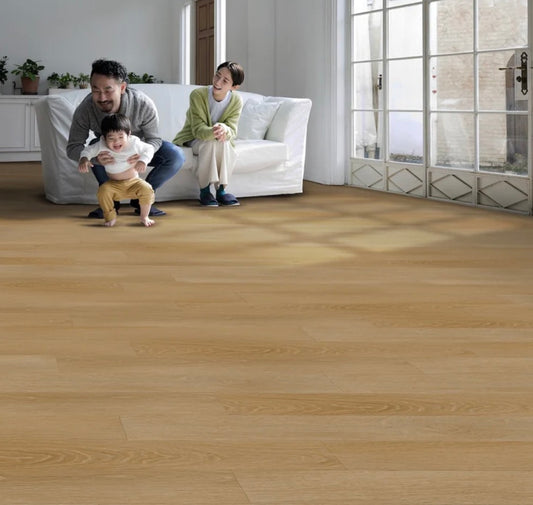
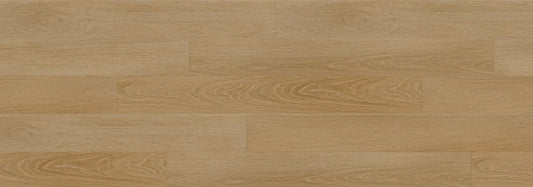
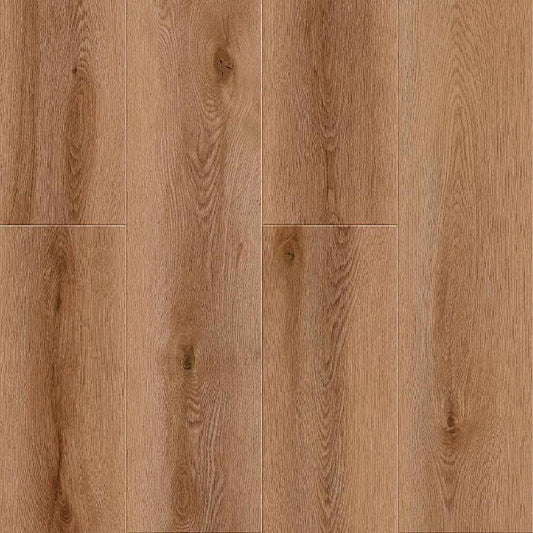
This collection includes bathroom-suitable vinyl flooring in light oak, white oak, natural wood, gray, greige, warm beige, and contemporary plank styles.
Is Vinyl Plank Flooring Good for Bathrooms?
Yes. Vinyl plank flooring can be suitable for residential bathrooms when the specific product is approved by the manufacturer and installed correctly.
Homeowners may choose bathroom LVP because it can offer:
- Waterproof or water-resistant plank construction
- Realistic wood visuals
- Easier maintenance than natural hardwood
- A warmer appearance than tile
- A softer feel beneath bare feet
- Multiple colors and plank sizes
- Click-lock or glue-down installation options
- Compatibility with many bathroom design styles
The flooring material may resist water, but the complete bathroom installation is not automatically waterproof.
Correct subfloor preparation, perimeter detailing, transitions, fixtures, and maintenance remain important.
Waterproof Vinyl Flooring for Bathrooms
Many bathroom vinyl floors are marketed as waterproof because the plank materials do not swell or absorb water in the same way as wood-based flooring.
This can help protect against:
- Water splashed from sinks
- Wet feet
- Damp bath mats
- Everyday humidity
- Minor spills
- Routine bathroom cleaning
However, water may still reach the subfloor through:
- Perimeter gaps
- Damaged joints
- Open transitions
- Toilet leaks
- Plumbing failures
- Areas around tubs and showers
- Unsealed penetrations
Clean standing water promptly and repair leaks immediately.
Waterproof planks should not be treated as a substitute for proper bathroom waterproofing in wet zones.
Can Vinyl Flooring Be Installed Next to a Shower or Bathtub?
Vinyl plank flooring may be installed beside tubs and showers when the manufacturer approves the application.
The edge of the flooring must be finished according to the installation instructions.
Depending on the product and room design, this may involve:
- Approved perimeter sealant
- Proper expansion space
- Manufacturer-approved trim
- Correct baseboard or molding
- Careful detailing around fixtures
- Protection against repeated standing water
Vinyl plank flooring should not normally be installed inside a shower enclosure unless the product is specifically designed and approved for that purpose.
Vinyl Flooring Around a Toilet
Bathroom flooring must be carefully installed around the toilet base and flange.
Depending on the flooring system and manufacturer instructions:
- The toilet may need to be removed before installation
- The flooring may be cut around the flange
- The toilet may be reset over the completed floor
- Proper wax rings or seals must be used
- Leaks should be checked immediately
- Expansion requirements must be maintained
A leaking toilet can allow moisture beneath the flooring and damage the subfloor even when the vinyl plank itself is waterproof.
Professional installation may be advisable if plumbing fixtures need to be removed and reset.
Click-Lock Vinyl Flooring for Bathrooms
Click-lock vinyl flooring connects along the plank edges and floats over a prepared subfloor.
Potential benefits may include:
- Faster installation
- No full-spread adhesive
- Waterproof rigid-core options
- Attached backing on selected products
- Easier full-floor removal
- Realistic wood-plank appearance
The locking joints must be fully engaged to reduce the chance of water reaching beneath the floor.
The subfloor must be flat, clean, dry, and structurally sound.
Manufacturer requirements for perimeter expansion and sealing must be followed carefully in a bathroom.
Glue-Down LVP for Bathrooms
Glue-down luxury vinyl plank is bonded directly to the prepared subfloor using approved adhesive.
Potential advantages may include:
- Minimal plank movement
- Low finished floor height
- Secure installation
- Smooth transitions
- Easier individual plank replacement
- Firm underfoot performance
Glue-down bathroom flooring requires a smooth and properly prepared surface.
The selected adhesive must be compatible with:
- The vinyl flooring
- The subfloor
- Bathroom moisture conditions
- Room temperature
- Manufacturer warranty requirements
Excessive moisture beneath the flooring can still weaken adhesive, so subfloor testing may be necessary.
Bathroom Vinyl Flooring Over Concrete
Many vinyl products may be installed over properly prepared concrete.
The concrete should generally be:
- Clean
- Dry
- Flat
- Smooth
- Structurally sound
- Within moisture limits
- Free from sealers and contaminants
- Within manufacturer flatness tolerances
Bathrooms installed over concrete slabs may require moisture testing.
Glue-down LVP needs an especially smooth base because surface defects may show through flexible planks.
Rigid-core flooring may tolerate minor texture but will not correct significant unevenness or moisture problems.
Bathroom Vinyl Flooring Over Existing Tile
Some vinyl flooring products can be installed over secure and level tile.
Before installation:
- Repair loose or cracked tiles
- Fill deep grout lines when necessary
- Correct raised edges
- Confirm the bathroom door will clear the added height
- Check toilet and fixture clearances
- Review transition heights
- Confirm manufacturer approval
Flexible glue-down LVP may require a skim coat to stop grout lines or tile texture from becoming visible through the new floor.
Do not cover unresolved water damage or loose tile.
Bathroom Vinyl Flooring Over Plywood
Plywood subfloors may support vinyl flooring when they are structurally sound, dry, smooth, and correctly fastened.
Inspect for:
- Loose panels
- Raised seams
- Water damage
- Soft areas
- Movement
- Protruding fasteners
- Uneven joints
- Mold or staining
Damaged sections should be repaired before installation.
Glue-down flooring may require an approved underlayment panel or skim-coat system to create a smooth surface.
Best Wear Layer for Bathroom Vinyl Flooring
Bathrooms generally receive less foot traffic than kitchens or hallways, but the floor must still handle moisture, cleaning, furniture, and everyday use.
Common wear-layer options may include:
- 12 mil
- 20 mil
- 22 mil
- Manufacturer-specific protective finishes
A quality 12 mil product may be sufficient for many residential bathrooms.
A 20 mil or 22 mil wear layer may be preferred for:
- Main family bathrooms
- Homes with pets
- Larger households
- Bathroom-laundry combinations
- Bathrooms connected to busy hallways
- Long-term renovations
Wear-layer thickness should be considered alongside the finish, waterproof rating, installation method, and warranty.
Is Vinyl Flooring Slippery in a Bathroom?
Slip resistance varies between products.
Smooth or glossy flooring may become slippery when wet.
For bathroom use, consider:
- Matte finishes
- Embossed textures
- Wood-grain surfaces
- Manufacturer slip-resistance data
- Approved non-slip bath mats
- Prompt water cleanup
- Proper ventilation
Avoid waxes, polishes, and cleaning products that leave slippery residue.
Bath mats should have backing approved for vinyl flooring, since some rubber or latex materials may discolor the surface.
Best Bathroom Flooring Colors
The right bathroom flooring color depends on the room size, lighting, cabinets, fixtures, wall tile, and desired design style.
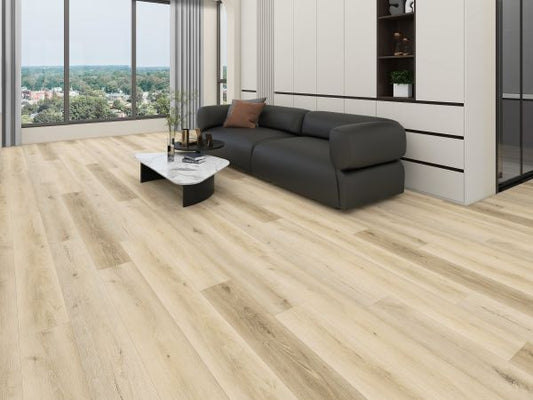
Light oak bathroom flooring
Light oak can help small bathrooms feel brighter and more open.
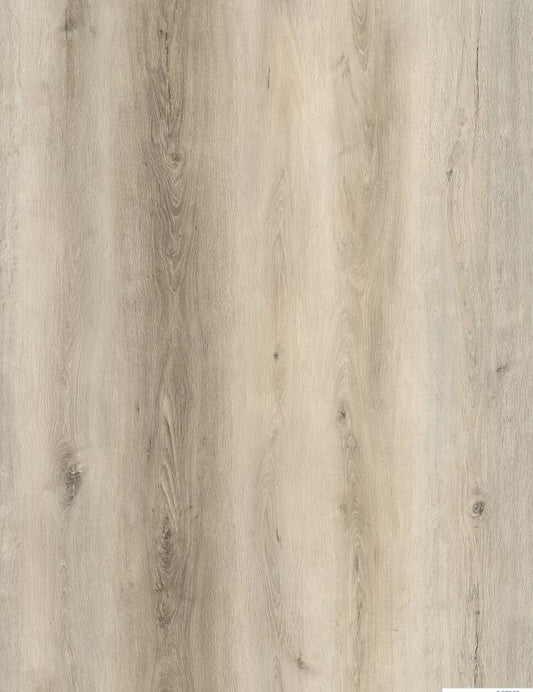
White oak bathroom flooring
White oak creates a natural, refined look with beige, tan, and greige undertones.
Natural oak bathroom flooring
Natural oak adds warmth and coordinates well with white, cream, green, and black finishes.
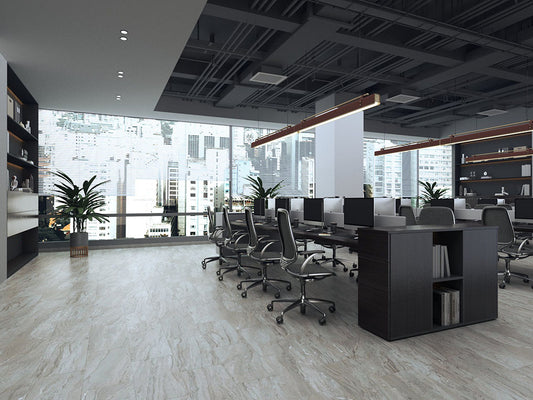
Gray bathroom flooring
Gray flooring can create a clean, contemporary look and pair with white fixtures, marble effects, and black hardware.
Greige bathroom flooring
Greige blends beige and gray, making it versatile for both warm and cool bathroom finishes.
Dark wood-look bathroom flooring
Dark flooring can create a dramatic spa-like appearance but may show pale dust, water spots, and light-colored hair more easily.
Vinyl Flooring for Small Bathrooms
Small bathrooms often benefit from light or medium flooring colors.
Useful options may include:
- Pale oak
- Light white oak
- Soft greige
- Beige wood-look flooring
- Light weathered gray
- Low-contrast plank visuals
Wider planks can reduce the number of seams and make the floor feel less busy.
However, very wide planks may require more cuts in an irregular room, so layout planning remains important.
Using the same flooring in a nearby hallway or bedroom may also improve visual flow.
Vinyl Flooring for Large Bathrooms
Large bathrooms can accommodate deeper colors, stronger grain, and wider planks.
Potential options include:
- Medium natural oak
- Warm brown
- Charcoal gray
- Rustic oak
- Wide-plank white oak
- High-variation wood visuals
Large spaces may also benefit from longer planks that reduce visible end joints.
Before installing a floating floor across a large bathroom, review the manufacturer’s maximum installation dimensions and transition requirements.
Vinyl Flooring for Spa-Inspired Bathrooms
A spa-inspired bathroom typically uses natural colors, soft textures, and a calm visual palette.
Vinyl flooring options may include:
- White oak
- Light natural oak
- Warm beige
- Pale greige
- Soft driftwood
- Muted brown
Pair the flooring with:
- Warm white walls
- Natural stone
- Cream towels
- Wood vanities
- Black or brass hardware
- Green plants
- Soft lighting
- Minimal clutter
Matte flooring generally works better than a glossy finish for a relaxed spa-like appearance.
Bathroom Flooring With White Vanities
White vanities work with most vinyl flooring colors.
Popular combinations include:
- White vanity with light oak
- White vanity with natural oak
- White vanity with warm beige
- White vanity with soft gray
- White vanity with greige
- White vanity with dark wood for contrast
Warm white cabinetry often pairs best with beige and natural wood tones.
Crisp white vanities may suit gray, white oak, and cooler greige flooring.
Compare flooring samples directly with the vanity finish before choosing.
Bathroom Flooring With Wood Vanities
Vinyl flooring can coordinate with natural wood vanities, but the tones should not appear like an accidental near-match.
Consider creating contrast:
- Light flooring with dark walnut
- Neutral oak flooring with honey vanities
- Soft greige flooring with warm wood
- Pale white oak with medium brown cabinetry
- Dark flooring with a light wood vanity
Compare the grain intensity as well as the color.
A visually busy vanity may look better with a quieter flooring pattern.
Bathroom Flooring With Black Fixtures
Black faucets, shower frames, mirrors, and cabinet hardware create strong definition.
They pair well with:
- Light oak
- White oak
- Natural beige flooring
- Pale gray
- Greige
- Medium warm brown
Light flooring helps black fixtures stand out while keeping the bathroom bright.
Dark flooring can also work, but the result will be bolder and may require lighter walls and cabinetry.
Bathroom Flooring With Brass Fixtures
Warm brass and brushed gold fixtures coordinate naturally with:
- Blonde oak
- Natural oak
- Warm beige
- Honey tones
- White oak
- Soft greige
The flooring should support the warmth of the metal without becoming excessively yellow.
Neutral beige and balanced natural-oak styles often create the safest combination.
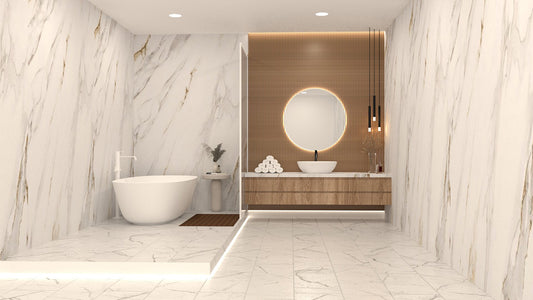
Bathroom Flooring With Marble-Look Surfaces
Marble-look shower walls, countertops, or porcelain tile can pair well with wood-look vinyl flooring.
For cool white and gray marble, consider:
- White oak
- Soft gray
- Greige
- Pale natural oak
For warmer cream or beige marble, consider:
- Natural oak
- Warm beige
- Light honey
- Soft brown
- Warm greige
The flooring can prevent an all-stone bathroom from feeling cold or overly formal.
Is Vinyl Flooring Good for Bathrooms With Pets?
Yes. Vinyl flooring can be practical in bathrooms used for pet washing, grooming, or water bowls.
Potential benefits include:
- Easy cleaning
- Water-resistant construction
- Durable wear layers
- Simple removal of fur
- Comfortable performance compared with tile
- Multiple textured finishes
No vinyl floor is completely scratch-proof.
Keep pet nails trimmed, remove grit, use a vinyl-safe mat, and clean water promptly.
Ventilation and Bathroom Flooring
Ventilation helps control humidity and condensation.
Even when vinyl flooring is water-resistant, excessive humidity can affect:
- Adhesives
- Subfloors
- Baseboards
- Walls
- Mold growth
- Other bathroom materials
Use an exhaust fan during and after showers.
Repair leaks promptly and avoid allowing wet bath mats to remain on the floor for long periods.
Bathroom Floor Transitions
Transitions may be needed where bathroom vinyl meets:
- Hallway flooring
- Bedroom carpet
- Tile
- Hardwood
- Other vinyl
- Door thresholds
- Changes in floor height
Use trims approved for the flooring system.
Plan transitions before installation so the finished height works with doors, toilets, vanities, and adjoining rooms.
Cleaning Vinyl Bathroom Flooring
Routine maintenance is straightforward.
Recommended care may include:
- Sweeping or vacuuming hair and dust
- Cleaning water promptly
- Using a damp microfiber mop
- Using approved vinyl flooring cleaner
- Drying standing water
- Washing bath mats regularly
- Cleaning around the toilet and vanity
- Maintaining ventilation
Avoid abrasive scrubbers, waxes, oil soaps, harsh chemicals, and steam mops unless approved by the manufacturer.
Do not flood the floor with water during cleaning.
Avoiding Mold and Moisture Problems
Vinyl flooring itself may resist moisture, but trapped water beneath the floor can still cause serious problems.
To reduce risk:
- Repair leaks immediately
- Dry standing water
- Maintain ventilation
- Inspect toilet seals
- Check plumbing connections
- Avoid covering existing water damage
- Follow subfloor moisture requirements
- Use the correct adhesive
- Replace damaged planks or seals
Persistent odors, staining, softness, or loose flooring may indicate moisture beneath the surface.
Measuring for Bathroom Flooring
Measure the full bathroom floor area, including spaces around:
- Vanities
- Toilets
- Tubs
- Showers
- Closets
- Doorways
- Laundry equipment
- Irregular walls
Add additional material for:
- Cuts
- Waste
- Complex fixture shapes
- Plank arrangement
- Damaged pieces
- Future repairs
Approximately 7% to 10% extra flooring is common for straightforward installations.
Small bathrooms with many fixtures may require a higher waste percentage because of the number of cuts.
Order Bathroom Flooring Samples
Bathroom lighting can make flooring appear different from online product images.
Use physical samples to compare:
- Color
- Undertones
- Surface texture
- Slip resistance
- Water-spot visibility
- Compatibility with vanity finishes
- Compatibility with wall tile
- Appearance beside fixtures
- Daytime and evening color
Place the sample flat on the floor and view it beneath the bathroom’s actual lighting.
Cool LED lighting may make the floor appear grayer, while warm bulbs may bring out beige or golden undertones.
Frequently Asked Questions About Vinyl Flooring for Bathrooms
Is vinyl plank flooring suitable for bathrooms?
Yes. Many vinyl plank products are approved for residential bathrooms and offer easy maintenance and water-resistant construction.
Is bathroom vinyl flooring waterproof?
Many products are marketed as waterproof, but the complete installation is not automatically waterproof. Water can still reach the subfloor through edges, joints, and leaks.
Can vinyl flooring be installed beside a bathtub?
Often, yes, when approved by the manufacturer and properly finished around the perimeter.
Can vinyl plank be installed inside a shower?
Generally, no. Standard LVP should not be installed inside a shower unless specifically designed and approved for that purpose.
Can vinyl flooring go beneath a toilet?
Installation methods vary. The toilet is often removed and reset over the completed flooring, but manufacturer instructions should be followed.
Is click-lock or glue-down vinyl better for bathrooms?
Both can work. Click-lock flooring may offer easier installation, while glue-down LVP provides minimal movement and a lower profile.
Is vinyl flooring slippery when wet?
Some products may be slippery. Textured or matte finishes and approved bath mats can improve traction.
Can vinyl flooring be installed over bathroom tile?
Some products can be installed over secure and level tile. Grout lines and uneven areas may require preparation.
What flooring color makes a bathroom look bigger?
Light oak, white oak, pale greige, beige, and light gray can help small bathrooms feel brighter and more open.
Is vinyl flooring warmer than tile?
It generally feels warmer and slightly softer beneath bare feet than ceramic or stone tile.
Is vinyl flooring good for bathrooms with pets?
Yes. It is easy to clean and available with water-resistant construction, although no flooring is completely scratch-proof.
How much extra bathroom flooring should I order?
Approximately 7% to 10% extra is common, though small bathrooms with many fixtures may require more because of additional cuts.
Should I order samples before purchasing?
Yes. Samples help you evaluate color, texture, slip resistance, and compatibility with vanities, tile, and fixtures.