
Collection: Flooring for Wheelchairs and Walkers
Shop practical flooring for wheelchairs and walkers with smooth transitions, durable surfaces, firm underfoot support, and easy-clean finishes. Explore glue-down LVP, rigid-core vinyl, and approved laminate for accessible homes and mobility-focused spaces.
-
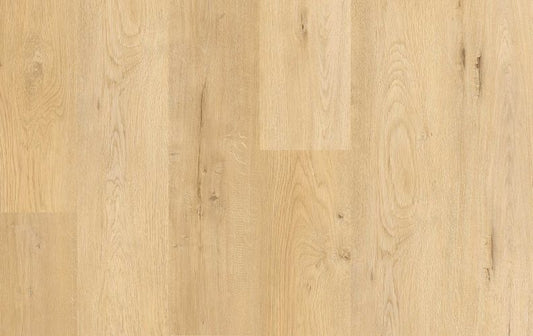
Formalay - Contour Flex | 20mil 5mm 9x60 Looselay LVP | Lions Floor
Vendor:Lions Floor$3.29 / sq. ft. $74.00 per carton · 22.5 sq. ft. / carton5.0mm20mil9x60 -
Formalay - StrataView | 20mil 5mm 9x60 Looselay LVP | Lions Floor
Vendor:Lions Floor$3.29 / sq. ft. $74.00 per carton · 22.5 sq. ft. / carton5.0mm20mil9x60 -
Formalay - Apex Form | 20mil 5mm 9x60 Looselay LVP | Lions Floor
Vendor:Lions Floor$3.29 / sq. ft. $74.00 per carton · 22.5 sq. ft. / carton5.0mm20mil9x60 -
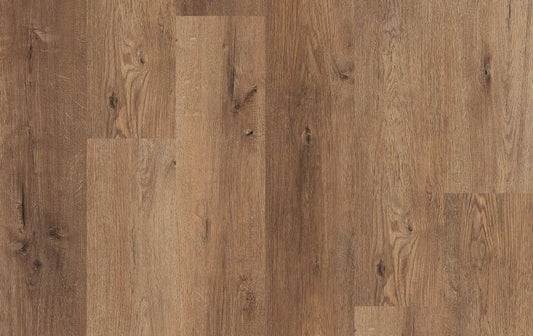
Montclair LapLand Oak 22mil 6.5mm 7x48 SPC Vinyl Plank
Vendor:NextGen$3.24 / sq. ft. $62.00 per carton · 19.16 sq. ft. / carton6.5mm22mil7x48 -
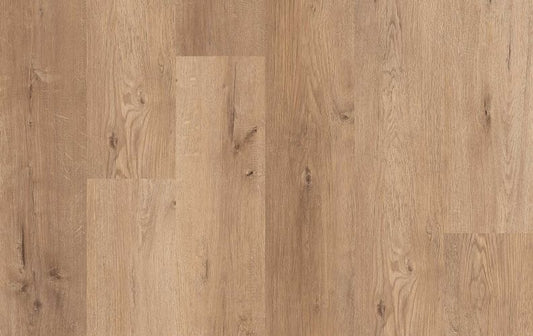
Montclair Fiona Oak 22mil 6.5mm 7x48 SPC Vinyl Plank
Vendor:NextGen$3.24 / sq. ft. $62.00 per carton · 19.16 sq. ft. / carton6.5mm22mil7x48 -
Montclair Barry Oak 22mil 6.5mm 7x48 SPC Vinyl Plank
Vendor:NextGen$3.24 / sq. ft. $62.00 per carton · 19.16 sq. ft. / carton6.5mm22mil7x48 -
Peckham Collection | Nunhead 20mil 2.5mm 7x48 LVP Glue Down EIR
Vendor:Monarch Floors$2.00 / sq. ft. $82.00 per carton · 41.094 sq. ft. / carton2.5mm20mil7x48 -
Forge Haze 4+1 Glue Down LVT 20mil 5mm 9x60 | Infinity Floors
Vendor:Infinity Floor$3.99 / sq. ft. $103.69 per carton · 25.99 sq. ft. / carton5.0mm20mil9x60 -
Active Spaces - Rochester | 20 mil 2.5mm 7.25x48 Glue Down LVP | Aperion
Vendor:Aperion$2.28 / sq. ft. $110.00 per carton · 48.34 sq. ft. / carton2.5mm20mil7x48 -
Active Spaces - Baltimore | 20 mil 2.5mm 7.25x48 Glue Down LVP | Aperion
Vendor:Aperion$2.28 / sq. ft. $110.00 per carton · 48.34 sq. ft. / carton2.5mm20mil7x48 -
VaccuBond LVT Light Commercial Tioga 2.5mm 12mil 9x48
Vendor:VaccuBond LVT$3.89 / sq. ft. $140.00 per carton · 36.0 sq. ft. / carton2.5mm12mil9x48 -
VaccuBond LVT Light Commercial Mineral Grey 2.5mm 12mil 9x48
Vendor:VaccuBond LVT$3.89 / sq. ft. $140.00 per carton · 36.0 sq. ft. / carton2.5mm12mil9x48 -
VaccuBond LVT Heavy Commercial Mineral Grey 22mil 3mm 9x48
Vendor:VaccuBond LVT$5.33 / sq. ft. $160.00 per carton · 30.0 sq. ft. / carton3.0mm22mil9x48 -
VaccuBond LVT ERIS Heavy Commercial 22mil 3mm 9x48
Vendor:VaccuBond LVT$5.33 / sq. ft. $160.00 per carton · 30.0 sq. ft. / carton3.0mm22mil9x48 -
VaccuBond LVT BALTIMORE Heavy Commercial 22mil 3mm 9x48
Vendor:VaccuBond LVT$5.33 / sq. ft. $160.00 per carton · 30.0 sq. ft. / carton3.0mm22mil9x48 -
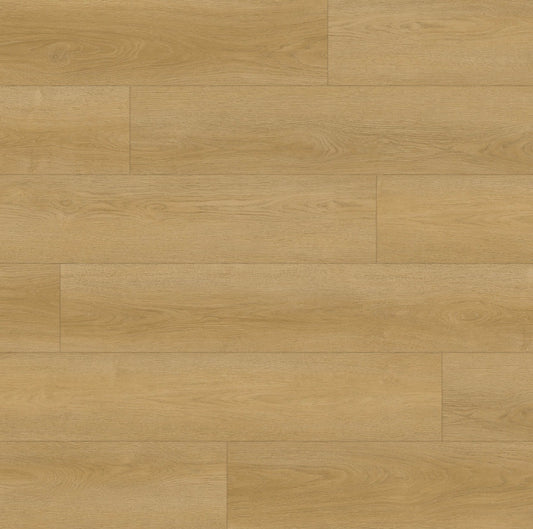
Formalay - Linear Axis | 20mil 5mm 9x60 Looselay LVP | Lions Floor
Vendor:Lions Floor$3.29 / sq. ft. $74.00 per carton · 22.5 sq. ft. / carton5.0mm20mil9x60





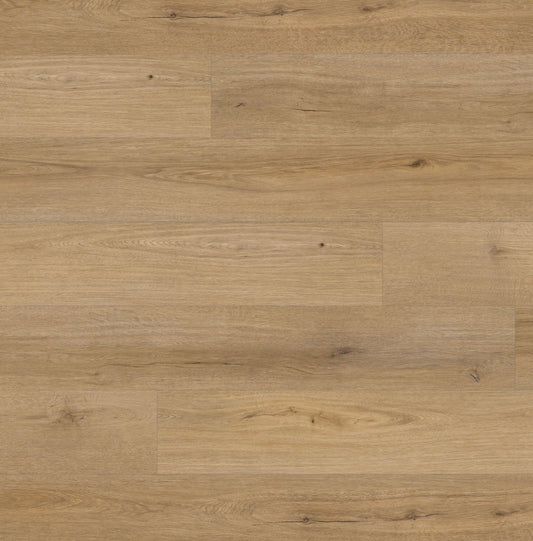

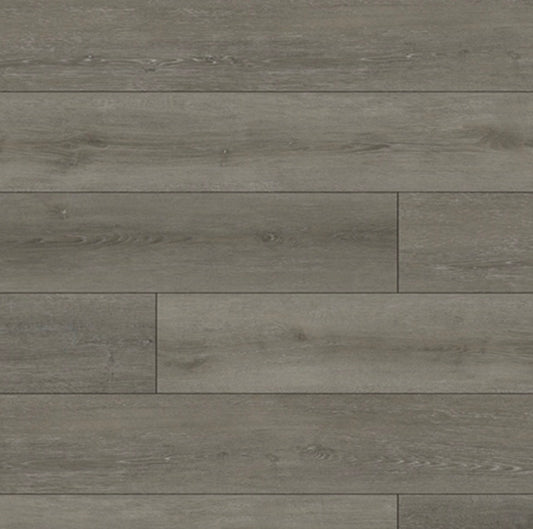
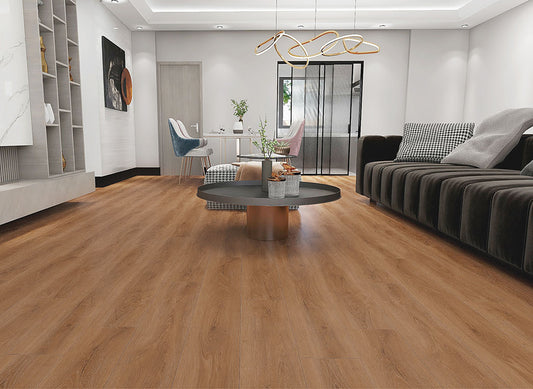
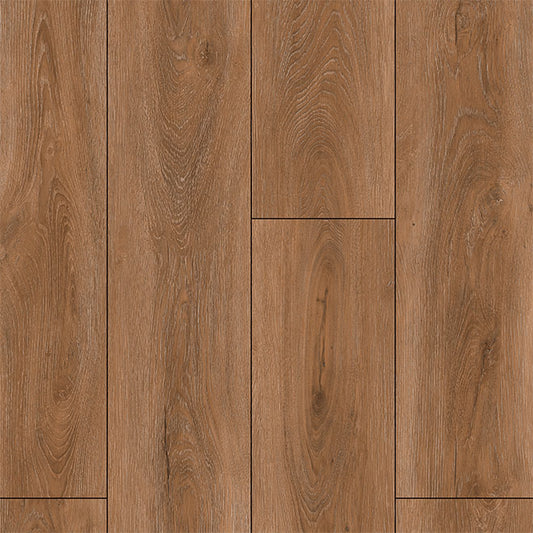

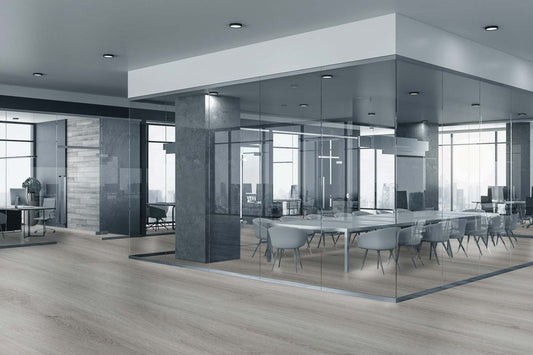
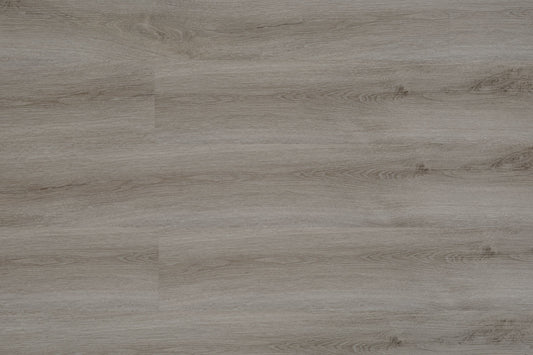
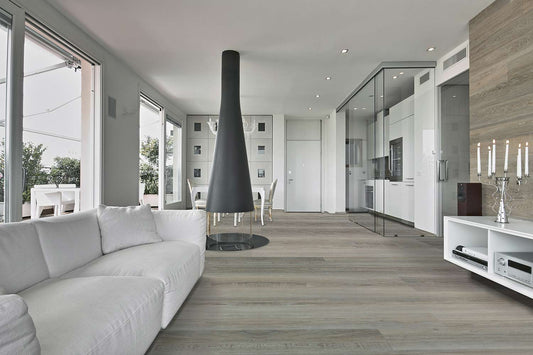
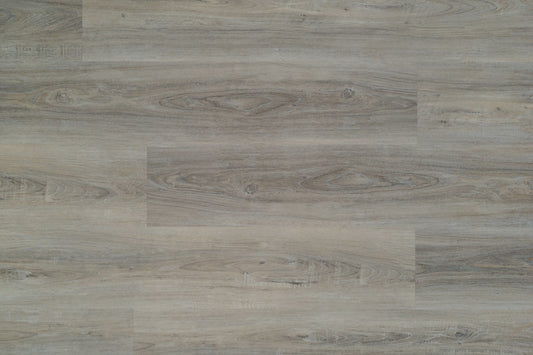


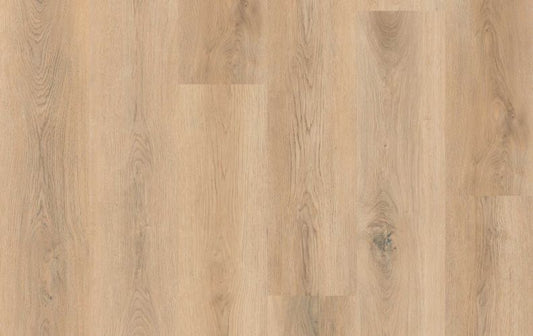
Flooring for Wheelchairs and Walkers
Flooring for wheelchairs and walkers should provide a stable, smooth, durable surface with minimal transition height and manageable rolling resistance.
Important considerations include:
- Surface firmness
- Traction
- Transition height
- Rolling resistance
- Joint strength
- Ease of cleaning
- Wheel and walker-tip wear
- Furniture movement
- Room-to-room continuity
Glue-down LVP and low-profile rigid-core flooring are often practical choices.
What Flooring Is Best for Wheelchairs?
A strong wheelchair-friendly floor should provide:
- Firm surface support
- Smooth movement
- Low transition profiles
- Durable wear protection
- Secure installation
- Easy maintenance
- Suitable traction
- Resistance to repetitive rolling traffic
The best option depends on wheelchair type, user mobility, room layout, and subfloor condition.
Glue-Down LVP for Wheelchairs
Glue-down LVP may be especially practical because it offers:
- Minimal plank movement
- Low finished-floor height
- Smooth transitions
- Firm underfoot performance
- Individual plank replacement
- Stable rolling-load performance
- Easy-clean surfaces
The subfloor must be smooth and properly prepared.
Rigid-Core Vinyl for Wheelchairs
Rigid-core vinyl may work when the product has:
- Strong locking joints
- Firm attached backing
- Approved rolling-load performance
- Low transition height
- Durable surface protection
- Proper subfloor support
Avoid excessive cushioning beneath floating floors.
Laminate Flooring for Wheelchairs
Selected laminate may provide:
- Firm underfoot feel
- Strong abrasion resistance
- Smooth rolling surface
- AC4 or AC5 ratings
- Realistic wood texture
- Durable residential performance
Check joint strength, underlayment requirements, and warranty coverage.
Best Flooring for Walkers
Walker-friendly flooring should provide:
- Secure traction
- Firm support
- Minimal edge lift
- Smooth transitions
- Consistent room-to-room height
- Durable surface finish
Walker tips and wheels should move without catching on joints or thresholds.
Flooring Transitions for Wheelchairs
Transitions should be:
- Low profile
- Securely fastened
- Smoothly tapered
- Free from raised edges
- Wide enough for stable crossing
- Appropriate for adjoining materials
Abrupt height changes can create mobility barriers.
Avoiding Excessively Soft Flooring
Soft or heavily cushioned surfaces may increase rolling resistance.
Potential problems include:
- Greater effort to move
- Reduced wheelchair control
- Walker instability
- Stress on locking joints
- Wheel indentation
- Difficult turns
Firm flooring generally provides easier mobility.
Flooring Texture and Traction
The surface should balance traction with easy rolling.
Very glossy flooring may feel slippery, while extremely rough flooring may increase resistance.
Moderate texture and matte finishes may offer a practical balance.
Best Wear Layer for Wheelchair Use
For repetitive rolling traffic, consider:
- 20 mil vinyl
- 22 mil vinyl
- Commercially rated LVT
- AC4 laminate
- AC5 laminate
- Products with suitable rolling-load warranties
Wear-layer thickness is only one factor.
Wheelchair Flooring for Kitchens
Kitchen flooring should also handle:
- Spills
- Food debris
- Appliance traffic
- Tight turns
- Repetitive cleaning
- Water exposure
Waterproof vinyl or approved laminate may be practical.
Wheelchair Flooring for Bedrooms
Bedroom flooring should support:
- Bed transfers
- Wheelchair turns
- Walker movement
- Furniture access
- Easy cleaning
- Smooth entry transitions
Avoid loose rugs that may bunch or catch wheels.
Wheelchair Flooring for Bathrooms
Bathroom flooring requires:
- Moisture resistance
- Suitable traction
- Low thresholds
- Easy cleaning
- Secure installation
- Appropriate room approval
Standard floating flooring should not be installed in showers.
Flooring Over Concrete for Wheelchair Use
Concrete subfloors should be:
- Flat
- Smooth
- Moisture tested
- Structurally sound
- Free from raised cracks
- Properly prepared
Unevenness may create movement resistance or joint stress.
Flooring Over Plywood for Wheelchair Use
Plywood should be:
- Structurally secure
- Flat
- Properly fastened
- Free from flex
- Free from damaged sections
- Within manufacturer tolerances
Subfloor movement may affect rolling performance and joint stability.
Best Flooring Colors for Accessible Homes
Practical colors include:
- Natural oak
- Warm beige
- Medium brown
- Soft greige
- Light walnut
- Weathered wood
Strong contrast between floors, walls, and transitions may improve visual clarity for some users.
Cleaning Wheelchair-Friendly Flooring
Routine care may include:
- Sweeping
- Hard-floor vacuuming
- Damp microfiber mopping
- Manufacturer-approved cleaner
- Removing grit
- Cleaning wheel marks
- Inspecting transitions
- Replacing damaged planks promptly
Avoid wax or residue-producing cleaners that may create slippery surfaces.
Frequently Asked Questions
What flooring is easiest for wheelchairs?
Firm, smooth, low-profile flooring such as glue-down LVP is often practical.
Is vinyl plank suitable for wheelchairs?
Yes, especially when it has strong rolling-load performance and secure installation.
Is laminate suitable for walkers?
Selected laminate may work well because of its firm surface and abrasion resistance.
Should wheelchair flooring be textured?
Moderate texture may improve traction, but very rough surfaces can increase rolling resistance.
Are floating floors suitable for wheelchairs?
They may be when the locking system, underlayment, subfloor, and warranty support repetitive rolling traffic.
Are rugs safe for wheelchairs and walkers?
Loose rugs may create barriers or catch wheels and walker tips.
Should transitions be removed?
Where possible, use smooth, low-profile transitions between rooms.
Should I order samples?
Yes. Test rolling resistance, texture, transition compatibility, and surface grip before purchasing.
Explore related options in Commercial-Grade Vinyl Flooring and SPC Flooring for Offices.
Explore related flooring
Browse related flooring collections, brands and styles before making your final choice.