
Collection: Commercial-Grade Vinyl Flooring
Shop durable commercial-grade vinyl flooring designed for offices, retail spaces, rental properties, multifamily projects, and other high-traffic interiors. Explore waterproof SPC and LVP flooring with heavy-duty wear layers, realistic wood visuals, easy maintenance, and nationwide jobsite delivery.
-
VaccuBond LVT Heavy Commercial Mineral Grey 22mil 3mm 9x48
Vendor:VaccuBond LVT$5.33 / sq. ft. $160.00 per carton · 30.0 sq. ft. / carton3.0mm22mil9x48 -
VaccuBond LVT ERIS Heavy Commercial 22mil 3mm 9x48
Vendor:VaccuBond LVT$5.33 / sq. ft. $160.00 per carton · 30.0 sq. ft. / carton3.0mm22mil9x48 -
VaccuBond LVT BALTIMORE Heavy Commercial 22mil 3mm 9x48
Vendor:VaccuBond LVT$5.33 / sq. ft. $160.00 per carton · 30.0 sq. ft. / carton3.0mm22mil9x48 -
Formalay - Linear Axis | 20mil 5mm 9x60 Looselay LVP | Lions Floor
Vendor:Lions Floor$3.29 / sq. ft. $74.00 per carton · 22.5 sq. ft. / carton5.0mm20mil9x60 -
Formalay - FrameLine | 20mil 5mm 9x60 Looselay LVP | Lions Floor
Vendor:Lions Floor$3.29 / sq. ft. $74.00 per carton · 22.5 sq. ft. / carton5.0mm20mil9x60 -
Formalay - Parallax Drift | 20mil 5mm 9x60 Looselay LVP | Lions Floor
Vendor:Lions Floor$3.29 / sq. ft. $74.00 per carton · 22.5 sq. ft. / carton5.0mm20mil9x60 -
Formalay - Dimension Drift | 20mil 5mm 9x60 Looselay LVP | Lions Floor
Vendor:Lions Floor$3.29 / sq. ft. $74.00 per carton · 22.5 sq. ft. / carton5.0mm20mil9x60 -
Formalay - Quantum Trace | 20mil 5mm 9x60 Looselay LVP | Lions Floor
Vendor:Lions Floor$3.29 / sq. ft. $74.00 per carton · 22.5 sq. ft. / carton5.0mm20mil9x60 -
Formalay - SpanCraft | 20mil 5mm 9x60 Looselay LVP | Lions Floor
Vendor:Lions Floor$3.29 / sq. ft. $74.00 per carton · 22.5 sq. ft. / carton5.0mm20mil9x60 -
Formalay - Radius Mark | 20mil 5mm 9x60 Looselay LVP | Lions Floor
Vendor:Lions Floor$3.29 / sq. ft. $74.00 per carton · 22.5 sq. ft. / carton5.0mm20mil9x60 -
View - Advance | 30mil 3mm 7x48 High Traffic Glue Down LVT | Infinity Floor
Vendor:Infinity Floor$3.15 / sq. ft. $110.20 per carton · 34.98 sq. ft. / carton3.0mm30mil7x48 -
View - Lakeside | 30mil 3mm 7x48 High Traffic Glue Down LVT | Infinity Floor
Vendor:Infinity Floor$3.15 / sq. ft. $110.20 per carton · 34.98 sq. ft. / carton3.0mm30mil7x48 -
View - Perspective | 30mil 3mm 7x48 High Traffic Glue Down LVT | Infinity Floor
Vendor:Infinity Floor$3.15 / sq. ft. $110.20 per carton · 34.98 sq. ft. / carton3.0mm30mil7x48 -
View - Terrain | 30mil 3mm 7x48 High Traffic Glue Down LVT | Infinity Floor
Vendor:Infinity Floor$3.15 / sq. ft. $110.20 per carton · 34.98 sq. ft. / carton3.0mm30mil7x48 -
View - Urbanview | 30mil 3mm 7x48 High Traffic Glue Down LVT | Infinity Floor
Vendor:Infinity Floor$3.15 / sq. ft. $110.20 per carton · 34.98 sq. ft. / carton3.0mm30mil7x48 -
Calloway Silver 22mil 2.5mm 7x48 Glue Down LVP | Monarch Floors
Vendor:Monarch Floors$2.85 / sq. ft. $110.00 per carton · 38.64 sq. ft. / carton2.5mm22mil7x48


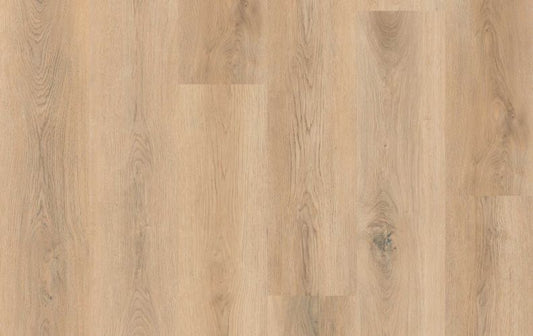

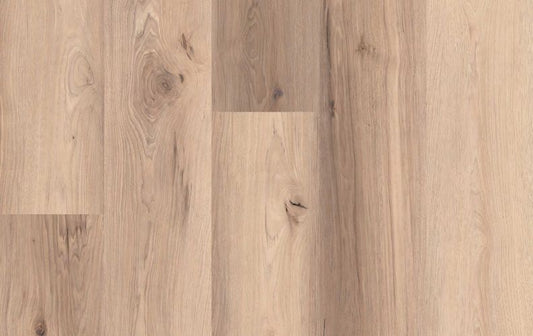

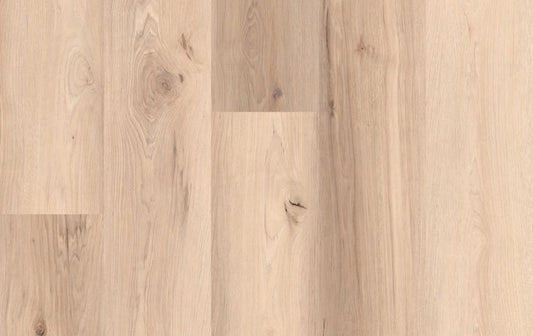

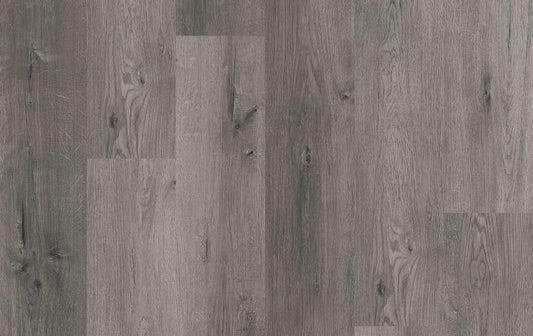

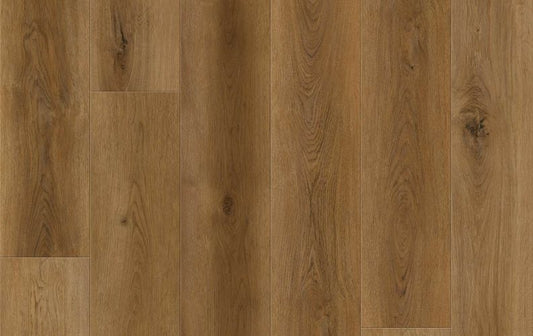

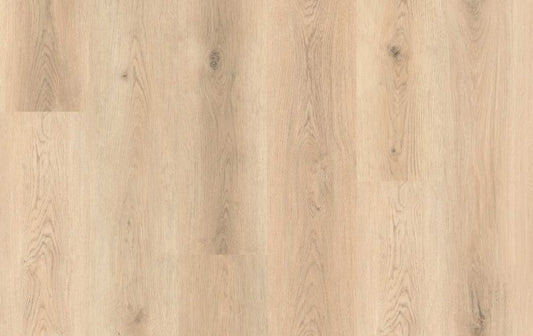

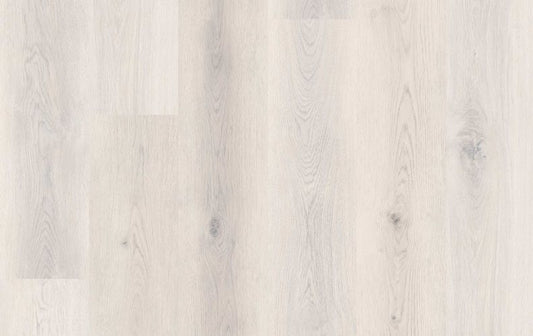

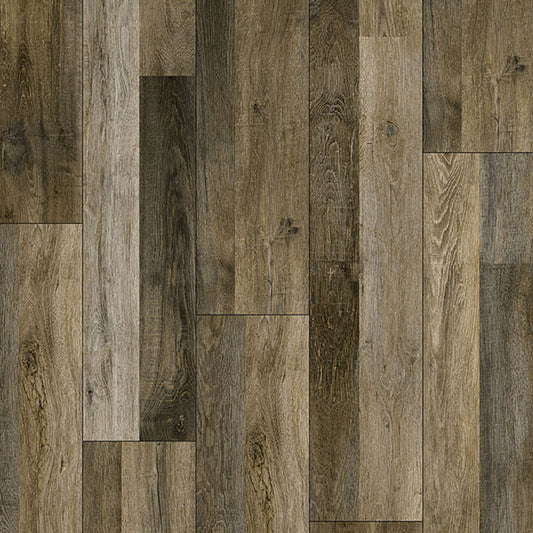

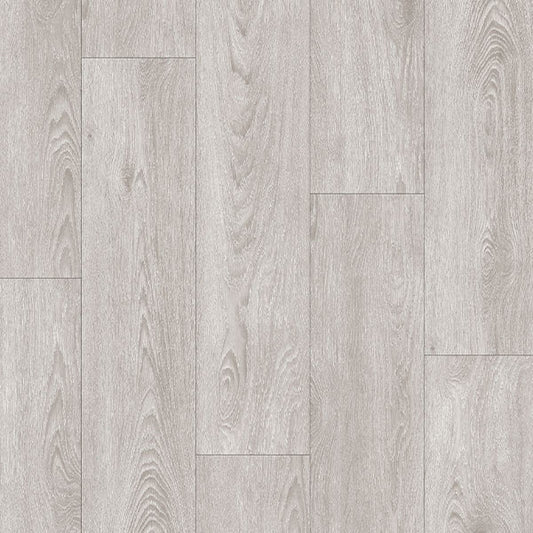

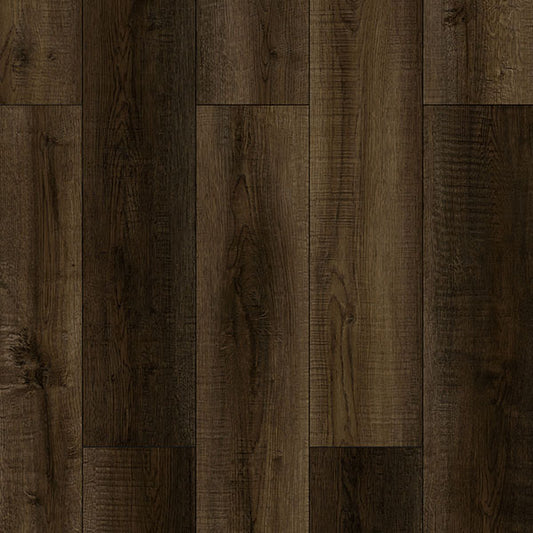

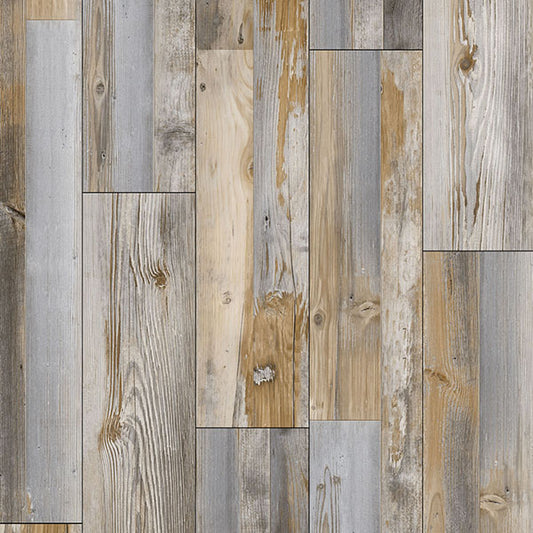

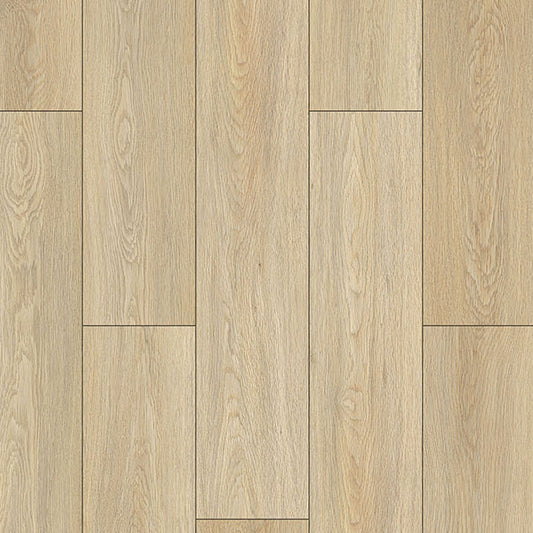

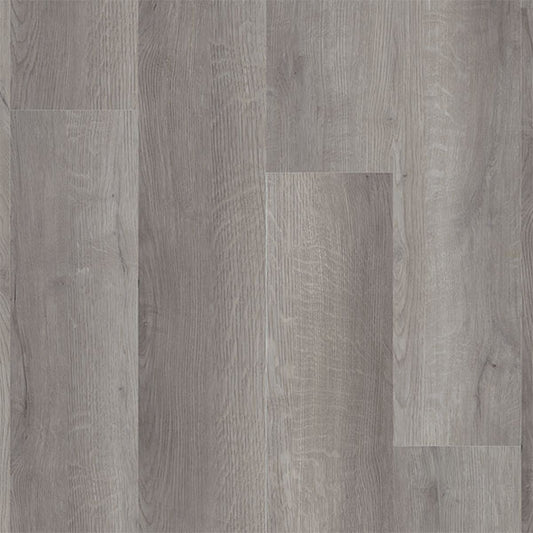
Commercial-Grade Glue-Down LVP for Durable Home Interiors
Explore commercial-grade glue-down LVP flooring designed for homeowners who want a durable, low-profile floor with realistic wood visuals and dependable everyday performance.
Unlike floating vinyl plank flooring, glue-down luxury vinyl plank is installed directly to the prepared subfloor using an approved flooring adhesive. This creates a secure installation with minimal movement, making glue-down LVP a practical choice for kitchens, living rooms, hallways, entryways, finished basements, home offices, and other frequently used areas.
Caspar Flooring Direct offers commercial-grade glue-down vinyl plank flooring in a variety of wood tones, plank sizes, surface textures, and wear-layer options, with nationwide residential delivery available across the United States.
What Is Commercial-Grade Glue-Down LVP?
Commercial-grade glue-down LVP is a flexible luxury vinyl plank flooring system installed directly to the subfloor with adhesive.
The term “commercial grade” generally refers to flooring designed with durable wear layers, protective finishes, and construction capable of handling frequent foot traffic.
Commercial-grade glue-down vinyl flooring may include:
- Durable wear layers
- Protective surface coatings
- Flexible vinyl plank construction
- Low-profile plank thickness
- Direct-bond adhesive installation
- Realistic wood-look visuals
- Easy cleaning and maintenance
- Residential and commercial warranty options
There is no single specification that makes every vinyl floor commercial grade. The wear layer, finish, adhesive, subfloor preparation, installation quality, and warranty all contribute to long-term performance.
How Is Glue-Down LVP Different From Floating Vinyl Flooring?
Glue-down LVP is attached directly to the subfloor with adhesive.
Floating flooring, by comparison, is connected using a locking system and rests over the subfloor without being fully bonded down.
Glue-down installation can offer several advantages:
- Minimal plank movement
- A low finished floor height
- Secure installation beneath regular foot traffic
- Easier replacement of individual damaged planks
- Smooth transitions between adjoining rooms
- Compatibility with large continuous areas
- A firm feel beneath the feet
Because the planks are flexible and directly bonded, the subfloor must be extremely smooth, clean, and properly prepared.
Glue-down LVP will not hide uneven areas, raised seams, cracks, adhesive residue, or debris beneath the flooring.
Why Choose Commercial-Grade LVP for a Home?
Commercial-grade LVP is not limited to shops or offices. Many homeowners choose it because they want durable vinyl flooring that can handle the busiest areas of everyday home life.
It may be a strong choice for:
- Active households
- Homes with children
- Homes with pets
- Kitchens
- Hallways
- Entryways
- Living rooms
- Home offices
- Finished basements
- Open-plan interiors
- Apartments and condominiums
Commercial-grade construction can provide extra reassurance in rooms exposed to regular traffic, furniture movement, spills, dirt, and repeated cleaning.
Despite its durable specifications, modern glue-down LVP can still create a warm and residential appearance through realistic oak grain, natural color variation, matte finishes, and beveled plank designs.
Benefits of Glue-Down Luxury Vinyl Plank Flooring
Secure direct-bond installation
The flooring is adhered directly to the subfloor, which helps reduce movement and shifting once the installation is complete.
Low-profile construction
Glue-down LVP is often thinner than rigid-core floating flooring. This can make it useful where door clearance, appliance height, existing flooring, or room transitions are important.
Realistic wood visuals
Modern luxury vinyl plank is available in light oak, natural oak, warm brown, gray, rustic, and contemporary wood-look styles.
Easy maintenance
Regular sweeping, vacuuming, and damp cleaning are typically sufficient for everyday care.
Individual plank replacement
A damaged glue-down plank may be removable and replaceable without dismantling an entire floating floor, although repairs should be completed carefully.
Strong performance in large rooms
Glue-down flooring can work well across larger connected areas because it is bonded directly to the subfloor rather than relying on floating-floor expansion.
Wear Layers in Commercial-Grade Glue-Down LVP
The wear layer is the clear protective surface positioned above the printed flooring design.
Common commercial-grade glue-down LVP wear layers may include:
- 12 mil
- 20 mil
- 22 mil
- Other manufacturer-specific specifications
A thicker wear layer provides more protective material above the decorative image. However, the wear layer should not be considered alone.
Also review:
- Surface finish
- Stain resistance
- Scratch resistance
- Total product thickness
- Adhesive requirements
- Residential warranty
- Approved room applications
- Manufacturer care instructions
A strong wear layer combined with correct installation and maintenance can help preserve the appearance of the flooring in frequently used rooms.
Best Rooms for Commercial-Grade Glue-Down LVP
Commercial-grade glue-down LVP can be suitable for many areas of a home when approved by the manufacturer.
Kitchens
Glue-down LVP provides an easy-to-clean wood-look surface that can handle everyday spills, chair movement, and frequent foot traffic.
Living rooms
The stable, bonded installation can create a firm and finished feel in central living spaces.
Hallways and entryways
These areas often experience shoes, grit, dirt, and repeated traffic. A durable wear layer and easy maintenance can make vinyl plank a practical choice.
Home offices
Glue-down flooring works well beneath desks, furniture, and office chairs when the floor is installed over a properly prepared surface.
Finished basements
Some glue-down LVP products are approved for below-grade installations over properly prepared concrete.
Bedrooms
Its low profile and realistic wood appearance can make glue-down LVP a practical alternative to carpet or hardwood.
Dining rooms
Vinyl plank can provide a durable surface beneath chairs and dining furniture while maintaining a warm residential appearance.
Is Glue-Down LVP Waterproof?
Many glue-down luxury vinyl planks are made from waterproof vinyl materials.
This means the plank itself does not absorb water in the same way as traditional hardwood or wood-based flooring.
However, a waterproof plank does not make the entire floor system waterproof.
Water may still:
- Reach the subfloor around the edges
- Affect certain flooring adhesives
- Enter through gaps or damaged areas
- Become trapped beneath the flooring
- Cause problems if the subfloor already contains moisture
Always use the correct adhesive and follow the manufacturer’s moisture-testing requirements.
Promptly clean spills and repair plumbing or moisture problems before installing flooring.
The Importance of Subfloor Preparation
Subfloor preparation is one of the most important parts of a successful glue-down LVP installation.
Because the flooring is flexible and bonded directly to the surface, imperfections beneath the plank may eventually become visible through the finished floor.
The subfloor should generally be:
- Clean
- Dry
- Smooth
- Flat
- Structurally sound
- Free from dust
- Free from paint and oil
- Free from old adhesive residue
- Within the manufacturer’s moisture limits
Cracks, holes, low areas, raised seams, and uneven sections may need to be patched or leveled before installation.
Installing glue-down LVP over a poorly prepared surface can cause:
- Visible bumps or depressions
- Loose planks
- Adhesive failure
- Gaps between planks
- Uneven edges
- Telegraphing of subfloor imperfections
- Premature flooring damage
Installing Glue-Down LVP Over Concrete
Many glue-down LVP products can be installed over concrete when the slab is correctly prepared.
Before installation, the concrete may need to be:
- Moisture tested
- Cleaned thoroughly
- Mechanically prepared
- Patched or skim-coated
- Leveled where necessary
- Free from curing compounds
- Free from sealers or contaminants
- Compatible with the selected adhesive
Moisture testing is particularly important because excessive moisture vapor can weaken the adhesive and cause the flooring to release.
Use only the flooring adhesive approved for the product and installation conditions.
Can Glue-Down LVP Be Installed Over Existing Flooring?
Some glue-down vinyl products may be installed over approved existing surfaces, but the base must be secure, smooth, clean, and compatible with the adhesive.
Possible surfaces may include:
- Properly prepared concrete
- Plywood
- Approved underlayment panels
- Selected sheet vinyl
- Certain existing hard-surface floors
Loose, cushioned, heavily textured, damaged, or uneven flooring should not simply be covered.
Grout lines, embossing, seams, and surface texture may show through the new flooring unless they are properly filled and smoothed.
Always review the manufacturer’s installation instructions before installing over an existing floor.
Full-Spread and Pressure-Sensitive Adhesives
Glue-down LVP may require a specific adhesive system depending on the product and installation.
Common options may include:
Pressure-sensitive adhesive
This adhesive is often allowed to become tacky before the planks are installed. It may allow easier repositioning or future plank replacement, depending on the product.
Wet-set adhesive
The flooring is placed while the adhesive is still wet. This can create a strong bond but may require greater installation precision.
Transitional adhesive
Some adhesives can be used in different installation methods depending on the required performance and open time.
The correct adhesive depends on:
- Flooring manufacturer
- Subfloor type
- Moisture conditions
- Room temperature
- Expected traffic
- Installation method
- Product warranty
Never select adhesive based only on price. The flooring and adhesive must be compatible.
Does Glue-Down LVP Need Underlayment?
Glue-down LVP is generally installed directly to a properly prepared subfloor and usually does not use soft foam underlayment.
Adding cushioning beneath a glue-down floor can interfere with the adhesive bond and create movement.
In some installations, a manufacturer-approved underlayment panel or preparation system may be used to create a smooth installation surface.
Always follow the flooring and adhesive instructions rather than adding a standard floating-floor pad.
Is Commercial-Grade Glue-Down LVP Good for Pets?
Yes. Glue-down luxury vinyl plank can be a practical choice for homes with dogs and cats.
Potential benefits include:
- Easy removal of pet hair
- Simple cleaning of spills
- Minimal plank movement
- Durable wear-layer options
- Water-resistant vinyl construction
- Individual plank replacement potential
No vinyl flooring is completely scratch-proof.
To protect the flooring:
- Keep pet nails trimmed
- Remove outdoor grit regularly
- Place mats near entrances
- Use protective mats beneath pet bowls
- Add felt pads beneath furniture
- Avoid dragging heavy objects
- Follow the manufacturer’s cleaning instructions
Textured and matte surfaces may make light marks, dust, and pet hair less noticeable than glossy finishes.
Is Glue-Down LVP Good for Kitchens?
Commercial-grade glue-down LVP can be an excellent option for kitchens.
The direct-bond installation creates a stable surface while the vinyl construction provides easy maintenance and resistance to everyday spills.
Before installation, consider:
- Subfloor moisture
- Appliance locations
- Cabinet installation
- Approved adhesive
- Room temperature
- Transition points
- Manufacturer warranty
Flooring should be installed according to the manufacturer’s instructions around cabinets, fixed islands, and appliances.
Is Glue-Down LVP Good for Basements?
Some glue-down LVP products are approved for use in finished basements.
Concrete moisture conditions must be tested before installation because excessive moisture can affect both the flooring adhesive and the finished floor.
Before installing in a basement:
- Confirm below-grade approval
- Test the concrete slab
- Repair cracks
- Correct uneven areas
- Use an approved moisture-control system if required
- Select compatible adhesive
- Follow room temperature requirements
Do not install glue-down LVP over an unresolved water or moisture problem.
Commercial-Grade LVP vs Click-Lock Vinyl Flooring
Glue-down and click-lock vinyl flooring use different installation systems.
Glue-down LVP may offer:
- A lower floor profile
- Minimal plank movement
- Strong performance in large continuous spaces
- Smooth room-to-room transitions
- Easier individual plank replacement
- A firm feel underfoot
Click-lock vinyl flooring may offer:
- Faster floating installation
- No flooring adhesive
- Attached-pad options
- Easier removal of the entire floor
- Greater tolerance of minor subfloor texture
Glue-down LVP generally requires more subfloor preparation and installation skill, while click-lock flooring may be more approachable for some do-it-yourself projects.
Commercial-Grade LVP vs Sheet Vinyl
Both products use resilient vinyl construction, but they create different finished appearances.
Glue-down LVP uses individual planks designed to imitate hardwood flooring.
Sheet vinyl is installed in larger rolls and may contain fewer seams.
Glue-down LVP may be preferable when you want:
- Realistic individual plank visuals
- Wood-look variation
- Replaceable planks
- Multiple plank sizes
- A more traditional hardwood appearance
Sheet vinyl may be preferable when minimizing seams is the main priority.
Commercial-Grade LVP vs Engineered Hardwood
Commercial-grade glue-down LVP uses a printed wood design beneath a protective surface.
Engineered hardwood uses a genuine wood veneer.
Glue-down LVP may be preferable when you prioritize:
- Easy maintenance
- Moisture resistance
- Consistent appearance
- Low-profile installation
- Pet-friendly cleaning
- Lower maintenance requirements
Engineered hardwood may be preferable when you prioritize:
- Real wood
- Natural grain variation
- Premium material value
- Authentic hardwood texture
The best choice depends on the room, household activity, maintenance preferences, and budget.
Choosing the Best Glue-Down LVP for Your Home
Before selecting flooring, compare the complete product.
Important specifications include:
- Wear-layer thickness
- Total plank thickness
- Surface finish
- Scratch resistance
- Stain resistance
- Plank width
- Plank length
- Bevel style
- Number of unique plank visuals
- Approved adhesive
- Subfloor requirements
- Residential warranty
- Approved room applications
Do not choose flooring based solely on the wear-layer number.
A well-made product installed over a properly prepared subfloor with the correct adhesive may outperform a thicker product installed incorrectly.
Choosing a Flooring Color
Commercial-grade glue-down LVP is available in a wide range of residential wood styles.
Light oak LVP
Light oak flooring can make rooms feel brighter, larger, and more open.
Natural oak LVP
Natural oak tones provide a versatile appearance that complements many cabinets, walls, and furniture styles.
Warm brown LVP
Warm brown flooring can create a traditional, welcoming atmosphere.
Dark wood-look LVP
Dark flooring can create contrast and depth but may show dust, footprints, and pet hair more easily.
Gray LVP
Gray flooring can work in contemporary interiors, although its undertones should coordinate with the surrounding finishes.
Always compare physical samples inside your home before making a final decision.
Plank Size and Pattern Variation
Plank dimensions can influence how the finished floor looks.
Wide-plank glue-down LVP can create a spacious and contemporary appearance.
Longer planks may reduce the number of visible end joints and create a more continuous visual.
The number of unique plank images is also important. More unique designs can help reduce obvious pattern repetition.
Compare:
- Plank width
- Plank length
- Grain pattern
- Shade variation
- Surface texture
- Bevel detail
- Number of unique visuals
Plan the plank layout before installation to distribute repeated patterns naturally.
Cleaning Commercial-Grade Glue-Down LVP
Routine maintenance is generally straightforward.
Recommended care may include:
- Sweeping regularly
- Vacuuming with a hard-floor setting
- Removing grit and debris
- Cleaning spills promptly
- Using a damp microfiber mop
- Using manufacturer-approved vinyl cleaner
- Placing mats near exterior doors
- Using protective furniture pads
Avoid:
- Steam mops unless approved
- Abrasive scrubbers
- Wax-based products
- Oil soaps
- Harsh chemicals
- Excess standing water
- Dragging furniture
- Rubber-backed mats unless approved
Always follow the product’s care and warranty instructions.
Measuring for Glue-Down Vinyl Plank Flooring
Measure the length and width of each room and calculate the total square footage.
Add additional flooring for:
- Cuts
- Waste
- Closets
- Irregular walls
- Pattern selection
- Damaged planks
- Future repairs
Many standard installations require approximately 7% to 10% extra flooring.
Rooms with diagonal layouts, many corners, or several connected areas may require more.
Always round up to complete cartons.
Order Flooring Samples Before Purchasing
Flooring colors can look different online than they do inside a home.
Physical samples allow you to compare:
- Color
- Undertones
- Wood grain
- Surface texture
- Finish level
- Bevel design
- Appearance beside cabinets
- Compatibility with furniture
- Daytime and evening lighting
Move samples around the room and view them under several lighting conditions before making your final selection.
Nationwide Residential Flooring Delivery
Caspar Flooring Direct offers residential delivery across the United States.
The delivery method may depend on the product, order size, shipment weight, destination, and accessibility of the home.
Before delivery:
- Confirm the product and quantity
- Review delivery instructions
- Prepare space for the cartons
- Ensure someone is available to receive the order
- Inspect the shipment for visible damage
- Verify the flooring color and style
- Store the flooring according to manufacturer instructions
Do not begin installation until the product, quantity, lot information, and condition have been checked.
Frequently Asked Questions About Commercial-Grade Glue-Down LVP
Is commercial-grade LVP suitable for a home?
Yes. It can be a strong choice for busy homes, kitchens, hallways, entryways, pets, children, and frequently used living spaces.
Does commercial-grade LVP have to be glued down?
This collection contains glue-down LVP, so the flooring is installed with an approved adhesive rather than a floating click-lock system.
Is glue-down LVP waterproof?
Many glue-down LVP products use waterproof vinyl materials, but the entire installed floor is not automatically waterproof. Product and adhesive requirements vary.
Does glue-down LVP need underlayment?
Usually not. Glue-down LVP is typically adhered directly to a smooth, prepared subfloor. Follow the manufacturer’s installation instructions.
Can glue-down LVP be installed over concrete?
Yes, many products can be installed over properly prepared concrete. Moisture testing, surface preparation, and compatible adhesive are essential.
Is glue-down LVP good for pets?
Yes. It is easy to clean, offers durable wear-layer options, and has minimal plank movement. However, no flooring is completely scratch-proof.
Is glue-down LVP better than click-lock flooring?
Neither system is always better. Glue-down LVP offers a low profile and stable installation, while click-lock flooring may be faster to install and easier to remove.
Can glue-down LVP be installed in a kitchen?
Many products are suitable for kitchens. Review the product specifications, adhesive requirements, and installation instructions.
Can individual glue-down planks be replaced?
In many cases, a damaged plank can be removed and replaced. The repair process depends on the adhesive and flooring construction.
How smooth does the subfloor need to be?
Very smooth. Flexible glue-down flooring can reveal bumps, seams, cracks, and other imperfections beneath the surface.
How much extra flooring should I order?
Approximately 7% to 10% extra is common for straightforward installations. More may be required for complex layouts.
Should I order a sample before buying?
Yes. A physical sample helps you evaluate the true color, texture, finish, and undertones inside your home.
Compare Related Flooring Options
For a broader business project comparison, explore commercial flooring. Compare selected vinyl and laminate options against permitted use, traffic, furniture, maintenance and installation requirements.
Continue shopping in Commercial Laminate Flooring.
For projects specifying a loose lay installation system, explore commercial loose lay vinyl flooring. Review samples and the exact product details before ordering.
Explore related flooring
Browse related flooring collections, brands and styles before making your final choice.