
Collection: Best Flooring for Sunrooms
Shop the best flooring for sunrooms in durable, easy-clean, and sunlight-conscious wood-look styles. Explore vinyl plank, waterproof laminate, and engineered hardwood options for bright rooms, enclosed porches, pets, plants, and everyday living.
-
Lions Floor Lone Star Spirit Odessa Palm - 20mil 6mm 7x72 SPC Vinyl Plank
Vendor:Lions Floor$3.39 / sq. ft. $72.20 per carton · 21.27 sq. ft. / carton6.0mm20mil7x72 -
Comfort Heights - River Walk | AC4 12mm 9.25x60 Laminate | Lions Floor
Vendor:Lions Floor$3.49 / sq. ft. $66.90 per carton · 19.16 sq. ft. / carton12.0mm9 1/4 x 5' -
Lions Floor Lone Star Spirit More Mesa - 20mil 6mm 7x72 SPC Vinyl Plank
Vendor:Lions Floor$3.39 / sq. ft. $72.20 per carton · 21.27 sq. ft. / carton6.0mm20mil7x72 -
Indoor Delight Castle Forge 20mil 6.5mm 9x72 SPC Vinyl Plank | Lions Floor
Vendor:Lions Floor$3.99 / sq. ft. $90.30 per carton · 22.65 sq. ft. / carton6.5mm20mil9x72 -
Indoor Delight Forest Timber 20mil 6.5mm 9x72 SPC Vinyl Plank | Lions Floor
Vendor:Lions Floor$3.99 / sq. ft. $90.30 per carton · 22.65 sq. ft. / carton6.5mm20mil9x72 -
Indoor Delight Woodland Charm 20mil 6.5mm 9x72 SPC Vinyl Plank | Lions Floor
Vendor:Lions Floor$3.99 / sq. ft. $90.30 per carton · 22.65 sq. ft. / carton6.5mm20mil9x72 -
Comfort Heights - Maple Gardens | AC4 12mm 9.25x60 Laminate | Lions Floor
Vendor:Lions Floor$3.49 / sq. ft. $66.90 per carton · 19.16 sq. ft. / carton12.0mm9 1/4 x 5' -
Indoor Delight Homewood Waltz 20mil 6.5mm 9x72 SPC Vinyl Plank | Lions Floor
Vendor:Lions Floor$3.99 / sq. ft. $90.30 per carton · 22.65 sq. ft. / carton6.5mm20mil9x72 -
Comfort Heights - Baywood Place | AC4 12mm 9.25x60 Laminate | Lions Floor
Vendor:Lions Floor$3.49 / sq. ft. $66.90 per carton · 19.16 sq. ft. / carton12.0mm9 1/4 x 5' -
Comfort Heights - Village Park | AC4 12mm 9.25x60 Laminate | Lions Floor
Vendor:Lions Floor$3.49 / sq. ft. $66.90 per carton · 19.16 sq. ft. / carton12.0mm9 1/4 x 5' -
New World II - Pennsylvania | 20mil 6.5mm 9×60 Waterproof SPC Vinyl Plank | Aperion
Vendor:Aperion$3.73 / sq. ft. $84.00 per carton · 22.5 sq. ft. / carton6.5mm20mil9x60 -
Lone Star Spirit XL Sea Shell 20mil 6.5mm 9x72 SPC Vinyl Plank
Vendor:Lions Floor$3.99 / sq. ft. $90.30 per carton · 22.65 sq. ft. / carton6.5mm20mil9x72 -
Lions Reservation Sunset Plateau 20mil 6mm 7x60 SPC Vinyl Plank | Lions Floor
Vendor:Lions Floor$3.19 / sq. ft. $76.20 per carton · 23.88 sq. ft. / carton6.0mm20mil7x60 -
Lone Star Spirit XL Artisan Touch 20mil 6.5mm 9x72 SPC Vinyl Plank
Vendor:Lions Floor$3.99 / sq. ft. $90.30 per carton · 22.65 sq. ft. / carton6.5mm20mil9x72 -
Haven Heights Parkside Lane AC3 10mm 9.25x60 Laminate (Pad Attached)
Vendor:Lions Floor$2.99 / sq. ft. $92.30 per carton · 30.92 sq. ft. / carton10.0mm12mil9 1/4 x 60 -
Bear Woods - Bianco Romano | 12mm AC5 Waterproof Laminate Flooring | 9” x 72” Extra Long Planks
Vendor:Republic Floors$4.09 / sq. ft. $94.80 per carton · 23.19 sq. ft. / carton12.0mm9x72

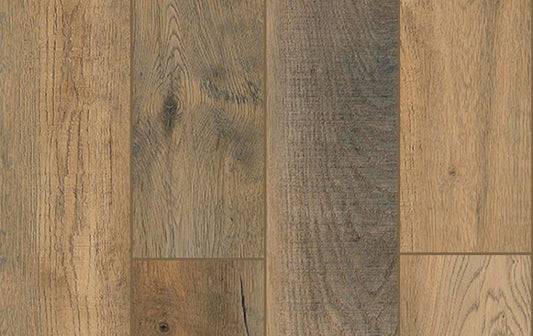

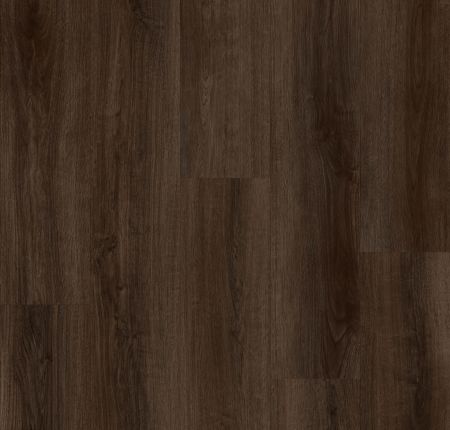

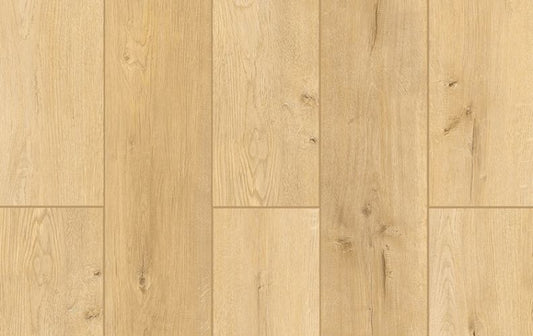
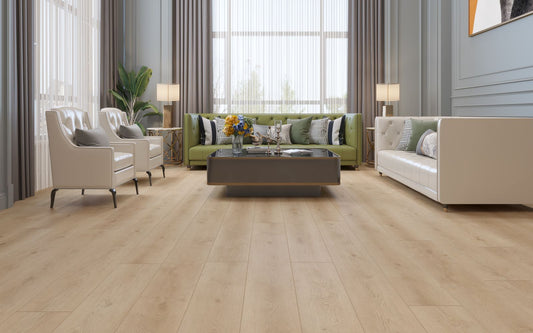
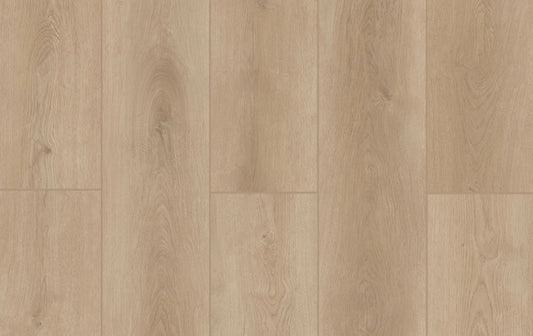
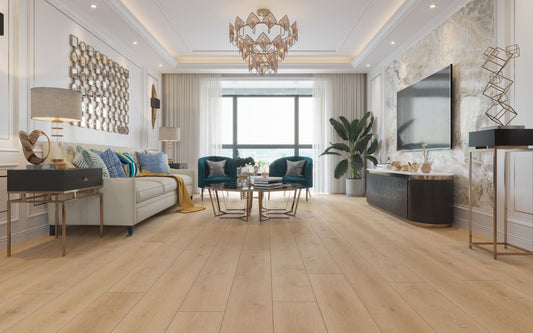
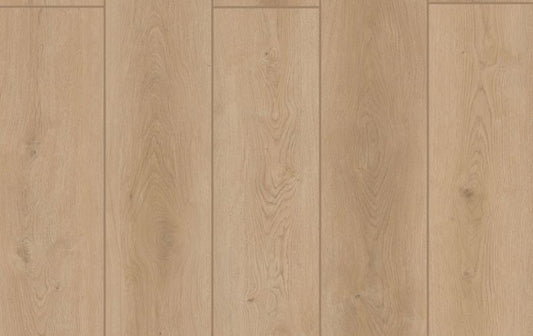
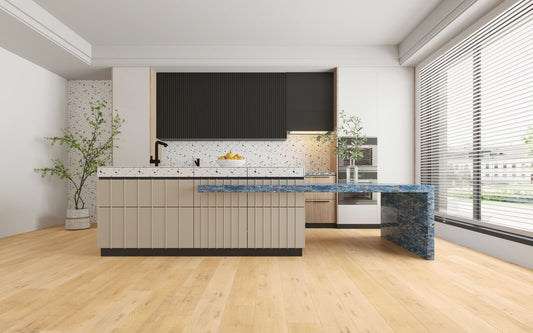
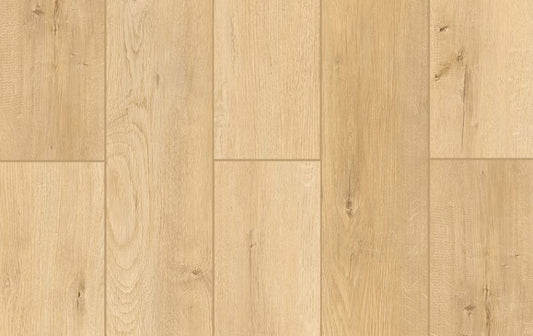
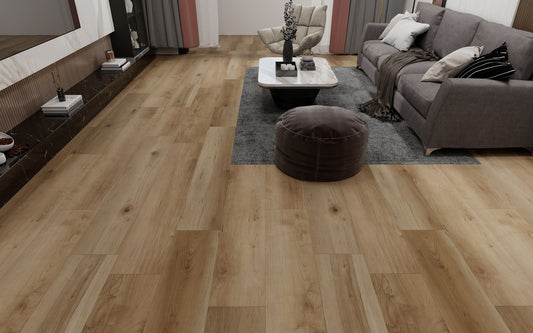
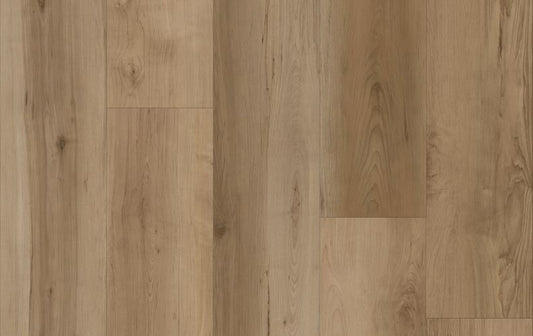
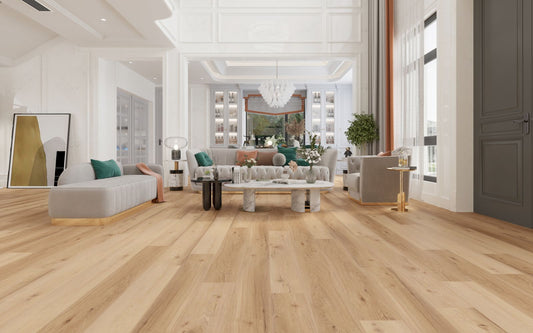
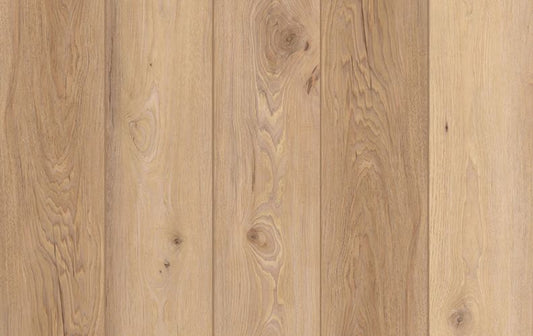
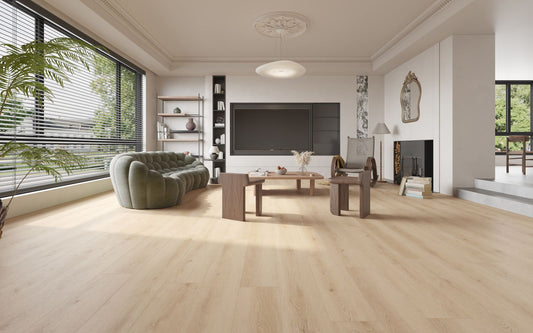
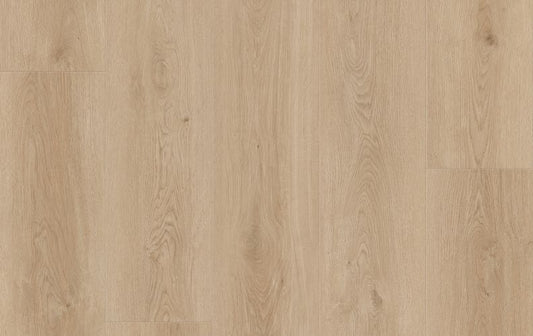
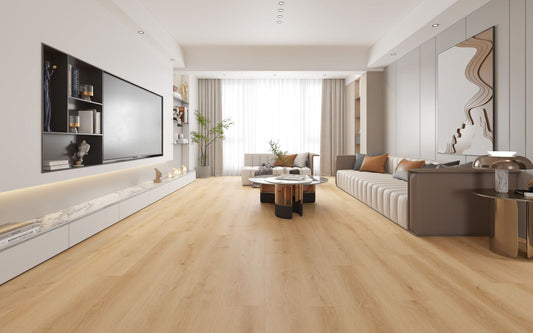
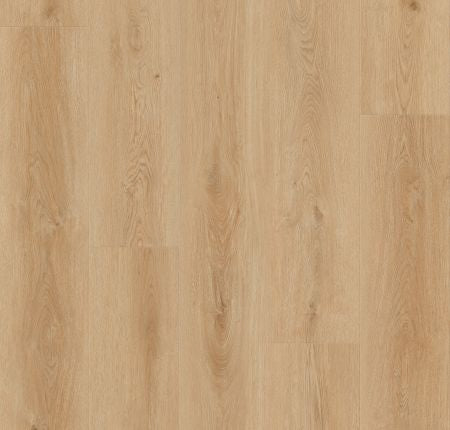
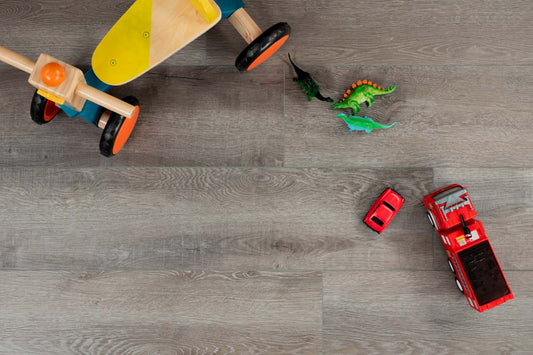
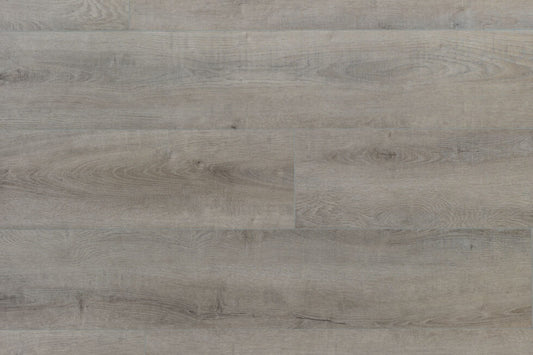
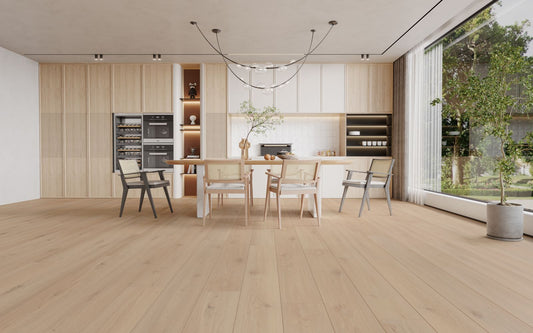
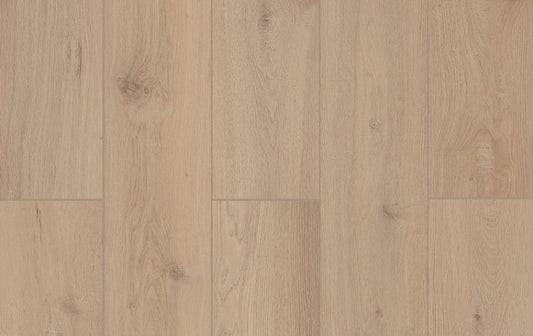
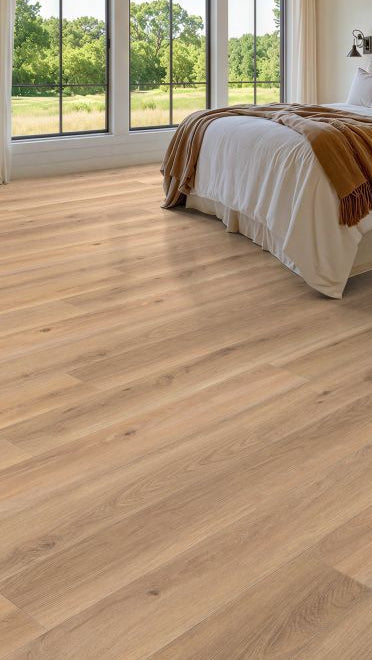
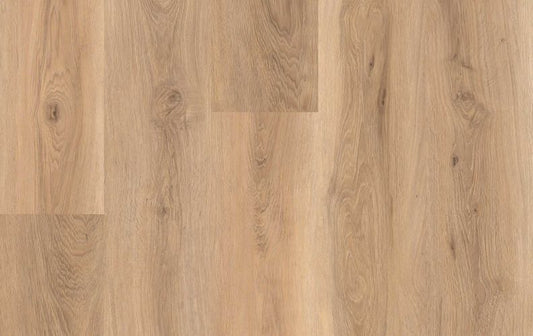

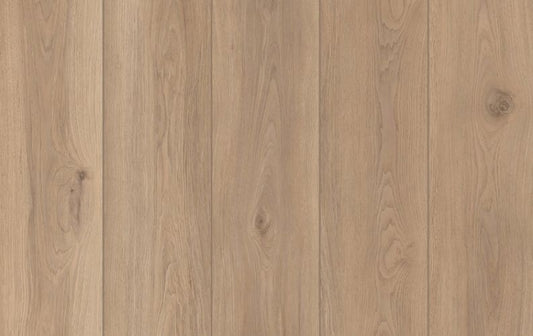
Best Flooring for Sunrooms
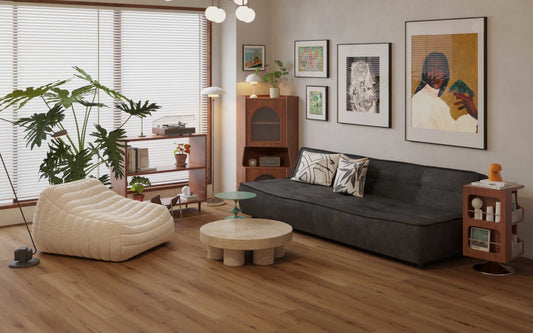
The best flooring for a sunroom should account for sunlight, temperature changes, moisture, plants, pets, and the room’s level of climate control.
Sunrooms may experience:
- Strong direct sunlight
- Elevated daytime temperatures
- Cooler nighttime temperatures
- Condensation
- Water from plants
- Muddy shoes
- Pet traffic
- Furniture movement
- Greater UV exposure than other rooms
The correct floor depends heavily on whether the sunroom is fully climate controlled.
Is the Sunroom Climate Controlled?
This is the first question to answer.
A climate-controlled sunroom generally remains within the flooring manufacturer’s permitted temperature and humidity range throughout the year.
An unconditioned sunroom may experience:
- Extreme summer heat
- Freezing winter temperatures
- Rapid temperature changes
- High humidity
- Condensation
Many residential flooring products are not approved for unconditioned spaces.
Vinyl Plank Flooring for Sunrooms
Selected vinyl plank products may suit climate-controlled sunrooms.
Potential benefits include:
- Waterproof plank materials
- Easy cleaning
- Realistic wood visuals
- Pet-friendly performance
- Broad color selection
- Click-lock or glue-down installation
Review temperature, sunlight, and expansion requirements before installation.
SPC Flooring for Sunrooms
SPC uses a dense rigid core and may provide strong dimensional stability.
Potential advantages include:
- Firm underfoot performance
- Waterproof core materials
- Strong click-lock construction
- Attached backing on selected products
- Easy routine maintenance
- Realistic wood textures
SPC should not automatically be assumed suitable for extreme heat or freezing conditions.
Waterproof Laminate for Sunrooms
Selected laminate may work in fully conditioned sunrooms.
Potential benefits include:
- Strong scratch resistance
- Detailed wood texture
- AC4 or AC5 ratings
- Matte finishes
- Thick plank construction
- Waterproof products where verified
Review sunlight, temperature, humidity, and moisture restrictions carefully.
Engineered Hardwood for Sunrooms
Engineered hardwood may provide a premium natural-wood appearance.
Potential benefits include:
- Real wood surface
- Natural color variation
- Premium underfoot feel
- Wide-plank options
- Refinishability on selected products
Potential concerns include:
- UV color change
- Moisture sensitivity
- Temperature variation
- Expansion and contraction
- Plant-water spills
Only use engineered hardwood approved for the specific environment.
Best Flooring for Three-Season Sunrooms
Three-season rooms may not remain within standard indoor temperature ranges.
Before selecting flooring, confirm:
- Lowest expected temperature
- Highest expected temperature
- Humidity range
- Direct-sunlight exposure
- Water exposure
- Manufacturer approval
Outdoor-rated or specialty products may be necessary where residential flooring is not approved.
Best Flooring for Four-Season Sunrooms
A four-season sunroom is generally heated and cooled like the rest of the home.
This may allow the use of:
- SPC
- Click-lock vinyl
- Glue-down LVP
- Waterproof laminate
- Engineered hardwood
The space must still remain within manufacturer environmental limits.
Does Sunlight Fade Flooring?
Prolonged UV exposure may change the appearance of many flooring materials.
Possible effects include:
- Fading
- Yellowing
- Darkening
- Uneven color change
- Rug outlines
- Furniture shadows
No indoor flooring should automatically be described as fade-proof.
Best Flooring Colors for Sunrooms
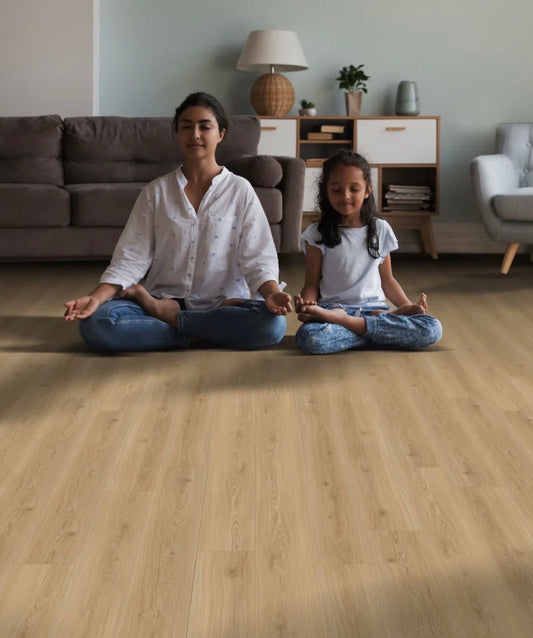
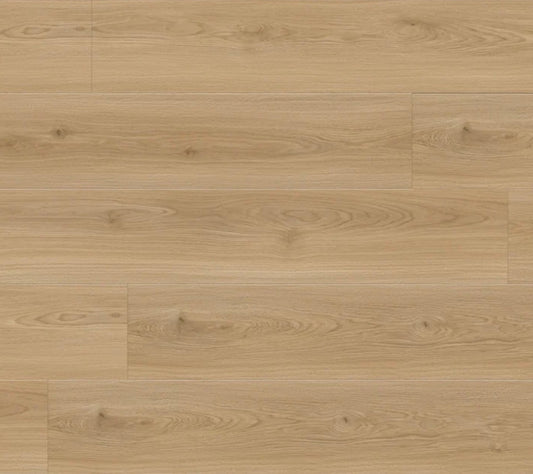
Light and medium colors may work especially well in bright rooms.
Consider:
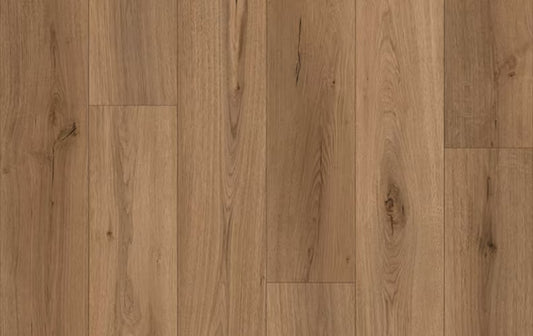
- Natural oak
- Light oak
- Warm beige
- Soft greige
- Weathered wood
- Medium natural brown
- Pale walnut
Very dark floors may become visually hot and show dust or footprints more easily.
Matte Flooring for Sunrooms
Matte and low-gloss finishes may reduce:
- Glare
- Visible footprints
- Reflections
- Paw marks
- Cleaning streaks
Highly glossy floors may reflect strong sunlight and show marks more clearly.
Flooring Under Sunroom Plants
Water from plants can affect flooring around pots and stands.
Use:
- Waterproof plant trays
- Raised plant stands
- Flooring-safe protective mats
- Prompt spill cleanup
Lift trays regularly to check for trapped moisture or discoloration.
Sunroom Flooring for Pets
Pet-friendly sunroom flooring may benefit from:
- Waterproof construction
- Durable wear protection
- Textured surfaces
- Matte finishes
- Easy-clean materials
- Medium-tone colors
Sunrooms often become popular resting spaces for pets, increasing hair and claw traffic.
Window Treatments and UV Exposure
Blinds, shades, curtains, and UV-filtering window treatments may help reduce direct exposure.
Rotating rugs and furniture may also reduce uneven color change.
Use rug pads approved for the selected flooring.
Sunroom Flooring Over Concrete
Many sunrooms are built over concrete slabs.
The slab should be:
- Moisture tested
- Flat
- Clean
- Structurally sound
- Free from active leaks
- Within manufacturer tolerances
- Used with required vapor protection
Condensation and slab moisture should be addressed before installation.
Frequently Asked Questions
What flooring is best for a sunroom?
SPC, vinyl plank, waterproof laminate, and engineered hardwood may work in climate-controlled sunrooms.
Can vinyl plank be used in an unheated sunroom?
Only when the product is approved for the expected temperature range.
Does sunlight damage vinyl flooring?
Long-term UV exposure may cause fading or color change.
Is laminate suitable for a sunroom?
Selected products may work in climate-controlled spaces when moisture and temperature requirements are followed.
What color flooring works best in a bright sunroom?
Natural oak, warm beige, light greige, and medium wood tones are practical choices.
Can flooring go beneath plant pots?
Yes, but use waterproof trays and clean trapped moisture promptly.
Should I order samples?Yes. View samples in direct daylight and at different times of day.
Explore related options in Waterproof Vinyl Flooring, Waterproof Laminate Flooring, SPC Vinyl Plank Flooring, and WPC Vinyl.
Explore related flooring
Browse related flooring collections, brands and styles before making your final choice.