
Collection: Best Flooring for Hallways
Shop the best flooring for hallways in durable, scratch-resistant, waterproof, and easy-clean wood-look styles. Explore vinyl plank, SPC, and waterproof laminate designed for heavy foot traffic, pets, shoes, furniture movement, and busy family homes.
-
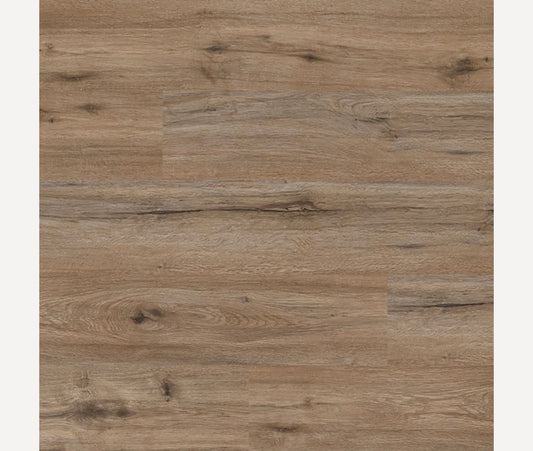
Seaside Summit Sunshine Sparkle 30mil 10mm 9.5x84 WPC Vinyl Plank
Vendor:Lions Floor$4.39 / sq. ft. $142.30 per carton · 32.41 sq. ft. / carton10.0mm30mil9.5x84 -
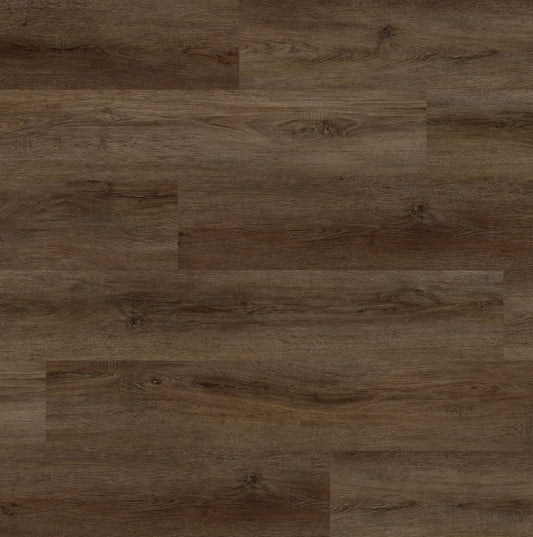
Wayne Parc Elwood 22mil 10mm 9x60 WPC Vinyl Plank | MSI
Vendor:MSI Everlife$4.01 / sq. ft. $90.05 per carton · 22.465 sq. ft. / carton10.0mm22mil9x60 -
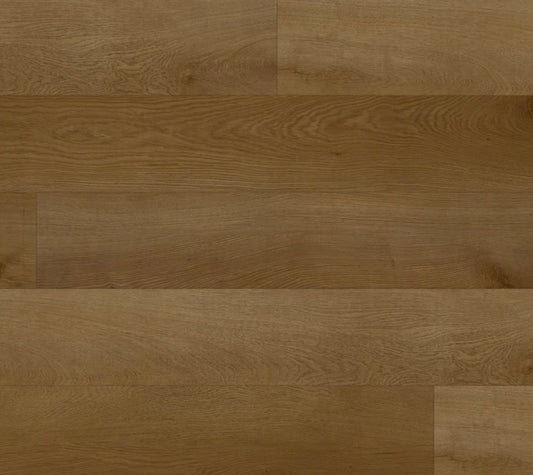
Alpine - Sahara Oak | 22mil 5mm 7x48 SPC Vinyl Plank | NextGen Surfaces
Vendor:NextGen$2.99 / sq. ft. $71.50 per carton · 23.95 sq. ft. / carton5.0mm22mil7x48 -
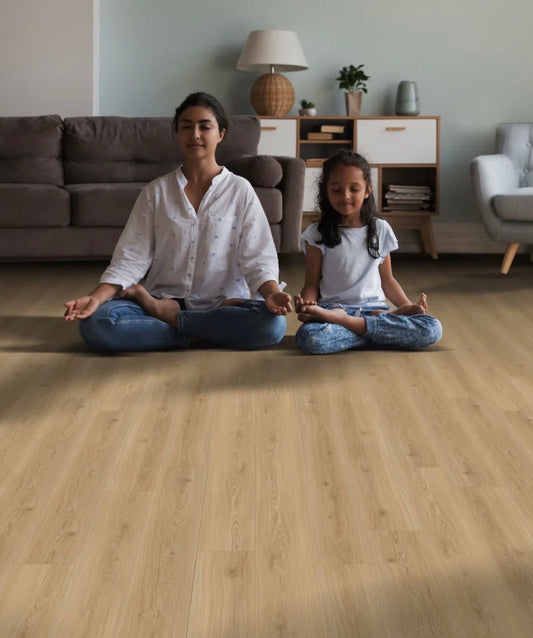
Alpine - Bruno Oak | 22mil 5mm 7x48 SPC Vinyl Plank | NextGen Surfaces
Vendor:NextGen$2.99 / sq. ft. $71.50 per carton · 23.95 sq. ft. / carton5.0mm22mil7x48 -
Bridge River - Magma Bordeaux | 28mil 8mm 9x72 SPC Vinyl Plank | Republic Floor
Vendor:Republic Floors$3.99 / sq. ft. $89.60 per carton · 22.45 sq. ft. / carton8.0mm28mil9x72Sale -
Bear Woods - Bianco Romano | 12mm AC5 Waterproof Laminate Flooring | 9” x 72” Extra Long Planks
Vendor:Republic Floors$4.09 / sq. ft. $94.80 per carton · 23.19 sq. ft. / carton12.0mm9x72 -
Seaside Summit Seashell radiance 30mil 10mm 9.5x84 WPC Vinyl Plank
Vendor:Lions FloorRegular price From $0.00 USDRegular priceUnit price $4.39/ft² -
Revival Haven 30 mil 12mm 9X60 WPC | United Weavers / Caspar Flooring Direct
Vendor:United Weavers$5.49 / sq. ft. $79.80 per carton · 14.54 sq. ft. / carton12.0mm30mil9x60 -
Revival Realm 30 mil 12mm 9X60 WPC | United Weavers / Caspar Flooring Direct
Vendor:United Weavers$5.49 / sq. ft. $79.80 per carton · 14.54 sq. ft. / carton12.0mm30mil9x60 -
VaccuBond LVT ROBUSTO Heavy Commercial 22mil 3mm 9x48
Vendor:VaccuBond LVT$5.33 / sq. ft. $160.00 per carton · 30.0 sq. ft. / carton3.0mm22mil9x48 -
VaccuBond LVT Heavy Commercial Granite Grey 22mil 3mm 9x48
Vendor:VaccuBond LVT$5.33 / sq. ft. $160.00 per carton · 30.0 sq. ft. / carton3.0mm22mil9x48 -
VaccuBond LVT Heavy Commercial Rustic Olive 22mil 3mm 9x48
Vendor:VaccuBond LVT$5.33 / sq. ft. $160.00 per carton · 30.0 sq. ft. / carton3.0mm22mil9x48 -
United Weavers Heritage Artisan - 22mil 10mm 9x60 Waterproof WPC Vinyl Plank flooring
Vendor:United Weavers$4.49 / sq. ft. $65.31 per carton · 14.53 sq. ft. / carton10.0mm22mil9x60 -
Savannah Explorer 22mil 6.5mm 7x48 Vinyl Plank SPC
Vendor:Infinity Floor$4.20 / sq. ft. $100.29 per carton · 23.896 sq. ft. / carton6.5mm22mil7x48 -
Savannah Haven 22mil 6.5mm 7x48 Vinyl Plank SPC
Vendor:Infinity Floor$4.20 / sq. ft. $100.29 per carton · 23.896 sq. ft. / carton6.5mm22mil7x48 -
Saint Augustine - Albany 22mil 7.5mm 9x60 SPC Vinyl Plank | United Weavers
Vendor:United Weavers$3.79 / sq. ft. $84.90 per carton · 22.39 sq. ft. / carton7.5mm22mil9x60
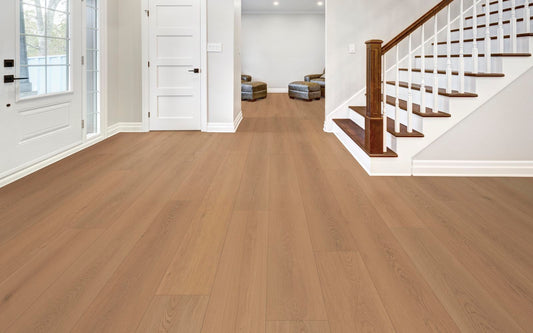
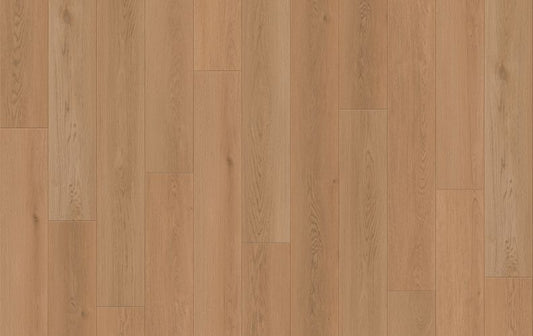
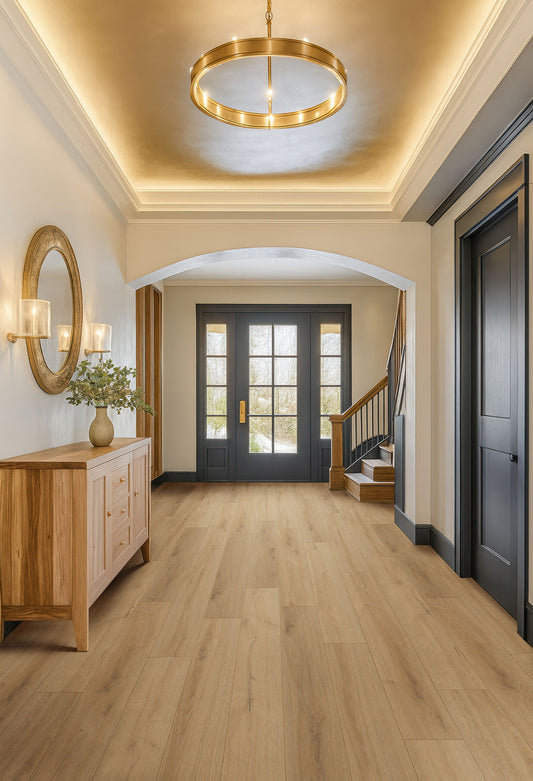
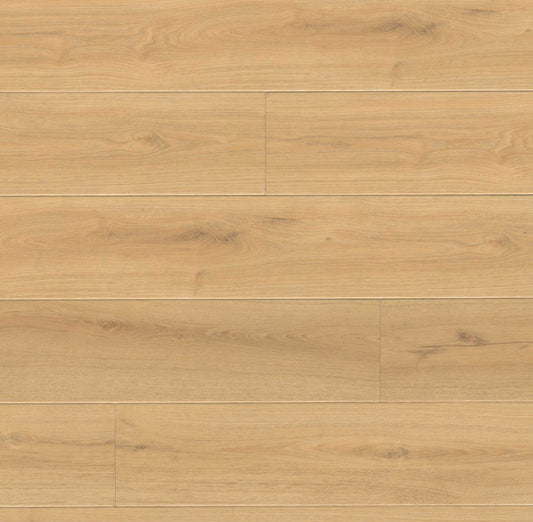



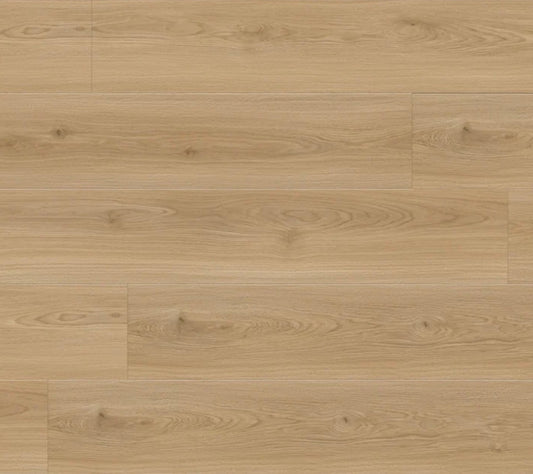

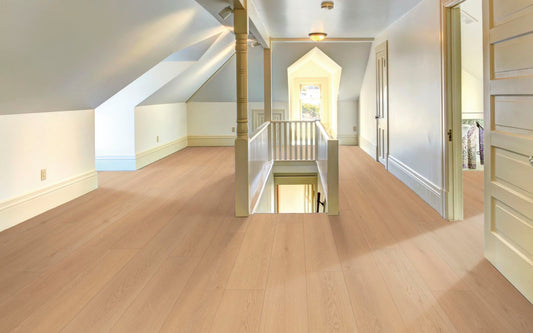
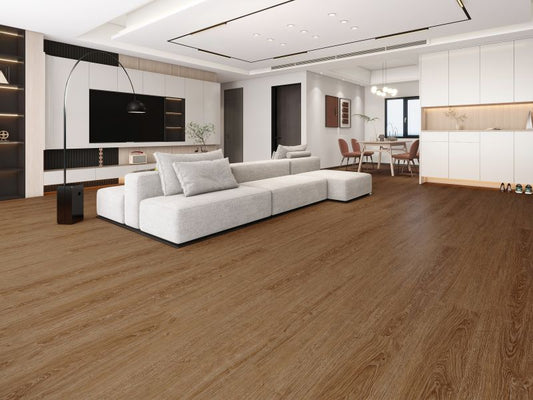
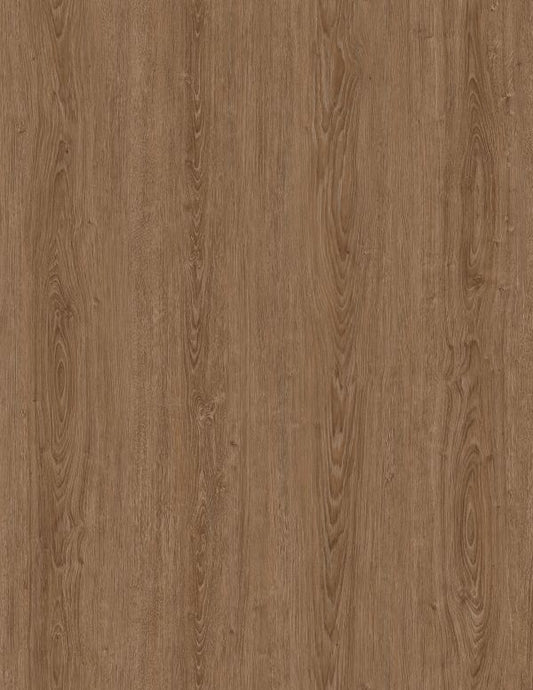
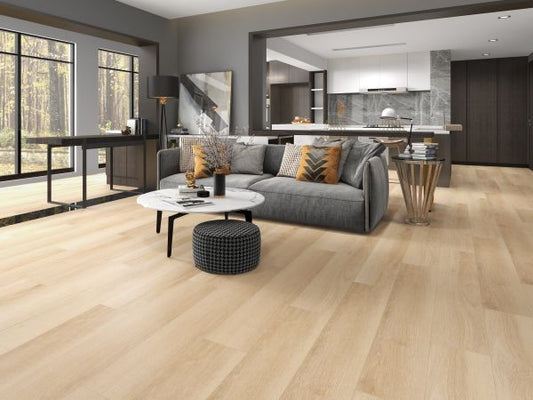
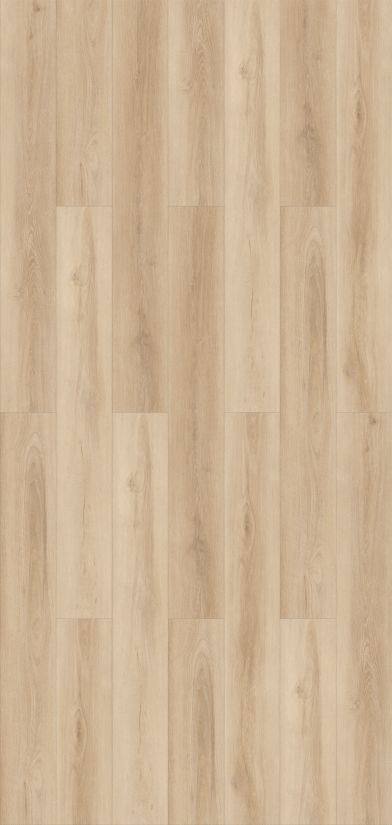


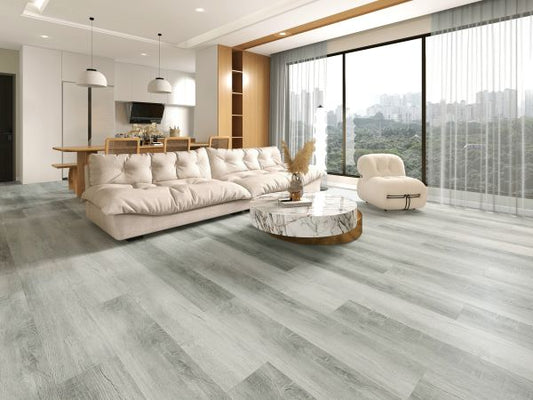
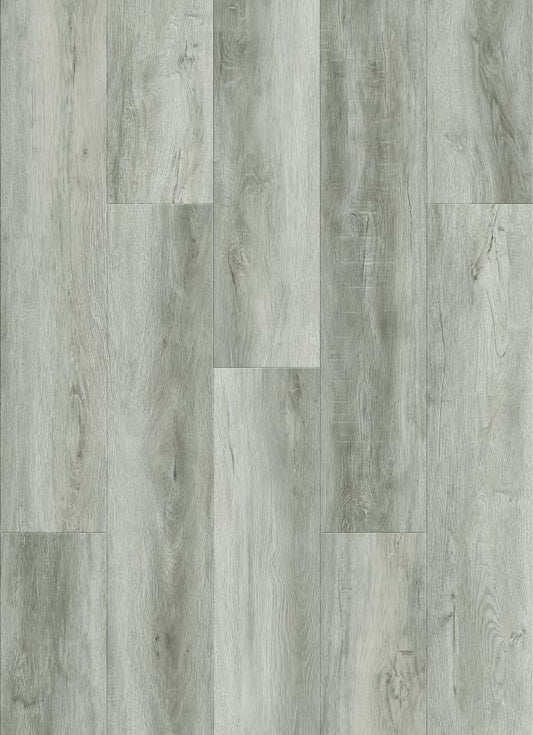
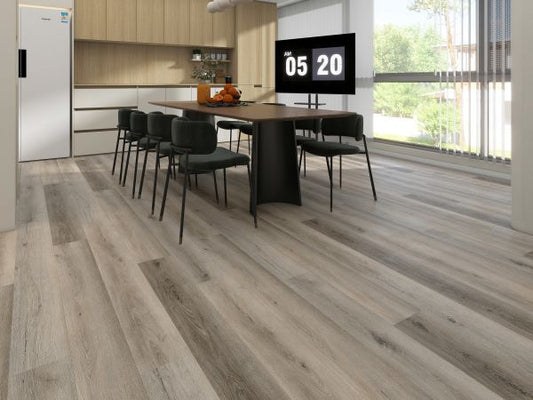

Best Flooring for Hallways
Hallways experience concentrated and repetitive traffic because they connect bedrooms, kitchens, living rooms, entrances, and stairways.
Hallway flooring may need to handle:
- Shoes
- Pets
- Children
- Furniture movement
- Rolling luggage
- Vacuum cleaners
- Dirt and grit
- Wet footprints
- Repetitive turning
- Frequent cleaning
Waterproof vinyl plank, SPC, and durable laminate are among the most practical wood-look options.
What Flooring Is Best for a Hallway?
A strong hallway floor should provide:
- Durable surface protection
- Scratch resistance
- Easy maintenance
- Secure joints
- Suitable traction
- Stable installation
- Broad residential approval
- A practical color and finish
The best choice depends on whether the hallway connects to an entrance, kitchen, bathroom, or staircase.
Vinyl Plank Flooring for Hallways
Vinyl plank may provide:
- Waterproof plank materials
- Easy cleaning
- Realistic wood styling
- Click-lock or glue-down installation
- Broad color selection
- Strong residential wear layers
- Pet-friendly performance
Textured matte finishes may help conceal footprints and minor marks.
SPC Flooring for Hallways
SPC uses a dense rigid core.
Potential advantages include:
- Strong dimensional stability
- Firm underfoot performance
- Waterproof construction
- Click-lock installation
- Attached backing on selected products
- Easy routine maintenance
- Realistic wood textures
Correct subfloor flatness remains essential.
Waterproof Laminate for Hallways
Selected waterproof laminate may provide:
- Strong scratch resistance
- Detailed wood texture
- AC4 or AC5 abrasion ratings
- Thick plank construction
- Matte finishes
- Protected locking joints
Laminate may be particularly attractive where scratch resistance is a major priority.
Vinyl vs Laminate for Hallways
Vinyl may offer:
- Greater moisture tolerance
- Easier cleanup after wet shoes
- More glue-down options
- Broad concrete compatibility
- Quieter performance in some constructions
Laminate may offer:
- Strong scratch resistance
- High AC abrasion ratings
- Realistic surface texture
- Firm underfoot feel
- Thick plank options
The best choice depends on moisture exposure and expected traffic.
Best Wear Layer for Hallways
Hallways typically benefit from stronger wear protection.
Potential options include:
- 20 mil vinyl for busy residential hallways
- 22 mil vinyl for heavier traffic
- 28 mil or 30 mil for demanding rentals
- Commercial LVT for multifamily or intensive use
Wear-layer thickness does not make flooring scratch-proof.
Best Laminate Rating for Hallways
AC4 laminate may suit demanding residential hallways.
AC5 may appeal to:
- Large families
- Several pets
- Rental properties
- Multifamily interiors
- Busy entrances
- Heavy household traffic
Waterproof status must be verified separately.
Hallway Flooring for Dogs
Dog-friendly hallway flooring should account for:
- Claw pressure
- Sudden turns
- Running
- Pet hair
- Wet paws
- Repetitive traffic
Prioritize:
- Matte textured surfaces
- Strong wear protection
- Secure locking joints
- Waterproof materials
- Medium-tone colors
- Natural grain variation
Best Hallway Flooring Colors
Practical choices include:
- Natural oak
- Warm greige
- Medium brown
- Weathered wood
- Smoked oak
- Multi-tonal beige
- Varied walnut
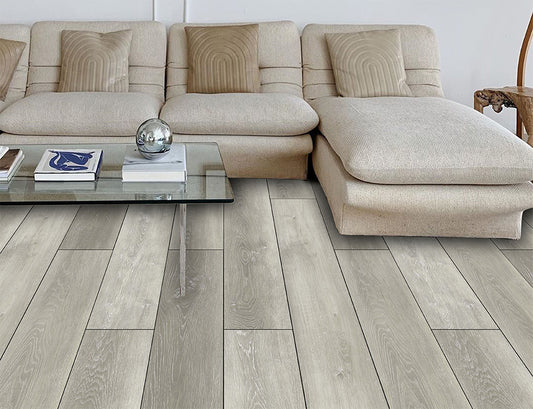
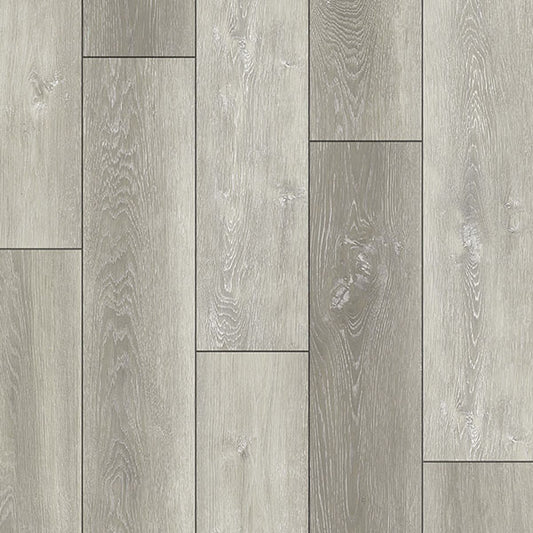
Medium colors often conceal dust, pet hair, and minor marks better than very pale or very dark floors.
Light Flooring in Narrow Hallways
Light flooring may help a narrow hallway feel:
- Wider
- Brighter
- More open
- Less enclosed
- Better connected to adjoining rooms
Consider:
- Light natural oak
- White oak
- Warm beige
- Soft greige
- Medium-light wood
Dark Flooring in Hallways
Dark flooring can create a dramatic appearance but may:
- Make narrow spaces feel smaller
- Show dust
- Show pale pet hair
- Reveal footprints
- Require more frequent cleaning
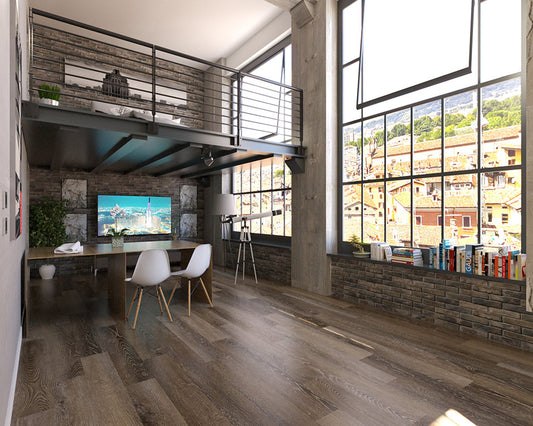
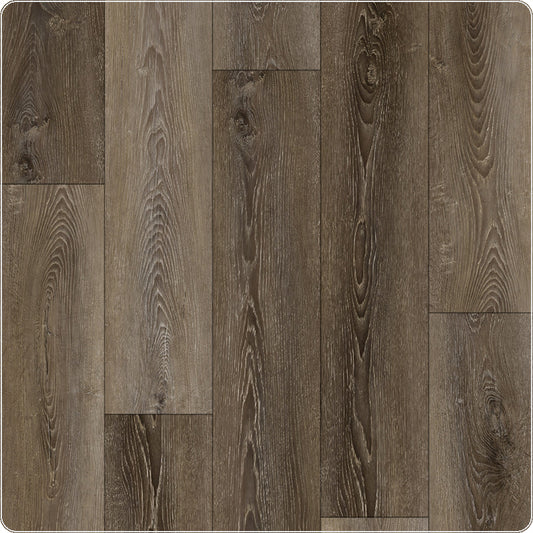
Use dark flooring most confidently in wide or well-lit hallways.
Plank Direction in Hallways
Planks are often installed along the hallway’s longest direction.
This may:
- Emphasize length
- Reduce short cut pieces
- Create visual flow
- Connect adjoining rooms
The final direction should also consider the full installation layout and manufacturer guidance.
Wide Planks in Narrow Hallways
Wide planks can work in hallways, but consider:
- Number of visible rows
- Edge cuts
- Plank centering
- Pattern repetition
- Transition placement
A balanced layout can prevent one side from ending with an extremely narrow plank.
Hallway Flooring Over Concrete
The concrete should be:
- Moisture tested
- Flat
- Clean
- Structurally sound
- Free from active leaks
- Within manufacturer tolerances
- Used with required vapor protection
Hallway Flooring Near Stairs
Plan carefully for:
- Stair nosing
- Landing transitions
- Finished-floor height
- Railing posts
- Edge protection
- Manufacturer-approved stair parts
Standard floating planks should not be improvised as stair nosing.
Protecting Hallway Flooring
Helpful practices include:
- Entrance mats
- Regular sweeping
- Furniture pads
- Paw cleaning
- Lifting furniture
- Removing grit promptly
- Using approved runners
- Keeping pet nails trimmed
Use rug pads approved for the flooring material.
Frequently Asked Questions
What flooring is best for a busy hallway?
Waterproof vinyl, SPC, and AC4 or AC5 laminate are practical choices.
What wear layer is best for hallways?
Twenty mil or 22 mil vinyl is a strong target for many busy homes.
Is laminate good for hallways?
Yes. AC4 or AC5 laminate may provide strong scratch resistance.
What color makes a narrow hallway look wider?
Light oak, white oak, warm beige, and light greige may help.
Which direction should hallway flooring run?
It often runs along the hallway’s longest direction, but the overall floor plan should be considered.
Is dark flooring suitable for hallways?
Yes, although it may show dust and make narrow spaces feel smaller.
Should I order samples?
Yes. Compare color, plank width, texture, and appearance in the hallway’s actual lighting.
Explore related options in Vinyl Flooring for Hallways, Laminate Flooring for Hallways, Engineered Hardwood Flooring for Hallways, and SPC Vinyl Plank Flooring.
Explore related flooring
Browse related flooring collections, brands and styles before making your final choice.